What is Aesthetic Dentistry (Dental Aesthetics)?
The act of smiling, which is central to facial expressions, plays a decisive role in social communication and in the individual’s self-expression. The restorative areas of dentistry go beyond merely repairing cavities or addressing defects, adopting the principle of presenting a visual harmony with the facial anatomy. Aesthetic dentistry considers the dimensions, color reflections of the teeth, the levels of the gums, and the movements of the lips during speech as a coordinated system. Through this multifaceted clinical process, a visual profile compatible with the characteristic features of the individual is revealed while maintaining tissue health.
The aesthetic processes in the Avrupadent clinics located in Izmir are organized in a way that brings together the structural expectations of the patient, the golden ratio metrics on their face, and biological health in the same plane. This medical process can be defined as an engineering work specifically tailored to the individual’s skin tone, gender, age, and facial structure, rather than a one-size-fits-all approach.
In Which Situations Can Smile Design Be Planned?
This clinical approach is evaluated in various cases where oral tissues appear disproportionate. Teeth with irregular alignment, bone structures that cause reduced lip support, or teeth forms that have been shortened over time due to wear are among the main topics of this planning. Specific clinical scenarios for this process can be examined as follows:
| Clinical Condition | Visual Effect and Interaction |
|---|---|
| Gummy Smile | The perception of short teeth due to excessive visibility of the gum tissue during smiling. |
| Proportion and Asymmetry Errors | Differences in tooth sizes between the right and left jaws, and shifts of the midline on the face. |
| Deep Stains | Tissue stains caused by antibiotics, fluorosis, or trauma that cannot be removed by clinical whitening procedures. |
| Enamel and Dentin Defects | Flattening of the tips of teeth due to bruxism or chemical erosion. |
How is Smile Design Done?
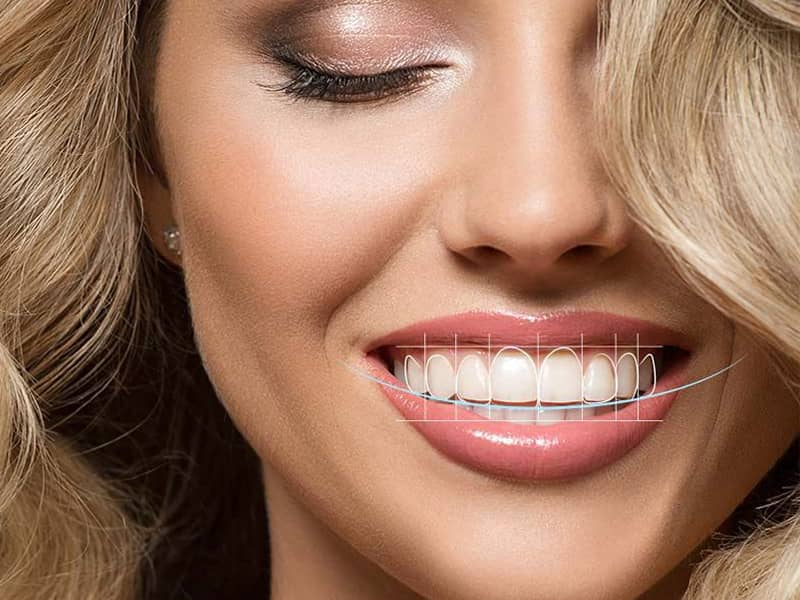
The application requires a multifaceted preparation discipline. The doctor extracts a three-dimensional map of the dental arches with digital intraoral scanners to determine the current condition of the teeth in the first session and takes facial photographs of the patient. This collected digital data is transferred to special analysis software to align it with the patient’s facial ratios. Through the related software, a virtual modeling is prepared by calculating how much the lengths of the teeth will be extended or how much the gums will be leveled.
In a critical step of the process called “mock-up” stage, temporary models obtained from three-dimensional printers or molds are adapted onto the patient’s own teeth without any cuts being made. The patient evaluates how the final structure will look by experiencing it directly on their face at the end of the process. By adhering to this guide template, which the individual approved, permanent clinical procedures such as gum sculpting or porcelain restorations are initiated.
- ▪ Data Collection and Analysis: Performing a detailed analysis of facial movements using optical scanners and photographs.
- ▪ Digital Modeling: Proportioning the dental forms in accordance with the facial anatomy via drawing programs.
- ▪ Mock-Up (Trial Fit): Allowing the individual to experience the new dental forms in their mouth and facilitating discussions with the dentist.
- ▪ Clinical Applications: The permanent implementation of the agreed design onto the teeth using restorative or surgical methods.
Who Might Be Suitable for Smile Design?
In order to begin aesthetic procedures, the clinical health of the existing jaw bones and gum (periodontal) tissues is taken into account in addition to the individual’s age. For individuals with active decay or untreated inflammatory gum disease, it is clinically necessary to treat these biological discomforts before proceeding with planning.
Individuals who feel the need to close their mouths while communicating in their social life and find it difficult to smile in photos can be included in a comprehensive treatment process that connects the mouth and facial structure through this organization. For individuals in the adolescent stage where root development continues, it is expected that bone growth will be completed.
How is an Evaluation Made Before Smile Design?
A comprehensive planning shapes the view of teeth not just as isolated organs, but as an integral part of the face. The practitioner checks whether the horizontal line passing through the patient’s two pupils (pupillary line) is parallel to the tips of the incisors. Additionally, the vertical line passing through the exact center of the face is a clinical determinant of symmetrical alignment if it intersects at the midpoint of the two front teeth.
At the same time, the resting position of the lips is examined. When a person slightly parts their lips, it is expected that a few millimeters of the upper teeth will be visible. As age increases, this visibility amount decreases and the face can be perceived as more mature. In the assessment stage, these millimetric ratios are analyzed to determine to what extent the tooth heights should be adjusted.
What Diagnostic Methods Are Used Before Smile Design?
Radiological diagnoses indicate the health of the dental roots in the area where the procedures will be performed and the surrounding bone levels. Panoramic X-rays reveal deficiencies in the jawbone, unerupted teeth, or cystic infections. If surgical supports such as implants are planned for the patient, the bone volume is examined in cross-sectional size through three-dimensional tomography.
In visual diagnosis, clinical photography holds a critical position. Images of the patient’s various facial expressions (full smile, relaxed lips, pronunciation of letters) are recorded. Three-dimensional dental impressions obtained with optical scanners are transferred to a virtual environment, allowing the dentist to assess all occlusion and chewing angles on the computer screen.
| Diagnostic Tool | Provided Clinical Data |
|---|---|
| Digital Scanner | Transfers the three-dimensional volume of teeth and gums to the computer screen by modeling it accurately. |
| Panoramic X-ray | Shows the axes of the tooth roots, the existing bone height, and potential infection areas. |
| Studio Photography | Records the symmetry lines of the face, the condition of the lip muscles, and the appearance of the gum tissue during expression. |
What Dental Treatments Can Be Included in Smile Design?
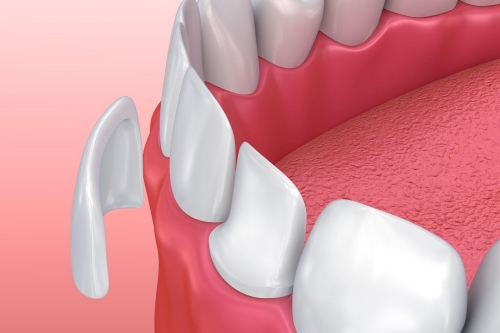
An aesthetic project planned in Avrupadent clinics can combine one or several of these treatment modules specific to the case. For a patient with no significant shape distortions in their teeth, simply teeth whitening and minor composite bonding touches may achieve aesthetic goals; for a patient with wide gaps between teeth and deep staining, porcelain veneers or zirconium crown procedures are included in the plan.
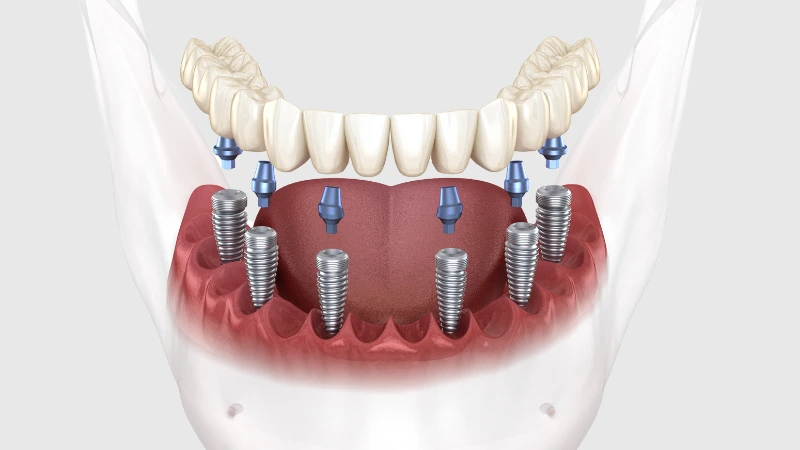
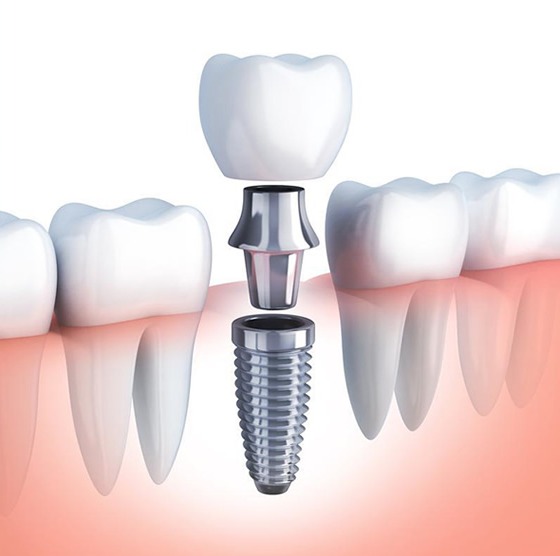
Additionally, for patients with missing teeth, dental implants and porcelain bridges are also incorporated into the design for the functional rehabilitation of the posterior regions. A smile design does not only consist of the anterior teeth; the capacity of the posterior teeth to support the jaw directly contributes to the long-term durability of the anterior region.
How is Smile Design Process Planned?
The logical sequence among treatments plays a significant role in medical efficiency. First, a solid biological foundation is established. If the gum tissues are inflamed, the measurements for the porcelains cannot be taken; thus, periodontal treatments are applied first. In the second step, if there is asymmetry at the gum levels, the gums are shaped with a minor laser intervention (pink aesthetics), and the healing of the tissues is anticipated.
After achieving perfect symmetry in the gum framework, dental procedures commence. The preparations for the teeth are completed, and digital measurements are taken. During the trial sessions, revisions are evaluated based on the patient’s opinions, and the treatment plan is finalized with the cementation of the permanent porcelains.
How Are Digital Technologies Used in Smile Design?
Errors associated with handcrafted work in classic methods are prevented at the micron level with digital systems. The jaw model obtained through cameras is transferred to special design software (Digital Smile Design – DSD). The doctor and the patient can extend or shorten the length of the tooth or direct its form precisely on the screen.
The approved digital drawing is sent to CAM (computer-aided manufacturing) units without human intervention. Zirconium or glass ceramic blocks are meticulously carved by milling tools into the planned porcelain tooth. This technology not only shortens treatment time but also clinically supports the edge sealing of restorations.
How Many Sessions Does Smile Design Take?
If the design only includes composite bonding or teeth whitening procedures, one or two sessions in the clinic are sufficient. In cases where porcelain veneers or zirconium crowns are recommended, appointments are spread over several days due to the laboratory production process. The first session involves planning and measuring, the second session is for fitting trials, and the third session is organized for the final adjustment.
On the other hand, if implant surgery is added to the process, certain biological periods (months) must pass for the bone tissue to fuse, and if orthodontic (clear aligner) treatment is added, it takes time for the teeth to align. In İzmir Avrupadent’s planning, the process is communicated to each patient through a case-specific calendar.
What Should Be Considered After Smile Design?
Restoration materials (glass ceramics, thin laminates) have a structure very similar to that of human enamel, and any physical pressure that may cause your natural tooth to break carries a risk of fracturing for these restorations as well. Trying to break very hard objects with incisors can lead to damage to porcelain edges.
In terms of adaptation, for the first few days after restorations are placed, the cheek and tongue muscles try to adjust to the new tooth volume, and air leaks can occur in the pronunciation of certain sounds during conversation. The tongue’s adaptation to these new surfaces and ensuring phonetic harmony will occur in a very short time period.
Why Is Post-Design Control Examination Important?
In restorative dentistry, achieving only aesthetic dental forms does not complete the process; the areas where the teeth integrate with the surrounding tissues must remain healthy. During six-month periodic visits, the dentist monitors plaque (tartar) accumulation on the edges of porcelain restorations with the help of assistants. If minor gum reactions that may occur are diagnosed and cleaned at an early stage, the likelihood of gum recession is prevented.
Furthermore, for all teeth to have compatible contact while the lower and upper jaws are in motion (during speaking and chewing), it is a functional necessity. If during the control process, one tooth is found to have more vertical load than others, the pressures that may occur on the porcelain are relieved through microscopic grinding (polishing) procedures performed by the dentist.
How is Smile Design Specifically Planned for Each Individual?
The unique anatomical structure of each individual transforms this application into a personalized planning model. According to clinical principles; since female patients typically have softer curves in their facial features, designing the corners of the teeth with a slight oval transition creates a harmonious optical effect on the face. In men, however, the jaw corners are more pronounced, which supports the character of angular and defined tooth shapes.
The individual’s skin undertone and eye color determine the light transmittance of the ceramic to be chosen. Applying opaque (non-light transmitting) and very white teeth to a person with dark skin leads to an artificial appearance, while porcelain with slightly transparent qualities maintains a natural look. The ratio of the central incisors to the adjacent teeth is calculated according to the length/width structure of the face.
Why is Gum Evaluation Done in Smile Design?
In dentistry, teeth symbolize “white aesthetics,” while the gums symbolize “pink aesthetics.” If the gum level of a tooth is millimeters lower than that of a neighboring tooth, even if the porcelain is produced with perfect symmetry, the smile will still be perceived as asymmetrical. Visual perception is shaped along the boundary line created by the teeth and their gums.
Especially in cases of gummy smiles, simply extending the porcelain length does not solve the aesthetic disproportion. The gums can be lifted millimeter by millimeter with laser devices or radiofrequency units, and levels can be equalized. Thus, a harmonious periodontal appearance is constructed from the lip border.
Can Smile Design and Orthodontic Treatments Be Planned Together?
While aiming for an aesthetic appearance, no unnecessary material should be removed from the healthy tooth structure. If a tooth is significantly tilted either forward or backward within the jawbone, attempting to place a porcelain crown directly on this tooth may require filing down to the nerve supporting the tooth.
In multidisciplinary evaluations, the first step in such cases is orthodontics. Teeth are aligned into a curved structure with clear aligners within the targeted timeline. Then, if there are form deficiencies in the aligned teeth, minimal porcelain laminates or composite additions are used to ensure maximum protection.
Can Smile Design and Prosthetic Treatments be Planned Together?
The structure of the mouth works interconnectedly. If there are losses in the patient’s posterior molars, the individual tends to perform actions with the anterior teeth. When the anterior teeth are structurally exposed to significant chewing pressure, the likelihood of damage to the restorations placed on them increases.
Therefore, when planning, the physician incorporates zirconium prostheses on implants in the posterior areas to establish a balance in chewing. The material texture of the anterior aesthetic coverings is produced in coordination with the posterior prosthetic structures as a whole during the laboratory phase.
Can Smile Design and Teeth Whitening Be Applied Together?
At Izmir Avrupadent, restoration procedures are not immediately performed if the patient’s natural teeth are not in the targeted shade. The color of porcelain materials cannot be chemically whitened after leaving laboratory furnaces. Therefore, initially, office-type whitening is done in a clinical setting to clean the pigments of the existing natural teeth.
After the whitening process is completed, a certain period is waited for the moisture balance of the tooth tissue to be fully restored. When the teeth stabilize at their final shade, the color of the aesthetic veneers to be made for missing or improperly shaped teeth is communicated to the technician according to this new tone. The result is a harmoniously aligned set of teeth.
How Should Oral and Dental Care Be Done After Aesthetic Design?Care procedures; similar to those applied on natural teeth, involve brushing with a soft/medium bristle toothbrush and fluoridated toothpaste in the morning and evening, and the use of dental floss to prevent plaque accumulation between restorations.Porcelain veneers wrap around the outer surface of the tooth to give it shape; however, there are delicate boundary points where these veneers meet the gum tissue. If a patient neglects to brush their teeth, microbial deposits accumulating at these boundary points can damage the natural tooth enamel beneath or the gum tissue.
The continuous use of whitening toothpaste containing abrasive particles can dull the glaze on porcelain surfaces; therefore, it is recommended to prefer standard protective toothpaste. In cases where personal hygiene is maintained ideally, the clinical condition of the applied restorations can be preserved for quite a long time.
What Factors Affect the Treatment Plan in Aesthetic Design?
There is an analytical communication process that determines the methods through which an aesthetic project will progress, which is collaboratively navigated by both the patient and the physician. The main factors influencing the limits of medical planning are summarized in the table below:
Clinical Factor Impact on Planning Anatomical Capacity The forms can be altered to the extent permitted by the jaw structure and root positions, while biological limits are preserved. Timeline For patients coming from outside the city, clinical procedures such as orthodontics can be advanced through digital restorations instead of lengthy processes. Patient Expectations Designs that do not fit the individual’s facial form are revised at the mock-up stage to find a common point. Functional Needs If the patient has bruxism, high-resistance coatings are planned instead of thin aesthetic laminates.
Porcelain veneers wrap around the outer surface of the tooth to give it shape; however, there are delicate boundary points where these veneers meet the gum tissue. If a patient neglects to brush their teeth, microbial deposits accumulating at these boundary points can damage the natural tooth enamel beneath or the gum tissue.
The continuous use of whitening toothpaste containing abrasive particles can dull the glaze on porcelain surfaces; therefore, it is recommended to prefer standard protective toothpaste. In cases where personal hygiene is maintained ideally, the clinical condition of the applied restorations can be preserved for quite a long time.
What Factors Affect the Treatment Plan in Aesthetic Design?
There is an analytical communication process that determines the methods through which an aesthetic project will progress, which is collaboratively navigated by both the patient and the physician. The main factors influencing the limits of medical planning are summarized in the table below:
| Clinical Factor | Impact on Planning |
|---|---|
| Anatomical Capacity | The forms can be altered to the extent permitted by the jaw structure and root positions, while biological limits are preserved. |
| Timeline | For patients coming from outside the city, clinical procedures such as orthodontics can be advanced through digital restorations instead of lengthy processes. |
| Patient Expectations | Designs that do not fit the individual’s facial form are revised at the mock-up stage to find a common point. |
| Functional Needs | If the patient has bruxism, high-resistance coatings are planned instead of thin aesthetic laminates. |
Smile Design (Smile Aesthetics) hakkında sıkça sorulan sorular ve cevapları
Gülüş estetiği sonrası doğal bir görünüm sağlanabilir mi?
Evet, gülüş tasarımı sonrası doğal bir görünüm elde edilebilir. Dijital Gülüş Tasarımı (DSD) programları, hastanın yüz hatlarına ve diş yapılarına göre kişiye özel, estetik ve doğal gülüşler yaratılmasını sağlar. Bu programlar, gülüşü tüm yüzle uyumlu şekilde değerlendirerek tedavi sonuçlarının daha öngörülebilir ve doğal olmasına yardımcı olur. Yüz oranları, diş-dudak ilişkileri ve kişisel özellikler göz önünde bulundurularak yapılan tasarımlar hem gülüşü hem de genel görünümü önemli ölçüde iyileştirir.
Hasta sonucu önceden görebilir mi?
Hem bilgisayar ortamında elde edilen dijital veriler hem de mock-up provası sayesinde hedeflenen sonucu işlem başlamadan büyük ölçüde görebilir.
Yaprak porselen (lamina veneer) nedir?
Genellikle dişlerin sadece ön yüzeylerinden minimal pürüzlendirme yapılarak yapıştırılan, ince ve ışık geçirgenliği yüksek seramik materyallerdir.
Monolitik (tam) zirkonyum ne anlama gelir?
Üzerine ilave porselen işlenmeden, bloğun tek parça halinde kazınarak şekillendirildiği, kırılma direnci maksimum seviyede olan estetik yapılardır.
Ten ve saç rengi diş rengi seçiminde önemli midir?
Hastanın cilt alt tonu ve saç rengi, seçilecek seramiğin beyazlık seviyesinin yapay durmaması adına referans alınan önemli görsel parametrelerdir.
Tükürük yapısının sürece doğrudan bir etkisi var mıdır?
Tükürük akış hızı ve kalitesi, ağız içi dokuların kendi kendini temizlemesinde etkin rol oynadığından uzun vadede restorasyonların temiz kalmasına destek olur.
Porselen yüzeyinde zamanla matlaşma olur mu?
Kullanılan yüksek fırınlı cam seramikler ve zirkonyumlar mine yapısından daha az tutucu olduğundan aşındırıcılarla fırçalanmadığı sürece parlaklıklarını yitirmezler.
Gülüş tasarımı işlemi ne kadar sürer?
Gülüş tasarımı süreci, tedavi türüne ve kişisel ihtiyaçlara bağlı olarak birkaç haftadan birkaç aya kadar değişebilir. Dijital gülüş tasarımı (DSD) gibi dijital analiz ve sanal prova içeren işlemler, genellikle 30 dakika ile birkaç saat arasında sürebilir. Ancak ortodonti veya diş implantı gibi daha kapsamlı tedaviler, süreci birkaç aya kadar uzatabilir.
Hastanın estetik istekleri sürece dahil edilir mi?
Tıbbi sınırlar ve fonksiyonel kurallar dahilinde, hastanın beklentileri tasarımın şekillenmesinde en önemli kriterlerden biridir.
Lamina işlemi ağızdaki her dişe uygulanır mı?
Estetik alan olan ön ve küçük azı dişlerine sıklıkla uygulanırken, çiğneme kuvvetinin yüksek olduğu arka büyük azı dişlerinde genellikle tercih edilmez.
Zirkonyum kaplamalar ışığı geçirir mi?
Metal desteklilere oranla çok daha iyi bir ışık geçirgenliği bulunsa da, cam seramiklere (E-max) göre daha opaktırlar, yeni nesil zirkonyumlar daha estetiktir.
Göz bebekleri ile diş dizilimi arasında nasıl bir ilişki vardır?
İki göz bebeğinden geçen yatay hattın, üst dişlerin yatay hattı (oklüzal düzlem) ile paralel olması simetrik bir tasarım için esas alınır.
Sistemik rahatsızlıklar estetik tedavilere engel midir?
Kontrol altında olmayan şiddetli sistemik hastalıklar yara iyileşmesini ve genel anestezi gerektiren durumları etkileyebileceğinden ilgili tıp hekimleriyle konsültasyon yapılır.
Hamilelikte gülüş tasarımı prosedürleri yapılabilir mi?
Acil ağrı tedavileri dışında, estetik amaçlı röntgen ve anestezi gerektiren uzun soluklu işlemlerin doğum sonrasına ertelenmesi tıbbi bir yaklaşımdır.
Gülüş tasarımı (gülüş estetiği) nedir?
Bireyin yüz hatları, diş, diş eti ve dudak uyumu değerlendirilerek estetik ve fonksiyonel açıdan uyumlu bir ağız yapısı oluşturulması sürecidir.
Planlamada video kayıtları neden alınır?
Statik fotoğrafların yanı sıra konuşma ve gülme anındaki dudak ve yüz kaslarının dinamik hareketlerini detaylı olarak inceleyebilmek içindir.
Lamina için dişler ne kadar küçültülür?
Hastanın diş dizilimine göre değişmekle birlikte genellikle 0.3 mm ila 0.7 mm civarında, sadece ön yüzeyde ve minimal düzeyde bir aşındırma yapılır.
Estetik kaplamalarda dişe uyum süreci nasıldır?
Dijital ölçüm teknikleri ve hassas laboratuvar çalışmalarıyla diş etine ve diş dokusuna mikron düzeyinde uyumlu protezler hazırlanmaktadır.
Altın oran diş hekimliğinde ne ifade eder?
Ön bölgedeki dişlerin kendi aralarındaki en-boy oranlarının matematikteki estetik değere (yaklaşık 1.618) yaklaştırılarak doğal uyumun yakalanmasıdır.
Tedavi tamamlandıktan sonra ağız bakımı nasıl olmalıdır?
Doğal dişlerdeki gibi günde en az iki kez yumuşak veya orta sertlikte bir fırçayla düzenli fırçalama yapılması temel bakım prensibidir.
Contact Us for Gum Design (Gum Aesthetics) in Izmir
Gum design (gum aesthetics) is a treatment approach that involves evaluating various treatment methods for the appearance of the gums and teeth together. At AvrupaDent, this treatment is carried out by dentists as part of a treatment plan tailored to the patient's oral and dental health. You can contact us for detailed information about the treatment process.İletişime Geçin
- Güncelleme tarihi:25 Sep 2026