What is Bonding Application?
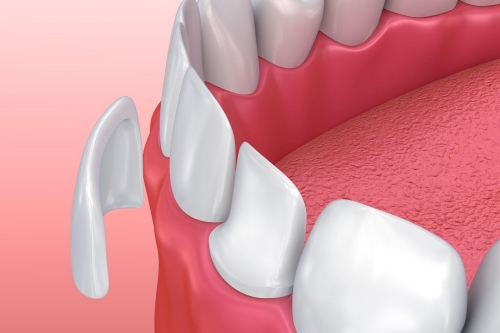
This method, which is one of the cornerstones of the tissue-preserving philosophy in aesthetic dentistry, aims to meet visual expectations without making any cuts or abrasions in the natural structure of the tooth. The bonding of composite materials that are the same color as the tooth to the tooth surface at a microscopic level ensures integrity. Thus, structural or form-based discrepancies in the tooth are camouflaged, and the smile profile is redirected.
Bonding application at Avrupadent clinics located in Izmir is treated as an artistic process shaped by the clinician’s skills, compatible with the individual’s facial contours and lip closures. The basis of the procedure lies in obtaining an aesthetic form with light permeability using tissue-friendly materials while preserving the patient’s own natural tooth enamel.
In Which Situations Is Bonding Applied?
This clinical approach is evaluated in specific cases where there is no need for extensive orthodontic wires or laboratory-fabricated crowns. It is an ideal option for tiny defects that negatively affect the appearance of the teeth in daily life but do not disrupt the overall dental integrity. Commonly planned areas for the application are as follows:
| Clinical Status | Effect and Result of the Procedure |
|---|---|
| Diastema (Gaps Between Teeth) | Visual closure of gaps by adding composite materials to the sides of the teeth. |
| Micro Fractures and Cracks | Restoring the small fractures formed on the incisal edges of the tooth after trauma to their original form. |
| Size and Shape Asymmetry | Extending the heights of the short remaining teeth in the smile line to establish the axis of symmetry. |
| Wedge Defects | Aesthetic repair of abrasions occurring along the gum line depending on hard brushing. |
How is Bonding Applied?
In İzmir Avrupadent, before the procedure, the patient’s own tooth color is analyzed with the help of guides. The tooth’s anatomy and surface characteristics are examined in detail. In most cases, since no cutting is done on the tooth, direct work can be started without the need for regional anesthesia. The front surface of the tooth is prepared with a micro-level etching acidic gel for the material to adhere.
Then, a microscopic binding agent called “bond” is applied to the tooth surface. The composite resin in the consistency of paste, in the selected color, is placed on the tooth by the dentist from an aesthetic viewpoint. After shaping the curves and outer surfaces of the tooth with hand tools, the material is frozen with high-intensity light devices. In the final stage, polishing (finishing) ensures that the tooth’s light reflection capacity matches that of natural enamel.
Who Might the Bonding Procedure Be Suitable For?
In order for this procedure to be performed, the person’s overall oral health must be satisfactory. Health problems such as active gum bleeding, dense tartar build-up, or untreated root tip infections should be addressed first. Once basic health has been established, visual enhancement steps can be taken.
Individuals with severe teeth grinding or clenching (bruxism) during sleep may have a risk of chipping (breaking) at the ends of composite materials. For individuals with such habits, dentists can initially incorporate protective splints to control the teeth grinding.
How is an Evaluation Done Before the Bonding Procedure?
For aesthetic touches to be harmonious within the mouth, the mechanical forces that the tooth is exposed to must be accurately analyzed. The doctor observes the patient’s jaw movements to ensure that the composite material to be added does not interfere with the teeth in the opposing jaw. If the added piece directly overlaps with the biting area, the structural planning is modified accordingly.
In line with the principles of smile design, the patient’s facial form is taken into account. For individuals with round facial features, the tooth corners to be added are planned to have a softer, rounded design, while square shapes are designed for angular facial features to ensure overall symmetry of the face.
What Should Be Considered Before Bonding Application?
The adhesion principle of composite materials depends on the cleanliness of the micro-pores on the enamel surface. Plaque or staining residues that may form on the tooth surface can mislead the doctor in color selection and weaken the effectiveness of the bonding agent. Therefore, it is recommended to maintain maximum oral hygiene on the day of the procedure.
In addition, expectations regarding the sizes of the parts to be added should be shared with the doctor. Sometimes, the length of the tooth requested by the individual may not anatomically align with the movements of the lower jaw. Mutual agreements and correct communication ensure that aesthetic goals are aligned with medical realities.
What materials are used in bonding application?
Advancements in dental material technologies have brought composite structures used in bonding applications very close to the level of natural enamel. Unlike standard posterior fillings, aesthetic series preferred for anterior teeth have varying translucency and opacity levels that replicate natural teeth.
To mimic the layered structure of the tooth (the yellowish dentin in the inner part and the translucent enamel on the outer layer), the dentist does not use a single material. Various shades are layered like a painter’s palette (using layering technique) onto the tooth. This technique prevents the appearance of artificial fillings and presents a deep and natural visual effect.
How Many Sessions Does the Bonding Application Take?
Unlike restorations requiring laboratory production (such as porcelain veneers), bonding procedures do not require measurements to be taken and sent to the technician. All procedures are performed directly in the patient’s chair by the clinician’s hands. This accelerates the process and allows the individual to leave with a new smile on the same day.
If only a few teeth require minor adjustments, the procedure will be quite short; however, if a comprehensive bonding is to be done on 6 or 8 teeth in the smile line in the form of composite laminate, the duration may extend. In Avrupadent’s processes, a short polishing (finishing) check appointment can be organized after the procedure to assess the patient’s lip adaptation and tissue reactions on the day the procedure is performed.
What Teeth Can Bonding Be Applied To?
The back molars are the focal point of chewing force, and instead of bonding aesthetics, porcelain fillings (inlay/onlay) are planned for structural defects. The front group of teeth is at the center of the visual field. Since there are not very high vertical pressures on the enamel of the teeth in this area, composite materials can be applied comfortably and maintain their function.
The application can be planned for both the anterior teeth on the lower jaw and the upper jaw. Particularly, closing the gaps (diastema) between the upper central incisors comes at the forefront of the most common aesthetic interventions applied in this group of teeth.
What Should Be Considered After Bonding Application?
Although composite materials can integrate with the enamel structure, they may experience chipping or minor fractures when subjected to excessive stress due to their physical properties. Trying to peel the core shell with teeth or attempting to break hard snacks like almonds or pistachios with the treated front teeth can jeopardize the integrity of restorations.
Another important aspect is discoloration. Although the material has a smooth coating when first made, prolonged contact with acidic beverages and pigmented foods over time can affect the luster of the material’s surface. Regular daily brushing is an effective protective method to prevent these discolorations from adhering to the surface.
Can Sensitivity Occur After Bonding Application?
If the bonding procedure is not combined with root treatment, meaning it is only performed at the aesthetic enamel level, the nerves in the tooth are not stimulated. Therefore, it does not create a throbbing or persistent pain pattern. Only a mild sensitivity may arise during the adaptation of the tissues to temperature changes in the oral cavity and the new material added.
This condition is a cellular adaptation process that is considered normal in dental practices. This temporary condition, which does not affect the individual’s daily eating and drinking functions, will disappear on its own within a short period.
What is the Difference Between Bonding Application and Composite Filling?
Both methods use composite resin materials in terms of chemical content. However, the properties of the materials and the dentist’s application technique vary depending on the purpose. The primary expectation for composite fillings applied on posterior teeth is resistance to chewing force, whereas in anterior tooth bonding procedures, the ability to mimic light refraction, transparency, and the natural enamel structure (optical illusion) is prioritized.
| Comparison Criteria | Bonding (Aesthetic Touch) | Classic Composite Filling |
|---|---|---|
| Clinical Purpose | To arrange the anatomical form and visual aesthetics of the tooth. | To functionally close the tissue loss created by the decay. |
| Material Loss | No removal is performed from the enamel (or it is minimal). | It requires complete removal of the infected (decayed) tissues. |
| Application Area | Typically the anterior incisors with high visibility. | Generally, the molars in the chewing area with significant loads. |
What is the Difference Between Bonding Application and Lamina Veneer?
Both methods are protective treatments that provide excellent results in anterior aesthetic dentistry. However, due to material structures, their clinical behaviors differ. Porcelain laminates, having a glass-like surface, are resistant to color change and wear for many years. In contrast, composite-based bonding materials are more dynamic and may show slight color reflections over time, depending on the patient’s dietary habits, but repairing them (when a small piece is broken) is much more practical.
In laminate planning, an averaging of 0.3 – 0.7 mm needs to be prepared on the front surface of the tooth; however, for bonding, it is usually reached by directly adding to the surface without any abrasion on the enamel.
In Which Dental Problems Can Bonding Application Be Evaluated?
This method restores both the integrity of the tooth structure damaged and its visual harmony, positioning itself as a functional solution for various specific problems:
-
\t
- Structural diminutions in anterior teeth (cusp-shaped, malformed teeth).
- Wide spaces between teeth that create dark gaps during smiling.
- Structural stains within the enamel that cannot be sufficiently lightened by teeth whitening (bleaching) methods.
- Conditions where the dog’s teeth are excessively sharp or the surfaces are highly irregular.
- The appearance of elongated teeth due to the pulling of the gum tissue surrounding the roots, and the aesthetic masking of the roots’ exposure.
\t
\t
How is Color Selection Done in Bonding Application?
Human teeth are not made up of a single color. The neck part of the tooth (the area close to the gum) has a yellower dentin reflection, while the incisal edges reflect a grayish/bluish glass appearance as one moves down. When making the color selection, the clinician selects different shades of resin that mimic this anatomical gradient instead of using a single type of composite.
The color selection process is performed while the teeth are still wet (moist with saliva); because if the teeth are left open for a long time, the enamel color temporarily appears whiter and more opaque when dry. Accurate matching is the key aesthetic factor that ensures the restoration’s presence is not noticeable in the mouth.
How Should Oral and Dental Care be Done After Bonding Treatment?
There is no additional and exhausting procedure separate from the daily oral care routine. However, it is important to prefer soft or medium-hard brushes instead of hard-bristled toothbrushes to avoid matting the polish of the composite surface. Whitening toothpaste’s micro-particles (silica) may cause scratches on the bonding surface with long-term use.
Additionally, frequent consumption of acidic beverages (such as cola and soda) may create adverse effects by combining with acid plaques at the composite and tooth junction. The preservation of the vibrancy of these applied touches is parallel to the hygiene care shown by the patient towards their own dental health.
Why is Post-Bonding Control Examination Important?The necessity of control examination; monitoring the biological response of the gums to the newly added form, renewing the surface shine of the composite material to eliminate the risks of discoloration, and reevaluating closure relationships.In the clinics of Avrupadent, aesthetic processes are not limited to the moment the procedure ends. In periodic visits every 6 months, the doctor examines whether there is any pressure-induced opening in the margins of the applied restoration using magnifying tools (loupes). If certain areas of the tooth are subject to intense contact forces, these forces can be dispersed through microscopic adjustments to take preventive measures.
Moreover, patients who regularly consume tea and coffee may experience slight dulling on the composite surfaces over time. A 10-minute specific polishing application during control sessions ensures that the restoration returns to its initial shine, maintaining aesthetic integrity for many years.
Can Bonding Application Be Planned Together with Other Dental Treatments?Yes, it can be planned with a multidisciplinary approach. It is generally integrated into the system as a final touch that combines smile aesthetics after orthodontics (invisible aligners/braces treatment) is completed or after professional teeth whitening (bleaching) procedures.
If the amount of misalignment in the teeth is excessive, rather than shaping them with direct bonding, it is clinically necessary to first anatomically align the teeth to the correct axis (orthodontics). After the wires or clear aligners are removed, if there are any residual minor abrasions or shape deficiencies on the incisal edges of the straightened teeth, the final aesthetic details are completed with bonding.
In terms of color uniformity, it is often combined with whitening treatments. The patient’s own teeth are brought to the desired whiteness. A few days later, once the moisture balance of the tooth tissue stabilizes, the bonding process is performed using a composite selected to perfectly match this new, bright white color achieved.
How is the Bonding Application Process Planned?
Treatment planning; involves listening to the patient’s application and expectations, eliminating clinical barriers such as grind or tooth grinding, determining proportions through digital photography, and designing the tooth with composite artistry.The flexibility of the application allows for easy adaptation of the planning process to the hospital’s schedule. During the first appointment, your doctor will examine whether the tooth surfaces are suitable for restorative touch-ups. After deciding, a trial of the targeted shape on the tooth can be prepared (Mock-up work).
Once the design’s volume within the mouth is approved, the actual treatment day is determined. The tooth surface is isolated to protect against moisture, and layering procedures are started meticulously. The clinical process is managed with a protocol that respects the individual’s facial lines and blends visual expectations with anatomical realities.
In the clinics of Avrupadent, aesthetic processes are not limited to the moment the procedure ends. In periodic visits every 6 months, the doctor examines whether there is any pressure-induced opening in the margins of the applied restoration using magnifying tools (loupes). If certain areas of the tooth are subject to intense contact forces, these forces can be dispersed through microscopic adjustments to take preventive measures.
Moreover, patients who regularly consume tea and coffee may experience slight dulling on the composite surfaces over time. A 10-minute specific polishing application during control sessions ensures that the restoration returns to its initial shine, maintaining aesthetic integrity for many years.
Can Bonding Application Be Planned Together with Other Dental Treatments?Yes, it can be planned with a multidisciplinary approach. It is generally integrated into the system as a final touch that combines smile aesthetics after orthodontics (invisible aligners/braces treatment) is completed or after professional teeth whitening (bleaching) procedures.
If the amount of misalignment in the teeth is excessive, rather than shaping them with direct bonding, it is clinically necessary to first anatomically align the teeth to the correct axis (orthodontics). After the wires or clear aligners are removed, if there are any residual minor abrasions or shape deficiencies on the incisal edges of the straightened teeth, the final aesthetic details are completed with bonding.
In terms of color uniformity, it is often combined with whitening treatments. The patient’s own teeth are brought to the desired whiteness. A few days later, once the moisture balance of the tooth tissue stabilizes, the bonding process is performed using a composite selected to perfectly match this new, bright white color achieved.
How is the Bonding Application Process Planned?
The flexibility of the application allows for easy adaptation of the planning process to the hospital’s schedule. During the first appointment, your doctor will examine whether the tooth surfaces are suitable for restorative touch-ups. After deciding, a trial of the targeted shape on the tooth can be prepared (Mock-up work).
Once the design’s volume within the mouth is approved, the actual treatment day is determined. The tooth surface is isolated to protect against moisture, and layering procedures are started meticulously. The clinical process is managed with a protocol that respects the individual’s facial lines and blends visual expectations with anatomical realities.
Bonding Application hakkında sıkça sorulan sorular ve cevapları
Estetik dolgu terimi ile Bonding Uygulaması diş hekimliğinde aynı anlama mı gelmektedir?
İki terim birbiriyle iç içedir; estetik dolgular genellikle çürük boşluklarını doldururken, bonding terimi daha çok çürüksüz dişlerde şekil değiştirmeyi ifade eder.
Diş taşı temizliği yapılması Bonding Uygulaması randevusundan önce alanın hijyeni için istenir mi?
Cerrahi ve estetik alanın etrafındaki bakterilerin uzaklaştırılması, diş etinin kanamaması ve kompozitin nemsiz ortama yapışabilmesi için çok değerli bir hazırlıktır.
Asit işleminden sonra dişin üzerine sürülen sıvı ajan (bond) Bonding Uygulaması başarısında nasıl bir rol oynar?
Dişin mineral yapısı ile eklenecek olan sentetik kompozit hamuru arasında köprü görevi gören bu tıbbi sıvı, malzemenin dişten ayrılmasını imkansız hale getirir.
Hassasiyet giderici diş macunu kullanımı Bonding Uygulaması sonrasında hissedilen sızlamaları hafifletir mi?
Özel mineralli macunlar açılmış olan mikroskobik kanalları tıkayarak sinire giden uyarımı anında kestiğinden ilk haftalardaki sızlamaları büyük oranda dindirir.
Fındık, fıstık gibi kabuklu yemişleri dişlerle kırmak veya açmak Bonding Uygulaması yapılmış bölgelerde kopma riski yaratır mı?
Bu eylemler doğal sağlıklı mineyi bile kökünden koparabilecek tehlikede kuvvetler olduğundan, onarılmış estetik dişlerle hiçbir koşulda yapılmamalıdır.
Estetik beklenti ileride değişirse mevcut Bonding Uygulaması çıkartılıp yerine porselen kaplama yapılması mümkün müdür?
Kompozit materyaller özel aletlerle dişten zarar verilmeden kazınıp tamamen uzaklaştırılabilir, sonrasında diş porselen için ölçüye hazır hale getirilerek işlem büyütülebilir.
Hekim sadece göz muayenesiyle Bonding Uygulaması yapılıp yapılamayacağına karar verebilir mi?
Göz muayenesi dişin yüzeyini gösterir ancak kök sağlığını ve kapanış dinamiklerini tam değerlendirmek için klinik ve radyolojik destek de gereklidir.
Dişin üzerinde plak veya leke varsa Bonding Uygulaması öncesinde bu lekeler temizlenmeli midir?
Yapıştırıcı jellerin doğrudan temiz mine yüzeyine nüfuz edebilmesi için işlemden hemen önce diş yüzeyindeki çay, kahve veya plak lekeleri fırçayla (polisaj) silinir.
İki dişin arasına kompozit eklenirken komşu dişe yapışmaması Bonding Uygulaması sırasında nasıl engellenir?
Dişlerin arasına ince şeffaf bantlar (matriksler) yerleştirilerek malzemenin sadece hedeflenen dişe şekil vermesi ve arayüzün bitişik kalmaması sağlanır.
Dudak uyuşukluğu için iğne yapıldıysa, bu his Bonding Uygulaması seansından ortalama kaç saat sonra geçer?
Lokal anestezik kullanıldıysa, operasyondan sonraki iki ile dört saat arasında dokulardaki tüm hisler tamamen yerine gelerek dudak çözülür.
Tırnak yeme, kalem ısırma veya çekirdek çitleme alışkanlığı Bonding Uygulaması sınırlarında aşınma ve minik çıtlamalar yapar mı?
Sürekli aynı noktaya tekdüze uygulanan mekanik stresler malzemenin uç kısımlarında yorgunluk yaratarak estetiği bozan minik kopmalara neden olur ve kesinlikle bırakılmalıdır.
Avrupadent İzmir şubelerinde Bonding Uygulaması muayene randevuları hastanın iletişime geçmesiyle hızla planlanır mı?
Resmi iletişim hatlarımızdan veya dijital kanallarımızdan bize ulaştığınızda, gülüş estetiği beklentiniz dinlenerek vakit kaybetmeden en yakın hekim takvimine randevunuz titizlikle oluşturulur.
Bonding Uygulaması diş hekimliğinde genel olarak neyi ifade etmektedir?
Dişlerin yüzeyine, dişin doğal rengine uygun kompozit (beyaz dolgu) materyallerinin kimyasal yollarla yapıştırılarak dişin formunun veya renginin değiştirilmesi işlemidir.
Panoramik röntgen filmleri Bonding Uygulaması planlamasından önce diş köklerini incelemek için istenir mi?
Ön diş köklerinde gözle görülmeyen bir iltihap veya kemik erimesi olup olmadığını saptamak adına estetik işlemlere başlamadan önce röntgen analizi standarttır.
Çürük veya kesim yapılmayan vakalarda Bonding Uygulaması için uyuşturucu iğneye (anesteziye) gerek duyulur mu?
Dişte hiçbir aşındırma veya sinir işlemi yapılmadığı için, vakaların büyük çoğunluğunda iğne uyuşturmasına dahi ihtiyaç duyulmayan tamamen acısız bir hazırlıktır.
Kompozit malzemenin tabaka tabaka (katmanlar halinde) yerleştirilmesi Bonding Uygulaması kalitesini neden artırır?
Küçük katmanlar halinde yığıp dondurmak, malzemenin büzülme payını azaltır ve ışığın her tabakaya tam nüfuz ederek içten dışa sertleşmeyi maksimize etmesini sağlar.
Yeni oluşturulan form nedeniyle dilin ön dişlere sürekli dokunmak istemesi Bonding Uygulaması adaptasyon sürecinde olağan mıdır?
Ön bölgeye hacim kazandırıldığı için dilin bu yeni kalınlığa ve boyuta alışması birkaç gün alır; bu süreçte dilin sürekli dişleri yoklaması tamamen refleksif ve doğaldır.
Şişe kapağı açmak veya ip koparmak gibi dişi alet olarak kullanmak Bonding Uygulaması materyalinin anında kırılmasına yol açar mı?
Dişlerin amacı gıdaları öğütmektir; dişleri herhangi bir ambalajı açmak veya ip kesmek için alet olarak kullanmak ince estetik restorasyonları anında yerinden kırıp sökebilir.
Ön diş kırığı gibi estetik kriz anlarında Avrupadent İzmir randevu sıralamasında Bonding Uygulaması onarımı için öncelik tanır mı?
Ön dişin kırılması hastada ani bir estetik kriz yarattığı için, klinik randevu sıramız esnetilerek bu tarz acil kompozit restorasyonlara bekletilmeden anında müdahale edilir.
Dişlerin doğal yapısında aşındırma (kesim) yapılması Bonding Uygulaması için zorunlu mudur?
Genellikle dişte hiçbir aşındırma veya kesim yapılmadan, doğrudan mevcut mine yüzeyine ilaveler yapılarak uygulanan koruyucu bir restorasyon yöntemidir.
Contact Us for Bonding Application in Izmir
The bonding application is a treatment method that involves correcting shape irregularities, color differences, or minor material losses on the tooth surface using composite materials of the same color as the teeth. At AvrupaDent, this treatment is carried out by dentists within a treatment plan tailored to the patient's oral and dental health. You can contact us for detailed information regarding the treatment process.İletişime Geçin
- Güncelleme tarihi:25 Sep 2026