What is the Renewal of Root Canal Treatment?Renewal of root canal treatment (retreatment); in previous periods, root canal treatment was performed, but in cases where inflammation at the root tip recurs, pain formation persists, or the procedure has structurally lost its function, the process involves removing old filling materials, cleaning the inside of the tooth again, disinfecting it, and refilling it.
Past endodontic interventions are performed to preserve the presence of the tooth within the jawbone. However, in some clinical situations, the anatomical complexity of the root canals, overlooked fine nerve branches, or the loss of the impermeability of the upper structure restoration (filling or crown) can allow bacteria from the oral cavity to seep back into the root. This dental practice called retreatment is planned as a second clinical intervention to eliminate the tissue where the infection has recurred.
At the Avrupadent clinics in the İzmir region, the procedures for renewing root canal treatment are a biological approach aimed at maintaining the tooth functionally in the mouth without resorting to tooth extraction. After the old structure is removed, the canal is cleaned with detailed chemical solutions to eliminate microorganisms, and the cellular compatibility established with the tooth’s jawbone is supported.
In What Situations is Root Canal Treatment Renewed?
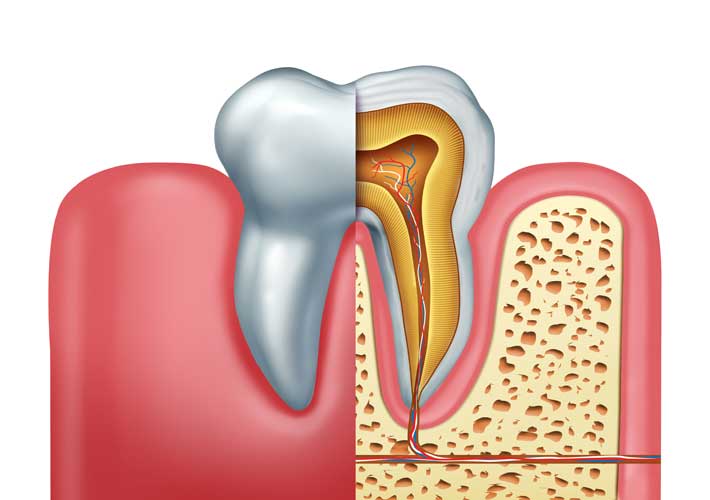
Each tooth’s root structure is different and largely complex. Reactions can emerge even months or years after treatment on a tooth. The specific structural and biological conditions under which the decision for renewal is made include:
| Observed Condition | Clinical Manifestation and Reason |
|---|---|
| Incomplete Canal Cleaning | Due to the canal being narrow or curved, the previous filling could not reach the root tip, leaving infected tissue there. |
| Coronal Leakage (Upper Leakage) | The result of the fracture of the coating or filling on the tooth surface allows bacteria inside the mouth to directly penetrate the canal. |
| Undetected Additional Canals | Especially in large molars, the continued presence of an infection in a 4th or 5th canal, which remains anatomically hidden. |
| New Cavity Development | The new cavity starting from a different surface of the tooth infecting the old canal filling material. |
How is Root Canal Treatment Renewed?
Success contains more details than a standard root canal treatment. The doctor provides regional anesthesia before starting the medical procedures. Once the tooth is isolated, any previous fillings or crowns are carefully removed. The old filling materials placed inside the roots are individually removed using endodontic solvents and rotary instruments.
After all the old structures are cleaned, areas that were inaccessible during the previous intervention or overlooked fine canals are sought. These areas are shaped using mechanical instruments and thoroughly rinsed with antibacterial liquid solutions. Once the inflammatory tissue is controlled, the canals are isolated in three dimensions and permanently sealed.
-
\t
- • Removal of Old Material: The removal of gutta-percha and root canal sealants blocking the root canals using special instruments.
- • Anatomical Revision: Accurately determining the length of a canal that was left unaddressed during the previous procedure.
- • Deep Irrigation: Ensuring biological cleaning of the canal with disinfectants reaching the root tip.
- ● Re-Obturation: Filling all voids with tissue-friendly materials without leaking.
\t
\t
Why Might There Be a Need to Renew Root Canal Treatment?
Due to the biological structure of the body, sometimes the tissues at the root tip may not heal as planned. If a tooth canal is highly curved, physically reaching the very tip of the root with the instruments may be restricted. In previous years, some interventions performed with older technological means may not have overcome such anatomical barriers.
At the same time, tiny cracks that form on the upper part of the tooth due to the patient’s failure to use dental floss after treatment, or not brushing regularly, leave the canal system defenseless against bacteria in the mouth. These bacteria can quickly progress into the root, necessitating further treatment.
Who Might Benefit from the Renewal of Root Canal Treatment?
The suitability of the procedure depends not on the patient’s age, but rather on the clinical condition of the existing tooth and the surrounding tissues. If there is no vertical fracture extending down to the root in the tooth and if the tooth does not show excessive mobility within the jawbone, the related tooth can be considered as a candidate for retreatment.
For individuals with systemic discomfort, this procedure can be safely performed to the extent that their overall health condition permits the use of local anesthesia and dental treatments. Necessary planning is done after consultations with the doctor.
How is an Assessment Conducted Before the Renewal of Root Canal Treatment?
After listening to the complaints of the patient who presents to the clinic, physical examination methods such as percussion (tapping) and palpation (touching) are applied to the problematic tooth. These checks are important to determine whether there is any sign of inflammation reflecting to the root end.
Following this, the step of digital imaging (radiography) is carried out. According to Avrupadent’s procedural standards, the physician detects the level of material inside the canal in the existing radiograph, whether it extends beyond the root end or whether something was left incomplete. By identifying anatomical constraints in the old treatment, the steps for the new procedure are designed.
What Should Be Considered Before Renewing Root Canal Treatment?
Retreatment procedures are performed under local anesthesia, and controlling the individual’s blood sugar levels is important. If there is swelling and severe pain caused by acute (sudden) abscesses, instead of directly intervening, preventive medication protocols can be planned to ensure the infection resolves medically.
Specific medical supports, such as chronic diseases that the individual has and medications like blood thinners, should be fully reported to the clinic before the appointment as they can change the course of medical procedures.
How Many Sessions Can Root Canal Treatment Renewal Take?
Retreatment requires more intensive work compared to the initial canal treatments. Not only is the empty canal reshaped; old, hardened materials are removed from the canal. In the first session, the removal of the old filling, the cleaning of the canals, and the placement of temporary materials containing antibacterial agents (such as calcium hydroxide) are performed.
The healing status of the tissues is evaluated at the next appointment to determine if the pain or discharge from the tooth has ceased. Permanent canal filling is performed once the infection has completely subsided. Therefore, the interval between clinical sessions and the total number of sessions are planned according to the patient’s biological response.
What Procedures are Performed During the Renewal of Canal Treatment?
The procedure begins with the trimming of the outer cracked or damaged restorations. Once the root canals are reached, the gutta-percha cones remaining from a previous treatment are softened with the help of endodontic instruments and removed using rotary systems. The fundamental clinical steps are categorized in the table below:
| Procedure Step | Therapeutic Goal of the Procedure |
|---|---|
| Coronal Removal | The removal of the old upper filling and infected dentin tissues to expose the canal entrances. |
| Canal Interior Removal and Revision | The removal of the previous filling material and the re-determination of the working length using electronic devices. |
| Irrigation and Medication | Washing the channels with disinfectants and placing a temporary medical cap inside the channel against stubborn bacteria. |
| Three-Dimensional Closure | Blocking root voids with a sealant that will prevent microbial colonization. |
What Should Be Considered After Renewing Canal Treatment?
Once the intervention is completed, the feeling of numbness in the tissues will continue for several hours. It is important to refrain from eating to avoid traumatic injuries in the tongue or cheek area due to the inability to control the biting force. Temporary fillings applied between sessions are more fragile than permanent fillings and can be displaced by sticky foods.
In response to the mechanical and chemical cleaning procedures applied, the clinical prescription recommended by the physician (antibiotic or pain reliever) must be used regularly. Regarding oral hygiene, the area around the affected tooth should continue to be cleaned gently, protected from harsh brush strokes.
Can Sensitivity Occur After Root Canal Treatment?
Reactivating and cleaning a pre-existing infection area creates a temporary inflammatory response in the surrounding tissues. As a result of instrumentation (treatment) reaching the apex and fluid irrigations, the body sends healing cells to this area. This sensation described by the patient as “being unable to step on it” or “sensitivity when touched” decreases and disappears as the tissue heals.
The prescribed anti-inflammatory medications help make these adaptation days more comfortable. However, complaints that increase and take on a throbbing character require medical supervision.
What Symptoms Can Indicate the Need for Renewal of Root Canal Treatment?
In teeth that have undergone root canal treatment, there is no nerve tissue, so responses to thermal stimuli like heat or cold (such as sensitivity to cold) are not expected. Complaints typically arise from the bone tissue surrounding the root tip. The main indicators observed in the clinical histories of patients referring to Izmir Avrupadent branches are as follows:
- Secondary caries starting at the edge of the crown (cap) or filling on an old root canal treated tooth, compromising the tooth’s integrity.
- Formation of fluid-filled blisters on the surface of the gum, corresponding to the root of the related tooth, and a bad taste/smell in the mouth.
- Apical bone destructions (cysts) detected in routine radiological examinations (X-rays) without any previous complaints.
- Specific, vertically aligned pains felt during tooth clenching or overlapping of teeth.
Which Diagnosis and Imaging Methods Are Used in Renewing Root Canal Treatment?
The key to success in retreatment cases is identifying why problems occurred in the initial treatment. Two-dimensional radiographs may sometimes fail to provide clear details on posterior teeth where roots overlap. At this point, images captured with digital sensors using RVG (radiovisiography) offer rapid analysis with low radiation levels.
For more detailed diagnosis, in cases of apical cysts, additional nerve channels that may have been missed, root fractures or calcification phenomena, the physician may request 3D dental volumetric tomography. Tomography allows the examination of the tooth in cross-sections from different angles.
Why is the Control Examination After the Renewal of Root Canal Treatment Important?
The completion of the procedure does not mean that the tissues have completely healed. The bone resorption caused by inflammation at the root tip is gradually repaired by the body, and new healthy bone tissue is formed in its place. A periapical X-ray, to be taken about 6 months after the procedure, is extremely enlightening for evaluating this repair process.
Moreover, the health of the upper restoration (crown or filling) facing the external environment is also checked. Preventing small leaks in the early stages supports the clinical lifespan of the renewal procedure and chewing function for many years.
When Can Daily Life Be Resumed After the Renewal of Root Canal Treatment?
After the complete dissolution of the numbness around the mouth, the individual can continue their work, reading, or social activities from where they left off. In the first few days, especially when pressure is applied to that tooth during meals, a slight feeling of difference may be experienced; however, this does not pose a serious restriction on the individual’s comfort.
What is the difference between Root Canal Retreatment and Tooth Extraction?
The basic clinical goal in modern dentistry is preservation. The physical pressure exerted by a natural tooth root on the jawbone prevents bone resorption and maintains oral dynamics. The clinical effects between the two approaches are as follows:
Can Root Canal Treatment Be Renewed for Every Tooth?
The determining factor for the procedure is not the type of tooth (incisor, canine, or molar), but the level of tissue loss. If there are materials that have hardened to an unmanageable degree (broken instrument pieces or non-removable hard posts) from previous treatments in the root canal, alternative methods such as root end surgery (apical resection) may be preferred instead of retreatment.
If a large unrepairable damage is detected in the tooth, the doctor discusses the process in detail with the patient. However, renewal goals are pursued for teeth that possess restoration potential, regardless of location.
What Are the Current Endodontic Approaches in the Renewal of Root Canal Treatment?
The primary reason past treatments have been inadequate is the unseen micro-anatomical restrictions. In modern approaches, technology assists the clinician to overcome these limitations. Old fillings softened with special solvent solutions are removed without damaging the root walls using flexible nickel-titanium alloy instruments.
During irrigation, instruments that generate ultrasonic vibrations are activated to ensure the solutions reach even the farthest, narrowest spaces of the canal. The comprehensive technological protocols planned in Avrupadent clinics aim to prevent potential bacterial infections from re-establishing.
How is the Renewal Process of Root Canal Treatment Planned?
A comprehensive retreatment procedure requires a multidisciplinary approach. It is not sufficient to merely clean the inside of the root; the watertightness of the structure that will be placed on top determines the clinical lifespan of the procedure. Sessions are typically organized with specific days in between, depending on the patient’s work or educational life.
Biological responses (pain or swelling) that may develop during treatment are considered, and interim control requirements are planned. The process continues in coordination with clear and understandable information regarding the patient’s medical condition.