
What is Dental Treatment with Sedation?
In dental applications, modern medical facilities are utilized to increase patient comfort and manage treatment-related stress. Sedation is a state in which the patient is relaxed enough to communicate with their surroundings or respond to the doctor’s commands, without completely losing consciousness. Depending on the application level, consciousness can be suppressed at mild, moderate, or deep levels. However, unlike general anesthesia, the patient’s natural breathing reflex and protective swallowing reflex remain intact.
In the Avrupadent clinics located in İzmir, dental treatment procedures with sedation are carried out in fully equipped clinical rooms that meet international medical standards, accompanied by specialists in anesthesia and resuscitation. This method allows for the planning of oral and dental health needs for individuals who continuously postpone their treatments due to dental fear (dentophobia).
The application of sedation temporarily suppresses the sympathetic nervous system response (fight or flight response) that the body gives in response to stress. Thus, the heart rate and blood pressure are kept in balance, allowing the patient to be treated in a psychological and physiological comfortable environment.
How Is Dental Treatment Performed with Sedation?
The application process is based on a disciplined medical protocol. In European dental clinics, the anesthesiologist first evaluates the patient’s health history, allergies, and current weight to determine the appropriate drug dosage. On the day of the procedure, the patient is taken into the operating room, where electrodes and sensors that monitor heart rhythm, blood pressure, and blood oxygen saturation (SpO2) are connected to the patient.
Following the administration of the medication through an intravenous (IV) line or via a breathing mask, the patient transitions to a deep state of relaxation and sleep within a few minutes. Once the patient reaches the appropriate depth of sedation, the dentist applies standard local anesthesia to the area where the procedure will be performed. Local anesthesia blocks the transmission of pain in the mouth while sedation makes it difficult for the patient to feel or remember these procedures. Once the treatments are completed, the medication is discontinued, and the patient is quickly moved to the recovery room.
- •
Pre-Medical Evaluation: Examination of blood values, ECG, and the patient’s medical history by the anesthesiologist. - •
Monitoring and Medication Administration: Monitoring the patient’s vital functions and administering the sedative agent via an IV line. - •
Dental Treatment Phase: Local anesthesia is applied to the patient under sedation to perform procedures such as filling, extraction, or implant. - •
Recovery and Discharge: After stopping the medication, the patient is rested in the hospital’s observation room, and their daily reflexes are monitored before discharge.
Who is Sedation Dental Treatment Suitable For?
For patients who experience fear of needles (atraumatic anxiety) or show panic attack symptoms when sitting in the dental chair, sedation is an important medical support method. Since individuals with high levels of anxiety may develop conditions such as elevated blood pressure or palpitations, procedures performed under sedation aim to prevent these risks.
Additionally, patients who exhibit a strong gag reflex when instruments enter the mouth and therefore cannot receive measurements or have interventions on their molars are also suitable candidates for sedation. Procedures can also be completed using this method for children and individuals with special needs who have difficulty establishing communication or staying still in the chair.
When is Sedation Preferred for Dental Treatment?
When deciding to use sedation in clinical settings, the patient’s psychological state and the magnitude of the procedure to be performed are taken into consideration. The main clinical scenarios where sedation is preferred are as follows:
| Clinical Condition | Reason for Sedation and Medical Contribution |
|---|---|
| Comprehensive Surgical Operations | To ensure that the patient remains stable for a long time during multiple implant placements, impacted 20-year molar extractions, or cyst surgeries. |
| Severe Dentophobia (Fear) | To enable treatments by suppressing the anxiety of patients distressed by oral odors or the sounds of instruments. |
| Excessive Gag Reflex | To prevent stimulation of the throat area by intraoral mirrors or water-spraying instruments and to prevent involuntary muscle contractions. |
| Early Age Cautions for Children | To prevent young children from experiencing dental trauma and to complete all filling/root canal procedures in a single session. |
What Are the Advantages of Dental Treatment with Sedation?
The greatest psychological advantage of this application is that the patient does not experience retrograde amnesia after the procedure. Due to the sedative agents used, the patient does not remember the sounds or interventions that occurred during the operation, or perceives them as very brief. This prevents the formation of a negative perception of the dentist in the mind.
From the physician’s perspective, working with a patient who is immobile and whose reflexes are suppressed increases the mechanical precision of the procedure. Fillings, extractions, gum cleaning, or implant applications that need to be done in several different sessions can be consolidated into a single sedation session, saving time.
Is Dental Treatment with Sedation Safe?
The reliability of the application is directly related to the detailed health screening conducted before the procedure. The hospital’s systemic diseases, respiratory tract anatomy, and medications used are fully evaluated by the anesthesiologist, ensuring the process is managed under control.
During the procedure, the patient’s pulse, blood pressure, respiratory rate, and oxygen saturation are continuously monitored. In clinical environments where emergency intervention equipment and panic buttons are readily available, the risk factor is minimized.
What Sedation Methods Are Used in Dental Treatment with Sedation?
In dental practice, different types of sedation are applied depending on the patient’s anxiety level and the duration of the planned procedure. The primary methods used are as follows:
| Sedation Method | Application Route | Clinical Features and Depth |
|---|---|---|
| Intravenous (IV) Sedation | Venous Access | It is a sedation method with a rapid onset of action, adjustable depth as explained by an anesthesiologist, suitable for moderate to deep levels of sedation. |
| Inhalation Sedation (Laughing Gas) | Respiratory Mask | Administered with a mixture of nitrous oxide and oxygen gas. It is at a mild level, with effects wearing off within minutes after the gas is stopped. |
| Oral Sedation | Oral Route (Syrup/Pill) | Provides mild relaxation with medications taken 30-45 minutes prior to the procedure. Generally preferred in children. |
What Should Be Considered Before Dental Treatment with Sedation?
The fasting rule is a vital medical necessity to prevent the risk of the stomach contents entering the lungs (aspiration). Additionally, it should be clarified with the anesthesiologist how regular blood pressure or diabetes medications will be taken on the day of the procedure.
If the patient experiences conditions such as a cold, flu, upper respiratory tract infection, or nasal congestion, these should be reported to the doctor before the procedure. Choosing comfortable clothing and having a responsible adult accompany the patient after the procedure is part of the preparation process.
What Happens During Dental Treatment with Sedation?
After the patient is seated in the chair in the procedure room, an intravenous line is established and monitoring devices are connected. When medication is administered, the patient feels a slight heaviness in their arms and legs, followed by a sense of mental relaxation.
At a deep sedation level, the patient is asleep, but they can involuntarily respond to simple commands given by the doctor such as “open your mouth.” Since pain transmission is blocked by local anesthesia during the procedure, the patient does not feel any discomfort. The anesthesiologist watches over the patient, monitoring oxygen levels and pulse.
How Long Does Dental Treatment with Sedation Last?
The effect duration of the medication can be directly controlled by adjusting the dosage given intravenously by the anesthesiologist. Once the dentist completes the treatments, the administration of the medication is stopped, and the patient typically enters the waking phase within approximately 10-15 minutes.
What Should Be Considered After Dental Treatment with Sedation?
After the procedure, there are specific recovery rules that patients must follow:
- For the first 24 hours, vehicles and machinery requiring motor coordination such as cars and bicycles should not be used.
- No important decisions should be made, and legal or official documents should not be signed.
- Upon leaving the clinic, it is mandatory to return home accompanied by an adult.
- In the initial hours, soft foods that are light, warm, and without seeds should be consumed.
- Medications prescribed by the anesthesiologist and dentist should be taken on time.
What Are the Possible Risks of Sedation in Dental Treatment?
As with any medical procedure, certain temporary biological effects can occur with sedation applications. The most common mild side effects include:
- Short-term dizziness, lightheadedness, and drowsiness after the procedure.
- Temporary nausea or dry mouth.
- Light tenderness or bruising at the site where the IV was placed.
- In rare cases, low blood pressure or slight slowing of breathing (which will be addressed immediately by the anesthesiologist).
Can Sedation Be Applied for Dental Treatment in Children?
The application of sedation in children is carried out by pediatric dentists (pedodontists) and experienced specialists in pediatric anesthesia. Coercive dental interventions at an early age can create dental phobias that last a lifetime in children.
With sedation, all of the child’s primary and permanent dental treatments can be completed in a single session. The child leaves the clinical environment without fear, as they do not remember the procedure.
Is Sedation Suitable for Dental Treatment in Adults?
Yes, sedation protocols are applied for adult individuals who postpone their treatments due to past negative experiences with dentistry, high anxiety levels, gag reflex, or a demanding work pace.
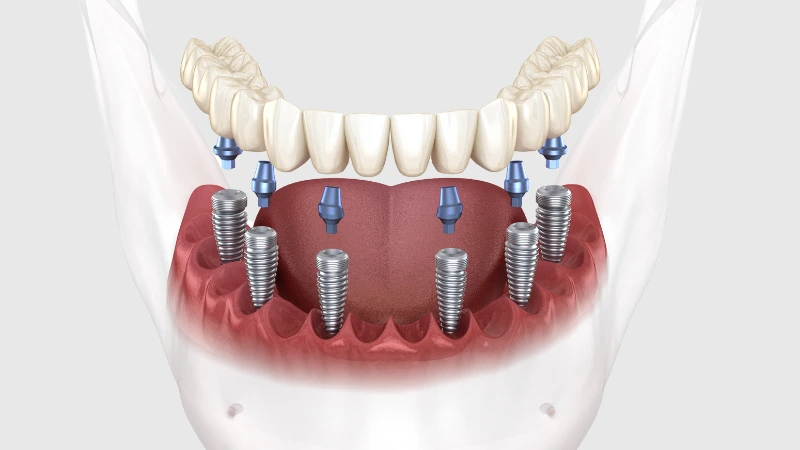
In adults, especially during lengthy procedures such as full jaw implant surgeries, procedures requiring bone grafts, or the extraction of impacted wisdom teeth, sedation is frequently preferred to ensure patient comfort.
What Dental Treatments Can Sedation Be Used For?
Sedation can be used as an ancillary method in almost all branches of dental practice. The main areas of use are as follows:
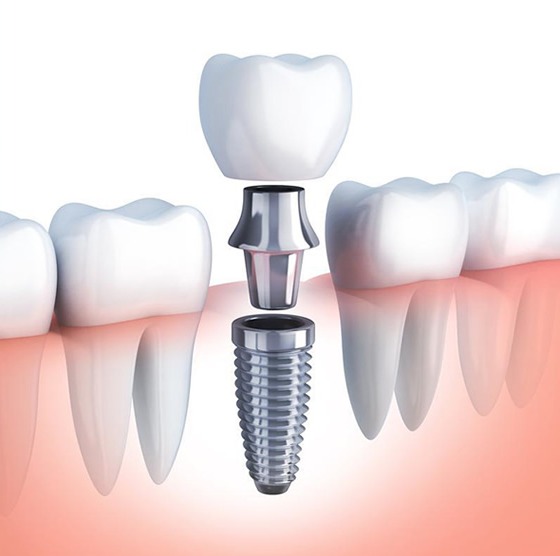
- • Implant and Jaw Surgery: Placement of single or multiple implants, sinus lifting, and bone graft operations.
- • Impacted Wisdom Tooth Extractions: Surgical removal of wisdom teeth that are impacted within the jawbone.
- • Endodontic and Restorative Procedures: Numerous fillings, root canal treatments, and tooth extraction procedures.
- ▪ Periodontal Treatments: Surgical procedures for advanced gum diseases and deep root cleanings.
What is the Difference Between Sedation Dentistry and General Anesthesia?
The key differences between the two medical methods are summarized in the table below:
| Comparison Criteria | Sedation | General Anesthesia |
|---|---|---|
| Level of Consciousness | Light/deep sleep state, responsive to commands. | Completely closed, unconscious state. |
| Respiratory Support | The patient takes their own spontaneous breaths (intubation is not required). | Connected to a ventilator (intubated). |
| Awakening and Discharge Process | Awakening is rapid; discharge can occur within 1-2 hours. | Recovery time is longer; hospital monitoring may be necessary. |
| Need for Local Anesthesia | Local anesthesia in the dental area is mandatory. | Since there is no pain perception, local anesthesia is dependent on the request. |
When Can One Return to Daily Life After Dental Treatment with Sedation?
After the procedure is completed, the patient is kept under observation in a resting room for about 30-60 minutes. Patients whose vital signs and reflexes return to normal are escorted home by an accompanying person.
It is recommended that patients spend the day of the procedure resting at home, as they might feel slight drowsiness for the first few hours. Starting from the next morning, individuals can return to their normal work and social activities.
What is the Role of the Anesthesia Specialist in Dental Treatment with Sedation?
In sedation dental treatments, the division of responsibilities is essential. While the dentist focuses entirely on the dental intervention, the anesthesia specialist monitors the patient’s general medical parameters. This situation is an element that increases the safety of the operation.
The anesthesiologist adjusts the level of anesthesia according to the dosage of the drug and activates agents to reverse the sedation effect if necessary.
Why is Sedation Preferred for Dental Treatment?
Sedation for dental treatment is preferred because it allows for the resolution of dental issues that have been postponed for years due to fear and anxiety. Due to these delays, increasing decay and bone loss can be treated progressively with this medical support.
Ensuring the psychological comfort of the patient, as well as providing the physician with a comfortable working environment to complete long procedures in a single session, are the main reasons for the preference of sedation methods.
Our Institutional Approach and Process Standards
In our Avrupadent centers in Izmir, the evaluations of our patients requiring sedation-assisted dental treatment are conducted with a multidisciplinary approach by our anesthesia and resuscitation specialists and dentists. The medical data obtained and treatment steps are shared with our patients transparently.
In all surgical and clinical procedures performed, strict adherence to infection control, sterilization, and patient safety standards is maintained in full compliance with national health regulations. Our primary goal is to ensure that our patients complete their oral and dental health treatments in a safe and transparent medical environment.
Dental Treatment with Sedation hakkında sıkça sorulan sorular ve cevapları
Sedasyon sırasında hasta bilinçli midir?
Dental sedasyon sırasında hastanın bilinç durumu kullanılan sedasyon türüne bağlıdır. Minimal sedasyonda hasta tamamen uyanık ve komutlara tepki verebilir. Orta sedasyonda, yani bilinçli sedasyonda hasta rahatlar ve uyuklayabilir, ancak yine de sözlü komutlara ve fiziksel uyarılara cevap verebilir. Derin sedasyonda hasta bilincinin tam farkında olmayabilir, ancak uyandırılabilir. Genel anestezi ise hastayı tamamen bilinçsiz bırakır, işlem sırasında hiçbir şey hatırlamaz ve tepki veremez. Sedasyon türü, işlemin karmaşıklığı ve hastanın kaygı düzeyine göre seçilir.
Sadece diş çekimi değil, implant gibi diğer tüm cerrahiler Sedasyon ile Diş Tedavisi altında yapılabilir mi?
Ağız içi dokuları kapsayan küçük kist operasyonlarından, yapay kök yerleştirilmesine kadar tüm majör diş hekimliği cerrahilerinde güvenle uygulanır.
Operasyon günü Sedasyon ile Diş Tedavisi için kliniğe gelirken hastanın tamamen aç olması şart mıdır?
Güvenli bir anestezi süreci için midenin tamamen boş olması hayati bir kuraldır, aksi takdirde mide içeriğinin solunum yoluna kaçma riski doğar.
Damar yolu açılırken sızı duyulmaması için Sedasyon ile Diş Tedavisi öncesi cilde uyuşturucu sprey sıkılır mı?
İğne girişini hiç hissetmek istemeyen çocuklarda veya hassas yetişkinlerde, damar yolunun açılacağı deriye önceden uyuşturucu sprey veya krem sürülebilir.
Uyanıldığında ağızda yapılan cerrahi işlemlerin Sedasyon ile Diş Tedavisi hastası tarafından hatırlanmaması normal midir?
İlaçların kısa süreli amnezi (hafıza silme) etkisi olduğundan, hastalar koltuğa oturduklarını hatırlar ancak iğneleri ve operasyonun hiçbir detayını hatırlamazlar.
Sıcak içeceklerden kaçınmak Sedasyon ile Diş Tedavisi ile yapılan cerrahi bölgelerde kanamayı önlemek için kritik midir?
Sıcak damarları anında genişleterek dikiş atılmış veya çekim yapılmış alanlarda sızıntı şeklindeki kanamaları tetikleyeceğinden, tüm gıdaların oda sıcaklığında olması kuraldır.
Çocuk hastaların korkularını yenmesi için Avrupadent İzmir kliniklerinde Sedasyon ile Diş Tedavisi öncesi pedagojik yaklaşımlar sergilenir mi?
Kliniğe ilk adım atan çocukların iğne veya önlük korkusu yaşamaması adına, uzman ekibimiz oyun terapileri ve empatik yaklaşımlarla süreci travmasız bir masala dönüştürür.
Sedasyon ile diş tedavisi sonrası iyileşme süreci nasıldır?
Sedasyonla yapılan diş tedavisinin iyileşme süreci, kullanılan sedasyon türüne göre değişir. Azot protoksit (gülme gazı) kullanıldığında, tedavi sonrası etkiler 5-10 dakika içinde kaybolur ve hastalar normal aktivitelerine hemen dönebilirler. Oral sedasyon uygulandıysa, uyuşukluk 2-8 saat sürebilir; bu dönemde dinlenmek ve araç kullanmaktan kaçınılması önerilir. IV sedasyon ise daha derin bir rahatlama sağlar ve halsizlik birkaç saat sürebilir; iyileşme sürecinde bir refakatçi bulundurmak önemlidir. Sedasyon sonrası yaygın yan etkiler arasında uyuşukluk, mide bulantısı, ağız kuruluğu ve koordinasyon problemleri bulunur, ancak bunlar genellikle birkaç saat içinde geçer. İyileşme sürecinde bol su içmek, hafif yemekler yemek ve ağır aktivitelerden en az 24 saat kaçınmak gerekir. Tedavi sonrası diş hekiminizin özel talimatlarına uymak, güvenli bir iyileşme süreci için önemlidir.
Hastanın Sedasyon ile Diş Tedavisi için uygun olup olmadığına kim karar verir?
Diş hekiminizin talebi üzerine, anestezi ve reanimasyon uzmanı hekimler tarafından yapılan konsültasyon ve muayene sonucunda kesin karar verilir.
Yetişkinlerde Sedasyon ile Diş Tedavisi öncesinde ortalama kaç saatlik bir açlık (oruç) süresi istenir?
Standart tıbbi protokollere göre, operasyon saatinden en az sekiz saat öncesinden itibaren hiçbir katı gıdanın tüketilmemesi (tam açlık) istenmektedir.
İlaç verildikten sonra Sedasyon ile Diş Tedavisi için hastanın uyku haline geçmesi kaç dakika sürer?
Damar yolundan ilaç verilmeye başlandıktan sadece birkaç saniye ile bir dakika arasında, hasta huzurlu ve derin bir gevşeme (uyku) evresine yumuşakça geçer.
İşlem sonrası ilk dakikalarda Sedasyon ile Diş Tedavisi hastasının kendini hafif sarhoş hissetmesi ilacın doğal bir etkisi midir?
İlacın kandan tam temizlenmesi biraz zaman alacağından, uyanıştan sonraki ilk yarım saatte hafif bir baş dönmesi veya sersemlik hissedilmesi son derece olağandır.
Pipet kullanarak sıvı tüketmek Sedasyon ile Diş Tedavisi dikişlerine vakum etkisiyle zarar verir mi?
İçecek çekerken oluşan güçlü emme basıncı yara içindeki taze mikro tıkaçları yerinden sökebileceği için ilk günlerde tüm sıvılar sadece bardaktan direkt içilmelidir.
Eve döndükten sonra Avrupadent İzmir hatları üzerinden Sedasyon ile Diş Tedavisi hekimlerine ağrı ve ilaç kullanımı için hızla ulaşılabilir mi?
Uyanış sersemliğiyle unutulan reçete detayları veya yaşanabilecek hafif kanamalar gibi durumlar için özel hasta destek hatlarımız üzerinden hekimlerimize anında danışabilirsiniz.
Sedasyon ile Diş Tedavisi diş hekimliğinde genel olarak neyi ifade etmektedir?
Hastanın bilinci tamamen kapatılmadan, anestezi uzmanı eşliğinde damar yolundan verilen ilaçlarla derin bir rahatlama ve uyku haline geçirilerek tedavilerin yapılması işlemidir.
Sadece göz muayenesiyle Sedasyon ile Diş Tedavisi planlaması kesin olarak yapılabilir mi?
Göz muayenesi diş planlamasını belirler ancak hastanın sistemik değerlerini, laboratuvar testlerini ve havayolu anatomisini değerlendirmeden onay verilmez.
Su tüketimi Sedasyon ile Diş Tedavisi öncesindeki açlık kurallarına dahil midir?
Berrak sıvıların (su gibi) tüketimi genellikle işlemden iki ile dört saat öncesine kadar kısıtlı miktarda serbesttir ancak son saatlerde sıvı alımı da tamamen kesilir.
Solunum cihazına bağlanmak Sedasyon ile Diş Tedavisi sürecinde gerekli midir yoksa hasta kendi mi nefes alır?
Genel anestezinin aksine boğaza solunum tüpü konulmaz, hasta tamamen kendi başına ve doğal bir şekilde nefes alıp vermeye devam eder.
Dinlenme odasında refakatçinin Sedasyon ile Diş Tedavisi hastasının yanına girmesine izin verilir mi?
Hastanın uyanırken kendini güvende hissetmesi için, yaşamsal bulgular stabil hale geldiğinde güvendiği refakatçisi hemen dinlenme odasına yanına alınır.
Alkol tüketimi Sedasyon ile Diş Tedavisi ilaçlarının vücuttan atılma sürecinde ilk yirmi dört saat tamamen yasak mıdır?
Anestezi ilaçlarının kalıntılarıyla alkolün karaciğerde birleşmesi tehlikeli yan etkiler yaratabileceğinden, işlem sonrası ilk 24 saat alkol tüketimi kesinlikle yasaktır.
Contact Us for Dental Treatment with Sedation in İzmir
Dental treatment with sedation is an approach aimed at alleviating patients' discomfort during the treatment process through various sedation methods. At AvrupaDent, this treatment is administered by dentists within the framework of a treatment plan suitable for the patient's oral and dental health. You can contact us for detailed information about the treatment process.İletişime Geçin
- Güncelleme tarihi:25 Sep 2026