What is Endodontics?
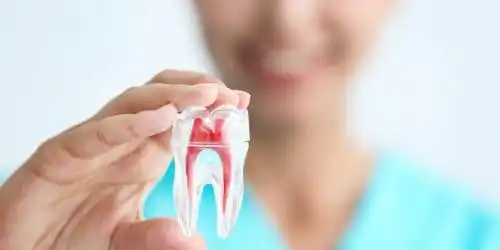
The structure of a tooth consists of layers called enamel, dentin, and pulp from the outside to the inside. The innermost pulp tissue is a living structure that provides nourishment and sensory perception during the tooth’s development. Endodontic interventions come into play when there is inflammation of the pulp tissue due to deep cavities, fractures, or trauma, or when it loses its vitality. The primary aim of this specialty is to clean inflamed or infected tissues and retain the tooth within the jawbone.
Endodontic treatments at Avrupadent clinics in the Izmir location begin with the examination of the tooth’s anatomical structure, the number and morphology of the root canals using digital imaging tools. The goal is to protect the tooth by removing the damaged pulp tissue and to maintain its chewing function.
Hangi Endodontics Hizmetine İhtiyacın Var?
When the pulp tissue that sustains the vitality of the tooth becomes infected, the body cannot heal it on its own. Endodontic treatment is a biological protection method applied to prevent the infection from spreading to the jawbone and to preserve the natural tooth structure in the mouth.
What Diseases Does Endodontics Treat?
Inflammatory reactions in pulp tissue can be classified as reversible or irreversible. While protective dental treatments can be applied at initial sensitivity levels, in cases where inflammation has deepened, root canals need to be cleaned. The main clinical conditions covered by the field of endodontics are as follows:
| Disease Type | Clinical Symptoms and Tissue Effects |
|---|---|
| Acute Pulpitis | Severe and prolonged toothaches triggered by hot and cold stimuli, which can wake one from sleep at night. |
| Chronic Periapical Periodontitis | Bone destruction at the root tip and the formation of inflammatory tissue after the loss of pulp vitality. |
| Periapical Abscess | The infection at the root of the tooth causes swelling, pus accumulation, and sensitivity to pressure. |
| Dental Traumas | A fracture occurs at the root of the tooth due to a blow, or the nerve and blood vessel bundle tears, leading to tooth necrosis (death of the tooth). |
How is Root Canal Treatment Performed?
The procedure is planned according to the doctor’s radiological examinations. In Avrupadent clinics, local anesthesia is initially applied to the relevant area. After the area is numbed, the tooth can be isolated from saliva and bacteria using a special rubber cover (rubber-dam). Access to the pulp chamber is achieved by entering through the upper part of the tooth.
Infected nerve and vascular tissues in the root canals are removed using special titanium rotary instruments. The canals are cleaned with disinfectant solutions (such as sodium hypochlorite) to eliminate bacteria. Depending on the state of inflammation, a temporary medical dressing may be placed inside the canal and left for a while, or canal filling can be done with biocompatible materials called gutta-percha in the same session, followed by completing the upper restoration.
- •
Local Anesthesia and Isolation: The area of the procedure is numbed, and a rubber dam is used to maintain a sterile environment. - •
Opening and Cleaning of the Access Cavity: Cleaning of the decay to expose the entrance of the root canals and extraction of the pulp. - •
Canal Shaping and Irrigation: The root canals are enlarged using rotary instruments and flushed with special solutions. - •
Canal Filling and Upper Restoration: The canals are filled with gutta-percha, followed by placement of a filling or crown.
When is Root Canal Treatment Necessary?Conditions Requiring Root Canal Treatment; these are clinical scenarios where the nerve layer of the tooth is affected, severe spontaneous pain occurs, inflammation has accumulated at the root tip, and the tooth has lost vitality due to trauma.The exposure of the tooth enamel or deep cavities allows bacteria to seep through the dentin channels into the pulp, initiating an inflammatory reaction. If not treated early, the inflammation progresses along the root canals and reaches the jawbone. The main conditions that necessitate treatment are as follows:
- Pain that begins in response to thermal (hot-cold) stimuli and lasts for minutes even after the stimulus is removed.
- Vertical pressure pain felt when chewing or lightly touching the tooth.
- Pimple-like inflammatory blisters appearing on the gum (fistula) and a bad taste/smell in the mouth.
- Grayish/dark discolorations resulting from impaired nourishment of the tooth after physical trauma.
- Chronic pulp inflammations developing over time in teeth that have been filled deeply or capped.
What are the Advantages of Endodontic Treatment?
The main advantage of endodontic treatment is that it eliminates the need for extraction by preserving the patient’s own natural tooth, maintains chewing forces, and prevents volumetric loss in the jawbone.The sensation and tissue compatibility provided by your own natural tooth has a biologically distinct value compared to prostheses or artificial replacements. When a tooth is extracted, the jawbone in that area begins to resorb over time, leading to shifting of adjacent teeth towards the created gap. When the tooth is preserved in its place through root canal treatment, these negative biomechanical processes can be avoided.
Additionally, the periodontal fibers surrounding the natural tooth root sense the pressure during chewing and transmit it to the brain. This mechanism supports chewing comfort.
Who is Root Canal Treatment Suitable For?
Root Canal Treatment; is a viable treatment option for adults and children with accessible root canals, provided that the surrounding periodontal tissues and bone support are favorable.In individuals with chronic systemic diseases (diabetes, hypertension, heart disease, etc.), root canal treatment can be performed with doctor consultation and necessary medical precautions. Age is not a barrier to root canal treatment; what matters is the biomechanical retention within the jawbone around the tooth.
For milk teeth or in young permanent teeth where root development is not yet complete, special endodontic methods (amputation or apexification) are preferred under the control of a specialist.
What Should Be Considered Before Root Canal Treatment?
Before treatment, the patient must inform the doctor of any existing ailments and medications they are taking, arrive slightly fed for the appointment, and if prescribed by the doctor, properly use antibiotics or pain relievers.It is recommended that the patient is not fasting regarding the effectiveness of anesthesia application and blood pressure balance during the procedure. In cases with severe acute inflammation and complications, the doctor may find it appropriate to use antibiotics to control the regional infection before the procedure. Self-medication should be avoided, and the doctor’s directions should be followed.
How Long Does Root Canal Treatment Take?
The duration of root canal treatment varies depending on the anatomical location of the tooth (front tooth or back molar), the number of root canals, and the extent of the infection. Treatment for vital teeth where the infection hasn’t spread beyond the root can usually be completed in a single session within approximately 45 to 60 minutes.
In cases where there is an abscess, cyst, or widespread inflammation at the root tip, disinfectant medications may need to be placed inside the canal, requiring a wait of 1-2 weeks. In such cases, treatment may take 2 or 3 sessions. In Avrupadent clinics, the intervals between sessions are planned according to the biological healing process of the patient.
What Should Be Considered After Root Canal Treatment?
Food should not be consumed until the effect of the local anesthesia wears off after treatment. During the period with temporary fillings, hard and crusty foods should not be chewed, and the prescribed medications by the doctor should not be missed.To prevent unintentional burning of the lips and tongue tissues during anesthesia, it is important not to eat until numbness completely goes away. If there is a temporary filling on the tooth between sessions, hard foods should not be chewed on that side to avoid breaking the filling.
Oral hygiene should be maintained, and the entire mouth, including treated teeth, should be gently brushed and dental floss should be used.
How Long Can a Tooth with Root Canal Treatment Last?
A tooth that is cleaned and filled according to the rules and is topped with a leak-proof restoration (filling or crown) can function for many years as long as oral hygiene is maintained.
Teeth that have undergone root canal treatment have no live nerve tissue, so their nutrition decreases and they may become drier and more fragile. Therefore, especially for molars with significant substance loss, aesthetic coverings (zirconium or porcelain) are applied to minimize the risk of breaking. Routine dental check-ups every 6 months are necessary to monitor the tooth’s condition.
What Factors Affect the Success of Root Canal Treatment?
The clinical improvement expected from the treatment depends on interconnected technical and biological factors. The main factors are as follows:
Factor Area Medical Impact and Importance Anatomical Structure The curvature of root canals, presence of blockages or additional canals. Disinfection Quality Ensuring that the canal irrigation solutions reach the root tip to remove all bacteria. Sealing Material (Obturacion) The root canals must be sealed in a 3D manner with biocompatible materials to prevent any gaps. Upper Restoration Overlays The upper filling or coating of the tooth must be adapted tightly to prevent micro-leakage.
Will There Be Pain After Root Canal Treatment?
After root canal treatment, depending on the biological healing process in the tissues surrounding the root tip, it is normal to experience mild sensitivity or pain when chewing for the first few days.During the procedure, while the root canals are cleaned mechanically and chemically, the periodontal fibers at the root tip may be slightly irritated. This is a temporary reaction. The process can be managed using simple pain relievers recommended by the physician.
However, if the pain becomes progressively worse instead of decreasing over time, or if it becomes severe or throbbing, it is recommended to consult a physician without delay.
What Are the Symptoms That Require Root Canal Treatment?
Some common warnings indicating the development of pulp inflammation that necessitate a visit to the clinic are as follows:
\t- A sharp stabbing sensation in the tooth during chewing or warmth.
\t
- A throbbing pain that begins when consuming a hot drink and does not subside for a long time.
\t
- Localized swelling appearing in the gums, lymph nodes, or face.
\t
- Darkening or graying observed in the color of the affected tooth.
\t
- Discharge of pus from the gum tissue around the tooth root.
What Is the Difference Between Root Canal Treatment and Tooth Extraction?While root canal treatment aims to preserve the tooth, which is an organ of the body, tooth extraction is a final procedure that completely removes the tooth from the jawbone, necessitating the filling of the resultant gap with prosthetics.The main medical differences between the two methods are as follows:
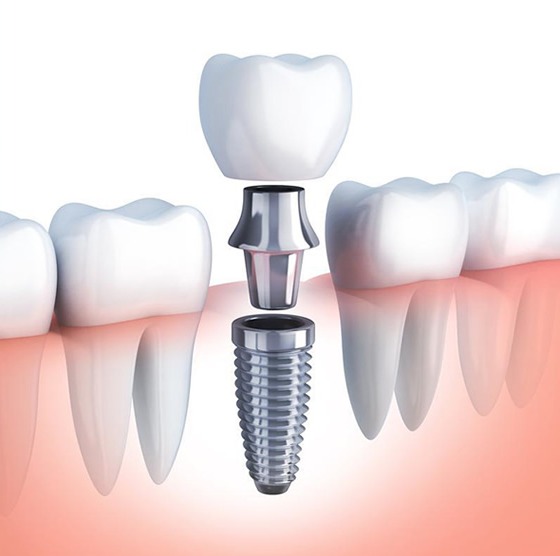
Comparison Canal Treatment Tooth Extraction Natural Tissue Perspective The natural tooth root and bone tissue are preserved. The tooth root is completely removed. Jawbone Volume Since chewing forces are transmitted to the bone, bone resorption is prevented. The bone tissue in the extraction site starts to resorb over time. Need for Additional Prosthesis Only filling or crown placement on the tooth is sufficient. An implant or bridge prosthesis is needed to fill the gap.
Which Technologies Are Used in Endodontic Treatment?
Advancements in medical technology allow for the millimetric analysis of root canals. The main technological equipment utilized in the field of endodontics includes the following:
- Apex Locator: Devices that electronically measure the apical finishing point of the root canal with millimetric precision.
- Rotary Instrument Systems (Endomotors): Motors that shape canals into their anatomical form with flexible nickel-titanium files.
- Digital Radiovisiography (RVG): Sensors that instantly transfer intra-canal images to the computer screen with low radiation.
- Ultrasonic Irrigation Devices: Systems that vibrate disinfectant solutions to reach micro cavities in the root canal.
What to Do If Root Canal Treatment Fails?
If complaints persist after root canal treatment or if the inflammation at the root tip does not resolve, the treatment is first repeated (retreatment); if this method is insufficient, apical resection (root end surgery) is considered.The discovery of an additional canal that was overlooked, leakage from under the filling, or insufficient sterilization of the root canal may necessitate the renewal of the treatment. In the retreatment procedure, the old filling is removed, the canals are cleaned again, and the treatment is repeated.
If the problem originates from a cyst at the root tip, a small incision in the gum can be made to remove the inflamed tissue along with the root tip (apical resection).
Can Root Canal Treatment Be Repeated?
Yes, it is possible to perform a procedure again on a tooth that has previously undergone root canal treatment. In medical literature, this application is referred to as “retreatment,” where the top filling of the tooth and the old filling materials in the root canals are removed with the help of special removal instruments.
After cleaning the canals, disinfectant dressings are placed inside. Once the inflammatory condition is under control, the root canals are refilled. This aims to prevent the extraction of the tooth.
Is Endodontic Treatment Safe?Endodontic treatments are safe dental practices conducted with sterilized medical instruments, biocompatible filling materials, and internationally accepted clinical protocols.The gutta-percha and canal sealers used during the procedure are biocompatible materials that do not react with human tissues. Additionally, the use of rubber-dam helps ensure the safety of the procedure by preventing the irrigation solutions from entering the patient’s throat.
How to Protect a Tooth After Root Canal Treatment?
To protect teeth that have undergone root canal treatment from breaking, the following steps should be observed:
\t- • Appropriate Upper Restoration: For teeth with significant substance loss, zirconium or porcelain crowns should be preferred instead of fillings.
- ♦ Measures Against Teeth Grinding: Use of a night guard to relieve vertical forces applied to the teeth for patients with bruxism (teeth grinding) complaints.
- ♦ Avoiding Hard Objects: Avoid biting down on shellfish or foods like nuts/walnuts directly on treated teeth.
- ♦ Oral Hygiene: Preventing secondary caries through brushing twice a day and using an interdental brush/floss.
Our Corporate Approach and Process Standards
In our Avrupadent Izmir centers, the assessments of our patients requiring endodontics and root canal treatment are conducted in conjunction with digital radiology (RVG, panoramic, tomography) and electronic apex locator devices. All obtained medical data and the treatment steps to be applied are evaluated with our patients in a clear, understandable, and transparent manner.
In all clinical procedures applied, infection control, sterilization, and patient safety standards are carefully maintained in full compliance with national health regulations. Our primary aim is to ensure that our patients complete their oral and dental health treatments in a safe and transparent medical environment.
Endodontics hakkında sıkça sorulan sorular ve cevapları
Gece uykudan uyandıran şiddetli ve zonklayıcı diş ağrıları Endodonti ihtiyacına işaret eder mi?
Özellikle gece yatay pozisyona geçildiğinde baş bölgesindeki kan basıncının artmasıyla başlayan zonklamalar, sinirin iltihaplandığının en klasik belirtisidir.
Hekim muayenesi olmadan rastgele antibiyotik kullanmak Endodonti teşhisini zorlaştırır mı?
Gelişigüzel ilaç kullanımı enfeksiyonun asıl odağını maskeleyeceğinden ve direnç oluşturacağından, muayene olmadan ilaç kullanılması kesinlikle hatalıdır.
Lastik örtü (rubber dam) kullanımı Endodonti esnasında dişi tükürükten izole etmek için neden zorunludur?
Dişi bakteri dolu tükürükten tamamen yalıtarak %100 steril bir alan yaratır ve kimyasal kanal yıkama sıvılarının hastanın boğazına kaçmasını mutlak suretle engeller.
Geçici dolgu ile beklenen süreçte Endodonti yapılan bölgedeki geçici dolgudan ufak kumsu parçalar dökülmesi normal midir?
Yüzeyden kum gibi minik akrilik parçaların tükürükle aşınarak ufalanması normaldir; dolgu merkezinden tamamen düşmediği sürece kanalların sızdırmazlığı güvendedir.
Çiğneme işleminin Endodonti yapılmayan karşı çene tarafıyla gerçekleştirilmesi işlem gören dişi korur mu?
Tedavi alanını fiziksel baskılardan korumak ve geçici dolgunun çökmesini engellemek amacıyla, seans aralarında yemeklerin diğer sağlam tarafla çiğnenmesi oldukça uygundur.
İklimlendirmeli Avrupadent İzmir odalarında yaz aylarında uzun süren Endodonti seanslarına katılmak hasta konforunu artırır mı?
Dışarısı ne kadar sıcak olursa olsun, klinik ortamlarımız serin ve optimum medikal ısıya ayarlı olduğundan koltukta ağzınız açık geçirdiğiniz süreyi son derece dinlendirici hale getirir.
Endodonti diş hekimliğinde tam olarak neyi ifade etmektedir?
Dişin içindeki damar ve sinir paketinin (pulpa) hastalandığı veya canlılığını yitirdiği durumlarda, kök kanallarının temizlenip dezenfekte edilerek doldurulması işlemidir.
Sıcak veya soğuk içeceklerde uzun süre geçmeyen sızlamalar Endodonti teşhisini gerektirir mi?
Uyaran (sıcak/soğuk) ortadan kalktıktan sonra bile ağrı dakikalarca devam ediyorsa, sinir dokusu geri dönüşümsüz olarak hasar görmüş demektir ve tedavi şarttır.
Kliniğe gelirken hastanın tok karnına olması Endodonti sürecinde konforu artırır mı?
İşlem sonrasında dudak uyuşukluğu geçene kadar vài saat yemek yenilemeyeceğinden, kan şekeri seviyesinin düşmemesi adına hafif tok gelinmesi çok önemlidir.
Dişin sinirlerine ulaşmak için Endodonti işlemi sırasında çürük dokular motorlu aletlerle nasıl temizlenir?
Yüksek hızda dönen pürüzsüz frez uçlarıyla üstteki siyahlaşmış çürük mine tabakası aşındırılarak temizlenir ve kök kanallarına giden ince tünellerin girişleri açılır.
Dudak uyuşukluğu Endodonti bittikten genellikle kaç saat sonra tamamen ortadan kalkar?
Kullanılan lokal anestezik solüsyonun oranına ve dozuna bağlı olarak işlemden sonraki iki ile dört saat arasında tüm hisler tamamen yerine gelerek dudak çözülür.
Asıl kalıcı dolgu veya kaplama yapıldıktan sonra Endodonti beslenme kısıtlamaları tamamen ortadan kalkar mı?
Kalıcı üst yapı başarıyla bitirildikten sonra yumuşak diyet ve tek tarafı kullanma gerekliliği biter; kişi artık normal dişlerindeki gibi güvenli öğütme işlemlerine geri döner.
Avrupadent İzmir’in ferah bekleme alanları Endodonti için koltuğa oturacak hastanın klinik kaygısını yatıştırmaya uygun mudur?
Dinlendirici dekorasyonumuz, sakin ortamımız ve sizi kapıda karşılayan empatik ekibimiz sayesinde diş hekimliği stresinizi geride bırakarak rahatça koltuğa yerleşirsiniz.
Hangi diş hasarlarında Endodonti tedavisi mecburi bir tıbbi gerekliliktir?
Çürüğün mine ve dentin tabakalarını aşarak sinir odasına ulaştığı, şiddetli enfeksiyon ve iltihaba yol açtığı tüm derin doku kayıplarında mecburi bir gerekliliktir.
İlgili dişin üzerine baskı uygulandığında hissedilen ağrı Endodonti için bir uyarı mıdır?
Çiğneme sırasında veya dişe dokunulduğunda hissedilen hassasiyet, iltihabın dişin içinden çıkıp kök dışındaki kemik zarlarına yayıldığını gösteren net bir uyarıdır.
İğne hassasiyeti olanlarda Endodonti işlemi öncesinde uyuşturucu yüzey spreyleri kullanılır mı?
İğne giriş bölgesinin yüzeyini hissizleştirmek adına kullanılan meyve aromalı tıbbi spreyler, sürecin başlangıcını psikolojik olarak son derece konforlu hale getirir.
Kök kanallarının uzunluğunu milimetrik olarak ölçen elektronik cihazlar Endodonti işleminde kullanılır mı?
Apeks bulucu (apex locator) adlı bu cihazlar, kök ucunun bittiği sınırı radyasyonsuz ve sıfır hatayla ölçerek kanalın nereye kadar temizleneceğini kesinleştirir.
İşlem bölgesindeki diş etine dil ile sürekli dokunmak Endodonti sonrası doku iyileşmesini olumsuz etkiler mi?
Dilin mekanik sürtünmesi dişi oynatarak kök ucundaki yeni iyileşen bağ dokularını ve pıhtıyı gereceğinden, o bölgenin hareketsiz bırakılması süreci hızlandırır.
İş veya okul hayatına dönüş Endodonti operasyonundan kalktıktan hemen sonra fiziksel olarak mümkün müdür?
Herhangi bir açık cerrahi yara veya yüzde estetik bir kısıtlılık oluşturmayan kapalı bir operasyon olduğu için koltuktan kalktıktan hemen sonra rutin işlerinize dönebilirsiniz.
Eve döndükten sonra Avrupadent İzmir hatları üzerinden Endodonti hekimlerine ağrı ve ilaç kuralları için hızla ulaşılabilir mi?
Yeni pansumanınıza adaptasyon sürecinde sızlama kontrolü veya antibiyotik kullanımıyla ilgili aklınıza takılan ufak detaylar için özel destek hatlarımızdan anında danışabilirsiniz.
Contact Us for Endodontics in Izmir
Endodontics is a field of treatment that involves the management of infections or inflammation inside the tooth canal, aiming to preserve the tooth in the mouth. At AvrupaDent, this treatment is performed by dentists within the framework of a treatment plan suitable for the patient's oral and dental health. You can reach out to us for detailed information about the treatment process.
İletişime Geçin
Contact Us
Avrupadent
-
Güncelleme tarihi:25 Sep 2026
The exposure of the tooth enamel or deep cavities allows bacteria to seep through the dentin channels into the pulp, initiating an inflammatory reaction. If not treated early, the inflammation progresses along the root canals and reaches the jawbone. The main conditions that necessitate treatment are as follows:
- Pain that begins in response to thermal (hot-cold) stimuli and lasts for minutes even after the stimulus is removed.
- Vertical pressure pain felt when chewing or lightly touching the tooth.
- Pimple-like inflammatory blisters appearing on the gum (fistula) and a bad taste/smell in the mouth.
- Grayish/dark discolorations resulting from impaired nourishment of the tooth after physical trauma.
- Chronic pulp inflammations developing over time in teeth that have been filled deeply or capped.
What are the Advantages of Endodontic Treatment?
The sensation and tissue compatibility provided by your own natural tooth has a biologically distinct value compared to prostheses or artificial replacements. When a tooth is extracted, the jawbone in that area begins to resorb over time, leading to shifting of adjacent teeth towards the created gap. When the tooth is preserved in its place through root canal treatment, these negative biomechanical processes can be avoided.
Additionally, the periodontal fibers surrounding the natural tooth root sense the pressure during chewing and transmit it to the brain. This mechanism supports chewing comfort.
Who is Root Canal Treatment Suitable For?
In individuals with chronic systemic diseases (diabetes, hypertension, heart disease, etc.), root canal treatment can be performed with doctor consultation and necessary medical precautions. Age is not a barrier to root canal treatment; what matters is the biomechanical retention within the jawbone around the tooth.
For milk teeth or in young permanent teeth where root development is not yet complete, special endodontic methods (amputation or apexification) are preferred under the control of a specialist.
What Should Be Considered Before Root Canal Treatment?
It is recommended that the patient is not fasting regarding the effectiveness of anesthesia application and blood pressure balance during the procedure. In cases with severe acute inflammation and complications, the doctor may find it appropriate to use antibiotics to control the regional infection before the procedure. Self-medication should be avoided, and the doctor’s directions should be followed.
How Long Does Root Canal Treatment Take?
The duration of root canal treatment varies depending on the anatomical location of the tooth (front tooth or back molar), the number of root canals, and the extent of the infection. Treatment for vital teeth where the infection hasn’t spread beyond the root can usually be completed in a single session within approximately 45 to 60 minutes.
In cases where there is an abscess, cyst, or widespread inflammation at the root tip, disinfectant medications may need to be placed inside the canal, requiring a wait of 1-2 weeks. In such cases, treatment may take 2 or 3 sessions. In Avrupadent clinics, the intervals between sessions are planned according to the biological healing process of the patient.
What Should Be Considered After Root Canal Treatment?
To prevent unintentional burning of the lips and tongue tissues during anesthesia, it is important not to eat until numbness completely goes away. If there is a temporary filling on the tooth between sessions, hard foods should not be chewed on that side to avoid breaking the filling.
Oral hygiene should be maintained, and the entire mouth, including treated teeth, should be gently brushed and dental floss should be used.
How Long Can a Tooth with Root Canal Treatment Last?
A tooth that is cleaned and filled according to the rules and is topped with a leak-proof restoration (filling or crown) can function for many years as long as oral hygiene is maintained.
Teeth that have undergone root canal treatment have no live nerve tissue, so their nutrition decreases and they may become drier and more fragile. Therefore, especially for molars with significant substance loss, aesthetic coverings (zirconium or porcelain) are applied to minimize the risk of breaking. Routine dental check-ups every 6 months are necessary to monitor the tooth’s condition.
What Factors Affect the Success of Root Canal Treatment?
The clinical improvement expected from the treatment depends on interconnected technical and biological factors. The main factors are as follows:
| Factor Area | Medical Impact and Importance |
|---|---|
| Anatomical Structure | The curvature of root canals, presence of blockages or additional canals. |
| Disinfection Quality | Ensuring that the canal irrigation solutions reach the root tip to remove all bacteria. |
| Sealing Material (Obturacion) | The root canals must be sealed in a 3D manner with biocompatible materials to prevent any gaps. |
| Upper Restoration Overlays | The upper filling or coating of the tooth must be adapted tightly to prevent micro-leakage. |
Will There Be Pain After Root Canal Treatment?
During the procedure, while the root canals are cleaned mechanically and chemically, the periodontal fibers at the root tip may be slightly irritated. This is a temporary reaction. The process can be managed using simple pain relievers recommended by the physician.
However, if the pain becomes progressively worse instead of decreasing over time, or if it becomes severe or throbbing, it is recommended to consult a physician without delay.
What Are the Symptoms That Require Root Canal Treatment?
Some common warnings indicating the development of pulp inflammation that necessitate a visit to the clinic are as follows:
-
\t
- A sharp stabbing sensation in the tooth during chewing or warmth.
- A throbbing pain that begins when consuming a hot drink and does not subside for a long time.
- Localized swelling appearing in the gums, lymph nodes, or face.
- Darkening or graying observed in the color of the affected tooth.
- Discharge of pus from the gum tissue around the tooth root.
\t
\t
\t
\t
What Is the Difference Between Root Canal Treatment and Tooth Extraction?While root canal treatment aims to preserve the tooth, which is an organ of the body, tooth extraction is a final procedure that completely removes the tooth from the jawbone, necessitating the filling of the resultant gap with prosthetics.The main medical differences between the two methods are as follows:
Comparison Canal Treatment Tooth Extraction Natural Tissue Perspective The natural tooth root and bone tissue are preserved. The tooth root is completely removed. Jawbone Volume Since chewing forces are transmitted to the bone, bone resorption is prevented. The bone tissue in the extraction site starts to resorb over time. Need for Additional Prosthesis Only filling or crown placement on the tooth is sufficient. An implant or bridge prosthesis is needed to fill the gap.
Which Technologies Are Used in Endodontic Treatment?
Advancements in medical technology allow for the millimetric analysis of root canals. The main technological equipment utilized in the field of endodontics includes the following:
- Apex Locator: Devices that electronically measure the apical finishing point of the root canal with millimetric precision.
- Rotary Instrument Systems (Endomotors): Motors that shape canals into their anatomical form with flexible nickel-titanium files.
- Digital Radiovisiography (RVG): Sensors that instantly transfer intra-canal images to the computer screen with low radiation.
- Ultrasonic Irrigation Devices: Systems that vibrate disinfectant solutions to reach micro cavities in the root canal.
What to Do If Root Canal Treatment Fails?
If complaints persist after root canal treatment or if the inflammation at the root tip does not resolve, the treatment is first repeated (retreatment); if this method is insufficient, apical resection (root end surgery) is considered.The discovery of an additional canal that was overlooked, leakage from under the filling, or insufficient sterilization of the root canal may necessitate the renewal of the treatment. In the retreatment procedure, the old filling is removed, the canals are cleaned again, and the treatment is repeated.
If the problem originates from a cyst at the root tip, a small incision in the gum can be made to remove the inflamed tissue along with the root tip (apical resection).
Can Root Canal Treatment Be Repeated?
Yes, it is possible to perform a procedure again on a tooth that has previously undergone root canal treatment. In medical literature, this application is referred to as “retreatment,” where the top filling of the tooth and the old filling materials in the root canals are removed with the help of special removal instruments.
After cleaning the canals, disinfectant dressings are placed inside. Once the inflammatory condition is under control, the root canals are refilled. This aims to prevent the extraction of the tooth.
Is Endodontic Treatment Safe?Endodontic treatments are safe dental practices conducted with sterilized medical instruments, biocompatible filling materials, and internationally accepted clinical protocols.The gutta-percha and canal sealers used during the procedure are biocompatible materials that do not react with human tissues. Additionally, the use of rubber-dam helps ensure the safety of the procedure by preventing the irrigation solutions from entering the patient’s throat.
How to Protect a Tooth After Root Canal Treatment?
To protect teeth that have undergone root canal treatment from breaking, the following steps should be observed:
\t- • Appropriate Upper Restoration: For teeth with significant substance loss, zirconium or porcelain crowns should be preferred instead of fillings.
- ♦ Measures Against Teeth Grinding: Use of a night guard to relieve vertical forces applied to the teeth for patients with bruxism (teeth grinding) complaints.
- ♦ Avoiding Hard Objects: Avoid biting down on shellfish or foods like nuts/walnuts directly on treated teeth.
- ♦ Oral Hygiene: Preventing secondary caries through brushing twice a day and using an interdental brush/floss.
Our Corporate Approach and Process Standards
In our Avrupadent Izmir centers, the assessments of our patients requiring endodontics and root canal treatment are conducted in conjunction with digital radiology (RVG, panoramic, tomography) and electronic apex locator devices. All obtained medical data and the treatment steps to be applied are evaluated with our patients in a clear, understandable, and transparent manner.
In all clinical procedures applied, infection control, sterilization, and patient safety standards are carefully maintained in full compliance with national health regulations. Our primary aim is to ensure that our patients complete their oral and dental health treatments in a safe and transparent medical environment.
Endodontics hakkında sıkça sorulan sorular ve cevapları
Gece uykudan uyandıran şiddetli ve zonklayıcı diş ağrıları Endodonti ihtiyacına işaret eder mi?
Özellikle gece yatay pozisyona geçildiğinde baş bölgesindeki kan basıncının artmasıyla başlayan zonklamalar, sinirin iltihaplandığının en klasik belirtisidir.
Hekim muayenesi olmadan rastgele antibiyotik kullanmak Endodonti teşhisini zorlaştırır mı?
Gelişigüzel ilaç kullanımı enfeksiyonun asıl odağını maskeleyeceğinden ve direnç oluşturacağından, muayene olmadan ilaç kullanılması kesinlikle hatalıdır.
Lastik örtü (rubber dam) kullanımı Endodonti esnasında dişi tükürükten izole etmek için neden zorunludur?
Dişi bakteri dolu tükürükten tamamen yalıtarak %100 steril bir alan yaratır ve kimyasal kanal yıkama sıvılarının hastanın boğazına kaçmasını mutlak suretle engeller.
Geçici dolgu ile beklenen süreçte Endodonti yapılan bölgedeki geçici dolgudan ufak kumsu parçalar dökülmesi normal midir?
Yüzeyden kum gibi minik akrilik parçaların tükürükle aşınarak ufalanması normaldir; dolgu merkezinden tamamen düşmediği sürece kanalların sızdırmazlığı güvendedir.
Çiğneme işleminin Endodonti yapılmayan karşı çene tarafıyla gerçekleştirilmesi işlem gören dişi korur mu?
Tedavi alanını fiziksel baskılardan korumak ve geçici dolgunun çökmesini engellemek amacıyla, seans aralarında yemeklerin diğer sağlam tarafla çiğnenmesi oldukça uygundur.
İklimlendirmeli Avrupadent İzmir odalarında yaz aylarında uzun süren Endodonti seanslarına katılmak hasta konforunu artırır mı?
Dışarısı ne kadar sıcak olursa olsun, klinik ortamlarımız serin ve optimum medikal ısıya ayarlı olduğundan koltukta ağzınız açık geçirdiğiniz süreyi son derece dinlendirici hale getirir.
Endodonti diş hekimliğinde tam olarak neyi ifade etmektedir?
Dişin içindeki damar ve sinir paketinin (pulpa) hastalandığı veya canlılığını yitirdiği durumlarda, kök kanallarının temizlenip dezenfekte edilerek doldurulması işlemidir.
Sıcak veya soğuk içeceklerde uzun süre geçmeyen sızlamalar Endodonti teşhisini gerektirir mi?
Uyaran (sıcak/soğuk) ortadan kalktıktan sonra bile ağrı dakikalarca devam ediyorsa, sinir dokusu geri dönüşümsüz olarak hasar görmüş demektir ve tedavi şarttır.
Kliniğe gelirken hastanın tok karnına olması Endodonti sürecinde konforu artırır mı?
İşlem sonrasında dudak uyuşukluğu geçene kadar vài saat yemek yenilemeyeceğinden, kan şekeri seviyesinin düşmemesi adına hafif tok gelinmesi çok önemlidir.
Dişin sinirlerine ulaşmak için Endodonti işlemi sırasında çürük dokular motorlu aletlerle nasıl temizlenir?
Yüksek hızda dönen pürüzsüz frez uçlarıyla üstteki siyahlaşmış çürük mine tabakası aşındırılarak temizlenir ve kök kanallarına giden ince tünellerin girişleri açılır.
Dudak uyuşukluğu Endodonti bittikten genellikle kaç saat sonra tamamen ortadan kalkar?
Kullanılan lokal anestezik solüsyonun oranına ve dozuna bağlı olarak işlemden sonraki iki ile dört saat arasında tüm hisler tamamen yerine gelerek dudak çözülür.
Asıl kalıcı dolgu veya kaplama yapıldıktan sonra Endodonti beslenme kısıtlamaları tamamen ortadan kalkar mı?
Kalıcı üst yapı başarıyla bitirildikten sonra yumuşak diyet ve tek tarafı kullanma gerekliliği biter; kişi artık normal dişlerindeki gibi güvenli öğütme işlemlerine geri döner.
Avrupadent İzmir’in ferah bekleme alanları Endodonti için koltuğa oturacak hastanın klinik kaygısını yatıştırmaya uygun mudur?
Dinlendirici dekorasyonumuz, sakin ortamımız ve sizi kapıda karşılayan empatik ekibimiz sayesinde diş hekimliği stresinizi geride bırakarak rahatça koltuğa yerleşirsiniz.
Hangi diş hasarlarında Endodonti tedavisi mecburi bir tıbbi gerekliliktir?
Çürüğün mine ve dentin tabakalarını aşarak sinir odasına ulaştığı, şiddetli enfeksiyon ve iltihaba yol açtığı tüm derin doku kayıplarında mecburi bir gerekliliktir.
İlgili dişin üzerine baskı uygulandığında hissedilen ağrı Endodonti için bir uyarı mıdır?
Çiğneme sırasında veya dişe dokunulduğunda hissedilen hassasiyet, iltihabın dişin içinden çıkıp kök dışındaki kemik zarlarına yayıldığını gösteren net bir uyarıdır.
İğne hassasiyeti olanlarda Endodonti işlemi öncesinde uyuşturucu yüzey spreyleri kullanılır mı?
İğne giriş bölgesinin yüzeyini hissizleştirmek adına kullanılan meyve aromalı tıbbi spreyler, sürecin başlangıcını psikolojik olarak son derece konforlu hale getirir.
Kök kanallarının uzunluğunu milimetrik olarak ölçen elektronik cihazlar Endodonti işleminde kullanılır mı?
Apeks bulucu (apex locator) adlı bu cihazlar, kök ucunun bittiği sınırı radyasyonsuz ve sıfır hatayla ölçerek kanalın nereye kadar temizleneceğini kesinleştirir.
İşlem bölgesindeki diş etine dil ile sürekli dokunmak Endodonti sonrası doku iyileşmesini olumsuz etkiler mi?
Dilin mekanik sürtünmesi dişi oynatarak kök ucundaki yeni iyileşen bağ dokularını ve pıhtıyı gereceğinden, o bölgenin hareketsiz bırakılması süreci hızlandırır.
İş veya okul hayatına dönüş Endodonti operasyonundan kalktıktan hemen sonra fiziksel olarak mümkün müdür?
Herhangi bir açık cerrahi yara veya yüzde estetik bir kısıtlılık oluşturmayan kapalı bir operasyon olduğu için koltuktan kalktıktan hemen sonra rutin işlerinize dönebilirsiniz.
Eve döndükten sonra Avrupadent İzmir hatları üzerinden Endodonti hekimlerine ağrı ve ilaç kuralları için hızla ulaşılabilir mi?
Yeni pansumanınıza adaptasyon sürecinde sızlama kontrolü veya antibiyotik kullanımıyla ilgili aklınıza takılan ufak detaylar için özel destek hatlarımızdan anında danışabilirsiniz.
Contact Us for Endodontics in Izmir
Endodontics is a field of treatment that involves the management of infections or inflammation inside the tooth canal, aiming to preserve the tooth in the mouth. At AvrupaDent, this treatment is performed by dentists within the framework of a treatment plan suitable for the patient's oral and dental health. You can reach out to us for detailed information about the treatment process.
İletişime Geçin
Contact Us
Avrupadent
-
Güncelleme tarihi:25 Sep 2026
The main medical differences between the two methods are as follows:
| Comparison | Canal Treatment | Tooth Extraction |
|---|---|---|
| Natural Tissue Perspective | The natural tooth root and bone tissue are preserved. | The tooth root is completely removed. |
| Jawbone Volume | Since chewing forces are transmitted to the bone, bone resorption is prevented. | The bone tissue in the extraction site starts to resorb over time. |
| Need for Additional Prosthesis | Only filling or crown placement on the tooth is sufficient. | An implant or bridge prosthesis is needed to fill the gap. |
Which Technologies Are Used in Endodontic Treatment?
Advancements in medical technology allow for the millimetric analysis of root canals. The main technological equipment utilized in the field of endodontics includes the following:
- Apex Locator: Devices that electronically measure the apical finishing point of the root canal with millimetric precision.
- Rotary Instrument Systems (Endomotors): Motors that shape canals into their anatomical form with flexible nickel-titanium files.
- Digital Radiovisiography (RVG): Sensors that instantly transfer intra-canal images to the computer screen with low radiation.
- Ultrasonic Irrigation Devices: Systems that vibrate disinfectant solutions to reach micro cavities in the root canal.
What to Do If Root Canal Treatment Fails?
The discovery of an additional canal that was overlooked, leakage from under the filling, or insufficient sterilization of the root canal may necessitate the renewal of the treatment. In the retreatment procedure, the old filling is removed, the canals are cleaned again, and the treatment is repeated.
If the problem originates from a cyst at the root tip, a small incision in the gum can be made to remove the inflamed tissue along with the root tip (apical resection).
Can Root Canal Treatment Be Repeated?
Yes, it is possible to perform a procedure again on a tooth that has previously undergone root canal treatment. In medical literature, this application is referred to as “retreatment,” where the top filling of the tooth and the old filling materials in the root canals are removed with the help of special removal instruments.
After cleaning the canals, disinfectant dressings are placed inside. Once the inflammatory condition is under control, the root canals are refilled. This aims to prevent the extraction of the tooth.
Is Endodontic Treatment Safe?Endodontic treatments are safe dental practices conducted with sterilized medical instruments, biocompatible filling materials, and internationally accepted clinical protocols.The gutta-percha and canal sealers used during the procedure are biocompatible materials that do not react with human tissues. Additionally, the use of rubber-dam helps ensure the safety of the procedure by preventing the irrigation solutions from entering the patient’s throat.
How to Protect a Tooth After Root Canal Treatment?
To protect teeth that have undergone root canal treatment from breaking, the following steps should be observed:
\t- • Appropriate Upper Restoration: For teeth with significant substance loss, zirconium or porcelain crowns should be preferred instead of fillings.
- ♦ Measures Against Teeth Grinding: Use of a night guard to relieve vertical forces applied to the teeth for patients with bruxism (teeth grinding) complaints.
- ♦ Avoiding Hard Objects: Avoid biting down on shellfish or foods like nuts/walnuts directly on treated teeth.
- ♦ Oral Hygiene: Preventing secondary caries through brushing twice a day and using an interdental brush/floss.
Our Corporate Approach and Process Standards
In our Avrupadent Izmir centers, the assessments of our patients requiring endodontics and root canal treatment are conducted in conjunction with digital radiology (RVG, panoramic, tomography) and electronic apex locator devices. All obtained medical data and the treatment steps to be applied are evaluated with our patients in a clear, understandable, and transparent manner.
In all clinical procedures applied, infection control, sterilization, and patient safety standards are carefully maintained in full compliance with national health regulations. Our primary aim is to ensure that our patients complete their oral and dental health treatments in a safe and transparent medical environment.
The gutta-percha and canal sealers used during the procedure are biocompatible materials that do not react with human tissues. Additionally, the use of rubber-dam helps ensure the safety of the procedure by preventing the irrigation solutions from entering the patient’s throat.
How to Protect a Tooth After Root Canal Treatment?
To protect teeth that have undergone root canal treatment from breaking, the following steps should be observed:
-
\t
- • Appropriate Upper Restoration: For teeth with significant substance loss, zirconium or porcelain crowns should be preferred instead of fillings.
- ♦ Measures Against Teeth Grinding: Use of a night guard to relieve vertical forces applied to the teeth for patients with bruxism (teeth grinding) complaints.
- ♦ Avoiding Hard Objects: Avoid biting down on shellfish or foods like nuts/walnuts directly on treated teeth.
- ♦ Oral Hygiene: Preventing secondary caries through brushing twice a day and using an interdental brush/floss.
Our Corporate Approach and Process Standards
In our Avrupadent Izmir centers, the assessments of our patients requiring endodontics and root canal treatment are conducted in conjunction with digital radiology (RVG, panoramic, tomography) and electronic apex locator devices. All obtained medical data and the treatment steps to be applied are evaluated with our patients in a clear, understandable, and transparent manner.
In all clinical procedures applied, infection control, sterilization, and patient safety standards are carefully maintained in full compliance with national health regulations. Our primary aim is to ensure that our patients complete their oral and dental health treatments in a safe and transparent medical environment.
Endodontics hakkında sıkça sorulan sorular ve cevapları
Gece uykudan uyandıran şiddetli ve zonklayıcı diş ağrıları Endodonti ihtiyacına işaret eder mi?
Özellikle gece yatay pozisyona geçildiğinde baş bölgesindeki kan basıncının artmasıyla başlayan zonklamalar, sinirin iltihaplandığının en klasik belirtisidir.
Hekim muayenesi olmadan rastgele antibiyotik kullanmak Endodonti teşhisini zorlaştırır mı?
Gelişigüzel ilaç kullanımı enfeksiyonun asıl odağını maskeleyeceğinden ve direnç oluşturacağından, muayene olmadan ilaç kullanılması kesinlikle hatalıdır.
Lastik örtü (rubber dam) kullanımı Endodonti esnasında dişi tükürükten izole etmek için neden zorunludur?
Dişi bakteri dolu tükürükten tamamen yalıtarak %100 steril bir alan yaratır ve kimyasal kanal yıkama sıvılarının hastanın boğazına kaçmasını mutlak suretle engeller.
Geçici dolgu ile beklenen süreçte Endodonti yapılan bölgedeki geçici dolgudan ufak kumsu parçalar dökülmesi normal midir?
Yüzeyden kum gibi minik akrilik parçaların tükürükle aşınarak ufalanması normaldir; dolgu merkezinden tamamen düşmediği sürece kanalların sızdırmazlığı güvendedir.
Çiğneme işleminin Endodonti yapılmayan karşı çene tarafıyla gerçekleştirilmesi işlem gören dişi korur mu?
Tedavi alanını fiziksel baskılardan korumak ve geçici dolgunun çökmesini engellemek amacıyla, seans aralarında yemeklerin diğer sağlam tarafla çiğnenmesi oldukça uygundur.
İklimlendirmeli Avrupadent İzmir odalarında yaz aylarında uzun süren Endodonti seanslarına katılmak hasta konforunu artırır mı?
Dışarısı ne kadar sıcak olursa olsun, klinik ortamlarımız serin ve optimum medikal ısıya ayarlı olduğundan koltukta ağzınız açık geçirdiğiniz süreyi son derece dinlendirici hale getirir.
Endodonti diş hekimliğinde tam olarak neyi ifade etmektedir?
Dişin içindeki damar ve sinir paketinin (pulpa) hastalandığı veya canlılığını yitirdiği durumlarda, kök kanallarının temizlenip dezenfekte edilerek doldurulması işlemidir.
Sıcak veya soğuk içeceklerde uzun süre geçmeyen sızlamalar Endodonti teşhisini gerektirir mi?
Uyaran (sıcak/soğuk) ortadan kalktıktan sonra bile ağrı dakikalarca devam ediyorsa, sinir dokusu geri dönüşümsüz olarak hasar görmüş demektir ve tedavi şarttır.
Kliniğe gelirken hastanın tok karnına olması Endodonti sürecinde konforu artırır mı?
İşlem sonrasında dudak uyuşukluğu geçene kadar vài saat yemek yenilemeyeceğinden, kan şekeri seviyesinin düşmemesi adına hafif tok gelinmesi çok önemlidir.
Dişin sinirlerine ulaşmak için Endodonti işlemi sırasında çürük dokular motorlu aletlerle nasıl temizlenir?
Yüksek hızda dönen pürüzsüz frez uçlarıyla üstteki siyahlaşmış çürük mine tabakası aşındırılarak temizlenir ve kök kanallarına giden ince tünellerin girişleri açılır.
Dudak uyuşukluğu Endodonti bittikten genellikle kaç saat sonra tamamen ortadan kalkar?
Kullanılan lokal anestezik solüsyonun oranına ve dozuna bağlı olarak işlemden sonraki iki ile dört saat arasında tüm hisler tamamen yerine gelerek dudak çözülür.
Asıl kalıcı dolgu veya kaplama yapıldıktan sonra Endodonti beslenme kısıtlamaları tamamen ortadan kalkar mı?
Kalıcı üst yapı başarıyla bitirildikten sonra yumuşak diyet ve tek tarafı kullanma gerekliliği biter; kişi artık normal dişlerindeki gibi güvenli öğütme işlemlerine geri döner.
Avrupadent İzmir’in ferah bekleme alanları Endodonti için koltuğa oturacak hastanın klinik kaygısını yatıştırmaya uygun mudur?
Dinlendirici dekorasyonumuz, sakin ortamımız ve sizi kapıda karşılayan empatik ekibimiz sayesinde diş hekimliği stresinizi geride bırakarak rahatça koltuğa yerleşirsiniz.
Hangi diş hasarlarında Endodonti tedavisi mecburi bir tıbbi gerekliliktir?
Çürüğün mine ve dentin tabakalarını aşarak sinir odasına ulaştığı, şiddetli enfeksiyon ve iltihaba yol açtığı tüm derin doku kayıplarında mecburi bir gerekliliktir.
İlgili dişin üzerine baskı uygulandığında hissedilen ağrı Endodonti için bir uyarı mıdır?
Çiğneme sırasında veya dişe dokunulduğunda hissedilen hassasiyet, iltihabın dişin içinden çıkıp kök dışındaki kemik zarlarına yayıldığını gösteren net bir uyarıdır.
İğne hassasiyeti olanlarda Endodonti işlemi öncesinde uyuşturucu yüzey spreyleri kullanılır mı?
İğne giriş bölgesinin yüzeyini hissizleştirmek adına kullanılan meyve aromalı tıbbi spreyler, sürecin başlangıcını psikolojik olarak son derece konforlu hale getirir.
Kök kanallarının uzunluğunu milimetrik olarak ölçen elektronik cihazlar Endodonti işleminde kullanılır mı?
Apeks bulucu (apex locator) adlı bu cihazlar, kök ucunun bittiği sınırı radyasyonsuz ve sıfır hatayla ölçerek kanalın nereye kadar temizleneceğini kesinleştirir.
İşlem bölgesindeki diş etine dil ile sürekli dokunmak Endodonti sonrası doku iyileşmesini olumsuz etkiler mi?
Dilin mekanik sürtünmesi dişi oynatarak kök ucundaki yeni iyileşen bağ dokularını ve pıhtıyı gereceğinden, o bölgenin hareketsiz bırakılması süreci hızlandırır.
İş veya okul hayatına dönüş Endodonti operasyonundan kalktıktan hemen sonra fiziksel olarak mümkün müdür?
Herhangi bir açık cerrahi yara veya yüzde estetik bir kısıtlılık oluşturmayan kapalı bir operasyon olduğu için koltuktan kalktıktan hemen sonra rutin işlerinize dönebilirsiniz.
Eve döndükten sonra Avrupadent İzmir hatları üzerinden Endodonti hekimlerine ağrı ve ilaç kuralları için hızla ulaşılabilir mi?
Yeni pansumanınıza adaptasyon sürecinde sızlama kontrolü veya antibiyotik kullanımıyla ilgili aklınıza takılan ufak detaylar için özel destek hatlarımızdan anında danışabilirsiniz.
Contact Us for Endodontics in Izmir
Endodontics is a field of treatment that involves the management of infections or inflammation inside the tooth canal, aiming to preserve the tooth in the mouth. At AvrupaDent, this treatment is performed by dentists within the framework of a treatment plan suitable for the patient's oral and dental health. You can reach out to us for detailed information about the treatment process.İletişime Geçin
- Güncelleme tarihi:25 Sep 2026