
What is Aesthetic Dentistry?
In the past years, dental practices primarily focused on cleaning decay and addressing tooth loss, whereas today biological compatibility and visual proportion are considered together. A person’s smile plays a crucial role in social communication and facial expression. This field addresses issues related to the color, shape, and alignment of teeth while considering aspects like lip structure, skin tone, and facial symmetry as a whole.
The aesthetic dentistry approaches offered in Avrupadent clinics in the Izmir region are considered not just as a visual change, but as a functional process that supports the health of the oral tissues. No visual application built on an unhealthy foundation can provide long-term preservation. Therefore, primarily dental and gum health is established, followed by the design of forms that are suitable for the individual’s facial anatomy.
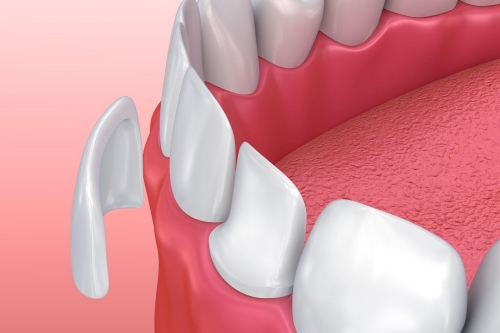
What Applications Does Aesthetic Dentistry Include?
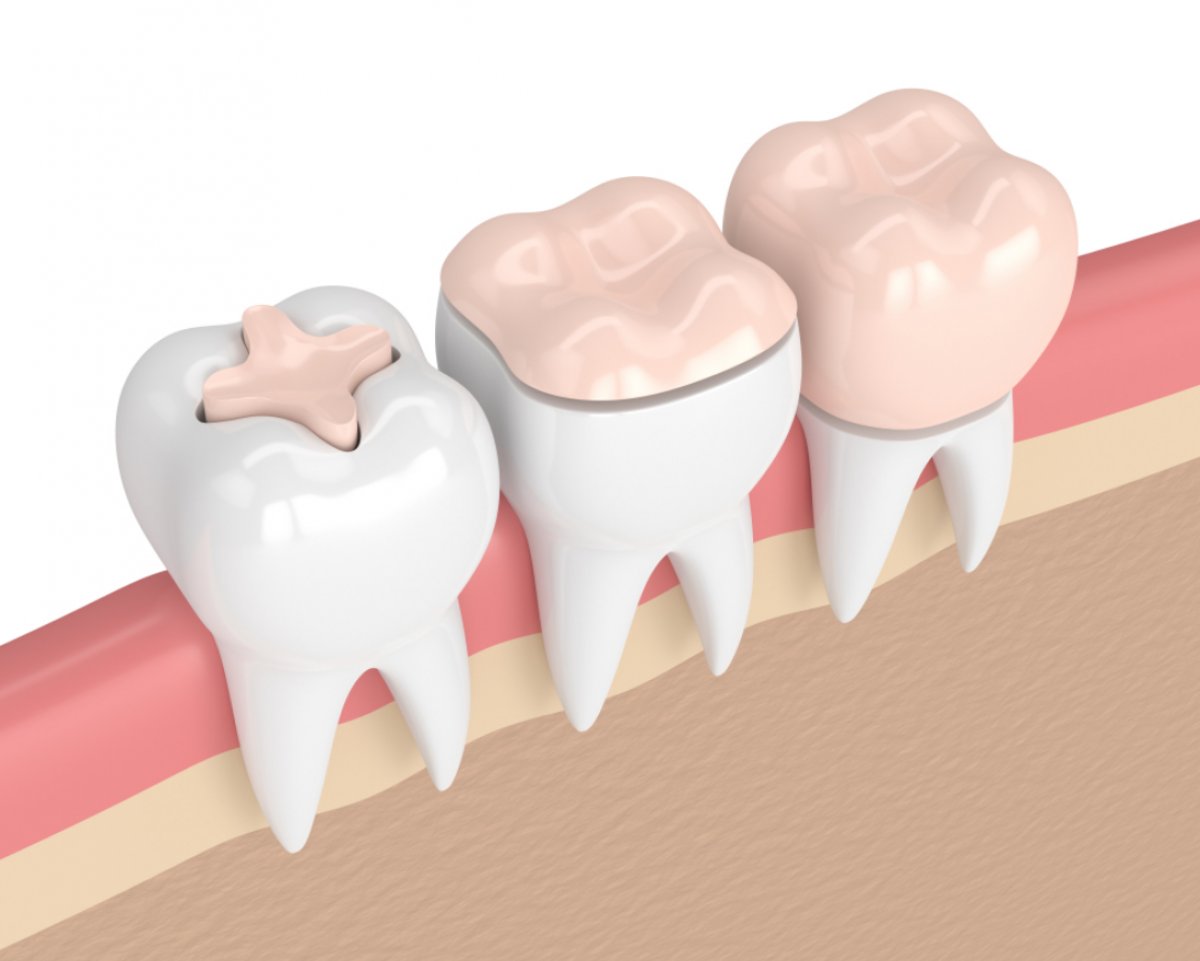
Since each individual’s oral structure and clinical need is different, aesthetic processes are not limited to a single procedure. Sometimes just lightening the color of the teeth is sufficient, while at other times balancing the levels of the gums and reshaping the tooth forms may be necessary. Frequently applied procedures include the following:
In Which Cases Can Aesthetic Dentistry Be Considered?
The relationship between the teeth and the lips during smiling, the ratios of the teeth to each other, and the amount of visibility of the gums determine aesthetic perception. Many visual problems that individuals feel uncomfortable about when looking in the mirror in their daily lives are subject to this field. Commonly encountered and intervention-planned situations in the clinic are as follows:
-
\t
- Deep tooth discolorations that cannot be resolved despite brushing or routine dental cleaning, related to medications used in childhood or genetic factors.
- Presence of gaps in the front teeth or observation of slight misalignments.
- Loss of shine in the enamel surface due to the consumption of tea, coffee, and tobacco products over time.
- Excessive display of gums in relation to the facial anatomy during smiling (gummy smile condition).
- Fractures occurring in the upper parts of the teeth due to trauma or structural thinning in the enamel layer associated with aging.
\t
\t
\t
How is Aesthetic Dentistry Planned?
The process at the Izmir Avrupadent centers begins with fully understanding the patient’s expectations and complaints. Aesthetic perception is a personal concept; therefore, understanding what the individual wants forms the basis of clinical planning. The patient’s photographs are taken with clinical equipment resembling a studio environment to determine the symmetry axes of the face.
Using the obtained photographs and digital scanning data from the mouth, a modeling is created through smile design software. This modeling allows for a preliminary fitting of a copy (mock-up) of the potential outcome to be placed in the patient’s mouth with temporary materials before any tooth cutting or procedures are performed. Once the person sees the change in their face in the mirror, the actual procedures are carried out.
Who Can Benefit from Aesthetic Dentistry?
To benefit from these applications, it is primarily expected that the person has healthy gums and a sound jawbone structure. If there are active ulcers in the patient’s mouth, severe dental calculus, or gum infections (periodontitis), addressing these health issues is a medical necessity before proceeding with aesthetic procedures.
Any individual who has completed their permanent tooth growth may be included in these processes. Especially those who work or socialize in communication-focused roles and avoid smiling due to structural differences in their teeth can consider suitable aesthetic alternatives under medical supervision.
How is an Evaluation Made Before Aesthetic Dentistry?
Aesthetic restorations should preserve structural integrity not only in static moments (such as when taking a photo) but also in functional moments like speaking, chewing, and smiling. Therefore, during the assessment phase, how the patient pronounces letters while speaking and how much their lips cover their teeth is examined.
At the same time, it is determined whether the person has a habit of teeth grinding or clenching (bruxism) during sleep. In individuals with teeth grinding problems, porcelain applications may carry a risk of fracture under this pressure, so the balance of excessive muscle activity in the jaw can be planned first. By checking with radiological examinations if there is any infection at the root tips, the health infrastructure is secured.
What Should Be Considered Before Aesthetic Dentistry Applications?
The clinical durability of the treatment is directly related to the hygiene quality in the mouth. Your doctor may recommend specific brushing techniques or the use of interdental threads for healthier and tighter gums before the procedure. Adhering to these guidelines is a fundamental requirement to ensure that the porcelain or composite materials to be used fit perfectly and healthily onto the gums.
Additionally, it is crucial to ground patient expectations on a realistic basis. It should be kept in mind that every form designed in digital environments or every tooth structure seen in catalogs may not suit the individual’s own facial anatomy and jaw dimensions. Consensual communication should remain within designs that respect anatomical boundaries.
How Are Aesthetic Dentistry Applications Carried Out?
The process varies depending on the chosen treatment material. For example, in composite bonding, which can be applied in a single session, the tooth surface is lightly polished, and the material matching the tooth color is hardened with light and immediately shaped by the dentist. There is no waiting time for any laboratory work.
However, in ceramic-based procedures such as porcelain veneers or zirconium crowns, millimeter adjustments (usually between 0.3 – 0.7 mm) are made to the tooth surface. The dimensions of this new shape are captured with digital scanners and sent to the dental laboratory. Temporary coverings are placed on the teeth to prevent the patient from experiencing sensitivity during the production process. Once laboratory production is completed, restorations are chemically and mechanically integrated to the tooth surface using special dental cements (adhesives).
Which Treatment Methods Are Used in Aesthetic Dentistry?
The foundation of the clinical approach is to preserve the natural structure of the tooth as much as possible while achieving the desired outcome. The treatment spectrum frequently referred to by Avrupadent physicians can be detailed as follows:
- • E-max / Glass Ceramic Crowns: These are methods that provide the highest visual adaptation, especially in the anterior region, with translucency closest to natural enamel and without any metal or hard zirconium in their structure.
- • Aesthetic Orthodontics with Clear Aligners: This is a straightening procedure performed with removable aligners for patients who want to correct misalignments in their teeth but do not find the appearance of metal wires aesthetic.
- ♦ Office Tooth Whitening: This method involves the use of special gels and UV/Laser lights under the supervision of a dentist in the clinic to break down the color pigments inside the tooth structure, lightening the color.
- ♦ Gum Depigmentation: The process of removing dark brown or purplish spots on the gums, which are caused by genetic factors or smoking, with the help of laser to restore a healthy pink color.
How Does the Aesthetic Dentistry Treatment Process Progress?
In the first step of the procedure, existing cavities are repaired, and the teeth are cleaned. Once the oral flora is balanced for health, prosthetic (crown/veneer) procedures are initiated. During the clinical preparation appointment, the area of the procedure is numbed under local anesthesia; thus, a process is managed where patient comfort is prioritized. After the teeth are prepared according to the planned shape, measurements are taken with 3D scanners.
The porcelain structures produced in the laboratory are tried in the patient’s mouth at the clinic. During this try-in, the shape, length, compatibility with the lips, and color of the tooth are presented to the patient’s aesthetic preferences. If there are minor adjustments requested by the patient or the dentist, they are revised in the laboratory before the restorations are permanently fabricated. Once all expectations are met, the treatment is concluded with the final fabrication process.
How Long Can Aesthetic Dental Procedures Last?
Single-session applications such as whitening (bleaching) or composite bonding are usually completed within 1-2 hours on the same day. However, in designs that require laboratory production such as porcelain veneers, e-max, or zirconium crowns, the laboratory preparation process affects the time frame after the measurement is taken.
If pink aesthetics (gum contouring) is also to be performed as part of the smile design, a waiting period is required for the gum to heal and regain its full form after cutting. In such combined approaches, the clinical process may extend over several weeks to ensure tissue adaptation.
What Should Be Considered After Aesthetic Dentistry?
Ceramic or composite materials structurally mimic human enamel tissue. Physical forces harmful to your natural teeth and that can lead to breakage (such as opening a bottle cap, cracking walnuts, biting nails, biting pens, etc.) are also a major risk factor for aesthetic restorations. Since the retention areas of porcelain veneers are specific, cutting forces (such as tearing very hard foods with the front teeth) should be applied carefully.
Additionally, coloring agents such as tea, coffee, or tobacco can cause discoloration over time at the junction points of the gums or in composite materials, even if they do not stain the porcelain structures themselves. Routine cleaning habits ensure the aesthetic appearance is maintained for many years.
Why is Control Examination Important After Aesthetic Procedures?
After any clinical procedure, the tooth and surrounding tissues attempt to adapt to the new situation. Accumulation of plaque at the edges of restorations is evaluated by the physician in 6-month periodic visits. In İzmir Avrupadent processes, not only the moment of the procedure’s completion is monitored, but also the long-term health status after tissue integration is closely followed.
Especially if numerous veneers or crowns have been placed on the teeth, the dynamics of the bite may have slightly changed. During control sessions, if excessive pressure on specific points is detected, minor polishing adjustments are made to protect the health of the temporomandibular joint (TMJ).
How Are Digital Technologies Used in Aesthetic Dentistry?
In traditional dentistry, measurements taken with impression materials and silicone are converted into 3D data format within seconds using optical cameras today. This digital data transfer minimizes measurement errors caused by material shrinkage, thereby enhancing the fit of restorations to the tooth (marginal adaptation).
CAD/CAM (Computer-Aided Design / Computer-Aided Manufacturing) systems used in clinical procedures reduce laboratory time while eliminating human error margins. The doctor creates a millimetric design on a digital screen by matching the patient’s facial photographs with scanner data; this way, the results can be anticipated from the beginning.
Can Aesthetic Dentistry Be Planned Together With Other Dental Treatments?
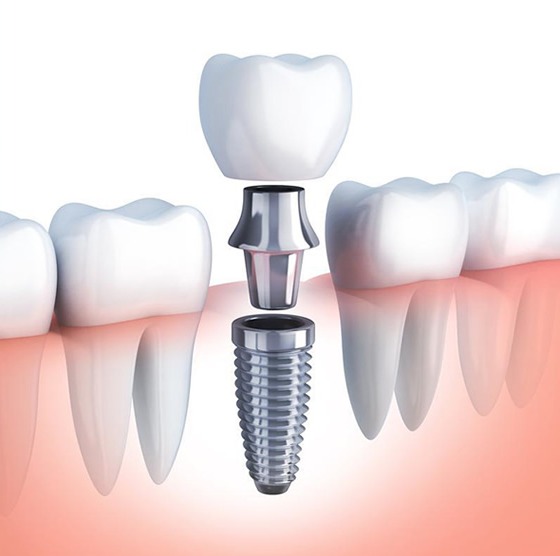
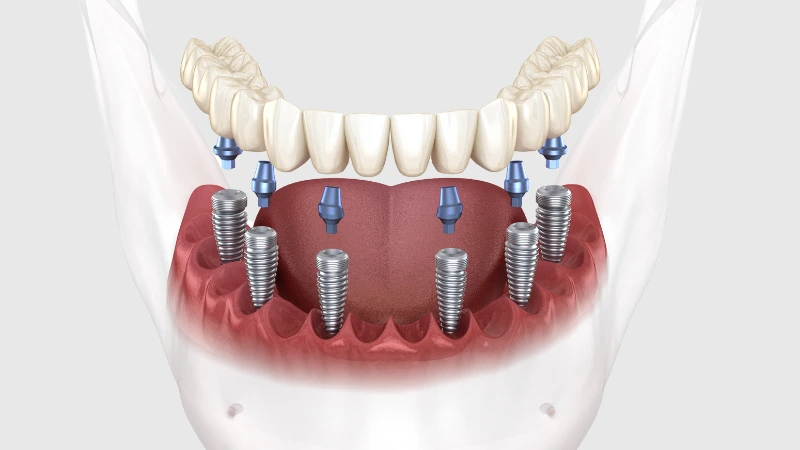
The mouth is a whole, and visual arrangements require a solid biological foundation. For example, in an individual with a missing tooth, a dental implant is primarily placed in the vacant area to restore root function; then, the upper part of the implant is covered with porcelain matching the aesthetic form of neighboring teeth, achieving wholeness.
Similarly, instead of cutting and covering the teeth directly in a patient with excessive dental wear, transparent aligners (orthodontics) can align the teeth to the correct axis, and then irregularities can be corrected with minimal interventions (bonding or laminates). This way, the natural tooth structure is preserved to the maximum extent.
Can Aesthetic Dentistry Applications Be Done at Any Age?
In individuals during puberty, the growth of the jawbone and the positioning of the gum tissue continue to vary. Permanent aesthetic prostheses (such as porcelain) made at this stage may lose their compatibility with the gum tissue due to significant bone growth. Therefore, it is expected that the growth phase is completed.
In older age groups, clinical observations of abrasions in enamel, gum retraction, and yellowing of teeth are common due to aging. Individuals in advanced age with healthy root support can have a functional chewing system with restorations planned according to the temporomandibular joint functions.
Why is Examination Important for Aesthetic Dentistry?
Although aesthetic dentistry applications are based on personal preferences, their feasibility depends on the physician’s medical decision. For example, in a patient wanting to close gaps between teeth (diastema), the issue may not solely be the gaps; habits like tongue thrusting or gum recession could contribute to the formation of these gaps. If this underlying cause is not identified during the examination phase and a procedure is performed directly, the restoration may fail shortly thereafter.
Radiological examination and physical contact during the examination reveal bone structure and the depths of gum pockets. When a correct clinical diagnosis map is drawn, the most suitable medical material that will balance the patient’s facial form and support their health is selected, guiding the process.
How is Aesthetic Dentistry Treatment Planned Specifically for Each Individual?
Each face has different characteristics; creating angular and sharp-edged teeth for a round face disrupts facial symmetry. Similarly, an upper tooth arrangement that runs parallel to the lower lip curvature provides the most aesthetically harmonious form. When planning, the physician considers the following biological parameters:
What Diagnostic Methods Are Used in Aesthetic Dentistry Applications?
Aesthetic processes require meticulous engineering and a blend of biology, much like an architectural project. Visual analyses alone do not reveal the details of bone structures. Comprehensive panoramic x-rays show the interocclusal relationships of all teeth and the position of the jaw joint (temporomandibular joint).
Video recordings can be taken to capture the movements of the lip and cheek muscles during speaking. These recordings provide the dentist with a reference regarding how much of the upper teeth should be visible when the lips are at rest. All of this data is combined to clarify the clinical diagnosis.