
What is the Fissure Sealant (Aşı) Application?
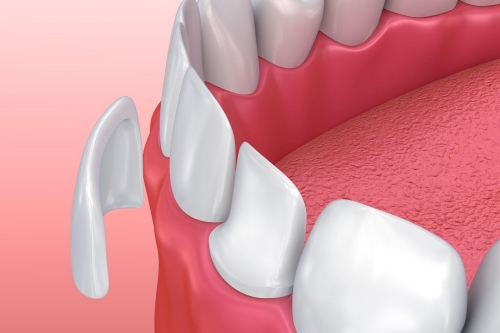
The back molars in human anatomy have a quite intricate and ridged structure composed of peaks and grooves to fulfill chewing functions. The fine crack-like grooves on these chewing surfaces are referred to as “fissures.” Food particles and bacteria from the oral flora can easily settle into these narrow grooves. No matter how diligently one brushes, the bristles of the toothbrush fail to reach the bottoms of these microscopic cracks. Over time, the acidic plaques that accumulate in these grooves pave the way for the weakening of enamel and the onset of the cavity formation process. The fissure sealant application, commonly known as “tooth filling” in the public, is based on the principle of sealing these fine cracks with a liquid resin layer before a decay cavity (hole) forms in the tooth.
In the Avrupadent clinics located in Izmir, preventive dentistry procedures are designed in a personalized manner, carefully examining the dental anatomies of both children and adults. The fissure sealant procedure is implemented without causing any loss of material in the tooth (without grinding the tooth), aiming to preserve the structural integrity of the enamel for many years. Since the chewing surface is smoothed, it becomes difficult for food to stick in these areas, and the brushing action of the toothbrush becomes much more efficient. This medical precaution carries clinical value in terms of preventing any restorative (filling) or endodontic (canal) repairs that may be needed in the future.
In Which Situations is Fissure Sealant Application Done?
For fissure sealants to be applied, there should be no active carious cavitation (hole) on the chewing surface of the relevant tooth. If caries has begun, filling materials are preferred instead of sealants. Therefore, the timing of the procedure is very important. The main situations where this protective shield is evaluated in clinical practice are as follows:
| Clinical Situation | Medical Necessity of the Procedure |
|---|---|
| Newly Erupted Permanent Molars | Protecting the delicate, immature enamel structure of the first and second permanent molars erupting at ages 6 and 12 from acids. |
| Deep Anatomical Grooves | Teeth with structural fissures that are very narrow and resemble the base of a wedge can be mechanically flattened and cleaned. |
| Insufficient Oral Hygiene Cases | Minimizing the risks associated with inadequate brushing of the back teeth in small children whose wrist motor development is not complete. |
| Individuals with Special Needs | Protecting oral tissue in individuals who cannot regularly maintain tooth brushing practices due to medical or mental conditions. |
Why is the Application of Fissure Sealants in Children Evaluated?
In society, the first permanent molars that erupt around the age of 6 (6-year molars) are generally perceived by parents as temporary teeth. Due to the belief that they will eventually fall out, these teeth may not receive adequate care. Additionally, children in this age group have high tendencies to consume snacks (sugary foods), and their tooth brushing motor skills are still developing. Sugar remnants that settle in the deep grooves of a newly erupted permanent tooth can lead to decay in a very short period (sometimes within months).
Fissure sealants serve as a protective barrier during this critical transitional period. As soon as they appear in the oral cavity (once the chewing surface is completely exposed), this flowable resin applied by the dentist prevents bacteria from penetrating the lower layers of the enamel through those deep grooves. This way, the child has the chance to preserve their permanent teeth, which they will use throughout their lives, without decay.
How is Fissure Sealant Application Performed?
The procedure is an extremely gentle medical process that does not require any anesthesia (needle) application and does not involve abrasive or piercing rotary instruments on the dental tissue. The dentist primarily removes any microscopic food particles that may have accumulated in the grooves of the tooth with a pumice (cleaning paste) and a rotary brush. Isolating the entire area from saliva is the most critical factor for chemically bonding (adhering) the fissure sealant to the tooth; therefore, cotton rolls and suction devices are used to keep the surrounding area dry.
After cleaning and drying the enamel surface, the “acid etching” process is performed to create tiny invisible pores. After the tooth is rinsed and dried again, the fluid resin (usually white or transparent in color) is slowly dripped into all deep grooves of the tooth using a fine-tipped injector. The material naturally flows into all the gaps, creating a smooth surface. In the final stage, a halogen or LED polymerization light is used to harden this liquid. The closure of the cavity (curing) is controlled, and then the procedure is completed.
Who Can Benefit from Fissure Sealant Application?
Contrary to popular belief, this medical barrier is not exclusively a treatment for children. Of course, its primary target audience comprises school-age children with newly erupted and immature teeth. This is because at these ages, the depths of fissures are much more pronounced and the enamel has not yet hardened enough with the minerals in saliva. However, in adults, if there are very narrow and hard-to-clean fissures on the chewing surfaces of the teeth, these areas can also be protected.
In adult patients, the use of certain systemic medications that reduce salivary flow or medical conditions that cause dry mouth (xerostomia), can weaken the acid buffering mechanisms in the mouth. Deep grooves that lack the buffering effect of saliva become much more prone to caries. In such individuals with an increased risk, the chewing surfaces can be sealed with fissure sealants, supported by a clinical approach to maintain the health of the oral flora.
How is an evaluation conducted prior to fissure sealant application?
The fundamental criterion for a successful fissure sealant application is that the surface where impermeability will be ensured must be completely healthy. If the dentist observes that the tip of the fine dental tool (probe) is inserted into the tooth grooves and finds a softened brown/black structure, it indicates that carious cavitation has started. Covering with a fissure sealant could lead to the hidden progression of decay by trapping bacteria inside, so the filling (restoration) procedure is also considered for these teeth.
Additionally, if there are only discolorations (stains) on the tooth and the enamel tissue maintains its hardness, the sealant procedure can be safely planned. The dentist also examines the level of recession (exposure) in the mouth. If part of the chewing surface is still beneath the gum line, the material cannot adhere to the tooth in a healthy manner due to being isolated from saliva and gum exudates. In this case, it may be planned to wait for a while for the tooth to fully erupt.
How is the fissure sealant application process planned?
At the Izmir Avrupadent branches, pediatric preventive processes are designed to align with the child’s developmental timeline. The planning generally intensifies during the age of 6, when permanent molars begin to erupt. As soon as all chewing surfaces of the molars visibly emerge from the gums, the dentist promptly includes this procedure in the program. If the first molars and second premolars erupt between the ages of 11-13, the planning is updated, and the newly erupted teeth are brought under protection.
The clinical comfort of the procedure is quite high and does not require anesthesia. Therefore, in a cooperative (compliant) child patient, fissure sealants can be applied to all four first molars in a single short session. If the child is younger and restless, to avoid compromising the quality of the procedure due to difficulties in maintaining proper isolation, the appointment is personalized such that one half of the procedure is done in the first session and the other half in a different session.
What Steps Are Followed in the Application of Fissure Sealant?
The clinical steps applied to ensure strong bonding of the material to the dental enamel are implemented in accordance with the liquid insulation principle, sequentially. The roadmap followed in a standard application is as follows:
- ✔ Mechanical Cleaning: The tooth chewing surface is cleaned of all food debris using polishing pastes (pumice) that do not contain fluoride and gentle rotating brushes.
- ✔ Isolation and Purification: The tooth is isolated from moisture using cotton rolls, and then acid gel is applied to open microscopic pores on the enamel surface and left for a specific time.
- ✔ Washing and Drying: The applied gel is washed thoroughly with plenty of water and completely dried until the enamel reaches a porous, white matte appearance using an air spray.
- • Material Application and Polymerization: The application of fluid fissure sealant resin into the cavities with a fine-tip applicator and its hardening with a LED device (blue light).
- • Occlusion Control: After the procedure, the patient should not bite down on their teeth. If there is a high point remaining in the material, it should be corrected with fine polishing discs.
What Should Be Considered Before the Fissure Sealant Application?
The clinical success of the procedure is directly related to how clean and dry the grooves on the surface of the teeth are. A thick layer of bacterial plaque on the teeth may cause the dentist to spend extra time on cleaning. Therefore, before visiting the clinic, it’s essential for the patient to carefully brush their teeth to remove any remaining food particles from the working area, which supports the purity of the procedure.
This application does not have a surgical aspect or require anesthesia (injection). The language used for the child when visiting the dentist should be quite positive; pedagogical suggestions such as “their teeth will be cleaned” and “a barrier will be made with special lighted toys for their teeth” should be given. Children who have their feelings of fear alleviated tend to remain more still in the chair. Staying still is the most critical factor for the dentist in terms of being able to keep the teeth dry and away from saliva (isolation).
What to Consider After the Fissure Sealant Application?
Fissure sealant application does not require a resting or waiting period that restricts the clinical presentation of the patient. Since anesthesia is not applied, there is no numbness in the lips and cheeks, and the patient can start consuming food right after leaving the clinic. However, this new thin layer added to the tooth surface may initially trigger a different sensation or smoothness in the patient’s tongue; this feeling will quickly disappear due to muscle adaptation.
Although medical materials adhere to the enamel pores with strong chemical bonds, they will be subjected to chewing pressures over time. Particularly, chewing ice, crushing hard candies, or constantly consuming dense, sticky foods like nougat can lead to the wear or displacement of this thin resin layer over time. To prevent damage to the protective wall of the tooth, it is strongly recommended to balance these eating habits.
Which Teeth Are Treated with Fissure Sealant?
The main area of application for this procedure is the posterior teeth (posterior molars) that have deep anatomical grooves suitable for food accumulation. The primary tooth groups that are protected in the clinic are as follows:
- Permanent Large Molars: These are the primary tooth group where this procedure is most commonly performed due to being the ones that endure the highest chewing load and having deep grooved chewing surfaces (occlusal areas) at ages 6 and 12.
- Premolar Teeth: These are the teeth that appear around the age of 10-12, located in front of the permanent molars, and are included in the protective chain due to their deep structural grooves.
- Milk Molars: Due to the enamel structure of milk teeth being more prone to decay, milk molars that have anatomically risky deep pits (usually around the age of 3-4) are treated with the approval of a pediatric dentist.
- Inner Surfaces of Incisors: Rarely, when developmental deep pits known as “foramen caecum” are found on the inner surfaces of the upper incisors (front teeth) facing the palate, these risky areas are sealed with material.
What is the Importance of Sealant Applications in Terms of Oral and Dental Health?
In the community, it is assumed that the prevention of cavity formation will be sufficient on its own; however, the fissures in the back molars sometimes narrow in what is anatomically called the “pulp bottom”. The thickness of the bristles cannot reach the bottom of this deep structure. Only bacteria feeding on food can penetrate inside; they begin to erode the enamel from the bottom in these unreachable, oxygen-free environments. The fissure sealant effectively covers this cavity like a shield, blocking its entrance.
In the philosophy of preventive dentistry, placing a filling in a tooth after a cavity (hole) has formed is not considered a success; the real success is to maintain that tooth in its natural state without drilling. These viscous materials provide complete protective medical isolation without the need to cut or shape the enamel. In the long term, this barrier reduces the patient’s risk of tooth loss to a minimum and prevents early extractions that could disrupt jaw development.
In Which Age Groups is the Fissure Sealant Application Evaluated?
The permanent eruption calendar is the key map that outlines the timing of these protective applications. In a child’s mouth below the age of six, the first large molar appears at the end of the primary molars, which is the tooth that is most often affected by chewing and simultaneously the first to be lost due to early decay. One of the primary pediatric dentistry objectives is to quickly seal this delicate structure when it first emerges into the oral environment (around the ages of 6-7).
By the time of adolescence, there are the same anatomical risks for the newly erupting premolars (small molars) and the 12-year molars (second large molars). Although the child’s dietary and brushing habits may change during these years, the need for structural protection remains. In adults, the grooves in the tooth enamel tend to smoothen over time (due to chewing and wear) and are not routinely maintained; however, this supportive protocol can certainly be applied to adults with deep fissures and those with a vulnerable flora sensitive to acid attacks, regardless of age limits.
How Long Can a Fissure Sealant Application Last?
Compared to restorative or surgical interventions in dentistry, fissure sealing is one of the medical procedures with the shortest (fastest) operational duration. Since steps like anesthesia injection or drilling a cavity in the tooth enamel are not performed, time is saved. The main time the dentist spends is drying the tooth surface with cotton rolls and isolating the child’s tongue.
If the patient (especially small children) can remain calm and keep their mouth open in the chair, sealing all four molars can take approximately 15-20 minutes in a single session. The dripping of the liquid material onto the tooth takes seconds, and then the hardening of the material with the special polymerization device (blue light) occurs in just 15-20 seconds per tooth.
How Should Oral Care Be Done After Fissure Sealing Application?
Fissure sealants effectively protect the chewing surfaces that are most susceptible to decay (occlusal) but do not cover the interproximal surfaces (side surfaces) of the teeth. This can lead to a misconception in the community that the tooth will never decay after this application. If a patient neglects to brush their teeth, plaque acids can begin to erode the enamel from the edge areas where the sealant is not present and from the adjacent walls where two teeth touch.
Therefore, supporting the applied medical sealant with an oral hygiene routine ensures the integrity of the treatment. In addition to brushing, dental floss (special handles for children) should definitely be integrated into the care process to prevent food debris trapped between the teeth from causing decay. Since fissure sealants reduce the surface tension of the enamel (flattening it), the bristles of the toothbrush can now easily and effectively remove residues on that surface.
How is the Fissure Sealant Application Addressed in Risk Assessment of Tooth Decay?
Dentists evaluate the “Caries Risk Factors” (caries-causing elements) while examining the mouth of each patient. Three elements are required for caries to form: bacteria, sugar (carbohydrate), and the sensitive anatomy of the tooth (along with the time factor). The doctor or parent may not be able to monitor the child’s sweet intake at all times (sugar factor) or completely eliminate the bacteria in the mouth. However, they can intervene in the anatomical structure of the tooth.
The fissure sealant eliminates the anatomical basis of this caries equation. When the very narrow canyons on the chewing surfaces are filled and closed with liquid resin, micro areas where bacteria can proliferate by producing acid deep within the tooth (which caries can’t reach) are eradicated. The self-cleaning capacity of the caries in the surface level increases. Thus, a tooth that was a potential candidate for caries (high-risk) before the procedure becomes safe and stable in the risk analysis after the application.
Why Are Controls Important After Fissure Sealant Application?The clinical importance of control examinations; monitoring whether the resin material on the surface exposed to tooth chewing forces and external factors breaks or remains intact over months/years, confirming the integrity of the sealant, and safely restoring areas where the material has eroded (been lost) with minor corrections.Fissure sealants adhere to the tooth through very strong chemical mechanisms and usually maintain their integrity for years. However, extraordinary pressures can occur during human chewing. Especially the consumption of hard, crunchy foods, the habit of teeth grinding (bruxism), or the continuous intake of very sticky foods can lead to wear or microscopic fractures at the edges of this thin resin layer.
If the material breaks off at a point and creates a new fissure there, bacteria can seep through that part and secretly cause tooth decay from underneath the material. To eliminate this risk, these surfaces are checked during periodic visits every 6 months (with a final examination). If a local wear or drop is detected, new material can be added to that area in seconds, updating the sealant completely without harming the tooth.
Can the placement of a fissure sealant be planned alongside other pediatric dental treatments?
Yes, multidisciplinary approaches are frequently integrated. The fissures in the child’s mouth can be successfully addressed simultaneously with fillings (restorations) made on existing primary teeth, the application of fluoride (varnish) that mineralizes enamel, or as part of a general protective package prepared for orthodontic treatment.Time efficiency in pedodontics and the effective use of the child’s clinical tolerance in the chair is essential. When a child comes to the clinic for treatment, a fissure sealant can be quickly applied to the permanent molars, which are still healthy after a filling or extraction performed under anesthesia (in the same session). Thus, the patient receives all necessary medical rehabilitation for their oral flora in one day, without needing a separate treatment appointment.
Additionally, this procedure is closely related to fluoride varnish applications. The dentist first fills the deep grooves of the back teeth with resin (fissure sealant), and then applies fluoride varnish to strengthen the delicate enamel on the front, back, and side surfaces of the teeth, creating a complete biological shield. These combined protocols support each other and are the gold standards for minimizing the decay rate in childhood.
How is Individual Assessment Done in Fissure Sealant Application?
Individualized design; involves programming which type of protective material will be selected for each tooth based on the millimetric depth of the fissures (indentations) in the tooth’s external anatomy, the color/composition density of the enamel, the frequency of the child’s dietary sugar intake, and the acid neutralization capacity of the pulp structure.Every person’s dental morphology has different characteristics. Some children’s molars have very flat and narrow peaks and grooves (tubercles and fissures), while others possess anatomical structures that are so thin, narrow, and long (shaped like a V), that even the tip of a needle could fit into them. A doctor may not feel the need to perform this application on a tooth with a compact structure, while it is marked as a medical necessity for a tooth with a very narrow canyon.
In the processes at Izmir Avrupadent, the risk of “decay for the child” also determines how the procedure will be directed. If the child’s diet is rich in sticky carbohydrates, not only the molars but sometimes even the small molars are planned to be covered with this material. Additionally, for hyperactive children (where isolation is difficult) who have a certain risk of contact with pulp or fluid, materials based on glass ionomer that are more tolerant to moisture are selected, and the clinical process is fully adapted according to the child’s behavior model.
Fissure sealants adhere to the tooth through very strong chemical mechanisms and usually maintain their integrity for years. However, extraordinary pressures can occur during human chewing. Especially the consumption of hard, crunchy foods, the habit of teeth grinding (bruxism), or the continuous intake of very sticky foods can lead to wear or microscopic fractures at the edges of this thin resin layer.
If the material breaks off at a point and creates a new fissure there, bacteria can seep through that part and secretly cause tooth decay from underneath the material. To eliminate this risk, these surfaces are checked during periodic visits every 6 months (with a final examination). If a local wear or drop is detected, new material can be added to that area in seconds, updating the sealant completely without harming the tooth.
Can the placement of a fissure sealant be planned alongside other pediatric dental treatments?
Time efficiency in pedodontics and the effective use of the child’s clinical tolerance in the chair is essential. When a child comes to the clinic for treatment, a fissure sealant can be quickly applied to the permanent molars, which are still healthy after a filling or extraction performed under anesthesia (in the same session). Thus, the patient receives all necessary medical rehabilitation for their oral flora in one day, without needing a separate treatment appointment.
Additionally, this procedure is closely related to fluoride varnish applications. The dentist first fills the deep grooves of the back teeth with resin (fissure sealant), and then applies fluoride varnish to strengthen the delicate enamel on the front, back, and side surfaces of the teeth, creating a complete biological shield. These combined protocols support each other and are the gold standards for minimizing the decay rate in childhood.
How is Individual Assessment Done in Fissure Sealant Application?
Every person’s dental morphology has different characteristics. Some children’s molars have very flat and narrow peaks and grooves (tubercles and fissures), while others possess anatomical structures that are so thin, narrow, and long (shaped like a V), that even the tip of a needle could fit into them. A doctor may not feel the need to perform this application on a tooth with a compact structure, while it is marked as a medical necessity for a tooth with a very narrow canyon.
In the processes at Izmir Avrupadent, the risk of “decay for the child” also determines how the procedure will be directed. If the child’s diet is rich in sticky carbohydrates, not only the molars but sometimes even the small molars are planned to be covered with this material. Additionally, for hyperactive children (where isolation is difficult) who have a certain risk of contact with pulp or fluid, materials based on glass ionomer that are more tolerant to moisture are selected, and the clinical process is fully adapted according to the child’s behavior model.
Fissure Sealant (Application) hakkında sıkça sorulan sorular ve cevapları
Kullanılan materyaller açısından Fissür Örtücü (Aşı) Uygulaması vücutla biyouyumlu mudur?
İşlemde kullanılan akışkan rezin (dolgu benzeri) materyaller, tıbbi standartlara uygun, toksik madde içermeyen ve dokularla tamamen biyouyumlu güvenilir malzemelerdir.
Hekim sadece sond (ince el aleti) muayenesiyle Fissür Örtücü (Aşı) Uygulaması uygunluğunu test edebilir mi?
Hekim ince ucuyla dişin oluklarında gezinerek aletin takılıp takılmadığına bakar; takılma hissi olukların çürümeye ne kadar yatkın olduğunu fiziksel olarak teşhis ettirir.
Fissür Örtücü (Aşı) Uygulaması esnasında kullanılacak fırça ve dolgu uçları steril paketinden işlem anında mı açılır?
Enfeksiyon riskine karşı tek kullanımlık uçlar, fırçalar ve aletler hastanın gözü önünde işlemin saniyesinde paketlerinden çıkarılarak steril şekilde kullanılır.
Yükseklik veya fazla madde tespit edilirse Fissür Örtücü (Aşı) Uygulaması seansının sonunda hekimce törpülenerek düzeltilir mi?
Karbon kağıdının boya bıraktığı yüksek kısımlar, hekim tarafından çok ince zımpara frezleriyle saniyeler içinde ve acısızca aşındırılarak dişin kapanışı eşitlenir.
Fırçalarken macunun yutulmaması Fissür Örtücü (Aşı) Uygulaması bakım rutininde çocuklara evde sıkıca tembihlenmeli midir?
Macunların kimyasal birikimini önlemek adına, fırçalama işlemi sonrasında ağızdaki florürlü köpüğün yutulmadan tükürülmesi ebeveyn kontrolünde mutlaka takip edilmelidir.
Rüzgarlı soğuk havalarda dışarıda nefes almak Fissür Örtücü (Aşı) Uygulaması yeni yapıldığında herhangi bir hassasiyet yaratır mı?
Dişlerin minesine çok büyük bir kesim yapılmadığı ve açık kanal bırakılmadığı için soğuk havalarda ağızdan nefes almak termal bir hassasiyete (sızlamaya) kesinlikle yol açmaz.
Flor uygulaması ile Fissür Örtücü (Aşı) Uygulaması aynı amaca mı hizmet eder?
İkisi de koruyucudur; ancak flor mineyi kimyasal olarak güçlendirirken, bu aşı uygulaması derin çukurları mekanik olarak kapatarak çürüğü engeller. İkisi birbirini tamamlar.
Ağız hijyeni çok yetersiz olan hastalarda Fissür Örtücü (Aşı) Uygulaması öncesi fırçalama eğitimi şart mıdır?
Koruyucu materyal sürülse bile dişin yan yüzeyleri çürümeye devam edeceği için, işlem öncesinde çocuğa ve aileye doğru fırçalama bilinci kazandırılması şarttır.
Hastaların rahat kıyafetler seçmesi Fissür Örtücü (Aşı) Uygulaması seansında çocuğun koltuk konforunu artırır mı?
Çok pratik bir işlem olsa da, boynunu sıkmayan ve terletmeyen kıyafetler içinde olması çocuğun koltuktaki fiziksel rahatlığını her zaman olumlu yönde destekler.
Bir diş için uygulanan Fissür Örtücü (Aşı) Uygulaması işlemi genellikle klinikte ortalama kaç dakika sürmektedir?
Dişin yıkanması, kurutulması, materyalin sürülmesi ve ışıkla dondurulması adımları tek bir diş için genellikle iki ile dört dakika gibi çok kısa bir sürede biter.
Rutin hekim kontrollerinde uygulanan diş taşı temizliği Fissür Örtücü (Aşı) Uygulaması materyallerini çizer veya döker mi?
Hekiminiz aletin titreşimli ucunu doğrudan reçine yüzeye değil, sadece tartarın bulunduğu mine ve diş eti kenarına yönlendireceğinden materyalde kopma yaşanmaz.
Uçak yolculuklarındaki basınç değişiklikleri tam bitmiş Fissür Örtücü (Aşı) Uygulaması dişlerinde herhangi bir ağrı hissi yaratır mı?
Malzeme dişin en üst yüzeyine sıkıca kilitlenmiş, içinde hava boşluğu barındırmayan katı bir yapı olduğu için kabin basıncındaki değişimlerden dolayı fiziksel bir sızlama yaşanmaz.
Kalıcı azı dişleri sürdüğünde Fissür Örtücü (Aşı) Uygulaması yapılması neden çok önemlidir?
Kalıcı azı dişleri ağza sürdüğünde mineleri henüz tam sertleşmemiştir ve olukları çok derindir; bu en zayıf dönemde çürümelerini engellemek için yapılması çok kritiktir.
Gelişimsel mine defekti (zayıflığı) olan dişlere Fissür Örtücü (Aşı) Uygulaması teşhis edilir mi?
Doğumsal olarak ince, sarımsı veya çabuk kırılan mineyle süren azı dişlerini çürük atağından hızla korumak için bu reçineli örtücüler mutlaka teşhis edilir.
Dişlerin yüzeyinin döner fırçalarla parlatılması (polisaj) Fissür Örtücü (Aşı) Uygulaması öncesi dişi hazırlar mı?
Hekimin minik fırçalar ve asitsiz patlarla çiğneme yüzeyindeki görünmez filmi yıkaması, malzemenin dişe mikron seviyesinde en güçlü şekilde kilitlenmesini sağlar.
Aynı gün içinde ağızdaki tüm azı dişlerine Fissür Örtücü (Aşı) Uygulaması yapılması tıbben mümkün ve yaygın mıdır?
Çocuğun ağzı açık tutma toleransına bağlı olarak, 4 veya 8 adet azı dişine aynı seansta arka arkaya uygulama yapılması son derece yaygın ve pratiktir.
Karbonat tozu ile fırçalamak Fissür Örtücü (Aşı) Uygulaması materyalinin pürüzsüzlüğünü zımparalayarak bozar mı?
Karbonatın aşındırıcı partikülleri pürüzsüz reçine yüzeyini mikroskobik olarak çizerek çay/kahve lekesi tutmasına yol açacağı için evde kullanılması tavsiye edilmez.
Kalp ritmini hızlandıran eforlu spor aktiviteleri Fissür Örtücü (Aşı) Uygulaması sonrasında herhangi bir kısıtlamaya tabi midir?
Kanama riski taşıyan cerrahi bir operasyon (çekim/dikiş) olmadığı için, koşu veya fitness dahil hiçbir efor gerektiren sportif faaliyete işlem sonrası kısıtlama getirilmez.
Fissür Örtücü (Aşı) Uygulaması dişin hangi yüzeylerine ağırlıklı olarak uygulanmaktadır?
Sadece besinlerin ezildiği ve bakterilerin en çok tutunduğu arka küçük azı ve büyük azı dişlerinin tepe (çiğneme) yüzeylerindeki derin oluklara uygulanır.
Dişlerinde şiddetli sızlama şikayeti olan bir dişe doğrudan Fissür Örtücü (Aşı) Uygulaması yapılır mı?
Sızlama, çürüğün minede ilerleyip dentine veya sinire yaklaştığının belirtisidir; bu derinlikteki bir dişe koruyucu örtücü yapılamaz, direkt dolguya geçilir.
Contact Us for the Fissure Sealant (Aşı) Application in İzmir
The Fissure Sealant (Aşı) Application is a treatment method aimed at preventing decay by sealing the grooves and depressions on the chewing surfaces of back teeth with a protective material. At AvrupaDent, this treatment is carried out by dentists within the framework of a treatment plan suitable for the patient's oral and dental health. You can contact us for detailed information about the treatment process.İletişime Geçin
- Güncelleme tarihi:25 Sep 2026