
What are Repaired Dental Restorations?
Although teeth are structurally covered with the hardest enamel tissue in the human body, they can experience volumetric loss over the years due to mechanical and chemical attacks. The flattening of the chewing surfaces of the teeth and the shortening of their heights not only disrupt the aesthetics of a smile; they also cause a reduction in the vertical distance between the upper and lower jaws (the occlusal height). This loss of vertical dimension increases the load on the jaw joint (temporomandibular joint), leading to joint discomfort, head-neck pain, and the appearance of a sunken, aged facial expression. Restorative dentistry aims to rehabilitate the oral system by reconstructing this critical distance that has been lost.
In the Avrupadent clinics located in Izmir, these restorative processes are carried out with an integrated vision that is based on the patient’s jaw dynamics and facial proportions. The main philosophy of the applications is to preserve the existing healthy tissue remaining in the tooth with minimal intervention (minimal invasive) principle, and to integrate the missing parts with composite resins or laboratory-produced ceramics. Through these medical repairs, the wear process of the teeth is brought under control, providing the patient with functional chewing comfort and restoring an aesthetic facial profile.
What Causes Tooth Wear?Causes of Tooth Abrasion; It occurs due to mechanical wear (attrition) caused by the rubbing of teeth against each other, chemical erosions (erosion) resulting from the consumption of acidic food or the stomach acid reaching the mouth, and tissue loss related to external factors such as hard brushing or the use of foreign objects (abrasion).
In clinical practice, tooth abrasion is usually not linked to a single cause; it is often the result of a complex process where mechanical and chemical factors support each other. For instance, the softening of enamel caused by acidic beverages, when combined with subsequent hard brushing, leads to much faster tissue loss. The etiology (origin) of abrasions can be classified as follows:
| Type of Abrasion | Explanation and Clinical Manifestation |
|---|---|
| Attrition (Mechanical Rubbing) | Tooth grinding (bruxism) leads to the surfaces of the upper and lower teeth wearing against each other, causing a flattening and shortening of chewing surfaces. |
| Erosion (Chemical Dissolution) | Erosion of enamel due to reflux, eating disorders (bulimia), or high-acid diets without bacterial involvement. |
| Abrasion (Physical Wear) | Localized grooves caused by using very hard toothbrushes or biting down on hard objects (like pens, clips, etc.). |
| Abfraction (Stress Cracks) | Chipping of the enamel due to stress caused by excessive chewing forces in the cervical area of the tooth (at the gum line). |
When is Restorative Treatment Evaluated for Overerupted Teeth?
Since tissue loss generally progresses slowly, patients may not notice the condition in its early stage. However, when the enamel layer wears away, the underlying dentin layer is much more vulnerable to acids and mechanical forces. After this stage, the erosion process accelerates rapidly. The exposure of dentin tubules causes the patient to feel sharp sensations (sensitivity) when consuming cold beverages or when exposed to airflow.
Aesthetically, the serrated structure on the incisal edges of the front teeth disappears, making the teeth look flat, short, and yellowish. When the patient smiles, their teeth become insufficiently visible. Dentists hasten to assess restorative procedures to prevent this wear from reaching the pulp (nerve) chamber and threatening the tooth’s vitality, as well as to rehabilitate the lost function.
How Are Worn Tooth Restorations Planned?
Istanbul Avrupadent requires a comprehensive approach to management during the treatment process, which involves much more detail than a simple filling procedure. Extending just a few teeth can disrupt the balance of the jaw closure. Therefore, the planning is designed to encompass the entire mouth (full mouth rehabilitation). The relationship between the patient’s upper and lower jaw is replicated in a laboratory setting using special devices (facebow and articulator).
The extent to which the teeth will be extended is determined based on the patient’s resting lip distance and speech phonetics. The doctor transfers the new tooth forms, prepared with temporary materials in the laboratory, to the patient’s mouth through an application called a “mock-up” (without any cutting being done yet). This way, the patient can see the completed result of the treatment in the mirror and give aesthetic approval. The planning is transferred step by step to the clinic based on these tangible goals.
Who Might Be Suitable for Restorations of Missing Teeth?
Symptoms of grinding usually begin to present clinical findings starting in the thirties, and the severity of these symptoms increases with age. However, due to rising stress factors today, teeth grinding rates among young adults have also increased, and early-stage tooth shortening has become quite common. Age does not constitute a limit for the appropriateness of treatment; the main criterion is that the root support, linking the teeth to the jawbone, must be healthy enough to bear these new restorations.
Patients whose stomach acid reaches the mouth due to medical discomfort (gastroesophageal reflux) or individuals who consume a lot of acidic/carbonated beverages are ideal candidates for these repairs. In patients with loose teeth due to gum diseases, it is clinically necessary to stabilize those teeth periodontally (with gum treatments) before restorative procedures.
How is Teeth Grinding Diagnosed?
In the physical examination, the dentist examines dull, yellowish areas that replace the shiny and voluminous structure of the enamel. If the wear is mechanically induced (teeth grinding), sharp alignment areas (wear facets) overlapping each other like pieces of a puzzle are observed on the surfaces where the upper and lower teeth meet. If the wear is acid-induced (erosion), smoother, rounded lines appear on the tooth surfaces, forming crater-like areas of erosion where the enamel dissolves and exposes the underlying dentin.
Radiographic examinations are used to analyze how close this damage is to the nerve chamber. Compromised teeth may show a tendency to narrow the root canals (calcification) in order to protect themselves. The dentist diagnoses the extent of tissue loss and which restoration method is necessary by combining the visual, tactile, and radiological data obtained.
How is an Evaluation Made Before Restorations of Compromised Teeth?
Determining the root cause of tissue loss determines the lifespan of the repair to be performed. If the patient is experiencing severe teeth grinding and underlying trigger factors such as sleep apnea or intense stress are present, these issues are evaluated at a medical level. The jaw joint is examined to note any restrictions in opening and closing the mouth, muscle spasms, or clicking sounds from the joint area; because new restorations will realign this joint balance.
Additionally, through cold and electric vitality tests applied to the tooth, teeth that have lost their vitality (necrotic) due to stress from erosion are identified. Instead of performing direct restoration on these teeth, prioritizing endodontic treatment procedures is included in the treatment path to eliminate the risk of infection.
What treatments are used for worn-out teeth?
The measurement of the injury is shaped according to the severity of the damage occurring in the tooth and the dynamics of the inflammation in the hospital. The fundamental restorative approaches used in the clinic to repair tissues are as follows:
- Direct Composite Restorations (Bonding): In mild and moderate abrasions, this process extends the tooth by directly working with tooth-colored composite resins in layers without cutting the tooth (without reduction).
- Ceramic Inlay/Onlay/Overlay Restorations: In cases where the chewing force is very high in posterior areas and abrasion causes cavities, high-strength local filling blocks prepared in a laboratory environment by carving porcelain.
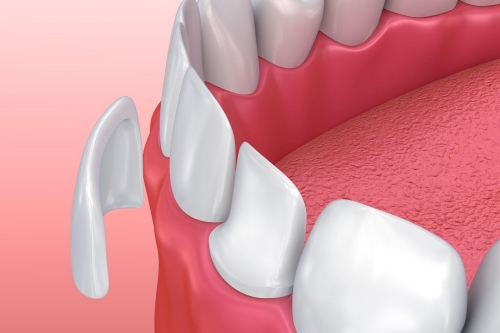
- Composite or Ceramic Laminates: Repairs in a thin leaf form that cover only the outer surfaces and cutting edges of anterior teeth, providing lost natural light translucency and aesthetic length to shortened and discolored teeth.
- Full Crown Restorations: Crowns made of zirconium or all-ceramic that protect the tooth by encircling it in advanced cases where the decay has spread to the entire tooth, leading to the loss of the tooth’s own resistance.
What Steps are Followed in Abraded Tooth Restorations?
If the application will be done directly in the clinic using the composite technique; the tooth surface is completely isolated (using a rubber dam, etc.), and acid and bonding agents are applied. The dentist reshapes the missing tooth structure almost like a sculptor with composite materials and instantly hardens it using special light sources. The patient’s jaw movements are controlled with occlusion (bite) papers, and the surface is polished, completing the procedure.
In indirect (laboratory-supported) porcelain restorations, the process is two-phased. In the first session, the surfaces of the teeth are prepared and scanned using 3D optical cameras to obtain measurements. Temporary restorations are placed on the patient in the same session to prevent sensitivity. In the second session, porcelain blocks from the laboratory are placed on the teeth one by one, marginal fits are checked, and they are permanently fixed to the teeth using strong adhesives, concluding the process.
What Should Be Considered Before Failed Tooth Restorations?
Minimizing dental plaque and food residues in the work area is a parameter that directly supports the adhesion of the resin or porcelain repairs to enamel. Patients should thoroughly brush their teeth before arriving at the clinic to remove any existing remnants from the work area. Additionally, for flawless planning, it is essential that the patient accurately expresses their aesthetic concerns and expectations regarding how much they want the tooth lengths to be elongated to the doctor.
Sessions involving multiple dental restorations (full mouth) can take a relatively long time. Therefore, arriving for the appointment well-rested and slightly full will enhance the patient’s clinical comfort in the chair. If the doctor has prescribed a night guard or muscle relaxant device to be used before the procedure for joint relaxation, diligently using these devices for the specified durations will improve the success of the operation.
What Should Be Paid Attention to After Restorations?
After a comprehensive tooth extension (vertical dimension increase) operation, the patient’s jaw will transition to a different height than the closing position it has adapted to for years. Muscles and the temporomandibular joint may experience mild fatigue or tension in the cheeks and chewing muscles for the first few days as a physiological adaptation response until they adjust to this new state. To ease this adaptation phase, it is recommended to consume food in small portions by crushing it with the back teeth.
If the main cause of the clenching is bruxism (teeth grinding), this force will also directly affect the restorations. No matter how durable biomaterials are, uncontrolled tightening forces can create fractures (cracks) in porcelain or composites. The most fundamental way to ensure the clinical lifespan of repairs for many years is the disciplined use of “night protective plates” specially prepared for the individual by the doctor during sleep.
How Are Composite and Other Restorative Applications Evaluated in Dental Wear?
Composite resins do not require shaping (cutting) of the tooth due to their bonding with the tooth through “adhesive” (chemical bonding) systems. They extend the tooth simply by adding to the missing area (“additive” concept). Since the dentist shapes it directly in the clinic, practical and one-session solutions are offered. Composites are materials with strong aesthetic properties and are very easy to repair; a quick addition can be made to the point without harming the tooth when a small chipping occurs in the future.
In contrast, full ceramics (porcelains) with lithium disilicate or zirconium structures have significantly superior mechanical resistance compared to composites against wear and chewing pressure. If a patient shows a very severe teeth grinding pattern or if more than half of the tooth has melted away, the composite material may be weak against that enormous load. In cases requiring complex and multiple restorations, ceramic inlays or crowns produced in highly aesthetic forms in the laboratory are evaluated to support durability.
How Can Teeth Grinding (Bruxism) Affect Tooth Wear?
During normal eating, the contact duration of upper and lower teeth does not exceed 15-20 minutes on average throughout the day. However, in sleep bruxism, which develops due to sleep apnea or stress, this contact continues for hours with much more aggressive muscle contraction force. This destructive grinding (attrition) wears away the protective enamel layer like sandpaper, exposing the underlying soft dentin layer. When dentin is exposed, the rate of erosion increases exponentially.
Additionally, teeth grinding transmits force not only to the peaks of the tooth but also to the areas at the gum line (cervical) level. The stress accumulated in these areas, due to the inability of the enamel to flex, leads to the formation of wedge-shaped cavities (abfraction lesions) that can break away. When repairing wear caused by teeth grinding, the dentist’s primary goal is not just to replace the lost tissue but also to control this destructive force with intra-articular Botox applications or protective splints.
What Materials Are Used in Restorations of Affected Teeth?
In this clinical field, biocompatible products are used that provide shape, chewing durability, and visual light reflection for teeth. The primary restorative materials preferred according to the mechanical and aesthetic needs of cases are as follows:
- Nano-Hybrid Composite Resins: Direct filling materials that have increased ceramic particles, locked with acid etching and bonding agents, possessing high resistance and an upper level of polish retention (aesthetic).
- Lithium Disilicate (E-max / Empress): Strengthened glass ceramic blocks used in inlays (regional porcelain fillings) or laminate applications on anterior and posterior teeth, offering translucency and aesthetic properties closest to natural enamel.
- Zirconium Oxide Ceramics: Restorative materials utilized as a crown base in cases where the entire tooth is affected, biologically tissue-friendly, highly compatible with gum tissue, and possessing the highest fracture resistance.
- Resin Cements (Adhesives): These medical cements ensure the porcelain restorations prepared in the laboratory form an inseparable unity (as a monoblock) by creating an invisible bridge to the remaining structure in the tooth.
How Long Can Eroded Tooth Restorations Last?
The timeline is shaped according to the patient’s case. If only the slight erosions and chips on the front teeth are planned to be extended with a bonding (composite addition) method, the dentist can finish this work in an aesthetic layering approach in a single chair session (approximately 1-2 hours) and send the patient off with a new smile from the clinic.
However, in complex porcelain cases that encompass the entire mouth and elevate the vertical dimension of the jaw (bite), the initial session involves taking digital or physical measurements of the teeth and applying temporary restorations for the patient. The technicians in the laboratory design these teeth with millimeter precision in a computer environment, and the actual ceramic repairs are realized in the second or third visits. In any case, the process proceeds as planned and without any strain.
How Should Oral Care Be Done After Restorations of Affected Teeth?
These newly reconstructed forms created with medical interventions may pave the way for new (secondary) cavities if oral hygiene is neglected, exposing themselves to acid attacks from their interstitial areas once again. Relying solely on brushing in the repairs between two adjacent teeth is not sufficient for cleaning those areas. Regular use of dental floss is the most critical maintenance step that preserves the durability of the procedures performed.
Additionally, it is recommended to avoid the intensive use of granular (particulate) whitening toothpastes to prevent scratching of the finely polished surfaces of aesthetic composite materials. After consuming acidic foods (such as citrus or carbonated beverages), rinsing the mouth with water to balance the acidity helps support the chemical resistance of both enamel and restorations.
Why Are Control Examinations Important in Restorations of Damaged Teeth?The clinical significance of control examinations; monitoring the adaptive response of the temporomandibular joint (TMJ) to the adjusted chewing dynamics, checking the marginal fit of restorations, and identifying early wear on new materials caused by teeth grinding by polishing them away.Over time, the consumption of tea, coffee, and tobacco, along with daily chewing functions, can lead to slight dulling on the surface of restorations or micro-fractures at the edges. During routine clinical visits conducted every 6 months, the dentist checks these filling margins with special instruments (probes). By reanalyzing how the patient occludes using bite registration sheets, minor microscopic adjustments (occlusal adjustments) are made at high contact or pressure points.
In these sessions, aesthetic composite additions are also re-polished to restore their original natural shine. These practical polishing sessions not only maintain the visual performance of the repairs but also help preserve the surface smoothness, thereby limiting the retention of new bacterial plaque. Regular follow-ups ensure prevention of significant mechanical fractures.
Can Missing Teeth Restorations Be Planned Along with Other Dental Treatments?
In comprehensive planning; the repair of dental losses can be successfully coordinated with implant (artificial root) treatments where missing teeth are replaced, operations that regulate the gum levels (pink aesthetics), or endodontic (canal) treatments that clean out decay sites.In a broad oral rehabilitation, clinical coordination among specialties is essential. For example, a patient’s posterior teeth may have been ground down for length; as a result, the anterior teeth could become overloaded and break. In this case, the deficiencies in the back area are raised with implants or onlays, bringing the chewing support back. Once the posterior foundation is established, the anterior teeth are extended with aesthetic composites or laminates to complete the restoration as a whole.
Similarly, in worn and shortened teeth, the gums may also droop towards the bottom. Adding only fillings to these teeth can make them appear very “square” and wide. Before starting restoration, the dentist collaborates with the periodontology unit, and by trimming the gums slightly upwards (towards the root) (gingivectomy, etc.), they balance the pink-white ratio of the tooth. Aesthetic restorations applied afterwards are fitted into this symmetrical frame to support the process.
How is a Personalized Treatment Plan Made for Restorations of Affected Teeth?
Personalized design; involves the analysis of the individual’s facial contours, vertical occlusion dimension, the level of teeth visible underneath the lips when smiling and talking, and the anatomical strength of the chewing muscles through digital/photographic methods, to create restoration forms that fully respond to the biological dynamics of the patient.The same tooth height or material cannot be applied to every patient in restorative treatments. For a young patient, more transparent and longer cutting edges (high light transmittance forms) are preferred while, for a middle-aged patient, designs that are more compatible with the maturity expression of the face, natural, and slightly more saturated in color are created. The physician creates new tooth heights millimetrically by examining the contact (phonetics) between the teeth and the lips when the patient pronounces letters such as ‘f’, ‘v’, and ‘s’.
Izmir Avrupadent is primarily in the field of personalization. If the patient has a history of bruxism and possesses large and strong jaw muscles (hypertrophic), the restoration material applied to the patient’s back teeth is determined to be monoblock ceramics reinforced with zirconium or lithium disilicate instead of flexible composites. This strategic material selection increases the durability of the treatment in the mouth while securing the clinical success of the patient.
Over time, the consumption of tea, coffee, and tobacco, along with daily chewing functions, can lead to slight dulling on the surface of restorations or micro-fractures at the edges. During routine clinical visits conducted every 6 months, the dentist checks these filling margins with special instruments (probes). By reanalyzing how the patient occludes using bite registration sheets, minor microscopic adjustments (occlusal adjustments) are made at high contact or pressure points.
In these sessions, aesthetic composite additions are also re-polished to restore their original natural shine. These practical polishing sessions not only maintain the visual performance of the repairs but also help preserve the surface smoothness, thereby limiting the retention of new bacterial plaque. Regular follow-ups ensure prevention of significant mechanical fractures.
Can Missing Teeth Restorations Be Planned Along with Other Dental Treatments?
In a broad oral rehabilitation, clinical coordination among specialties is essential. For example, a patient’s posterior teeth may have been ground down for length; as a result, the anterior teeth could become overloaded and break. In this case, the deficiencies in the back area are raised with implants or onlays, bringing the chewing support back. Once the posterior foundation is established, the anterior teeth are extended with aesthetic composites or laminates to complete the restoration as a whole.
Similarly, in worn and shortened teeth, the gums may also droop towards the bottom. Adding only fillings to these teeth can make them appear very “square” and wide. Before starting restoration, the dentist collaborates with the periodontology unit, and by trimming the gums slightly upwards (towards the root) (gingivectomy, etc.), they balance the pink-white ratio of the tooth. Aesthetic restorations applied afterwards are fitted into this symmetrical frame to support the process.
How is a Personalized Treatment Plan Made for Restorations of Affected Teeth?
The same tooth height or material cannot be applied to every patient in restorative treatments. For a young patient, more transparent and longer cutting edges (high light transmittance forms) are preferred while, for a middle-aged patient, designs that are more compatible with the maturity expression of the face, natural, and slightly more saturated in color are created. The physician creates new tooth heights millimetrically by examining the contact (phonetics) between the teeth and the lips when the patient pronounces letters such as ‘f’, ‘v’, and ‘s’.
Izmir Avrupadent is primarily in the field of personalization. If the patient has a history of bruxism and possesses large and strong jaw muscles (hypertrophic), the restoration material applied to the patient’s back teeth is determined to be monoblock ceramics reinforced with zirconium or lithium disilicate instead of flexible composites. This strategic material selection increases the durability of the treatment in the mouth while securing the clinical success of the patient.
Restorations of Affected Teeth hakkında sıkça sorulan sorular ve cevapları
Dişlerin tamamının kesilmesini gerektirmeyen koruyucu Aşınmış Diş Restorasyonları yöntemleri var mıdır?
Tüm dişi küçültmek yerine sadece aşınan yüzeylere eklemeler yapılan bonding (kompozit) veya porselen inley/onley gibi koruyucu seçenekler mevcuttur.
Panoramik röntgen filmleri Aşınmış Diş Restorasyonları teşhisinde kök seviyesindeki sorunları gösterir mi?
Aşınmaya bağlı dişin sinirinde iltihap (nekroz) oluşup oluşmadığı, kök ucu kemik seviyeleri ve çene eklemlerinin pozisyonu bu filmlerle teşhis edilir.
Hastaların esnek ve rahat kıyafetler seçmesi uzun sürebilecek Aşınmış Diş Restorasyonları ölçü seanslarında konforu artırır mı?
Koltukta sırt ve boyun bölgesinin sıkışmaması, kan dolaşımının rahat seyretmesi uzun süren yapıştırma ve estetik tasarım seanslarının huzurlu geçmesi adına tavsiye edilir.
Diş etinden taşan fazla yapıştırıcı artıkları Aşınmış Diş Restorasyonları işlemi bitmeden ince aletlerle tamamen kazınır mı?
Diş etini tahriş edip kanatmaması için henüz yapıştırıcı tam kemikleşmeden önce diş ile porselen sınırından taşan artıklar özel arayüz ipleriyle ve el aletleriyle sıyrılır.
Rutin vizitlerde yapılan diş taşı temizliği Aşınmış Diş Restorasyonları materyallerine ultrasonik aletlerle zarar vermeden tamamlanır mı?
Hekiminiz işlemi yaparken aletin titreşim ucunu doğrudan porselen veya dolgu yüzeyine değil, sadece tartarın bulunduğu mine hizasına yönlendireceğinden hiçbir malzeme kopması yaşanmaz.
Uçak yolculuklarındaki kabin basıncı değişiklikleri tam bitmiş Aşınmış Diş Restorasyonları dişlerinde herhangi bir fiziksel ağrı yaratır mı?
Restorasyonlar dişin yüzeyine sıkıca kilitlenmiş, içinde hava boşluğu barındırmayan katı kütleler olduğu için kabin basıncındaki değişimlerden dolayı dişte fiziksel bir genleşme ağrısı yaşanmaz.
Porselen laminalar (yaprak porselenler) Aşınmış Diş Restorasyonları kapsamında kullanılır mı?
Özellikle ön dişlerin dış yüzeyindeki incelmeleri ve boy kısalmalarını telafi etmek için yaprak porselenler bu tedavinin estetik ayağını oluşturur.
Kapanış ilişkisini test eden renkli ısırma kağıtları Aşınmış Diş Restorasyonları teşhisinde kullanılır mı?
Çeneler kapandığında hangi dişlere aşırı ve yıkıcı yük bindiğini renkli lekelerle haritalandıran bu kağıtlar, restorasyonların nerelere yapılacağını teşhis eder.
Dudakların kurumaması için Aşınmış Diş Restorasyonları seansı başlamadan önce nemlendirici medikal kremler sürülür mü?
Ağzın açık kalmasına bağlı olarak dudak kenarlarının gerilip çatlamaması için işlem öncesinde asistanlarca medikal koruyucu ve yumuşatıcı kremler uygulanabilir.
Bir diş için uygulanan kompozit Aşınmış Diş Restorasyonları işlemi genellikle klinikte ortalama kaç dakika sürmektedir?
Madde kaybının büyüklüğüne ve estetik katmanlamaya göre değişmekle birlikte, sadece bir dişin formunun kompozitle oluşturulması genellikle 30 ile 45 dakika aralığında tamamlanır.
Geçici kaplamaların düşmesi durumunda kliniğe gidilmesi asıl Aşınmış Diş Restorasyonları takılana kadar dişin korunması için şart mıdır?
Aşındırılan dişi koruyan geçici dolgu düşerse açık kalan kanallara tükürük ve gıda sızarak şiddetli sızlama yapacağı için vakit kaybetmeden kliniğe gidilip yenilenmesi tıbben şarttır.
Efor gerektiren kardiyo veya ağırlık sporları Aşınmış Diş Restorasyonları işlemi sonrasında herhangi bir kısıtlamaya tabi midir?
Kanama riski taşıyan bir diş eti cerrahisi işlemi olmadığı için, ağırlık kaldırma, fitness veya koşu dahil hiçbir efor gerektiren sportif faaliyete operasyon sonrası dinlenme kısıtlaması getirilmez.
Kompozit (beyaz dolgu) materyalleri Aşınmış Diş Restorasyonları için uygun bir seçenek midir?
Erken ve orta seviyeli madde kayıplarında dişe hiçbir kesim yapmadan uygulanan kompozit eklemeler en pratik ve etkili seçeneklerden biridir.
Çene ucunun burna eskisinden daha çok yaklaşması durumu Aşınmış Diş Restorasyonları planlamasını gerektirir mi?
Arka dişlerin boyu aşınarak azaldığında çene kapanışı çöker (dikey boyut kaybı) ve yüzün alt üçlüsü kısalır; bu durum estetik restorasyonlarla yukarı kaldırılır.
Çene kaslarını dinlendirmek için uzun sürecek Aşınmış Diş Restorasyonları seanslarında ağız takozları kullanılır mı?
Hastanın ağzını saatlerce açık tutarak eklemlerinin yorulmasını önlemek için, işlemi kolaylaştıran yumuşak silikon dayanaklar alt ve üst dişlerin arasına güvenle yerleştirilir.
Tükürük emici vakum cihazları Aşınmış Diş Restorasyonları seansı boyunca ortamı kuru ve nemsiz tutmak için çalışır mı?
Yapışmanın kimyasını bozabilecek tükürüğün sızmasını engellemek ve hastanın yutkunmasını rahatlatmak için kuvvetli aspiratör sistemleri yapıştırma anında aralıksız devrededir.
Gece diş sıkma alışkanlığı olanlarda koruyucu plak (splint) takmak Aşınmış Diş Restorasyonları yatırımını kırılmalardan korur mu?
Zaten dişlerin aşınmasına sebep olan o devasa çiğneme kuvvetinin, yeni yapılan estetik eklemeleri de çatlatmaması için sistemi koruyan şeffaf gece plakları uyku esnasında mutlaka takılmalıdır.
Sporcuların boks veya uzak doğu sporlarında koruyucu ağızlık takması Aşınmış Diş Restorasyonları parçalarını kırılmalardan korur mu?
Temaslı sporlarda yüze ve çeneye alınacak darbelerin doğrudan porselenleri çatlatmasını önlemek adına, maç ve antrenmanlarda kalın şeffaf silikon ağızlıkların (mouthguard) takılması zorunludur.
Çene kapanış mesafesi (dikey boyut) düştüğünde Aşınmış Diş Restorasyonları ile bu mesafe eski haline getirilir mi?
Dişler kısaldıkça birbirine daha çok yaklaşan alt ve üst çene, dişlerin üzerine eklenen bu materyallerle yükseltilerek ideal dikey mesafesine geri taşınır.
Dijital ağız içi kameralar Aşınmış Diş Restorasyonları muayenesinde aşınma oranını milimetrik ölçmek için kullanılır mı?
Alınan dijital taramalar sayesinde dişlerin eski boylarından kaç milimetre kaybettiği bilgisayar programlarında analiz edilerek geri kazanılacak hacim belirlenir.
Contact Us for Repaired Dental Restorations in İzmir
Repaired Dental Restorations are a treatment method that involves restoring the structure of teeth that have experienced material loss due to causes such as dental wear, excessive grinding, or the consumption of abrasive foods, using various filling and covering materials. At AvrupaDent, this treatment is implemented by dentists within the framework of a treatment plan tailored to the patient's oral and dental health. You can contact us for detailed information about the treatment process.İletişime Geçin
- Güncelleme tarihi:25 Sep 2026