What are Jaw Joint Discomforts?
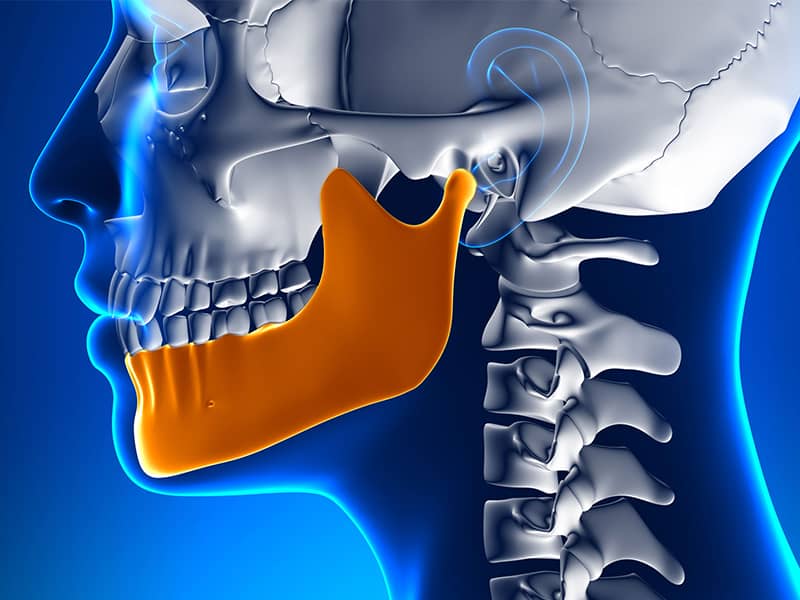
The temporomandibular joint is one of the most complex and most frequently used joint mechanisms in the human body. It plays an active role in movements that are repeated thousands of times throughout the day, such as speaking, eating, yawning, and swallowing. This complex structure consists of the bone head (condyle), the joint cavity, the cartilage disk that serves as a cushioning pillow between these two structures, and the chewing muscles that move the joint. Any disruption in the harmony of these components is defined as temporomandibular joint discomfort.
At the Avrupadent clinics operating in İzmir, temporomandibular joint discomfort is examined under various subheadings such as intra-articular mechanical disorders, muscle-origin spasms, and inflammatory joint diseases. Determining which tissue the issue originates from is fundamental in shaping the treatment protocols to be applied.
The cartilage disk inside the temporomandibular joint prevents the direct contact and wear of the bone surfaces during jaw movements. Displacement of this disk (disk displacement) is the fundamental biomechanical cause that leads to clicking sounds during the opening and closing of the mouth and the sensation of locking in the jaw.
How Are Jaw Joint Treatments Applied?
The method of application of the treatment varies based on the source of the diagnosed problem (whether it is muscle-related or intra-articular tissue-related). At Avrupadent clinics, the process is primarily initiated with non-invasive protective methods that do not harm the tissues. In the initial phase, specially prepared transparent occlusal splints (night plates) that are worn during sleep are frequently used. These plates alleviate the load on the joint by regulating the contact between the teeth.
To reduce excessive tension and stress in the chewing muscles, muscle relaxant applications may be carried out upon physician’s guidance. In cases of advanced intra-articular deformities or fluid losses, the procedure of arthrocentesis, which is based on washing the joint cavity with sterile fluid, or injections of biological solutions may be implemented.
- •
Splint (Night Guard) Application: The use of plates made from special hard acrylic, which reduce the pressure on the disc by widening the joint space. - •
Muscle Relaxant Approaches: Medical or injection-based interventions aimed at relaxing the masseter and temporal muscles. - •
Physical Therapy and Exercise Protocols: Planning home exercises to increase joint mobility and restore muscle coordination. - •
Intra-Articular Washing (Arthrocentesis): Cleaning of inflammatory fluid from the joint capsule under local anesthesia and administering a lubricant solution.
What Causes Jaw Joint Problems?
Jaw joint discomfort rarely develops due to a single cause; it generally has a multifactorial origin. The most frequently encountered factor in today’s living conditions is the act of teeth grinding and clenching that occurs unconsciously during sleep or throughout the day, linked to stress. This condition exerts micro-traumatic loads on the joint capsule and muscles that are many times higher than normal.
Additionally, contact between the upper and lower teeth at an undesirable angle (occlusal dysfunction – malocclusion) due to tooth deficiencies or improperly made fillings/prosthetics can lead to gliding of the jaw, which triggers discomfort by altering the position of the bone head in the joint socket.
What Are the Symptoms of Jaw Joint Disorders?
Symptoms can vary in intensity from person to person and may flare up or ease at times. The most common early symptom is clicking, popping, or grinding sounds from the area just in front of the ear during chewing or yawning. These sounds are created when the disc of cartilage slips out of place and suddenly relocates or dislocates as the jaw moves.
Symptoms can be seen not only in the joint area but also in referred areas. Pain that starts at the temples and radiates downwards, ear ringing, a sensation of fullness in the ear, fatigue/stiffness in the jaw muscles upon waking up in the morning, and an inability to fully open the mouth (trismus) are the most commonly encountered clinical signs.
Why is Jaw Joint Treatment Important?
Problems with the jaw joint that are not intervened in time can lead to osteoarthritis (joint calcification), intra-articular pathologies, and permanent jaw lockages that are difficult to reverse in later stages. Initially, the situation may only present as a slight clicking noise, but over the years, this can progress to direct contact between the bone surfaces and severe chronic pain.
The evaluations of the jaw joint at Avrupadent Izmir aim to take control of this condition, which directly affects the patient’s quality of life. Preventive treatments applied in the early stages play a critical role in eliminating the need for complex surgical operations that may be necessary in the future.
Who Are Jaw Joint Treatments Suitable For?
Treatment protocols can be designed for a wide age range, from developmental issues in childhood to joint degeneration in older ages. Individuals who work under intense stress, wake up with jaw fatigue in the mornings, and notice flattening/micro-trauma in their teeth are suitable candidates for these treatment approaches.
As long as the general health condition allows, all patients experiencing joint discomfort should first undergo clinical evaluation to distinguish whether the issue originates from muscle or the joint capsule.
How Are Jaw Joint Disorders Diagnosed?
The diagnosis begins with a detailed clinical examination. The doctor examines the joint area and the chewing muscles (masseter and temporal) by feeling them with their fingertips, checking for sensitivity and trigger points. The range of mouth opening is measured with millimeter rulers (normal mouth opening averages between 40-50 mm). Deviations (deviation) are recorded while moving the jaw left and right.
Three-dimensional dental tomography is used for a detailed analysis of hard tissues (bone structure), while MRI imaging is requested for soft tissue details such as the position of the disc, its deformation, and the amount of fluid in the joint. All this data is combined by the physician to confirm the diagnosis.
What Methods Are Used in Jaw Joint Treatment?
In joint problems, combination therapies are applied according to the condition of the case instead of a single treatment method. The basic medical approaches used are as follows:
What Are the Advantages of Jaw Joint Treatment?
When joint treatment is completed, patients leave behind the feelings of clicking, locking, and tension they experienced while eating or speaking. Significant reductions are observed in chronic tension-type headaches affecting the temples and neck with the relief of muscle tension.
Additionally, since the contact between teeth is balanced, fractures, cracks, and gum recessions occurring due to excessive pressure are brought under control.
How Long Does Temporomandibular Joint Treatment Take?
Temporomandibular joint treatment is not tied to a fixed schedule; it varies according to whether the discomfort is acute or chronic. While relief can be achieved with a few weeks of medication and exercise protocol for acute muscle spasms, splint therapy for joint cartilage irregularities generally continues for 3 to 6 months.
In Avrupadent clinics, patients are periodically (usually every 3-4 weeks) called for check-ups while using splints, and adjustments to the plates are made. Considering the healing and adaptation process of biological tissues, the overall follow-up period can extend up to an average of 6 months.
How Does Jaw Joint Treatment Help Reduce Pain?
The main source of pain in the jaw joint area is the inflammatory fluid formed by the accumulation of lactic acid in muscles that remain constantly contracted and the tightness of the joint capsule. Splint and injection applications allow for the relaxation of sensitive tissues by milimetrically widening the joint space.
With the relaxation of the muscles, blood circulation returns to normal and inflammatory substances that have accumulated in the tissues are cleared from the area. This biological relaxation mechanism helps alleviate both local joint pain and pain reflected in the head-neck region.
When Should You Seek Expert Support for Jaw Joint Problems?
If any of the following warning signs are observed, it is advised to consult an experienced dentist regarding jaw joint issues without delay:
- Hearing loud clicks or popping sounds from the jaw when opening the mouth.
- The mouth cannot open more than a certain amount or suddenly locks.
- Severe pain in the ears, temples, or jaw corners while chewing food.
- Noticeable fatigue in the jaw and sensitivity in the teeth upon waking up in the morning.
- The feeling that the teeth do not fit together as they used to when closing the mouth (closure change).
How Do Jaw Joint Disorders Affect Dental Health?
Jaw joint problems directly interact with dental health. Abnormal loads placed on the joint, along with associated habits like teeth grinding, can cause wear on the protective enamel layer of the teeth (attrition). This reduces the efficiency of chewing on the flattened tooth surfaces.
Additionally, extreme vertical and horizontal pressures can lead to micro-fractures in the neck areas of the teeth, forming wedge-shaped lesions (abfraction lesions). Sensitivity in the teeth increases, existing fillings or porcelain crowns may continuously break, and even mobility of the teeth can be observed.
What is a Personalized Approach in Jaw Joint Treatment?
Whereas a night guard may be sufficient for one patient, another patient may require a multidisciplinary process involving muscle relaxants, physical therapy, and the completion of missing teeth with prosthetics.
At Avrupadent Izmir Center, special splint designs are formulated based on the digitally scanned oral structure and tomographic data of the patient. The dosage and course of treatment are updated step by step according to the patient’s clinical response.
What Special Applications are Used in Jaw Joint Treatment?
In addition to traditional methods, there are advanced technologies and medical applications that support joint treatment in modern dentistry. The most notable of these are as follows:
What Should be Considered After Jaw Joint Treatment?
The healing of the joint tissues is a biological process that takes time. Some minor changes in the daily lives of patients can support the effectiveness of the treatment. Habits such as chewing gum, biting hard foods with the front teeth (like apples, quinces, etc.), sitting with the jaw resting on the palm, or pressing the phone between the shoulder and jaw during long phone calls should definitely be avoided.
Additionally, the consistent use of splints prescribed by the doctor during the specified hours and timely follow-up appointments are fundamental in protecting joint health.
Can Jaw Joint Discomfort Recur?
Jaw joint discomfort may show a tendency to recur if the underlying factors are not eliminated or if stress-related teeth grinding habits are re-triggered.
After treatment is completed, if the patient completely stops using the protective plate, continues to grind their teeth during extremely stressful periods, or if the equilibrium of the mouth’s closure is disrupted due to new missing teeth, similar symptoms may occur. Therefore, periodic check-ups with the doctor should be maintained.
Is Jaw Joint Treatment Safe?
The night plates and physical therapy exercises that form the first stage of treatment are completely non-invasive (without surgical incisions). There is no intervention during or after the procedure that could harm the body.
Injection or washing procedures applied in advanced stages are carefully performed in sterile clinical conditions, taking into account anatomical adjacency.
What Should Be Considered to Protect Jaw Joint Health?
Simple preventive measures to be implemented in daily life contribute to maintaining tooth health for a long time. The main considerations to be noted are as follows:
-
\t
- • Dietary Habits: Avoid cracking hard-shelled foods with your teeth, and use both sides of your mouth evenly instead of favoring one side.
- • Quit Bad Habits: Stay away from activities such as biting your nails, chewing on the end of a pen, or constantly chewing gum.
- • Posture and Screen Alignment: Prevent your head from leaning forward while working at a desk, and adjust your computer screen to eye level.
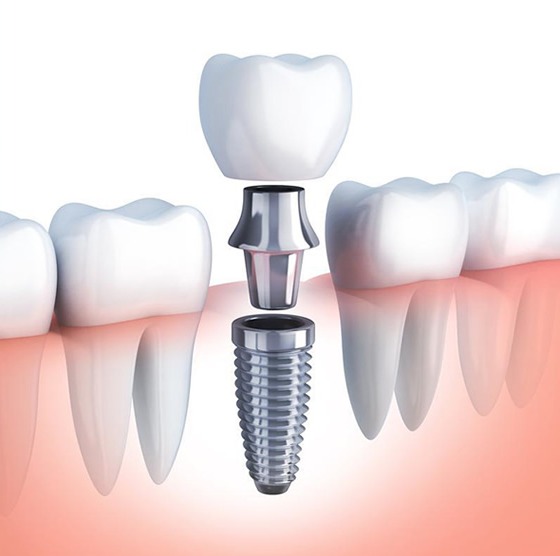
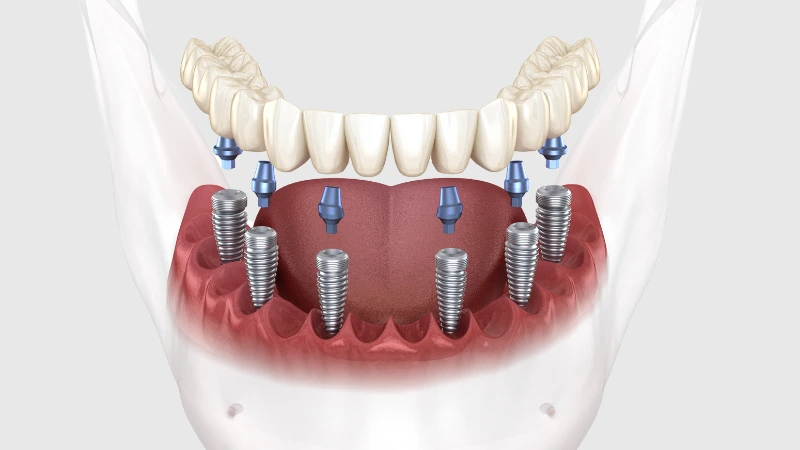
- • Regular Check-ups: Ensure that missing teeth are replaced promptly with prosthetics or implants and do not skip routine 6-month dental check-ups.
\t
\t
\t
Our Corporate Approach and Process Standards
At Avrupadent centers in Izmir, we manage the diagnosis and treatment processes of our patients with jaw joint discomfort through clinical examinations, digital intraoral scans, and radiological assessments (panoramic, tomography) in our modern clinics. All obtained data is evaluated transparently, clearly, and understandably with our patients.
In all treatment procedures performed, strict adherence to infection control and sterilization standards is ensured in compliance with national health regulations. Our primary goal is to provide individuals with evidence-based accurate information regarding their jaw and oral health and to plan treatment needs in a safe medical environment.