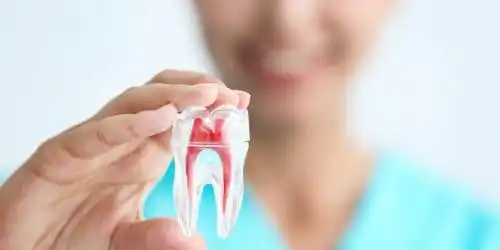

What is Restorative Dental Treatment?
Throughout human life, dental enamel and dentin are constantly exposed to acidic, thermal, and mechanical attacks. As a result of these interactions, cavities (holes), cracks, or discolorations may appear in the tooth. Restorative dentistry aims to compensate for these structural damages using modern biocompatible materials. Today, this discipline not only repairs functionality, but also produces aesthetic results that are indistinguishable from natural tooth enamel thanks to composite resins and ceramic substructures that mimic it exactly. Preserving the tooth in the mouth and maintaining its vitality form the fundamental philosophy of this field.
In the Avrupadent clinics located in Izmir, restorative dental treatment processes are evaluated within a wide range of parameters that extend from the patient’s facial profile to their chewing habits. The applied repairs are designed with the principle of minimum material loss (minimally invasive) without damaging the dental nerve tissue (pulp). This protective medical approach ensures that the anatomical form of the tooth is supported, allowing for a closure (occlusion) compatible with opposing teeth. Maintaining the patient’s own natural dental tissue healthily for many years is the primary clinical value offered by these treatments.
In Which Dental Problems Is Restorative Dental Treatment Applied?
When the structural integrity of teeth is compromised, not only is chewing efficiency affected, but aesthetic balance is also disrupted. Restorative dentistry develops specific repair strategies based on the source of material loss in the tooth. The fundamental anatomical problems that prepare the ground for the implementation of this treatment in the clinic can be classified as follows:
| Clinical Condition | Explanation and Repair Necessity |
|---|---|
| Cavitated Cavities | The need to clean and fill the cavities (cavitations) formed by bacteria penetrating the tooth enamel through acid release. |
| Coronal Fractures and Cracks | Physical damages occurring on the tooth’s outer surface due to trauma, falling, or hitting a hard object. |
| Diastema (Gapped Teeth) | Filling the gaps between teeth aesthetically by enlarging them without the need for orthodontic treatment. |
| Attrition (Abrasion/Erosion) | Exposing dentin underneath due to the wearing down of tooth heights caused by teeth grinding (bruxism) or consumption of acidic foods. |
How is Restorative Dental Treatment Planned?
The most crucial factor determining the lifespan of a restoration is the planning stage. The clinician identifies the surface of the tooth affected by cavitation. If the substance loss is significant and a standard composite filling cannot withstand the chewing pressure, the planning is directed towards ceramic (porcelain) inlay or onlay restorations prepared in a laboratory environment. If the depth of the cavity is close to the nerve, integration of base (foundation) materials that will protect the tooth is also included in the planning.
In anterior teeth, the course of planning relies more on visual harmony. The transparency ratio of the tooth, the surface texture, and the anatomical form of the adjacent teeth are examined. Color selection (scale determination) is made under illuminations close to natural daylight, and color transitions of the layered composite resins to be used are designed. This preliminary work supports the creation of an architecture that closely replicates the original tooth at the end of the procedure.
What Applications Are Included in Restorative Dental Treatments?
This specialty branch encompasses a very wide range of restorations. The procedures where the dentist shapes and freezes the cavitations by hand in the clinical chair are referred to as “direct restorations”. By using a technique called bonding, cracks or gaps in the front teeth are restored to an aesthetic form using only special materials and resins without removing any tooth substance.
On the other hand, in cases where more than half of the tooth is destroyed, the dentist cleans the decay, takes the measurement of the tooth using digital or physical methods, and sends this measurement to the laboratory. These pieces, known as “indirect restorations” (inlay, onlay, or overlay), are integrated into the tooth with special resin cements afterwards. Additionally, internal whitening (devital bleaching) procedures that eliminate intrinsic discoloration in non-vital teeth that have undergone root canal treatment are also an integral part of this branch.
Who Is Restorative Dental Treatment Suitable For?
Restorative interventions are among the most fundamental and commonly applied repair tools in dentistry. From the moment permanent teeth begin to emerge in childhood until the advancing years of life, any type of structural loss that may occur in enamel is compensated for with these methods. Age does not change the biological tolerance of the material or technique to be applied; the main determining factor is to what extent the tooth allows for mechanical repair.
These procedures can also be performed with great comfort for individuals with systemic discomfort. In deep cavities where infiltration local anesthesia is required, anesthetic agents appropriate to the patient’s medical condition are preferred, following a route compliant with clinical standards. Patients with high aesthetic expectations who do not want to sacrifice their teeth for porcelain crowns are ideal candidates for bonding systems, which are a conservative option.
How is an Evaluation Made Before Restorative Dental Treatment?
Correct diagnosis determines the feasibility of the repair to be applied. Insidious decays that appear to be just minor discoloration upon visual inspection may be observed as extensive destruction reaching the tooth’s core (pulp) on radiographs. The physician identifies the depth of cavitation on the radiograph. If the decay touches the nerve, merely doing a filling may not eliminate the pain complaints; in this case, it is evaluated whether root canal treatment is required.
In addition, the edge compatibility of old amalgam or composite fillings present in the tooth is physically checked with special pointed probes. It is checked whether there is leakage (secondary decay) beneath the old filling. By examining chewing habits and any tooth grinding (bruxism) patterns, the goal is to use more durable ceramic particle forms of composites instead of weak resilient materials.
What Diagnostic Methods are Used in Restorative Dental Treatment?
Several auxiliary diagnostic tools are used in the clinic to clarify the limits of tissue destruction and the physiological condition of the tooth. The methods that provide comprehensive planning are as follows:
- • Periapical Radiography (RVG): Detailed small radiographic films that focus solely on the relevant tooth, showing the root tip and the depth of the decay in two dimensions.
- • Vitality Tests: Measurement of the nerve tissue’s response to stimuli using cold cotton pellets or electric testing devices applied to the tooth’s surface.
- • Transillumination: The process of reflecting high-intensity cool light onto the tooth to highlight enamel cracks or hidden decays between teeth.
- • Panoramic Radiography: Broadly applied systems used to observe the general restoration needs of all teeth in the mouth.
What Steps Are Followed in the Restorative Dental Treatment Process?
In direct applications, the first step is to thoroughly clean the damaged area until reaching the healthy dentin tissue, ensuring the environment is completely free of debris. At this stage, the tooth anatomy is shaped into a specific form that the filling material can adhere to. The environment must be entirely dry to ensure proper adhesion of the aesthetic filling materials; if a surface is not isolated and is in contact with saliva, the bond strength of the filling will be lost.
After the tooth is polished and a bonding liquid agent is applied, composite material that matches the tooth color is placed in thin layers onto the tooth. Each layer is cured with a special polymerization device. Once the volume is restored, occlusion checks are performed with paper to control contacts; heights are adjusted, and finally, the tooth surface is polished to achieve a natural shine using polishing discs.
What Should Be Considered Before Restorative Dental Treatment?
Keeping the bacterial plaque and food residues in the working area at a minimum level directly supports the retention of the filling on the enamel. If the surface of the teeth is covered with a thick layer of plaque, the need arises for a preliminary cleaning by the doctor just before restorative procedures. Arriving with completed oral care enhances the efficiency of the treatment by speeding up this phase.
In deep restorations performed under local anesthesia, excitement or anxiety may set the stage for mild dizziness. Therefore, being slightly full and sitting comfortably in the chair prior to the appointment supports clinical comfort. If the patient will undergo an aesthetic procedure on the front teeth (for example, closing a diastema), it is advisable to share their expectations clearly with the doctor to enable input during the decision-making phase of the procedure.
What Should Be Considered After Restorative Dental Treatment?
Current composite fillings are instantly hardened with special light devices in the clinic, so there is no need to wait hours for the material to set as with older silver (amalgam) fillings. However, chewing food while numb can inadvertently lead to serious injuries to the lips, cheek mucosa, or tongue. To protect against tissue damage, chewing should be avoided until the numbness completely subsides.
Aesthetic resin materials may exhibit a tendency to absorb (take in) external molecules more easily in the days immediately after application. Tobacco smoke, colored spices (turmeric, paprika), or acidic/colored beverages can cause dullness or yellowing in the fresh glaze layer. To preserve the natural aesthetics of the repaired teeth in the long term, it is crucial to limit the use of these substances during the initial daily period.
What Are the Restorative Treatment Approaches in Cavity Treatments?The primary approach in cavity cases; involves removing the infected dentin tissue that produces bacteria through drilling and completely eliminating it from the environment, and mechanically sealing the created cavity (void) with direct composite resin fillings or with inlay/onlay ceramic pieces prepared through indirect methods, depending on the size of the cavity.The progression depth of the cavity in the tooth also alters the restorative strategy. If the cavity is limited to the enamel and superficial dentin layer, it can be cleaned in a standard session and the void is filled with polymerized composites. However, if the cavitation reaches a dangerous proximity to much deeper areas, such as the nerve chamber (pulp), the dentist prepares structures (foundations) that will isolate the pulp instead of directly placing the filling material and promote mineralization.
With these applications called “capping” (pulp capping), bioactive cements are used to allow the nerve to heal itself while preserving the vitality of the tooth. If one or more of the tooth’s side walls has completely collapsed due to the cavity, to ensure that it can break under the simple filling’s chewing load, impressions are taken and pressed porcelain (onlay) blocks that will fit precisely into that cavity are produced in a laboratory environment and chemically adapted to the tooth.
How is Restorative Dental Treatment Evaluated in Cases of Tooth Fractures?Approach to Fracture Repair; if a fragment of the tooth is found due to a trauma, it should be reattached to the tooth surface with special agents (reatachment), and if the piece cannot be found or is unusable, the missing area is reconstructed with aesthetic bonding procedures (build-up).
The physical fractures encountered in anterior teeth are clinical emergencies that negatively affect the individual’s aesthetic appearance. If the patient has been able to preserve the fractured piece of the tooth during a fall or impact (for example, if it has been brought to the clinic in a wet environment, such as in milk or their own saliva), the restorative dentist can integrate the original piece back to the complete fracture line with strong chemical adhesives. This method provides the best aesthetic result regarding light permeability and anatomical compatibility.
If there is no fracture piece, the dentist reshapes the missing area layer by layer by processing composite resins like a sculptor. By adhering to the tooth’s transparency ratio, color transitions, and the anatomical form of the adjacent teeth, this “bonding” technique allows for the erasure of fracture line traces, restoring the tooth’s integrity and functionality. If the tooth nerve (pulp) is exposed in this fracture, the need for root canal treatment before repair is additionally evaluated.
Are Composite Fillings and Aesthetic Restorations Part of Restorative Treatment?
Yes, these applications constitute the backbone of the field. In the past, cavities were filled with non-aesthetic black metallic materials (amalgam), whereas today restorative dentistry aims not only to repair but also to mimic nature (biomimetic approach), focusing on composite and aesthetic materials.With the advancement of materials science in dentistry, the restorative field has integrated with aesthetic dentistry. The developed micro and nano-filled composite resins possess enough hardness to withstand high chewing forces in posterior teeth and can be polished (shined) to create a smile design in anterior teeth and match the color of the tooth.
Composite laminate applications (direct veneers) and procedures that address gaps between teeth (diastema) are also evaluated within the scope of restorative expertise as they serve completely visual (aesthetic) expectations. With these minimally invasive (conservative) approaches, the symmetry and anatomy of the smile can be redesigned by adding small resin touches to the surfaces without any cutting (sculpting) of the patient’s tooth.
What Materials Are Used in Restorative Dental Treatment?
In this clinical field, biocompatible products are used that shape the tooth, impart durability, and possess visual appeal. The primary restoration materials preferred according to the mechanical needs of cases are as follows:
- Composite Resins (White Fillings): Aesthetic restoration materials that bond micromechanically to the tooth structure, available in various shades (scales), and harden instantly with blue halogen/LED light.
- Glass Ionomer Cements: Active materials used especially in children or on root surfaces as protective agents, chemically bonding to dental enamel and dentin, containing fluoride release.
- Porcelain (Ceramic) Blocks: Aesthetic restorations with high resistance to chewing stress, prepared in laboratories using computer-aided design (CAD/CAM) for indirect onlay/inlay fabrication.
- Adhesives (Bonding Agents): Strong liquid agents containing acid and primer that form an invisible bridge between the above materials and dental tissue.
How Should Oral Care Be Done After Restorative Dental Treatment?
Post-operative oral care routine; involves brushing the teeth at least twice a day with fluoride toothpaste to prevent the buildup of microscopic bacteria around the edges of the fillings, and daily cleaning of the interproximal areas of filled teeth with dental floss or interdental brushes.Restorative interventions clean the tooth from decay, however, if oral hygiene is neglected, new acids leaking from the edges of the filling can cause the tooth to decay again (secondary decay). Particularly for fillings made on the interproximal surfaces of adjacent teeth, using just a toothbrush is insufficient for cleaning these areas. Regular use of dental floss is the most critical maintenance step to extend the longevity of the fillings.
It is recommended to avoid the excessive use of very abrasive (high abrasive content) whitening toothpastes to prevent scratching the carefully polished surfaces of aesthetic composite materials (bonding, etc.). Additionally, engaging in harmful habits that create extreme mechanical stress, such as cracking nuts with repaired teeth or chewing on pens, could cause micro-cracks or fractures in the fillings and should be limited.
Why Are Control Examinations Important in Restorative Dental Treatments?
The clinical necessity of control examinations; is to monitor the marginal integrity of fillings exposed to chewing forces over months/years, refresh worn or discolored polish surfaces, and to detect potential new (secondary) decay lesions before they spread to the tooth.Over time, tea, coffee, tobacco use and daily chewing functions may cause slight dulling (staining) of restorations or micro-level abrasions at the edges. During routine clinical visits conducted every 6 months, the dentist checks these filling margins with specialized probing instruments. If a gap begins to form between the filling and the tooth, the dentist can control the situation by making a small restorative addition in that area before the decay penetrates deeper.
During these sessions, the finishing process of aesthetic composites (laminate, etc.) is also renewed to restore their initial brightness. These practical polishing sessions (re-polishing) maintain both the visual performance of the repairs and help prevent new bacterial plaque accumulation by preserving the surface’s smoothness.
Can Restorative Dental Treatments Be Planned Alongside Other Dental Treatments?
Yes, they are central to multidisciplinary approaches. Restorative procedures are designed as an integrated structure, either as the construction of the upper structure of teeth that have completed root canal treatment, aimed at closing gaps in gum treatments, or to ensure symmetry following orthodontic wire applications.Dental specialties support each other’s foundations. For instance, after a tooth with a pulp (nerve) infection is treated with root canal therapy by an endodontist, a strong restoration (coronal seal) must be made to withstand chewing pressure on the weakened and necrotic tooth. If the top of the canal filling is not completely sealed with restorative techniques, the tooth can break and be lost in a short time.
Restorative resin is used to close the black triangular gaps that occur between teeth as a result of gum recession (periodontitis) (gingival camouflage), which is also a subject of collaboration with the periodontal specialty. Moreover, after orthodontic treatment is completed, even if the alignment of the teeth is corrected, if anatomical differences or deficiencies remain in their sizes, aesthetic composite additions are made to complete the smile design.
How is a Personalized Treatment Plan Made in Restorative Dental Treatment?
Personalized design; is the modeling of the selected material and anatomical form completely according to that individual’s biology, taking into account the morphology of the patient’s face, the relationship of the smile line with the lips, the original color layers of the teeth (translucency), and the individual’s chewing forces (muscle dynamics).The structure and color texture (chromas) of each person’s enamel is different. While repairing a fracture in the anterior region, the dentist does not use a uniform white resin. A darker yellowish composite is used for the root part of the tooth, a dentin-colored opaque resin for the body, and transparent materials are added to the edge (incisal) to mimic the light permeability exactly. Characteristics of wear observed in teeth as age progresses are also included in this aesthetic blending to prevent the restoration from having an artificial appearance.
In İzmir Avrupadent processes, the mechanical setup behind the procedure is also personalized. If the patient is grinding their teeth severely during sleep (bruxism), instead of simple materials that would bend in the gaps of the back teeth, laboratory-produced ceramic inlays with high resistance to chewing stress are planned to ensure the longevity of the restoration.
How is Post-Restorative Dental Treatment Follow-Up Conducted?
Follow-Up Process; It is based on visual examinations conducted during 6-month or annual clinical visits, monitoring responses to cold-hot stimuli, and radiographs (bite-wing) taken to detect potential pulp (nerve) reactions or secondary issues in deep fillings.No restorative material in dentistry can achieve the same invulnerability as the tooth’s natural enamel; all have a wear factor due to time and usage. Therefore, dentists must monitor whether the filling begins to leak, potentially harming the tooth over time. A filling that appears visually perfect may have a hidden accumulation of food at the part between two teeth.
To detect this, special films called “bite-wings” are taken, which show the areas between the teeth very clearly, and the tightness of the filling edges is examined on the X-ray. In teeth that have undergone deep repairs or have had interventions close to the nerve, spontaneous leaks or sensitivities felt by the patient are questioned to medically control whether the tooth remains vital (if it needs root canal treatment).
The progression depth of the cavity in the tooth also alters the restorative strategy. If the cavity is limited to the enamel and superficial dentin layer, it can be cleaned in a standard session and the void is filled with polymerized composites. However, if the cavitation reaches a dangerous proximity to much deeper areas, such as the nerve chamber (pulp), the dentist prepares structures (foundations) that will isolate the pulp instead of directly placing the filling material and promote mineralization.
With these applications called “capping” (pulp capping), bioactive cements are used to allow the nerve to heal itself while preserving the vitality of the tooth. If one or more of the tooth’s side walls has completely collapsed due to the cavity, to ensure that it can break under the simple filling’s chewing load, impressions are taken and pressed porcelain (onlay) blocks that will fit precisely into that cavity are produced in a laboratory environment and chemically adapted to the tooth.
How is Restorative Dental Treatment Evaluated in Cases of Tooth Fractures?Approach to Fracture Repair; if a fragment of the tooth is found due to a trauma, it should be reattached to the tooth surface with special agents (reatachment), and if the piece cannot be found or is unusable, the missing area is reconstructed with aesthetic bonding procedures (build-up).
The physical fractures encountered in anterior teeth are clinical emergencies that negatively affect the individual’s aesthetic appearance. If the patient has been able to preserve the fractured piece of the tooth during a fall or impact (for example, if it has been brought to the clinic in a wet environment, such as in milk or their own saliva), the restorative dentist can integrate the original piece back to the complete fracture line with strong chemical adhesives. This method provides the best aesthetic result regarding light permeability and anatomical compatibility.
If there is no fracture piece, the dentist reshapes the missing area layer by layer by processing composite resins like a sculptor. By adhering to the tooth’s transparency ratio, color transitions, and the anatomical form of the adjacent teeth, this “bonding” technique allows for the erasure of fracture line traces, restoring the tooth’s integrity and functionality. If the tooth nerve (pulp) is exposed in this fracture, the need for root canal treatment before repair is additionally evaluated.
Are Composite Fillings and Aesthetic Restorations Part of Restorative Treatment?
With the advancement of materials science in dentistry, the restorative field has integrated with aesthetic dentistry. The developed micro and nano-filled composite resins possess enough hardness to withstand high chewing forces in posterior teeth and can be polished (shined) to create a smile design in anterior teeth and match the color of the tooth.
Composite laminate applications (direct veneers) and procedures that address gaps between teeth (diastema) are also evaluated within the scope of restorative expertise as they serve completely visual (aesthetic) expectations. With these minimally invasive (conservative) approaches, the symmetry and anatomy of the smile can be redesigned by adding small resin touches to the surfaces without any cutting (sculpting) of the patient’s tooth.
What Materials Are Used in Restorative Dental Treatment?
In this clinical field, biocompatible products are used that shape the tooth, impart durability, and possess visual appeal. The primary restoration materials preferred according to the mechanical needs of cases are as follows:
- Composite Resins (White Fillings): Aesthetic restoration materials that bond micromechanically to the tooth structure, available in various shades (scales), and harden instantly with blue halogen/LED light.
- Glass Ionomer Cements: Active materials used especially in children or on root surfaces as protective agents, chemically bonding to dental enamel and dentin, containing fluoride release.
- Porcelain (Ceramic) Blocks: Aesthetic restorations with high resistance to chewing stress, prepared in laboratories using computer-aided design (CAD/CAM) for indirect onlay/inlay fabrication.
- Adhesives (Bonding Agents): Strong liquid agents containing acid and primer that form an invisible bridge between the above materials and dental tissue.
How Should Oral Care Be Done After Restorative Dental Treatment?
Restorative interventions clean the tooth from decay, however, if oral hygiene is neglected, new acids leaking from the edges of the filling can cause the tooth to decay again (secondary decay). Particularly for fillings made on the interproximal surfaces of adjacent teeth, using just a toothbrush is insufficient for cleaning these areas. Regular use of dental floss is the most critical maintenance step to extend the longevity of the fillings.
It is recommended to avoid the excessive use of very abrasive (high abrasive content) whitening toothpastes to prevent scratching the carefully polished surfaces of aesthetic composite materials (bonding, etc.). Additionally, engaging in harmful habits that create extreme mechanical stress, such as cracking nuts with repaired teeth or chewing on pens, could cause micro-cracks or fractures in the fillings and should be limited.
Why Are Control Examinations Important in Restorative Dental Treatments?
Over time, tea, coffee, tobacco use and daily chewing functions may cause slight dulling (staining) of restorations or micro-level abrasions at the edges. During routine clinical visits conducted every 6 months, the dentist checks these filling margins with specialized probing instruments. If a gap begins to form between the filling and the tooth, the dentist can control the situation by making a small restorative addition in that area before the decay penetrates deeper.
During these sessions, the finishing process of aesthetic composites (laminate, etc.) is also renewed to restore their initial brightness. These practical polishing sessions (re-polishing) maintain both the visual performance of the repairs and help prevent new bacterial plaque accumulation by preserving the surface’s smoothness.
Can Restorative Dental Treatments Be Planned Alongside Other Dental Treatments?
Dental specialties support each other’s foundations. For instance, after a tooth with a pulp (nerve) infection is treated with root canal therapy by an endodontist, a strong restoration (coronal seal) must be made to withstand chewing pressure on the weakened and necrotic tooth. If the top of the canal filling is not completely sealed with restorative techniques, the tooth can break and be lost in a short time.
Restorative resin is used to close the black triangular gaps that occur between teeth as a result of gum recession (periodontitis) (gingival camouflage), which is also a subject of collaboration with the periodontal specialty. Moreover, after orthodontic treatment is completed, even if the alignment of the teeth is corrected, if anatomical differences or deficiencies remain in their sizes, aesthetic composite additions are made to complete the smile design.
How is a Personalized Treatment Plan Made in Restorative Dental Treatment?
The structure and color texture (chromas) of each person’s enamel is different. While repairing a fracture in the anterior region, the dentist does not use a uniform white resin. A darker yellowish composite is used for the root part of the tooth, a dentin-colored opaque resin for the body, and transparent materials are added to the edge (incisal) to mimic the light permeability exactly. Characteristics of wear observed in teeth as age progresses are also included in this aesthetic blending to prevent the restoration from having an artificial appearance.
In İzmir Avrupadent processes, the mechanical setup behind the procedure is also personalized. If the patient is grinding their teeth severely during sleep (bruxism), instead of simple materials that would bend in the gaps of the back teeth, laboratory-produced ceramic inlays with high resistance to chewing stress are planned to ensure the longevity of the restoration.
How is Post-Restorative Dental Treatment Follow-Up Conducted?
No restorative material in dentistry can achieve the same invulnerability as the tooth’s natural enamel; all have a wear factor due to time and usage. Therefore, dentists must monitor whether the filling begins to leak, potentially harming the tooth over time. A filling that appears visually perfect may have a hidden accumulation of food at the part between two teeth.
To detect this, special films called “bite-wings” are taken, which show the areas between the teeth very clearly, and the tightness of the filling edges is examined on the X-ray. In teeth that have undergone deep repairs or have had interventions close to the nerve, spontaneous leaks or sensitivities felt by the patient are questioned to medically control whether the tooth remains vital (if it needs root canal treatment).
Restorative Dental Treatment hakkında sıkça sorulan sorular ve cevapları
Restoratif tedavi sonrası diş hassasiyeti olur mu?
Restoratif tedavi sonrası hassasiyet, oldukça yaygın bir durumdur ve prevalans oranları kullanılan tedavi türüne ve dişe bağlı olarak %0 ile %50 arasında değişiklik gösterebilir. Özellikle arka dişlerde yapılan sınıf II dolgularında hassasiyet oranları daha yüksek görülmektedir. Direkt kompozit dolgu uygulamalarında ise postoperatif hassasiyet oranı %20 ila %40 arasında değişebilmektedir. Derin kaviteler, orta derinlikteki kavitelere göre daha yüksek hassasiyet oranlarına sahipken, karmaşık restorasyonlar, basit sınıf I dolgularına göre daha fazla hassasiyet yaratmaktadır. Bu hassasiyet genellikle tedavi sonrası zamanla azalır.
Restoratif diş tedavisi sırasında dişin doğal rengi nasıl tutturulur?
Hekim tarafından farklı şeffaflık ve renk tonlarındaki materyaller özel tabakalama yöntemleriyle üst üste işlenerek doğal yansıma elde edilir.
Restoratif diş tedavisi genel olarak tek seansta mı bitirilir?
Boşluk sayısına ve uygulanan tekniğe bağlı olarak kompozit onarımların çok büyük bir kısmı aynı klinik seansı içinde tamamlanıp bitirilir.
Restoratif diş tedavisi için porselen dolgu ölçüsü nasıl alınır?
Geleneksel ölçü hamurlarıyla alınabildiği gibi günümüzde optik tarayıcı kameralarla üç boyutlu ve hatasız dijital ölçüler saniyeler içinde kopyalanmaktadır.
Restoratif diş tedavisi uygulandığı gün dişler fırçalanabilir mi?
Kesinlikle evet; ağız hijyenini bozmamak adına o gün itibariyle tüm dişlerinizi normal fırçalama rutininizle temizlemeye devam etmeniz gerekir.
Matlaşan restoratif diş tedavisi yüzeyleri klinikte tekrar cilalanabilir mi?
Hekiminizin kontrol seanslarında uygulayacağı sadece birkaç dakika süren özel lastik ve pat cila işlemiyle yüzeyler ilk günkü parlaklığına kolayca geri döndürülebilir.
Çevre ilçelerden Avrupadent İzmir merkezlerine restoratif diş tedavisi için gelirken seanslar yoğunlaştırılır mı?
Hastalarımızın tekrar tekrar yol yorgunluğu yaşamaması adına hekimlerimiz birkaç seansta yapılacak işlemleri birleştirerek tedavi sürecini optimize eder.
Dolguların dayanıklılığı ne kadardır?
Restoratif dolguların dayanıklılığı kullanılan malzemeye, dişin yerine ve kişisel faktörlere bağlı olarak değişir. Amalgam dolgular 10-20 yıl arasında dayanabilir, bazı araştırmalar ise ortalama ömrünün bu aralıkta olduğunu belirtmektedir. Kompozit reçine dolgular ise ortalama 7.8 yıl dayanır, ancak malzeme ve teknikler geliştikçe ömürleri artmıştır. Dolgunun büyüklüğü, dişin konumu, ağız hijyeni ve diş gıcırdatma gibi alışkanlıklar, dolgunun ömrünü etkileyebilir. Düzenli diş kontrolleri, dolguların uzun ömürlü olmasını sağlamak için önemlidir.
Restoratif diş tedavisi ile dişlerin arasındaki boşluklar kapatılabilir mi?
Ön dişlerin arasında bulunan aralıklar, dişten genellikle hiçbir aşındırma yapılmadan kenarlara materyal eklenerek estetik şekilde kapatılabilir.
Bir diş için uygulanan restoratif diş tedavisi seansı ortalama kaç dakika sürer?
Temizlenecek yüzeyin genişliğine göre tek bir dişin dezenfekte edilip estetik olarak şekillendirilmesi genellikle 30 ile 45 dakika arasında sürer.
Dijital kameralarla ölçü almak restoratif diş tedavisi uyumunu kolaylaştırır mı?
Büzülme veya hata payı olmadığı için üretilen parça mikroskobik düzeyde dişe sıfır hata ile oturarak boşluk kalmamasını garantiler.
İşlem gören dişin arasına diş ipi sokmak restoratif diş tedavisi malzemesini yerinden çıkarır mı?
Doğru bağlayıcılarla dişe kilitlenmiş kaliteli bir onarım diş ipi kullanımıyla yerinden çıkmaz; aksine diş ipi o bölgeyi yeni çürüklerden koruyan en güçlü yardımcıdır.
Diş sıkma alışkanlığı (bruksizm) restoratif diş tedavisi parçalarında çatlak oluşturur mu?
Uyku esnasında kontrolsüz uygulanan yüzlerce kiloluk basınç, hem doğal dişte hem de onarım materyallerinde geri dönüşümsüz dikey çatlaklara yol açabilir.
Avrupadent İzmir hekimlerine restoratif diş tedavisi sonrası sızlama durumunda hemen ulaşmak mümkün müdür?
Klinik iletişim kanallarımız sürekli açık olup, eve döndüğünüzde aklınıza takılan ufak uyum sorunlarında anında rehberlik almanız mümkündür.
Restoratif diş tedavisi tam olarak nedir?
Çeşitli nedenlerle madde kaybına uğramış dişlerin, doku dostu estetik malzemeler kullanılarak doğal anatomik formuna ve çiğneme fonksiyonuna kavuşturulması işlemidir.
Bonding uygulaması restoratif diş tedavisi yöntemlerinden biri midir?
Evet, dişe zarar vermeden uygulanan kompozit yığma ve estetik şekillendirme işlemlerinin genel adlandırmasıdır.
Restoratif diş tedavisi sırasında ağza takılan lastik örtü (rubber dam) ne işe yarar?
İşlem yapılacak dişi tükürükten tamamen izole ederek ortamın kuru kalmasını sağlayan, böylece malzemenin dişe tutunmasını garantileyen medikal bir örtüdür.
Porselen restoratif diş tedavisi yapıldığında seans arası geçici malzeme konur mu?
Ölçü alındıktan sonra laboratuvar aşaması bitene kadar dişin sızlamaması ve korunması için boşluğa kolay sökülebilen koruyucu bir geçici malzeme yerleştirilir.
Restoratif diş tedavisi sonrası çay ve kahve içmek malzemenin rengini anında değiştirir mi?
Çok iyi cilalanmış bir yüzey anında renk değiştirmez ancak yoğun tüketime bağlı zamanla oluşacak yüzey lekeleri hekim kontrolünde tekrar parlatılabilir.
Gece koruyucu plakları restoratif diş tedavisi ömrünü korumada nasıl bir rol oynar?
Gece yatarken takılan şeffaf plaklar tüm çene kuvvetini kendi üzerinde emerek dişlere ve onarımlara şok dalgası gitmesini engeller, böylece kırılmaları durdurur.
Contact Us for Restorative Dental Treatment in Izmir
Restorative Dental Treatment is a method that involves restoring the structure and function of teeth that have lost substance due to decay or damage, using various filling materials. At AvrupaDent, this treatment is carried out by dentists as part of a treatment plan tailored to the patient’s oral and dental health. You can contact us for detailed information regarding the treatment process.İletişime Geçin
- Güncelleme tarihi:25 Sep 2026