
What is Gum Disease Treatment (Periodontology)?
The ability of teeth to function properly in the oral structure depends on the condition of the underlying support. Even a tooth without cavities can lose its presence in the mouth over time if the surrounding bone and fiber supports deteriorate due to inflammatory reactions. Periodontology focuses on preserving the biological health of these fundamental structures beneath the surface issues rather than just the visible problems. The main goal of the treatments is to prolong the time the tooth can remain in the mouth by controlling the progression of damage caused by microbial plaques in the tissues.
Periodontology procedures at the Avrupadent clinics in İzmir are planned with an individualized schedule, taking into account the patient’s periodontal response and oral hygiene habits. The elimination of inflammation in the tissues is sustained by combining medical equipment used in a clinical environment with the patient’s daily cleaning practices at home. This enables the functions of chewing, speaking, and visual coherence to be established on a biological foundation.
What Gum Diseases Does Periodontology Address?
Diseases usually start with mild redness and tend to progress into deeper tissues over the years. The common discomforts encountered in clinical examinations and planned for intervention are as follows:
| Disease Table | Clinical Development and Impact |
|---|---|
| Gingivitis | Redness of the surface mucosa without bone loss, showing tenderness and bleeding while brushing. |
| Periodontitis | Advanced periodontal disease that leads to bone resorption as inflammation deepens along the tooth roots. |
| Gum Recession | The condition where sensitive root surfaces are exposed to the oral environment due to the repositioning of the tissue at the root tip. |
| Tissue Overgrowth | Overgrowth of gum tissue enough to cover the teeth due to hormonal fluctuations or the use of certain systemic medications. |
What Causes Gum Diseases?
The residues of consumed foods and components of saliva combine with bacteria to form a sticky, colorless film layer on the teeth. When brushing and flossing are neglected, this soft layer hardens by depositing the minerals in saliva. The hard, porous structure of dental calculus creates an environment for more bacteria to inhabit, becoming a continuous source of inflammation. When the body’s immune system responds to these bacteria, the resulting reaction causes destruction in the gums.
In addition to bacterial accumulation, various predisposing factors accelerate the progression of the disease. Consumption of tobacco products disrupts the function of immune cells, hindering healing. Systemic diseases such as uncontrolled diabetes, stress, poor dietary habits, and hereditary genetic predispositions have a supplementary effect on accelerating the progression of periodontal problems.
What Are the Symptoms of Gum Diseases?
Many individuals may not notice the problem in the mouth tissues until pain occurs. Periodontal disorders often show a stealthy progression in their early stages. According to clinical observations, the main complaints that lead individuals to seek a doctor’s checkup are as follows:
- Signs of bleeding noticed on food while brushing or when biting into hard fruit.
- Gum edges appearing swollen, shiny, and soft (edematous).
- Formation of a metallic taste in the mouth and halitosis (bad breath) that does not go away with mechanical cleaning.
- In advanced cases, the appearance of black triangular spaces between teeth and the teeth spreading apart like a fan.
How are Gum Treatments Planned?
Clinical procedures at Avrupadent branches commence with the “initial phase”. In this stage, attachments above the teeth and just below the gum line are removed using ultrasonic tools. Hygiene practices appropriate for the individual’s dental anatomy are taught. Once the inflammation burden is alleviated, it is observed that the tissue becomes less swollen.
A few weeks after the initial phase, during the reassessment session, it is checked whether the deep pockets that could not be reached remain. If deep pocket areas (5 mm and above) still exist, the second phase of the planning (surgical phase) is entered, and the relevant areas are scheduled to be thoroughly cleaned under supervision.
In which situations are gum treatments applied?
In dental practice, the health of the periodontal infrastructure is monitored for the success of restorative procedures. The cases requiring intervention vary widely. In addition to patients with severe dental caries, these treatments are also applied to strengthen the bone and tissue structure of individuals who will undergo orthodontic (braces) treatment.
Aesthetic needs are also an important reason for seeking treatment. The excessive visibility of the gums in relation to the face when smiling (gummy smile) is counted among the situations where periodontal plastic procedures are planned, requiring the recontouring of tissues to reveal the tooth lengths.
How is an Evaluation Made Before Gum Treatment?
Oral tissues are directly connected to the body’s general circulatory system. For example, if diabetes is not clinically controlled, a small inflammation in the mouth can rapidly trigger bone destruction. The physician keeps the patient’s values in mind before determining the course of treatment and consults with the patient’s medical doctor when necessary.
Medications used (such as anticoagulants or certain antihypertensive drugs) can have side effects that lead to thickening in gum tissues. Additionally, medical data of patients undergoing treatment for osteoporosis or those using blood thinners are carefully recorded regarding the timing of the procedure and the selection of the instruments to be used.
How is a Periodontal Examination Performed?
Unlike a routine dental examination, this process focuses on the level of the bone wall surrounding the tooth. The doctor gently places a measuring instrument with a pointed tip and millimeter notches between the tooth and the gum. The depth considered normal and physiological is between 1-3 mm. Areas found to exceed 4 mm indicate the formation of pathological “pockets” and bone loss.
All these measurements are recorded from 6 different points and processed into the patient’s periodontal map. Values for bleeding during probing and bone losses at the areas of root junctions (furcation) are also included, transforming the severity of the disease into an objective piece of data.
What Methods Are Used in Gum Treatments?
Depending on the severity of the disease and the biological tissue of the area to be treated, the medical methods vary and encompass a wide spectrum from surface cleaning to tissue grafts:
- • Scaling and Polishing: The process of removing the deposits above the gum line using ultrasonic tools and achieving clean surfaces.
- • Root Surface Leveling (Curettage): This procedure involves accessing the pockets of gum tissue with local anesthesia to scrape away the deep deposits that have adhered to the roots.
- • Flap Surgeries: In areas of deep bone recession, the tissue is gently lifted to remove inflammation beneath the visible surface, followed by suturing the cleaned tissue.
- • Free / Connective Tissue Grafts: Transferring pieces of tissue taken from the palate to the areas of recession to enhance the biological thickness of the treated regions.
How Does the Gum Treatment Process Progress?
In initial treatments, the hospital’s schedule is typically divided into several slots, on which the physician will set appointments on different days. The relevant area is anesthetized, and deep cleaning procedures are performed. During these stages, the patient uses protective mouthwashes to maintain the integrity of the treatment areas.
After a few weeks of cellular adaptation, the tissues become firm and their colors turn a natural pink. If it is confirmed that the disease symptoms have regressed in this phase, the patient can transition to maintenance appointments without the need for a surgical protocol. However, if specific areas where the deterioration could not be controlled remain, the process will be supported by periodontal surgeries to enhance the treatment’s effectiveness.
What are the Diagnosis and Imaging Methods Used in Gum Treatments?
Visual examinations alone are not sufficient to measure the damage caused by the disease in the bone. Thanks to digital X-rays, a physician analyzes how far the bone level has receded from the root, whether the resorption has developed in a horizontal direction or vertically. This data shapes the decision on whether bone dust (graft) can be placed in that area.
Inflammations within the bone that invade between the roots (furcation defects) can be misleading with two-dimensional X-rays. In such scenarios, volumetric tomographies that allow 360-degree observation of the area are used to create a detailed anatomical map for the intervention strategy.
Who Might Be Suitable for Gum Treatments?
Although age is not a limiting factor, rapid progressive damage known as aggressive periodontitis is more commonly seen in young adults, whereas chronic periodontitis is more frequently observed in older age groups. The patient’s compliance with treatment is a key point for the process. Surgical methods applied to patients who refuse to change their oral hygiene may have negative effects in the long term, so clinical suitability is determined not only by anatomical factors but also by behavioral compliance.
For individuals with systemic issues, a collaborative treatment plan is developed with the physician. By preventing the spread of inflammation into the systemic circulation, both gum health and the patient’s overall quality of life are supported.
What Should Be Considered Before Gum Treatment?
Before surgeries or deep cleaning sessions, it is expected that the patient pays great attention to oral care (brushing) at home to alleviate the microbial load in the area. In cases where there is significant bleeding from the mouth, maintaining personal hygiene will increase the success rate of the treatment as the doctor’s working condition will be limited.
If medications that affect blood clotting are being used, it is of great importance to adjust these medications properly before the procedure as advised by the relevant doctor in terms of the safety of the intervention.
What Should Be Considered After Gum Treatment?
The gums in the areas where cleaning or operations are performed may be sensitive for a few days, and due to the exposed root surfaces, temporary sensitivity can occur in response to cold stimuli. This condition is a natural biological reaction of the tissue free of inflammation and can be mitigated in a short period with fluoride toothpastes recommended by your dentist.
In surgical cases where stitches are applied, it is necessary to ensure that the area is not brushed and that cleaning is done only with the prescribed antiseptic (e.g., chlorhexidine) mouthwashes. Hot and spicy foods can irritate the newly formed tissue, so soft and mild diet programs should be followed in the early days.
How Should Oral Care Be Done in Gum Treatments?
The permanence of treatments is determined more by the hospital’s restroom than by the clinic. Toothbrush bristles only clean the broad surfaces of the enamel, but the bacterial colonies that initiate gum inflammation usually reside on the side surfaces where the teeth come into contact with each other. If interdental cleaning is not done, the disease can worsen.
When the important gum tissues are treated and healed properly, the gaps between the teeth may become slightly more pronounced. Regular use of compatible (thin or thick) interdental brushes helps to significantly prevent both the formation of cavities and the refilling of periodontal pockets.
Why is Control Examination Important in Gum Diseases?
When periodontitis is treated, the file does not close; just like a chronic systemic disorder, it requires lifelong monitoring. If the patient neglects brushing or their systemic balance is disrupted, inflammation can re-emerge. Follow-up appointments are scheduled every 3, 4, or 6 months depending on the disease risk carried by the individual.
During these visits, the pockets of all teeth are re-evaluated. If only one or two localized bleeding points are detected, intervention can be performed on that area with a small ultrasonic cleaning or laser treatment, thereby quickly bringing the infection under control. In patients participating in the continuation phase, tooth loss is very rare and can be helpful.
Can Gum Treatments Be Planned Together with Other Dental Treatments?
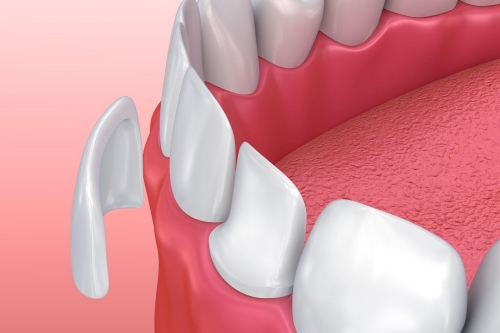
Any type of prosthetic or surgical procedure to be applied in the oral structure requires a healthy foundation. If an aesthetic porcelain laminate (leaf porcelain) is to be made for a patient, the condition of the gums must first be symmetric, non-bleeding, and healthy. If a measurement is taken from inflamed and infected tissue, the resulting porcelain will leave gaps once the tissue heals, which will adversely affect aesthetics.
In orthodontics, the situation is mechanically connected; applying orthodontic force to a tooth with resorbed bone support (periodontitis) causes that tooth to shake and fall out very quickly. Therefore, inflammation should first be eliminated, the tooth supported, and then wires can be applied. All these disciplines are coordinated in a way that protects each other.
How is Personalized Planning Done in Periodontal Treatments?
Every person’s oral anatomy and healing potential are different. Individuals with thick gingival structures are less likely to experience gum recession, while those with thin structures are more prone to rapid retraction due to brushing mistakes. Your dentist can choose to strengthen the area with microsurgery (tissue grafting) considering this structural difference.
In young patients with genetic predispositions, standard mechanical cleaning may not be sufficient; these cases can be controlled with systemic antibiotics after tissue analyses are conducted. As a result, despite the disease being identically named, a scientific narrative is followed where the anatomical signature of the patient determines the course of treatment.
What Should Be Considered to Protect Gum Health?
Mechanical trauma is as harmful as bacteria. Using abrasive hard toothbrushes and forcefully pressing against the teeth can cause the delicate pink tissue to recede and expose the roots. A toothbrush should always be chosen in soft/medium form and applied gently with a circular/sweeping motion.
Limiting acidic drinks and sugary foods in dietary habits reduces plaque formation speed. Additionally, avoiding tobacco products enhances the oxygen transport capacity of the capillaries feeding the gum tissue, creating a natural defense barrier.