
What are Pediatric Dental Treatment Applications?
The baby teeth that emerge during the early years of human life have a structurally and anatomically different composition compared to permanent teeth in adulthood. The thinner enamel layers, wider dentin canals, and pulp (nerve) chambers being closer to the surface prepare the ground for the faster progression of decay in baby teeth. Baby tooth treatments aim to repair these delicate dental structures by protecting them from acidic attacks and bacterial infections, while supporting the tooth’s function (chewing). A balanced diet and regular functioning of the digestive system are essential for a child at a developmental stage to perform their duties without causing pain in the baby teeth in the mouth.
In the Izmir location, the pediatric dentistry practices at Avrupadent clinics are conducted with an understanding that centers around pedagogical approaches suitable for the physical development and psychological sensitivities of young patients. Baby tooth treatments not only fix existing decay but also encourage the three-dimensional growth of the child’s jaw bones in the correct way. This medical spectrum, ranging from protective fluoride treatments to the cleaning of decayed tissues, lays a strong foundation for instilling oral care awareness among children, aimed at building a healthy base for future permanent teeth.
Why is the Treatment of Baby Teeth Important?
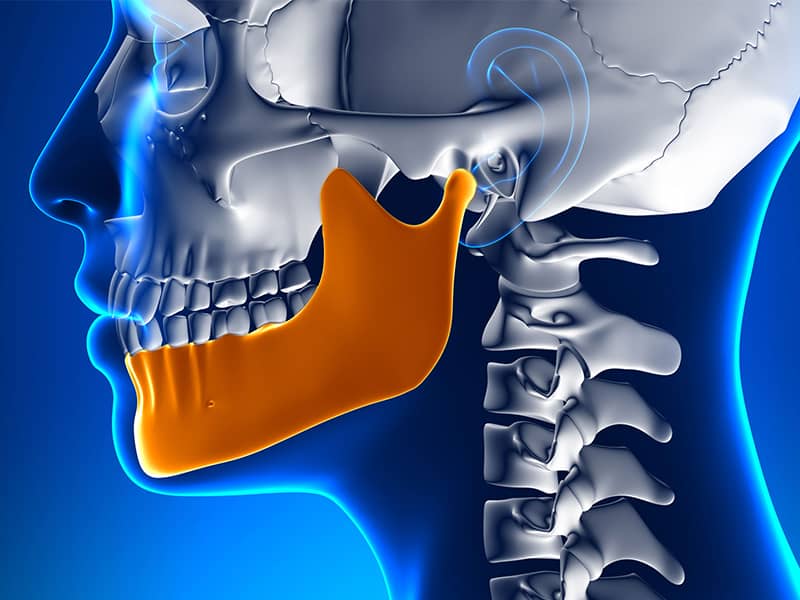
In society, there is a clinical misconception that treatments for primary teeth can be ignored due to the belief that they will eventually fall out. However, when a primary tooth is pulled out and causes pain to the child, the child avoids chewing with that area. This situation leads to disruptions in the child’s eating habits and can cause asymmetries in the jaw joint (temporomandibular joint) due to one-sided chewing. As long as the teeth are held in the mouth, the mechanism of the jawbone’s growth is stimulated.
Moreover, one of the most valuable functions of primary teeth is that they act as “natural space maintainers”. The gap left by a primary molar that is pulled out months or years early due to decay causes neighboring teeth to gradually tilt and shift. These shifts can narrow the emergence path of the permanent tooth that is coming up, resulting in that tooth being trapped within the jawbone or erupting in a crooked position. Preserving primary teeth through treatment allows for limiting future expansive orthodontic issues (needs for braces) in the early stages.
When Are Milk Tooth Treatments Applied?
Milk teeth are structurally thin and delicate, therefore they are affected much more quickly by external factors. Doctors decide on intervention according to the extent of tissue loss. The main situations that require treatment in children are as follows:
| Clinical Condition | Explanation and Treatment Justification |
|---|---|
| Bottle Caries | Nighttime feeding is characterized by broad, brown-black color tissue losses that start at the upper front teeth and spread rapidly. |
| Trauma (Fracture) Cases | Anatomical damages where the dental enamel or nerve is exposed due to falls or accidents during play. |
| Deep Dentin Cavities | Deep cavities that cause sensitivity in the tooth, food sticking, and difficulty chewing as bacteria penetrate beneath the enamel. |
| Pulpal Infections | Conditions where inflammation reaches the root tip, causing pimple-like fistulas (abscesses) on the gums and severe pain. |
How Are Milk Tooth Treatments Planned?
At İzmir Avrupadent branches, pediatric dental procedures are personalized not only based on the medical needs of the case but also according to the child’s psychology. For instance, if an X-ray is taken for a deeply decayed primary tooth, and if there are only a few months left until the underlying permanent tooth erupts, and the roots of the primary tooth have completely dissolved, rather than performing root canal treatment on that tooth, it may be more reasonable to extract it and wait for the eruption of the underlying tooth. However, extracting a tooth that still has 3-4 years until shedding will definitely require a restorative approach as it may hinder development.
In planning, the child’s clinical cooperation (level of cooperation) is also a determinant. In younger age groups or in children who carry a high anxiety about the dentist, scheduling appointments for numerous fillings over weeks can psychologically exhaust the child. In such cases, with the assessment of the specialists, it is included in the planning to complete all procedures comfortably in a single session under sedation or general anesthesia.
Who Might Be Suitable for Primary Tooth Treatment?
Interventions can be evaluated starting from infancy when their teeth begin to erupt. Especially in infants aged 2-3 years, where bottle weaning is rapidly spreading, preventive and curative interventions are initiated without delay. The goal of treatments is to prevent the infection from harming the child’s overall health (fever, facial swelling, etc.) or growth and development parameters.
In children with chronic disorders affecting cardiac functions, asthma, bleeding disorders, or the immune system, a dental treatment plan is established by consulting the child’s own physician (pediatrician). In cases where medication dosages and anesthesia protocols are approved by the medical doctor, clinical procedures for children in every age group are carried out with great care.
How is a Milk Tooth Examination Conducted?
The first examination in a clinical environment that a child is introduced to shapes their perception of future oral health. For this reason, the physician communicates with the child at eye level instead of intervening directly. The clinical chair is described in playful language as “spaceship,” the air-water syringe as “wind machine” or “water fountain.” The aim is for the child to hold the tools and feel them, thereby breaking the fear factor.
During the examination, the physician inspects the initial white or brown spots of decay on the teeth, checks for potential inflammation in the gums, and observes the alignment of the baby teeth in the jawbone. If there is no urgent pain or trauma during the first examination, only a preventive fluoride application is usually performed to avoid invasive procedures, or the appointment is concluded positively with brushing education.
How is an Evaluation Made Before Milk Tooth Treatment?
Before starting a surgical or restorative procedure, the dentist obtains significant diagnostic support from X-ray films. When primary teeth are decayed, the distance to the pulp (nerve) chamber is very short. A decay that appears only as a small spot to the eye can manifest as a large cavity reaching the root canals in the X-ray. These findings clarify whether only a filling will be done on the tooth or if the primary tooth will require root canal treatment.
Additionally, in the radiographs, it is assessed how much the roots of the primary tooth have resorbed due to the eruption of the permanent tooth. Root canal treatment is not applied to a tooth that has physiologically resorbed roots. Another aspect of the evaluation is the child’s diet (sugar consumption) habits; through interviews with the family, a caries risk profile is established, and clinical procedures are combined with preventive suggestions based on this profile.
What Applications Are Used in Primary Tooth Treatments?
Because the structure and chemical composition of milk teeth differ from adult teeth, the materials used in these treatments are specific equipment that will ensure biocompatibility with children’s tissues. The main materials used in the clinic are as follows:
-
\t
- Compomer Fillings: Filling materials that can release fluoride and are produced in colors (blue, pink, etc.) to match children’s tooth shades or to enhance motivation.
- Glass Ionomer Cements: Bioactive restorative materials chemically bonded to bone and tooth tissue that ensure the nourishment of enamel.
- Resorbable Canal Fillers: Special organic root fillings that can dissolve harmlessly with the root of the milk tooth when root canal treatment is performed, allowing for the permanent tooth to emerge below.
- Stainless Steel Crowns: Crowns that cover severely damaged and weakened milk molars, protecting the tooth until it falls out like a cap.
\t
\t
\t
How is a Treatment Approach Followed for Milk Tooth Decay?
The level of treatment is determined by the depth at which bacteria have penetrated the tooth structure. If a caries is detected at an initial level, no anesthesia (injection) is needed because there is no fluid in the tooth; small cleaning can be done, and the cavity can be filled with composite materials. This approach restores the tooth’s anatomical form, preventing food accumulation.
If the caries has advanced deeper and approached the pulp chamber but hasn’t completely infected the nerves, a partial root canal treatment referred to as “amputation” is applied to preserve the tooth’s vital function. In amputation, only the diseased nerves in the crown part of the tooth are removed, while the nerves inside the root are preserved and covered with special medications. In cases where inflammation has reached the root tip and caused swelling, all nerves in the root are cleaned, and the baby tooth root canal treatment protocol is implemented.
In which situations is baby tooth filling applied?
Children’s tooth enamel is softer and when in close contact with sugary foods, initially white spots form on the enamel, followed by brown cavities. As these cavities remain exposed, food particles get trapped inside them. Bacteria feed on these foods and quickly progress toward the nerve layer (pulp).
The filling is a mechanical barrier applied to limit this bacterial progression. The dentist completely cleans the decayed areas of the anesthetized tooth with special drills and replaces them with compomers or composite materials that are resistant to chewing forces, which are chemically bonded to the tooth. Thanks to this repair, the aesthetics of the tooth, its shape, and phonetic (letter articulation) function are successfully maintained until the tooth is lost.
When is Milk Tooth Root Canal Treatment Evaluated?
The basic principle of performing root canal treatment on primary teeth is the same as in adult teeth: to remove the infected internal tissues from the environment. Simply filling a very deep cavity is not sufficient; because bacteria have settled into the heart of the tooth (nerve chamber). After the tooth is locally anesthetized, the dentist removes those inflamed nerve fibers inside the tooth with special tools.
The main difference from adult root canal treatments is in the type of filling materials placed inside the root. The roots of primary teeth naturally resorb (dissolve) as the permanent tooth emerges from below. Therefore, the materials placed inside the canal are special components that can be resorbed by the body and adjust to that physiological resorption. This medical repair completely eliminates the child’s pain while ensuring the tooth continues to serve its guiding mission in the jawbone.
What are the preventive practices in the treatment of primary teeth?
The purpose of modern pediatric dentistry is to prevent decay before it even begins rather than treating it after it has occurred. The fundamental barrier procedures applied in line with this preventive dentistry philosophy are as follows:
| Type of Preventive Procedure | Clinical Function of the Procedure |
|---|---|
| Fluoride (Varnish) Applications | By incorporating into the structure of tooth enamel, it increases the physical resistance of the enamel against acids produced by bacteria and helps remineralize early carious lesions. |
| Fissure Sealants | Sealing the fine grooves on the chewing surfaces of molars using flowable materials to prevent food from getting stuck in those areas. |
| Space Maintainers | Preventing the tilting of neighboring teeth into the gap left by early loss of baby teeth due to caries, thereby protecting the orthodontic space. |
| Athlete Mouthguards | Limiting the fractures or concussions in the teeth caused by impacts to the jaws of children engaged in contact sports. |
What Should Be Considered Before Baby Tooth Treatment?
A child’s compliance to the dentist’s chair is directly linked to the parents’ attitude at home. When negative-rooted words like “don’t be afraid, it won’t hurt, no needles” are used before going to the clinic, the child subconsciously thinks they are going to a “place where they might feel pain” and becomes anxious. Instead, more calming and curiosity-inducing positive phrases like “they will clean the germs from your teeth” should be preferred.
Before routine fillings or procedures requiring local anesthesia, it is important that the child is not very hungry for maintaining blood sugar levels. However, if the treatment is planned under sedation (light sleep) or general anesthesia, restricting fluid and food intake in accordance with the anesthesia specialist’s instructions during a specific time frame prior to the procedure is a medical necessity.
How to Care for the Mouth After Tooth Treatment?
Treating cavities does not mean that new cavities will not form. When the edges of the fillings are not brushed, they become exposed to acid attacks again, and seepage may begin around the filling. Since children’s hand-wrist motor muscles do not fully develop until around the age of 8, the act of brushing should not be left entirely to the child’s own initiative. After the child brushes their teeth, a parent must take the brush and thoroughly go over all tooth surfaces.
The choice and dosage of toothpaste is often adjusted according to the swallowing reflex. Using fluoride toothpaste in concentrations suitable for children’s age range helps maintain enamel resistance. Since food particles stuck between milk teeth cannot be cleaned with toothbrush bristles, gently cleaning those areas with kids’ dental floss in the evening before bedtime helps prevent neighboring teeth from decaying.
How Can Milk Tooth Treatments Affect a Child’s Permanent Tooth Development?
Milk teeth are in very close anatomical relationship with the permanent tooth buds beneath them. If a milk tooth causes inflammation (abscess) at the root tip due to deep decay, this inflammatory fluid directly contacts the undeveloped enamel structure of the permanent tooth inside the bone. This acidic contact can lead to structural defects in the enamel of the permanent tooth, resulting in yellow-brown permanent stains (Turner tooth hypoplasia). When this inflammation is cleaned with milk tooth root canal treatment or filling, the development area of the underlying permanent tooth is also protected.
Additionally, the teeth in the dental arch rest against each other. If the primary teeth are lost, the adjacent tooth wall to the side is reduced, which causes the other teeth to lean into that gap and narrow the dental arch. The anatomical fillings made help restore the size of that tooth to its original width, preserving the length of the arch. Thus, the necessary millimeter spacing for the permanent teeth is successfully maintained.
What Approaches are Considered in Cases of Early Loss of Primary Teeth?
One of the most important functions of primary teeth is to act as natural space maintainers. According to the dynamics of jaw bone growth, the backmost permanent molars always exert a force pushing forward. If there is no supportive barrier (primary tooth) in between, these molars lean into the extraction site, narrowing the arch area. Even a slight narrowing of a few millimeters may cause the incoming permanent tooth to remain buried in the bone.
Pediatric dentists apply space maintainers with a band system or acrylic plates without delay to replace lost primary teeth. Neighboring teeth that tend to tilt into the gap remain locked in place with the physical support provided by the appliance. These devices, which remain in the mouth from the tip of the lower permanent tooth to the gum, are one of the most valuable medical interventions that eliminate the burdensome orthodontic wire treatments that may be required later.
Why Are Control Examinations Important in Primary Tooth Treatments?
The dynamics of children’s mouths have a much faster cycle than adults. A primary tooth that appeared healthy a few months ago can quickly become infected with a silent decay after a sugary diet. Routine visits planned at intervals of 4 to 6 months allow for the early detection of these decays before they progress and cause pain, enabling practical repair with simple fillings.
Additionally, during these periodic checks, not only the anatomy of the teeth but also the eruption sequences (which tooth fell and when, and which one emerged) and the mechanical relationship between the upper and lower jaws are monitored. An emerging lower jaw tension or thumb-sucking habit can be addressed by a physician by detecting it during the childhood years when bone flexibility is high, and corrected at the skeletal level using simple extraoral or intraoral appliances.
Can Milk Tooth Treatments Be Planned Together with Other Pediatric Dentistry Applications?
Efficient use of time management and the child’s tolerance duration (endurance) in the dental chair is one of the fundamental principles of pediatric dentistry. When the child is in a comfortable position under local anesthesia (when the area is numb), all small cavity treatments or preventive brushing applications in that area can be processed consecutively, minimizing the number of sessions.
In cases where multiple procedures are required (such as comprehensive bottle fillings) and among age groups that struggle to cooperate with doctors, the overall coordination reaches its maximum level in general anesthesia or sedation rooms. When the child is sedated, specialist doctors perform fillings or crowns on all tooth surfaces, extract infected teeth, and complete preventive barrier treatments. Thus, the oral rehabilitation of the child can be medically completed in a single session.
How is Personalized Planning Done in Baby Teeth Treatments?
Every child’s temperament and oral flora are unique. In a compliant and comfortable child, procedures are carried out using standard filling and anesthesia protocols divided into sessions in the clinic; while the same treatments for children who have a strong fear of dentists (anxiety) or have special conditions such as attention deficit hyperactivity disorder (ADHD) are designed to adapt completely to the child’s pace using superficial gels or sedation protocols.
Izmir Avrupadent is the clearest guide to the “milk tooth” calendar. If the roots of a milk tooth in the films of a child aged 9 have not dissolved chronologically, it is planned to coat that tooth with much more durable materials (for example, stainless steel crowns) so that it will remain in the mouth for many years. However, if there are only a few months left until the tooth is lost and it is decayed, more temporary glass ionomer fillings or more practical clinical routes specific to the patient, such as extraction, are drawn up to just protect the tooth.