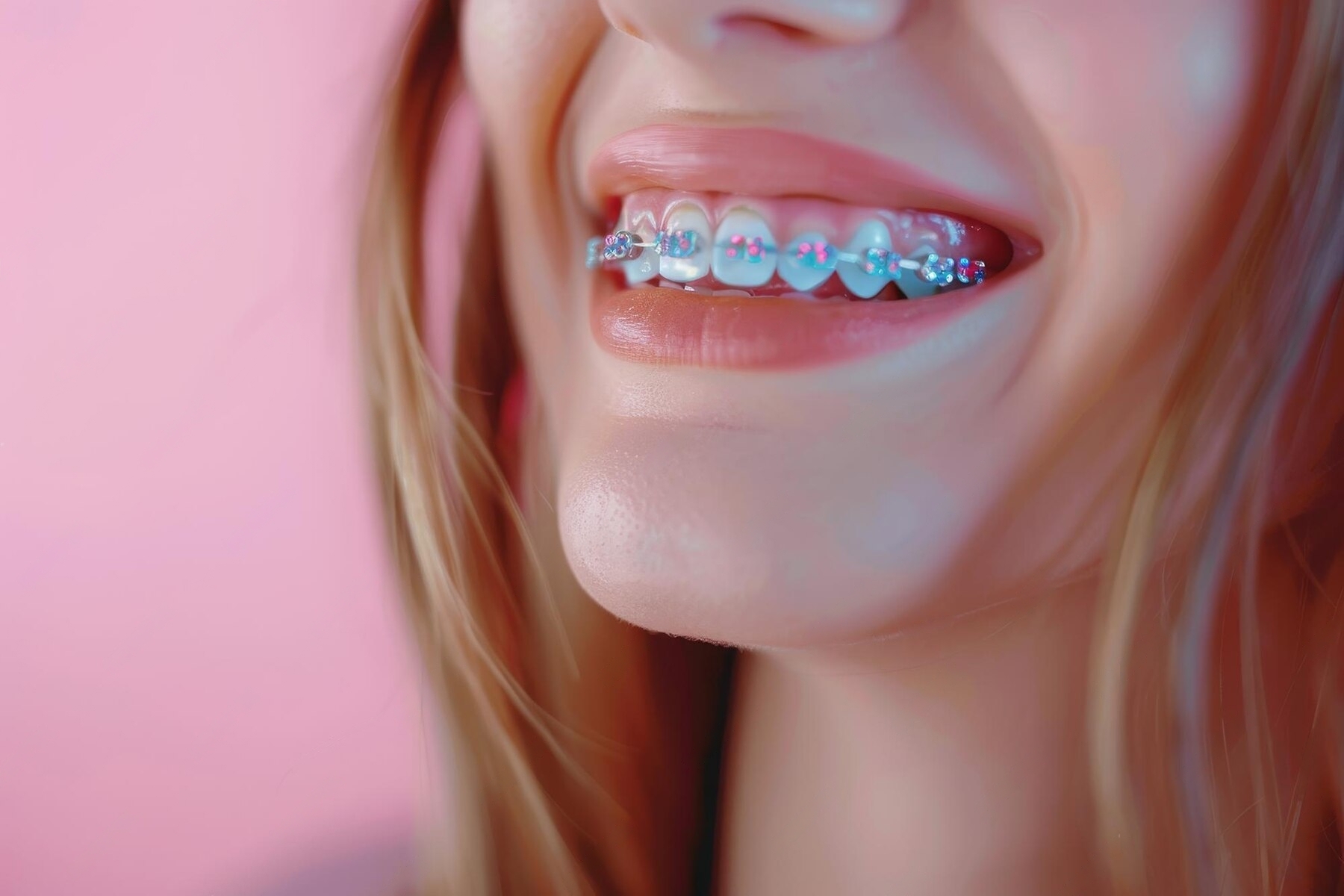
What is Orthodontics?Orthodontics; is a specialty in dentistry that studies the alignment of teeth over the jawbone, the occlusion relationship between the upper and lower jaws, and the three-dimensional harmony of these structures with facial anatomy, focusing on the diagnosis and treatment of structural or dental incompatibilities.
For the chewing system in human anatomy to function healthily, it is essential that teeth are positioned at the proper angles over the jaw arches and that the lower and upper jaws interact with harmony like a tooth gear. When this mechanical harmony is disrupted, not only does the appearance of the teeth suffer, but it also negatively affects the masticatory function, which is the beginning of the digestive system, and the phonetic productions during speech. The science of orthodontics applies specific forces to the teeth using the construction-destruction mechanisms of the bone tissue surrounding the teeth, biologically moving them within the jawbone to their ideal positions.
At Avrupadent clinics located in Izmir, orthodontic approaches are structured with protocols that address the individual’s aesthetic expectations alongside the needs of chewing mechanics as a whole. The correction of occlusal disorders also alleviates the irregular loads on the jaw joint (temporomandibular joint) and allows areas of misalignment that are difficult to clean to become manageable, thus supporting the long-term maintenance of oral health.


What Dental and Jaw Problems Does Orthodontics Address?
Problems can occur at the dental level or can arise from the positional relationship of the bones, manifesting in skeletal dimensions. The main types of anomalies identified in clinical evaluations that require orthodontic intervention include:
In What Situations Is Orthodontic Treatment Applicable?
Misalignment of teeth not only creates a visual disadvantage but also creates hard-to-clean areas (shadows) on the tooth surfaces, leading to tartar buildup, and consequently, periodontal diseases and widespread cavities. No matter how carefully an individual brushes their teeth, the plaque in the interproximal areas of overlapping teeth cannot be completely cleaned. Addressing these functional and hygienic challenges is the primary medical reason for treatment.
Moreover, the irregular contact between the upper and lower teeth can exert much greater forces on some teeth than they can bear. This disproportionate load can lead to wear, fractures, and loss of supporting structures in the root. Orthodontic interventions play a preventive role in preserving functions that can be lost later in life.
How is the Orthodontic Treatment Process Planned?
In the clinical process, the movement ability and the distance to be covered of each tooth within the jawbone are meticulously planned in millimeters. The physician considers the resorption and apposition capacity of the bone surrounding the roots while determining the force that will move the teeth. Since a force applied too quickly can damage bone and root tissue, planning is always designed according to the principle of slow and controlled biological movement.
In the İzmir Avrupadent protocols, the X-ray, photograph, and digital measurement data collected from the patient are transferred to specialized orthodontic software to create a diagnostic map. In transparent plate (aligner) treatments, these digital data are shown to the patient in an animation (simulation) displaying step-by-step how the teeth will be adjusted, and a treatment plan indicating how many weeks of progress will be followed is established before commencing treatment.
Who Can Benefit from Orthodontic Treatment?
There is a common misconception in society that orthodontic procedures are only performed during childhood; however, since the cellular bone cycle continues throughout life, teeth can be moved even in later years. The crucial criterion is the health of the tissue rather than age. If an adult has untreated advanced inflammation (periodontitis) in the gum tissue or active bone loss, applying orthodontic force to that tooth may lead to tooth extraction, so in such cases, tissue repair is prioritized first.
For children in the developmental stage, the suitability for treatment carries a different medical significance when the aim is to guide jaw growth. Starting treatment for a child whose lower jaw is very far back during the growth spurt (puberty) provides significant skeletal clinical advantages.
How is an Orthodontic Examination Conducted?
The specialist focuses not only on the teeth but also on the relationship of the entire cranial skeleton with the teeth during the physical examination. It is carefully analyzed how much of the upper teeth is visible when the patient’s lips are closed at rest, speaking, and smiling (smile line). The temporomandibular joint (TMJ) is manually examined to note if there is any clicking sound or functional limitation during opening and closing.
In dental-based assessment, it is determined whether the midlines of the upper and lower jaws align, and the amount of space restriction (measured in millimeters) that causes crowding or excess spacing between the teeth is calculated. If the individual is a child at the growing stage, the timing of the shedding of the primary teeth and whether there is enough space for the permanent teeth that will come in underneath is also a critical part of the examination.
How is an Evaluation Done Before Orthodontic Treatment?Pre-treatment clinical assessment; it involves a detailed evaluation of all teeth, dental calculus accumulations, and root tip inflammations in the patient’s mouth, to ensure they do not hinder treatment, as well as the surgical assessment of any impacted or wisdom teeth that may need to be extracted.
When brackets or clear aligners are placed in the mouth, new areas will be created for bacterial plaque accumulation. If there is an untreated cavity in the patient’s mouth, the treatment of this cavity becomes much more difficult after orthodontic appliances are placed, and the lesion can progress rapidly and reach the nerve. Therefore, before starting active movable treatment, the oral flora should be brought to an ideal level with restorative (filling, etc.) and periodontal procedures.
Additionally, the presence of some healthy teeth that need to be extracted (like premolars) due to impacted teeth or the narrowness of the jawbone is also identified during this pre-evaluation phase. A patient’s motivation for maintaining long-term hygiene and medical check-ups is an essential aspect of the medical assessment for orthodontic treatment.
What Diagnosis and Imaging Methods Are Used in Orthodontic Treatment?
Accurate diagnosis determines the direction that treatment will take. The main methods used in clinics to detect bone sizes and openings that cannot be seen with the naked eye are as follows:
- ♦ Cefalometric Radiography: This is the primary orthodontic X-ray that measures the angular distances of the upper and lower jaw bones to the base of the skull, taken in a full-profile view of the head.
- ♦ Panoramic Radiography: This technique shows the structure of all tooth roots, any cysts within the jaw, erupted wisdom teeth, and the levels of bone support at a large scale.
- ♦ Intraoral Digital Scanners (3D Scanner): These are high-resolution cameras that replace traditional impression materials and project the three-dimensional topography of jaw arches onto a digital screen.
- ♦ Wrist Radiography: This is preferred to determine at which stage of growth the child’s skeleton is, helping to time skeletal orientation treatments.
What Applications Are Used in Orthodontic Treatment?
The choice of application varies depending on the patient’s medical needs and social expectations. Metal brackets are often preferred for treating severe malocclusions as they are the most durable and have a low breakage rate. However, in adult patients with high aesthetic expectations, ceramic or sapphire brackets that match the enamel color are used to ensure that the wires are less noticeable in social life.
Recently gaining popularity, clear aligner systems (wire-free orthodontics) gradually move teeth through digital planning. Patients can remove their aligners while eating and brushing their teeth, making it much more practical for maintaining oral hygiene compared to metal wires. Additionally, mobile-fixed mechanical devices like growth-guidance appliances or face masks used in childhood development are also included in the clinical treatment spectrum.
What Are the Stages of Orthodontic Treatment?
For a tooth to be able to move within the bone and to be stabilized by re-ossifying at the target location, the stages are carried out in a sequence that complies with biological principles:
What Should Be Considered Before Orthodontic Treatment?
Starting treatment requires a long-term collaboration between the patient and the dentist. After brackets are attached to the teeth, biting into hard snacks like hazelnuts, walnuts, or chickpeas, or hard fruits like apples and quinces with the front teeth can cause the brackets to break. Each broken bracket resets the tooth movement process, prolonging the treatment duration. Patients should be prepared to chew food by breaking it into smaller pieces and chewing it with their back molars throughout the treatment.
Moreover, the time dedicated to oral hygiene will be more than the standard periods. Due to the necessity of carefully cleaning around the brackets, patients should mentally adopt the discipline of dedicating time to their brushing routine as part of the process.
How Should Oral Care Be Performed During Orthodontic Treatment?
Metal or porcelain fragments create extremely suitable residues for the retention of food debris and bacteria. When cleaning is insufficient, whitish initial cavity stains (white spot lesions) are observed on the edges of the brackets and red lesions associated with inflammation on the gums. Teeth should be brushed gently with an orthodontic toothbrush, ensuring that the bristle tips contact the gum line as well as the upper/lower edges of the brackets at an angle of 45 degrees.
Using dental floss can be difficult with brackets, as the wire obstructs it. To overcome this barrier, special orthodontic dental floss (superfloss) with a reinforced guiding tip should be passed under the wire to ensure thorough cleaning. In the case of plate treatment, removing the plates for routine brushing of the teeth and cleaning the plate separately with a liquid soap-soft brush helps maintain overall hygiene.
What Should Be Considered After Orthodontic Treatment?
Once the treatment with active devices is finished, the wires are removed; however, due to the elasticity of the periodontal fibers surrounding the roots of the teeth, there is a tendency for them to return to their previous misaligned positions (relapse). It can take months or even years for the bone and fibers to fully adapt and harden to this new excellent position of the tooth. The protocols applied to limit this relapse are referred to as “retention” (stabilization) treatment.
Generally, a thin wire (lingual retainer) is fixed to the invisible inner (lingual) surfaces of the lower and upper anterior teeth. This wire is not visible from the outside and does not affect speech. Additionally, a clear retainer may be given to the patient to wear at night. If the patient does not wear the retainers thinking that the treatment is “already finished” after the wires are removed or does not consult their doctor when they break the wire inside, the aesthetic alignment achieved as a result of the treatment will deteriorate over time.
What Appliances Are Used in Orthodontic Treatment?
The medical equipment applied at the İzmir Avrupadent branches has been designed with material science to ensure the transmission of case-specific forces. The specific appliances evaluated in the clinic are as follows:
-
\t
- Fixed Bracket Systems: Traditional devices with metal and porcelain (sapphire) forms, attached to the tooth enamel with composites, and which operate under the guidance of the archwires running through them.
- Aligners: Aesthetic plates produced with special scans on 3D printers, designed to progressively move the teeth millimetrically as they are placed one after the other.
- Jaw Expanders: Palatal appliances used to widen the jaw transversely by separating from the midline of the upper jaw in children with skeletal narrowness.
- Oral Appliances: Skeletal devices like headgear, face masks, and chin straps that are used to guide or pressure the jaw growth.
When Should Orthodontic Evaluation Be Done in Children?
The general belief in society is that all baby teeth should fall out and the completion of permanent teeth (around age 12) should be awaited; however, this is misleading. If a child has skeletal issues such as lower jaw constriction, upper jaw narrowness, or crossbite, these issues can be resolved much more easily with palatal expanders or orthodontic appliances as part of functional orthodontics in the age range of 7-10, when bone flexibility is high.
After the growth period is completed (when the bones have hardened), addressing these types of skeletal problems generally becomes possible only through orthognathic surgery (jaw surgeries). By restricting deformations in dental structure in the early stage with preventive and interceptive orthodontic approaches (such as eliminating habits like thumb sucking and nail biting), the need for more complex treatments in the future is reduced.
Can Orthodontic Treatment Be Applied to Adults?
The majority of patients receiving braces treatment today are adults. Due to the slower tissue metabolism in older age compared to children, the movements of teeth may take a bit longer; however, clinically, the final alignment quality can be the same.
When considering the professional and social lives of adult patients, aesthetic options that are often not noticeably different from the outside are preferred. Porcelain (sapphire) brackets that match the color of the enamel, lingual orthodontics applied to the inner (tongue) surfaces of the teeth, or completely clear, removable aligner trays are modern solutions that eliminate aesthetic concerns for adults.
Can Orthodontic Treatment Be Planned Together with Other Dental Treatments?
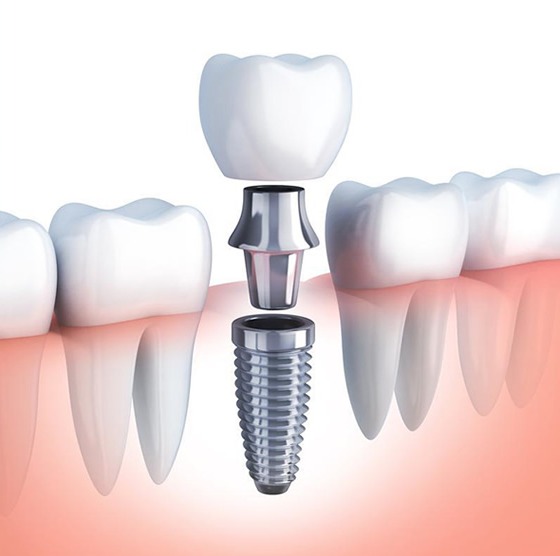
In patients with missing teeth, the neighboring teeth on the right and left eventually tilt towards that gap over time. When planning to place an implant in that area, there may not be sufficient space available. Orthodontic mechanics can straighten the tilted teeth over the course of several months, thereby recreating the original distances that allow the practitioner to place an implant of standard size.
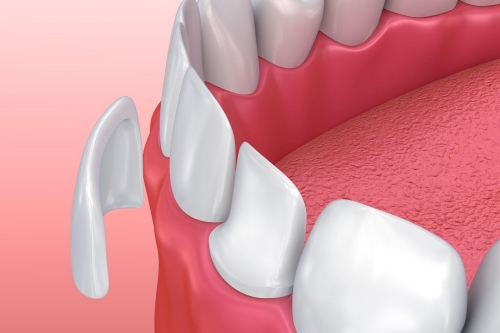
In aesthetic dentistry, for individuals wanting to have laminate or zirconium crowns but possessing irregularly shaped teeth, if a direct crown is applied, it is necessary to remove a lot of healthy enamel to correct the teeth. With a few months of brief orthodontics prior to the procedure, the teeth are drawn into the appropriate curve and afterwards, porcelain restorations can be included in the aesthetic profile with almost no reduction (prepless laminate).
Why Are Control Check-Ups Important in Orthodontic Treatment?The Clinical Importance of Check-Ups; is to timely detect deficiencies in hygiene that could cause fractures at the bracket edges and to adjust or tighten the mechanical forces applied to the teeth (arch wires or elastics) periodically to direct the movement (activation).
After the wires attached to the braces move the teeth to a certain level, the wire’s memory (elasticity) force gradually decreases, and the movement of the teeth stops. During these activation appointments, usually scheduled between 4 to 6 weeks, the doctor continues the biological movement by either increasing the thickness of the wires or using elastics that apply pulling forces in different vectors between the teeth. Neglecting these appointments (for instance, not attending for months) not only prolongs the duration but can also lead to uncontrolled teeth deviating in wrong directions.
During these check-ups, the doctor evaluates whether there is any root resorption in the teeth and assesses the patient’s tooth brushing performance. Patients with significant plaque accumulation are given hygiene education again to prevent the formation of permanent white spots (initial demineralization) in the enamel tissue under the brackets.
What Factors Affect the Orthodontic Treatment Plan?
There are various biological and behavioral factors that determine how long an orthodontic case will take and the mechanical means it will use (whether brackets, plates, or surgical support):