




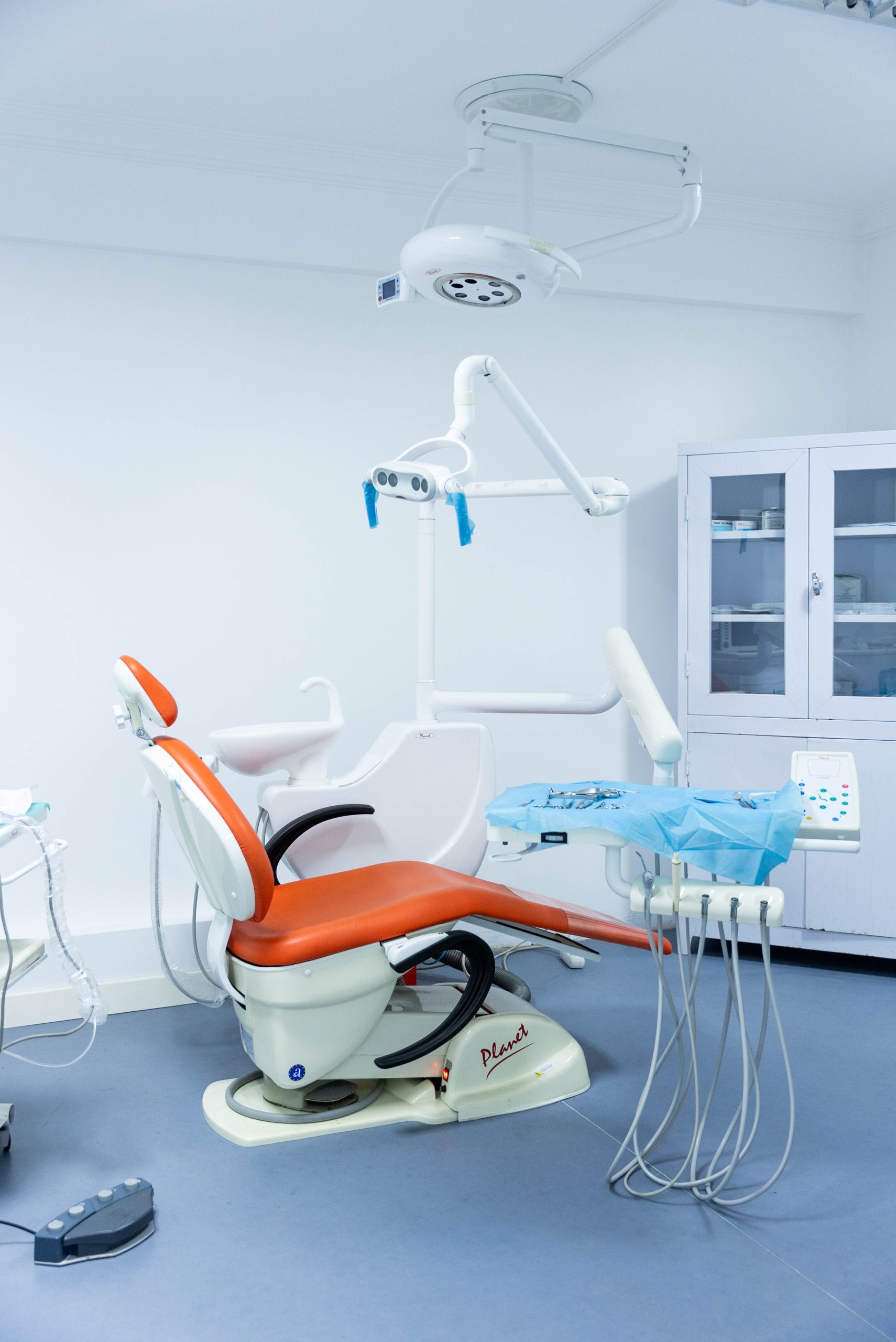
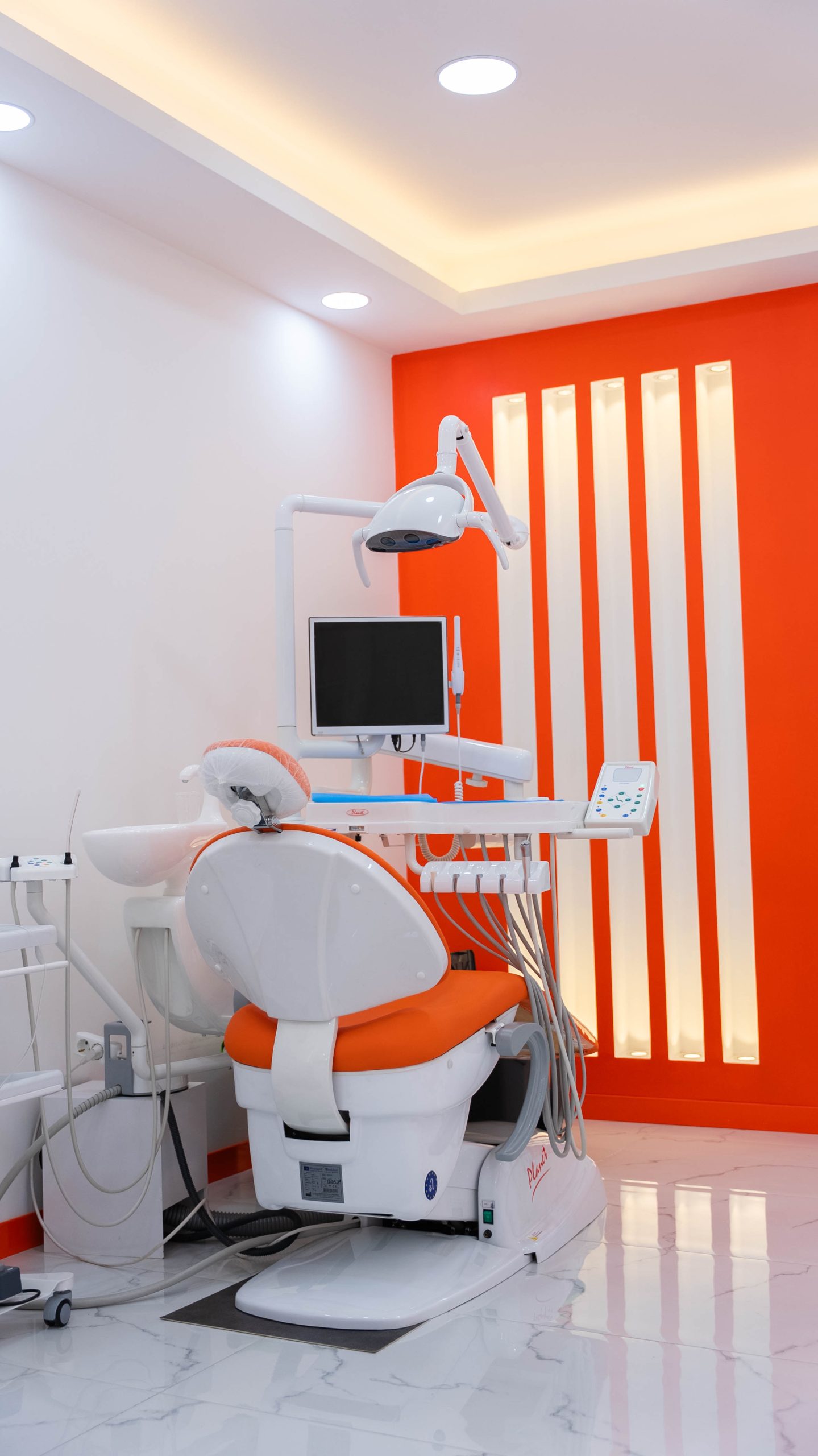
Gaziemir Akçay Dental Clinic | Avrupadent Gaziemir Akçay
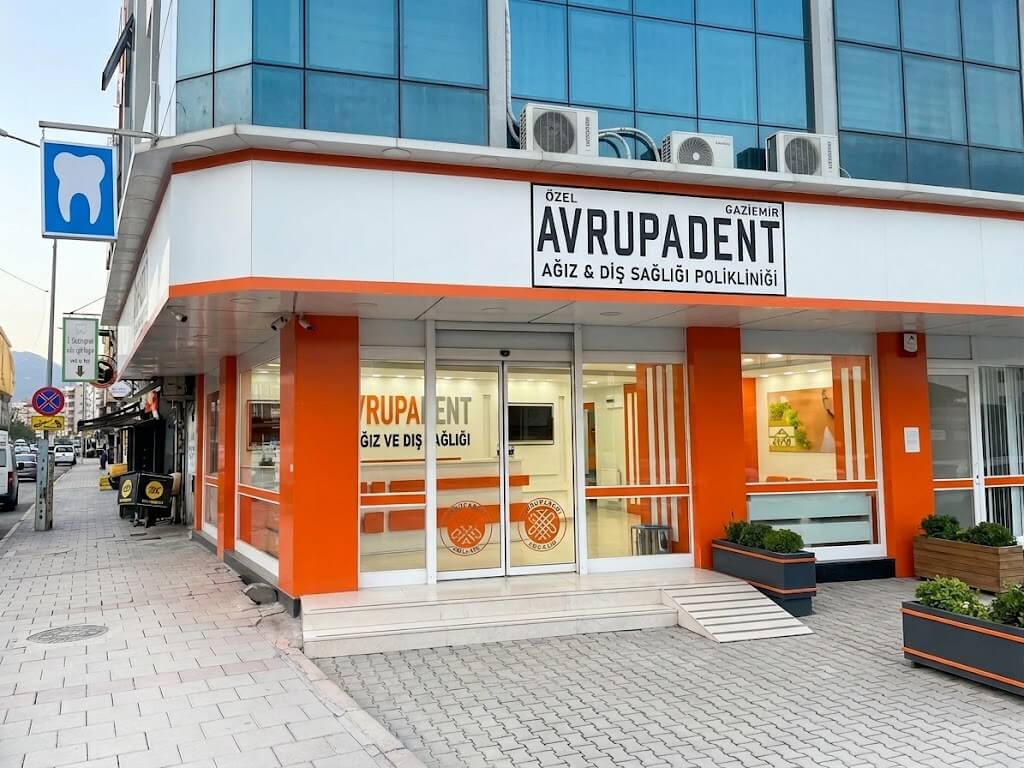
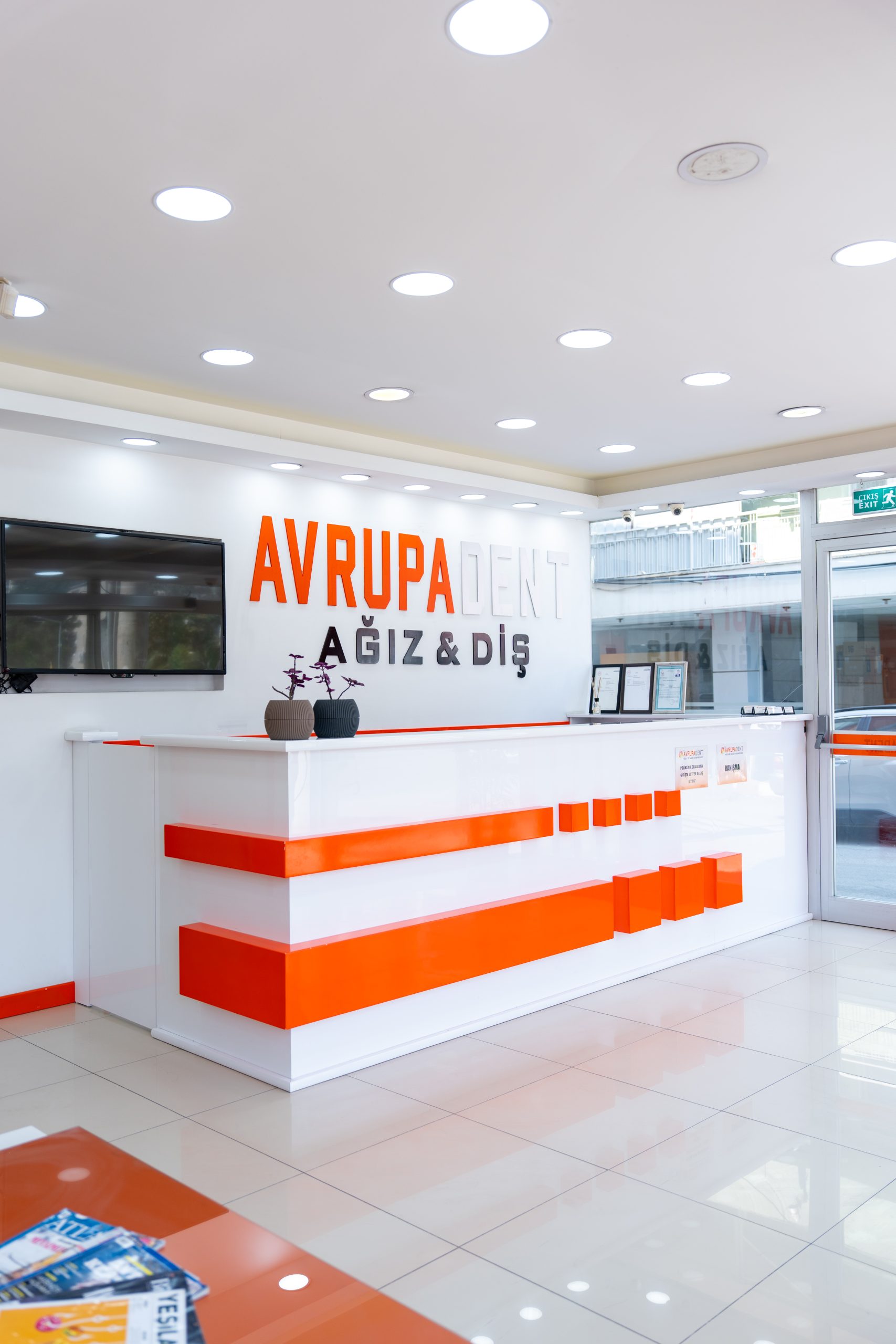
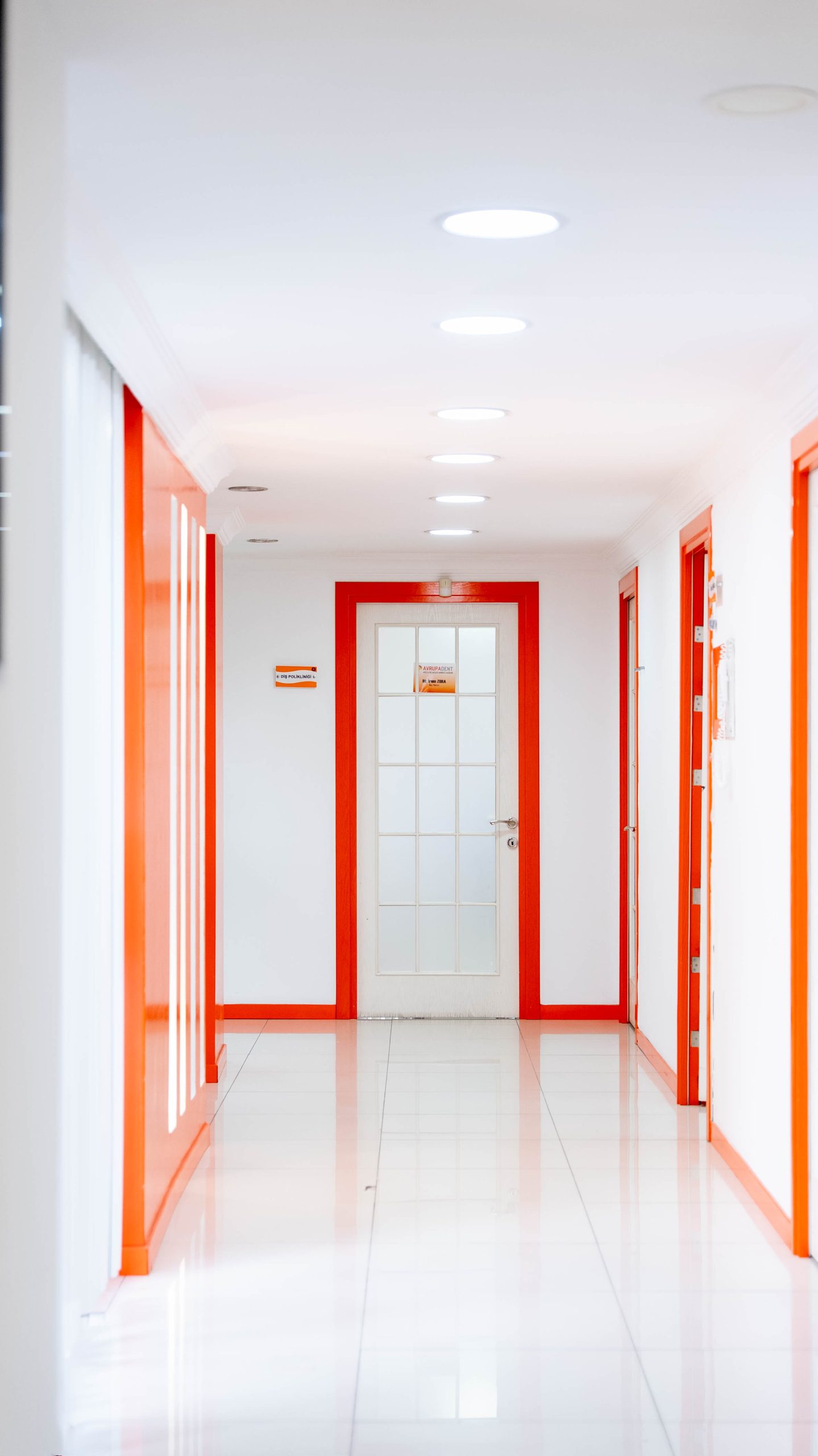
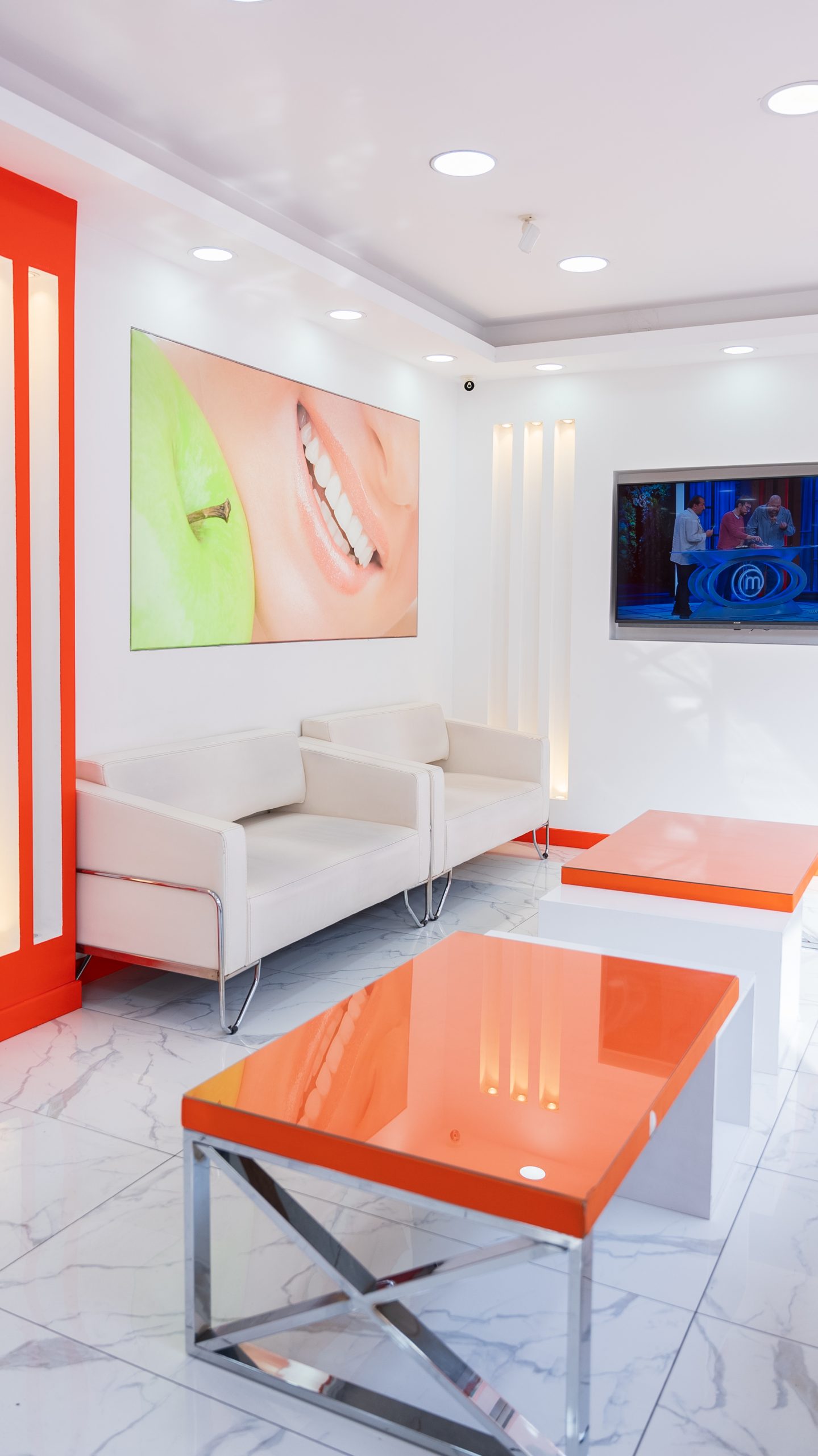
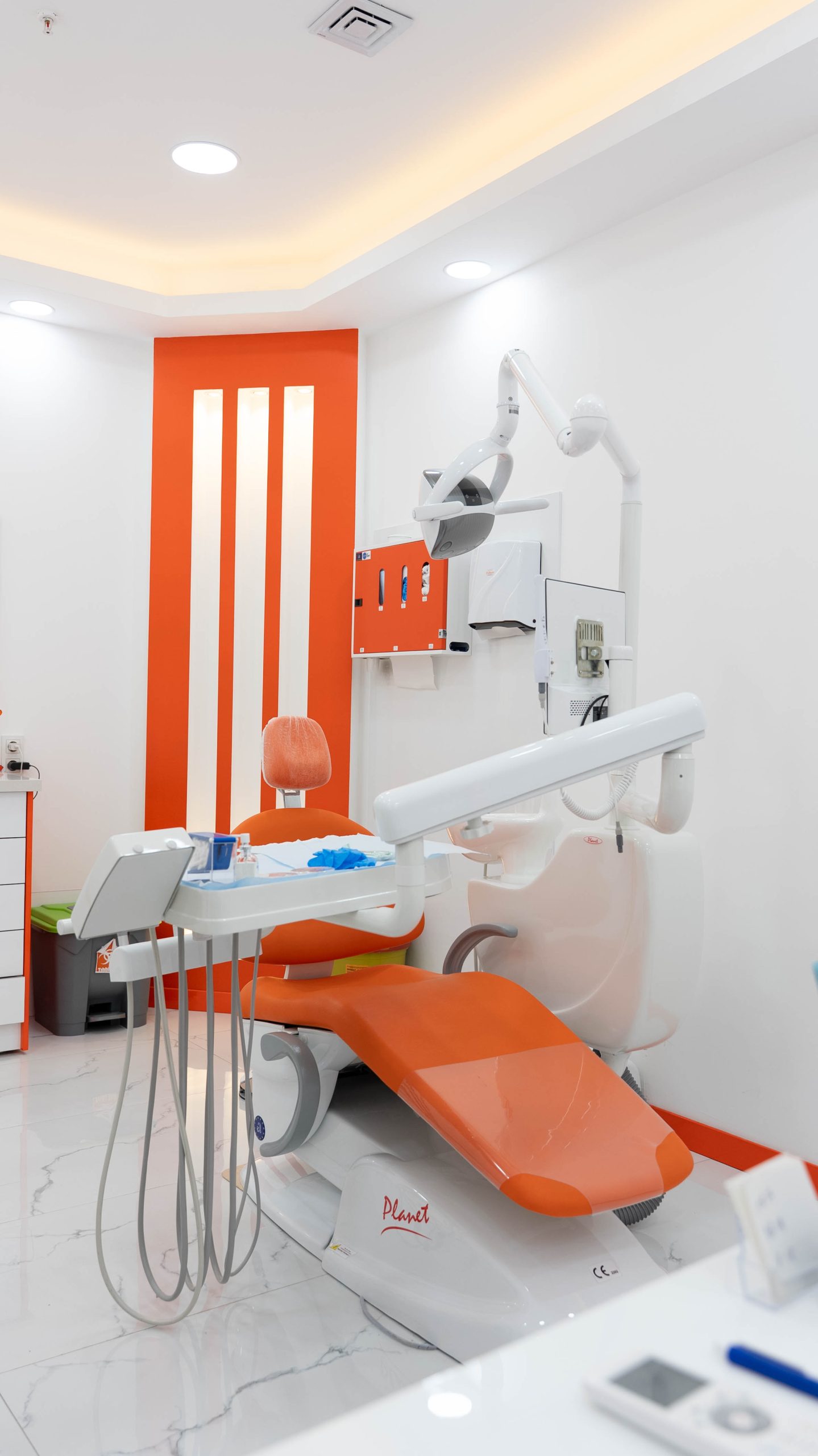
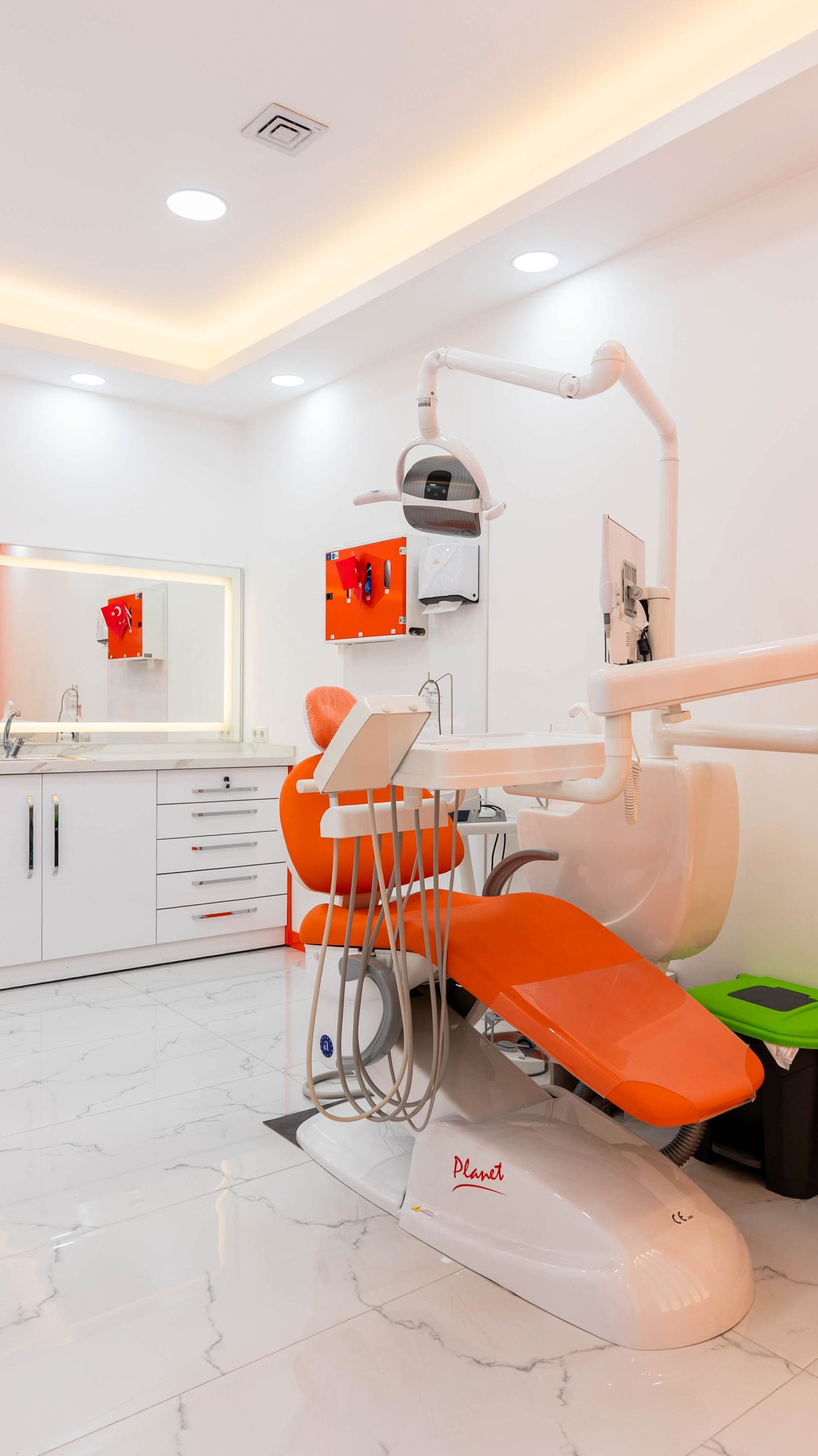
For individuals wanting to regularly monitor oral and dental health on the Akçay Street axis in Izmir Gaziemir, the Avrupadent Gaziemir Akçay branch offers a patient-centered healthcare organization where multiple specialist doctors work in coordination, current clinical examination protocols are implemented, and medical hygiene standards are adhered to.
What is the Open Address of Avrupadent Gaziemir Akçay Branch and What are the Transportation Options?
Being located on major arterials during clinic visits is important for individuals to arrive without delay at their scheduled appointment times. The facility located on Akçay Street is positioned in a practical transport corridor with the Aegean Free Zone (ESBAŞ), Gaziemir trade areas, and surrounding access roads. It can easily be reached from İZBAN suburban train stops on foot or via municipal buses and minibuses that pass through the street.
Individuals arriving by personal vehicles can access the facility using the İzmir Ring Road Gaziemir junction or the side access roads of Akçay Street. The street around the branch aims to facilitate parking through parking bays and nearby parking areas. The architectural arrangements within the building have been designed to be suitable for families with strollers and visitors with mobility limitations.
| Transport Type | Used Line / Route | Starting Point and Access |
|---|---|---|
| İZBAN Commuter Line | Aliağa – Cumaovası / Tepeköy Line | It is a short distance reached by getting off at Gaziemir or ESBAŞ stop |
| ESHOT Buses | Akçay Street connecting southern and central municipal lines | Stops at Gazi Neighborhood or Akçay Street |
| Dolmuş / Minibus | Dolmuş routes: Konak – Karabağlar – Gaziemir – Menderes | Passenger drop-off points on Akçay Street |
| Private Vehicle | Main artery or bypass connection of Akçay Street | Street-side parking areas and nearby parking lots |
How is the Initial Appointment Scheduling and Clinical Registration Process Conducted?
The initial application made to the clinic is not merely a session where the teeth are observed, but a comprehensive registration process where the individual’s overall health profile is examined. Factors determining the procedures to be applied by the physician and the solutions they will choose include blood pressure balance, blood sugar monitoring, cardiovascular history, or specific tissue sensitivities to certain substances. The forms filled out in the consultation unit are transferred to the physician’s review screen simultaneously.
Avrupadent Gaziemir Akçay branch accepts patients for examinations without interruption from Monday to Saturday between 09:00 – 23:30. This extended working schedule, lasting until 23:30 at night, provides flexible session options for workers and students who cannot find time after working hours or during the day.
- ■ The consultation staff includes the patient’s previous physician reports and examination records in the system.
- ■ The central staff organizes referrals to specialist physicians according to prosthetic, surgical, or orthodontic needs.
- ■ A foundational comparison tracking is established for subsequent periodic check-ups through the clinical database system.
What Assessment Methods Are Used in the First Examination of Oral and Dental Health?
Focusing solely on the complaint in dental practice may overlook initial level problems in adjacent tissues. At Avrupadent Gaziemir Akçay clinic, the oral structure is considered as a whole. The doctor meticulously evaluates microscopic cracks in the dental enamel, bacterial accumulations on the gum edges, and the closing balance of the jaw joint.
The findings from the radiological examination are assessed together with the patient in the examination room. The doctor expresses the current tissue condition in simple terms, clarifying the rationale and prioritization for the necessary procedures. This aims to ensure that the person has complete information about their treatment process.
| Examination Method | Scope of Review | Clinical Contribution |
|---|---|---|
| Clinical Examination (Mirror and Probe) | Tooth cracks, surface fractures, and mobility control | Initial detection of tissue loss |
| Periodontal Probing | Depths of periodontal pockets and bleeding status | Detection of gum recession and bone support level |
| Radiological Analysis | Root tips, mandible borders, and impacted teeth | Examination of unnoticed lesions and intermediate dental caries |
How is the Process of Jaw Surgery and Wisdom Tooth Extraction Planned?
Third molars can remain horizontally positioned within the bone when they do not find space in the jaw arch or can remain partially erupted. The gum flaps around partially erupted teeth can facilitate the accumulation of food debris, triggering localized tissue infections called pericoronitis. Mechanical pressure applied to the root of the adjacent second molar can lead to root resorption.
The distance between the nerve line passing through the lower jaw and the tooth roots of the upper sinus floor is examined before the surgical intervention at the Gaziemir Akçay branch. A small incision is made under local anesthesia, and the tooth is extracted with an appropriate control; the operation area is disinfected and closed with stitches. The recovery period is monitored according to the care principles determined by the physician.
- ■ The distance to the lower jaw nerve canal determines the surgical technique to be applied.
- ■ In areas where there is suspicion of a cyst or lesion, tissues are removed surgically.
- ■ Tissue healing is completed on average within 7 to 10 days with the removal of stitches.
What Approaches Are Adopted in a Clinical Environment for Individuals Experiencing Dental Anxiety (Dental Phobia)?
The hesitation felt during the appointment process may stem from negative past experiences or uncertainty about the procedural steps. In the Avrupadent Gaziemir Akçay branch, relaxation rooms are designed with soft colors and clean air circulation to mitigate stress factors. Acoustic insulation measures in treatment areas limit the spread of sounds to shared spaces.
A transparent dialogue is conducted in the examination chair. Aromatic gels applied to the tissue surface before local anesthesia reduce the sensation of burning. During the session, a small hand gesture from the patient allows the physician to pause the procedure, facilitating progress within a collaborative working relationship.
| Application Area | Details and Explanation |
|---|---|
| Use of Topical Gel | Numbing the tissue surface before injection |
| Patient Information | The patient will be verbally informed before each step to be applied |
| Flexible Break System | The session can be stopped at any moment by the patient’s gesture |
What Standards Are Followed for Clinical In-House Sterilization and Hygiene Procedures?
Preventing the passage of microorganisms in a clinical environment is a fundamental basis of health care. In the Gaziemir Akçay branch, the infection control protocol is strictly applied at the end of each session. Used surgical and examination materials are transferred in sealed containers to the cleaning area and are kept in enzymatic liquids to dissolve organic residues.
Cleaned instruments are placed in airtight packages and passed through a high-temperature and saturated steam process. The color-changing indicators on the packaging document that the packages are only opened at the patient’s head. Seating surfaces and areas of hand contact are sanitized with medical antiseptic solutions with each patient change.
- ■ Patient disposables such as urinals, cups, syringes, and aspirators are single-use items.
- ■ Steam sterilization processes are monitored by independent laboratory tests at regular intervals.
- ● The indoor air of the clinic is kept under fresh air flow through filtration channels.
What Steps Does the Implant Procedure for Missing Teeth Involve?
Missing teeth can not only disrupt the chewing mechanics but also lead to the tilting of surrounding teeth and the thinning of bone tissue over time. Before the surgical procedure at Gaziemir Akçay branch, the width and density of the jawbone are examined. In cases where the bone volume is insufficient, tissue support can be provided through bone powder (grafting) applications.
The titanium structure placed into the bone socket under local anesthesia integrates with the bone tissue at the cellular level (osseointegration). This waiting period lasts for several months, depending on the person’s metabolism and the jaw region. Once the healing phase is completed, the prosthetic phase begins.
| Step Number | Summary of the Procedure | Estimated Duration |
|---|---|---|
| 1. Surgical Placement | Placement of the titanium screw body into the bone socket | Session duration averages 20-40 minutes |
| 2. Bone Integration | Osteointegration (the attachment of bone cells to the screw) | 2-3 months in the lower jaw, 3-6 months in the upper jaw |
| 3. Gum Shaping | Placement of a healing cap to create a natural gum profile | 7-10 days of tissue adaptation period |
How is the Prosthetic Phase after Implantation and the Upper Structure Design Realized?
The prosthetic rehabilitation phase is the stage where function and visual balance are regained. The prosthodontists at Gaziemir Akçay clinic model the angle of the implant and the shape of adjacent teeth based on the measurements taken. Crowns prepared in the laboratory are attached to the implant using either a construction or screw method.
After the prosthesis is placed, the balance of contact surfaces during chewing is carefully checked. Excessive loading is prevented to protect the implant body. Additionally, the transitions of dental floss and interface brushes are tested to prevent food accumulation.
- ● For aesthetic reflection in the anterior group teeth, zirconium upper structures are recommended.
- ● By performing closure tests, a balanced distribution of chewing forces is ensured.
- ● Daily care methods for protecting the health of the gum tissue around the implant are explained.
How is the Clear Aligner Method Applied in Orthodontic Treatment Cases?
Based on precise measurements taken by the orthodontist, the movement directions of the teeth are planned. The prepared series of aligners are changed at specific intervals (usually every 7-10 days), applying light and controlled forces to the teeth. In this way, tooth misalignments and gaps are gradually corrected.
The aligners can be removed while eating or during dental hygiene. This eliminates the food restrictions brought by traditional braces and allows uninterrupted oral care. To achieve the desired changes, it is recommended that the aligners be worn for 20-22 hours a day.
| Rated Measurement | Reflective Film Feature |
|---|---|
| Appearance | Does not show clarity during conversation with transparent material |
| Oral Hygiene | Routine tooth brushing and flossing are done thoroughly |
| Eating and Drinking | There are no strict food restrictions for what is taken out on the day of removal |
Which Dental Alignments are Preferred for Traditional Wire and Bracket Systems?
Fixing brackets to the tooth surface and supporting them with arch wires ensures that the roots are directed at the desired angle within the bone. Along with standard metal brackets, ceramic or sapphire bracket materials can also be used for patients who desire an aesthetic appearance.
Fixed brackets are recommended for special cleaning procedures to prevent the accumulation of food debris as long as they remain in the mouth. During examination sessions, the tension of the wires is adjusted by the doctor to coordinate the staged movement of the dental alignment into the targeted position.
- • Provides effective mechanical control in cases of open bite and deep overbite.
- • Continuous force application is recommended for younger age groups as it does not require discipline in tracking.
- • It is suggested to avoid very hard and sticky foods to prevent damage to the brackets.
How Do Prosthetic Applications Shape According to Aesthetic Design Factors?
Aesthetic design is a collaborative effort between prosthetic and surgical disciplines aiming for harmony between an individual’s facial features and teeth. At the Gaziemir Akçay branch, the lip movements during speech and smile are analyzed. If the gums appear excessively during smiling, symmetry is achieved through pink aesthetics (gingivectomy) measures.
Before transitioning to permanent crowns or laminate procedures, temporary models can be tried in the mouth (mock-up). The individual conveys their thoughts to the doctor by seeing the designed form in their own mouth, and the final porcelain production is completed based on these evaluations.
Porcelain Laminate (Leaf Porcelain)
These are transparent porcelains applied only to the front surface of teeth, providing color and shape changes with minimal tissue reduction.
Gingivoplasty / Pink Aesthetics
It involves leveling and balancing the edges of asymmetric gum tissue with minor tissue adjustments.
What Are the Structural Differences Between Zirconium and Porcelain Coating Options?
When selecting a crown material, the position of the tooth to be restored, the chewing force, and the compatibility with the gums are taken into consideration. In crowns with metal frameworks, a gray reflection may occur along the gum line over time. Zirconium dioxide, with its tissue-friendly structure, does not cause color change in the gums and provides a natural depth.
At the Gaziemir Akçay clinic, zirconium and porcelain materials are evaluated according to the needs of the hospital in both anterior aesthetic areas and posterior molars. Zirconium structures that do not contain metal provide an alternative for individuals who are sensitive to metal.
| Feature | Metal Supported Porcelain | Zirconium Crown |
|---|---|---|
| Light Transmission | Provides a matte appearance by not reflecting the light with its metal infrastructure | The white infrastructure allows light to pass through, providing natural depth |
| Gum Compatibility | Discoloration may appear at the gum line over time | Biocompatible, does not cause discoloration at the gum edge |
| Usage Area | More often evaluated in the back molars | Applied in both the frontal aesthetic area and the posterior chewing group |
How Are Root Canal (Endodontic) Procedures Conducted in Case of Deterioration of Dental Crowns?
Deep caries that penetrate through the enamel and dentin layers into the pulp cavity may present with throbbing pain, sensitivity to hot and cold, and nighttime pain. During the examination, canal lengths are determined using special measurement techniques and radiological images.
Inflamed tissues are removed from the root canals, and the canals are rinsed with disinfecting solutions. After the created voids are sealed with gutta-percha material, filling or crown restoration is performed according to the tissue loss in the tooth to preserve its presence in the jaw.
- ■ Local anesthesia is provided for comfort throughout the session.
- ■ In cases with lesions at the tip of the root, treatment can be monitored with medication placed in the canal during sessions.
- ■ The procedure of cleaning and refilling old problematic canals is called “canal revision” (retreatment).
How is Periodontal Care Managed in Cases of Gum Inflammation and Extraction?
Bleeding during brushing and bad breath are among the signs that accumulated plaque has turned into tartar. These hardened structures cannot be cleaned with home brushing. They are removed from the enamel surface through cleaning procedures performed in the clinic, and polishing is done to achieve a smooth tissue.
In advanced periodontitis cases, the gum pocket deepens and resorption of the supporting bone tissue can be observed. At this stage, the doctor cleans the inflamed tissues below the gum with special hand instruments, smoothing the root surface. Thus, the goal is for the gum to tightly adhere to the tooth again.
Gingivitis (Initial Stage)
This is a superficial inflammatory condition characterized by redness and bleeding at the gum margins, where bone loss has not yet occurred.
Periodontitis (Advanced Stage)
This stage occurs when the inflammation reaches the jawbone, resulting in deeper pockets and a risk of looseness in the teeth.
What Does Preventive Dental Health Care for Children (Pedodontics) Include?
Primary teeth serve as a guide for the upcoming permanent teeth. Loss of primary teeth before their time can lead to the shifting of neighboring teeth into the gap and can cause misalignment of permanent teeth. When communicating with pediatric patients in the clinic, processes are conveyed in a friendly manner to prevent the development of anxiety.
The deep grooves on the chewing surfaces of molars are sealed with fissure sealants to reduce food accumulation. While fluoride treatments strengthen the enamel structure against acid attacks, space maintainers placed in the gaps left by prematurely lost primary teeth keep the path for permanent teeth open.
| Method Name | Summary of the Procedure | Expected Benefit |
|---|---|---|
| Fluoride Varnish Application | Application of protective varnish to the tooth surface | Increasing the resistance of enamel to acid attacks |
| Fissure Sealant | Leveling the grooves of molars with a flowable material | Reducing food retention to maintain chewing area |
| Placeholder Device | Placement of the removed tooth space device | Preventing the narrowing of the gap to preserve the permanent tooth area |
What Principles Determine the Costing and Pricing Policy in Dental Treatments?
In dental applications, individuals’ jaw structure, gum level, and tissue requirements vary, making it impossible to determine a predetermined fee schedule. The procedures to be performed will be clarified based on the clinical evaluation made by the dentist during the initial examination and the radiological findings. For example, in implant surgery, if the bone support is insufficient, additional steps such as sinus lifting or grafting may be necessary.
At the Avrupadent Gaziemir Akçay branch, the treatment plan prepared is explained item by item, and all stages of the process are shared in a transparent manner. The properties of the restorative materials to be used are presented to the patient in detail.
-
\t
- ■ Treatment steps are presented to the patient before the procedure begins, allowing for a planned approach.
- ■ Alternative materials that can be preferred (such as zirconium and porcelain) are presented comparatively.
\t
What is the Full Address of Avrupadent Gaziemir Akçay Branch and How to Access Appointment Information?
The branch, which accepts patients for uninterrupted examination from Monday to Saturday between 09:00 and 23:30, is closed on Sundays. Individuals participating in the initial examination are advised to bring their previous health records or any recent radiological examinations, if available, to assist the physician’s evaluation.
| Communication Header | Information Description |
|---|---|
| Open Address | Gazi Mah. Akçay Cad. No:232, Gaziemir / İzmir |
| Call Center & Main | Main: +90 553 878 96 89 | Branch: +90 553 878 96 89 |
| Message & Email | WhatsApp: +90 553 832 60 35 | Email: info@avrupadent.com.tr |
| Working Days and Hours | Monday – Saturday: 09:00 – 23:30 (Closed on Sunday) |