
How Does Frequent Snacking Affect Children’s Dental Health?
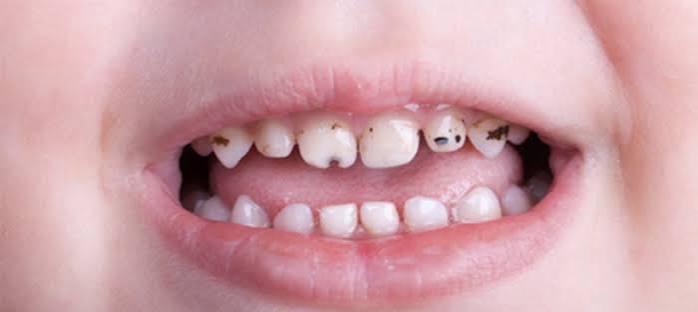
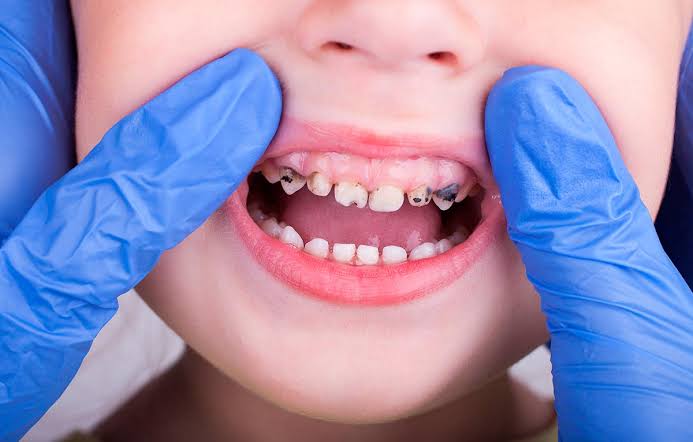
Frequent snacking in children leads to the demineralization of tooth enamel due to the fermentation of carbohydrates and sugary foods by cavity-causing bacteria. It negatively and directly impacts dental health by allowing the breakdown of enamel (demineralization). Continuous snacking habits hinder the natural defense mechanism by not allowing the neutralization of acid from saliva, triggering cavity formation at an incredible rate.
Nutrition is a fundamental requirement for a child’s physical development; however, the manner and frequency of food consumption determine the balance of a complex ecosystem known as the oral flora. The packaged food consumption introduced by modern times and children’s constant cravings throughout the day have brought the reasons for traditional tooth decay into a completely different dimension. Parents often think that brushing their children’s teeth twice a day is enough to prevent cavities. However, a child’s “snacking profile” plays a significantly larger etiological (causal) role than brushing. Our clinical experiences in the Izmir location have shown that even children with the best brushing habits experience severe multiple cavity cases due to incorrect snacking times. Therefore, fully understanding the chemical and biological effects of snacks on tooth enamel constitutes the fundamental philosophy of preventive dentistry.
How Does Frequent Snacking (Grazing Type Nutrition) Disrupt the Acid Balance in the Mouth?
The habit of frequent snacking causes the pH level inside the mouth to drop below 5.5, which is the enamel dissolution threshold. This constant drop initiates acid production, and since there is no time for the saliva to neutralize this acid, it completely disrupts the acid balance inside the mouth. This situation leads to the teeth being exposed to a continuous acid bath from morning to evening.
In the formation of dental caries, a medical biochemical principle known as the “Stephan Curve” applies. When a child consumes sugary or starchy snacks, the bacteria on the tooth surface (Streptococcus mutans) immediately digest this and produce lactic acid as a byproduct. The pH value in the mouth drops rapidly. It takes approximately 30 to 40 minutes for this acid storm to calm down and for the environment to return to its previous safe state (neutral pH level). If a child walks around all day with a cracker, biscuit, or juice (grazing), taking a bite every 15 minutes, the saliva will never complete that recovery period. The tooth enamel will remain continuously under acid attack throughout the day, losing minerals (experiencing calcium dissolution) and becoming susceptible to decay.
Is the Amount of Sugary Snacks Consumed More Dangerous or the Frequency of Consumption?
In terms of the risk of dental caries, the frequency of sugary snacks consumed throughout the day is much more dangerous than the amount consumed. A single large serving of sweets may only create an acid attack once, while consuming a small package gradually over hours causes continuous erosion of the tooth enamel by preventing the recovery of the teeth.
One of the most common misconceptions among parents regarding the management of sugary consumption is the belief that they are protecting their children’s teeth by limiting the amount of sugar consumed. However, there is not much difference in terms of acid production between eating a whole chocolate bar and eating a small piece of chocolate for the bacteria in the oral flora; in both cases, acid production begins as soon as the bacteria detect that sugar. The real damage occurs when a small packet of chips or juice is given to a child and consumed gradually over several hours. Even if the quantity is small, the “frequency” of exposure is high, so the mouth can never be free of acid. Therefore, the basic advice given to families in preventive dentistry is to avoid spreading sugary items throughout the day; if they are to be given at all, it should be done in one go and the process should be concluded.
Why Do Sugary Foods with Sticky Properties Damage Tooth Enamel Faster?
Sugary foods with sticky properties damage tooth enamel much more quickly because they cling like paste to the fine grooves on the chewing surfaces of teeth and between the teeth, preventing them from being washed away by saliva. These foods, which remain stuck to the teeth for long periods, create a closed and conducive infection center that allows bacteria to stay in one spot and produce acid for hours.
The chemical composition of foods determines their physical properties (forms) and their potential to form cavities (cariogenicity). When gummy candies, Turkish delight, caramel, fruit bars, or soft cookies are taken into the mouth, they generally form a sticky dough. Especially, the chewing surfaces of children’s back molars are filled with fine deep valleys (fissures) that even toothbrush bristles can hardly reach. Once a sticky food fills these valleys, it is impossible for it to spontaneously come out or flow out entirely. Bacteria settle within this sticky food mass and can produce acid for days, isolated from the external environment. While liquid foods or solid foods like apples that do not stick leave the mouth quickly upon swallowing, sticky foods act like a long-term, almost melting acid bomb on the enamel surface.
| Food Form and Property | Time to Clean from Mouth | Cavity Formation (Cariogenic) Risk |
|---|---|---|
| Liquid Forms (Water, Buttermilk) | Very fast (Cleans instantly upon swallowing). | Low / None (Non-acidic). |
| Hard and Crisp Forms (Carrot, Apple) | Fast (Mechanically scrapes the tooth surface while chewing). | Low (Helps protect by increasing saliva flow). |
| Sticky Forms (Crackers, Caramel, Gummy Candies) | Very slow (Remains in fissures until brushed off). | Very High (Supports acid production for hours). |
What Are the Hidden Harms of Packaged Snacks (Dried Fruits, Crackers) That Are Considered Healthy?
Dried fruits, crackers, and fruit bars, commonly perceived as healthy, can cause insidious harm due to the sugars they contain being instantly converted to sugar by enzymes in the mouth and their adhesive properties on tooth surfaces. Especially salty carbohydrates like crackers linger in the mouth much longer than candies and chocolates, providing a hidden and dangerous acidic fuel for bacteria.
Parents believe that by keeping their children away from chocolate and candy and giving them salty crackers, biscuits, or dried fruits instead, they are protecting their children’s teeth. This is a significant medical misconception. Dried fruits (like dried grapes, dried figs, etc.) become the densest and stickiest foods due to the evaporation of their water content. They cling to teeth as tightly as caramel. Similarly, snacks like crackers and chips, although salty, are broken down by the ‘amylase’ enzyme in the mouth within seconds, turning into simple sugars. Additionally, cracker dough has a much higher tendency to stick to teeth than chocolate. While chocolate melts and is swallowed in the warmth of the mouth, fragments of crackers linger between teeth for hours, creating an environment for acid production. Therefore, packaged snacks labeled as salty or organic are not innocent when it comes to tooth decay.
What Role Does Saliva Play in Protecting Teeth After Snacking?
The saliva produced after snacking plays a role in neutralizing the acidic environment with its bicarbonate ions (buffering) and helps to cellularly repair the weakened tooth enamel with calcium and phosphate minerals (remineralization). Saliva is the most fundamental and natural biochemical defense mechanism that protects teeth by mechanically flushing the food debris toward the throat, preventing bacteria from releasing acids.
The saliva produced by the human body’s oral ecosystem is the most perfect fluid developed to maintain balance. When a child begins to swallow, it stimulates the salivary glands, increasing the amount produced. After food is swallowed, the real medical function of saliva begins. It dilutes the lactic acid produced by bacteria using sugars and restores the pH level back to the neutral point of 7.0. During this balancing act, calcium and phosphate ions that were stripped from the dental enamel by acids are reintroduced into the tooth structure thanks to the minerals in saliva. For this reason, the quality and quantity of saliva are very important. In children who do not drink enough water, breathe through their mouths resulting in dry mouth, or experience reduced saliva flow due to certain systemic medications, this protective mechanism may fail, and the destructive force of cavities increases significantly.
Which Types of Swallowing Behaviors Are Considered Tooth-Friendly?
Sugar-free yogurt, white cheese, raw hazelnuts, almonds, and fresh crunchy vegetables (carrots, cucumbers) are considered tooth-friendly swallowings due to their high calcium content and buffering properties that quickly shift oral acidity to basic (alkaline) levels. These foods also mechanically increase protective saliva production by promoting chewing.
When meeting children’s snack needs, the selected foods should not only be suitable for general body health but also for oral chemistry. Some foods, referred to as “cariostatic,” support the enamel surface from the outside. For example, dairy products (sugar-free yogurt, cheese, white cheese) are excellent sources of calcium and casein. If a child consumes acidic or sugary food, a piece of hard cheese that they will immediately put in their mouth afterward instantly shifts the pH level in the mouth to alkaline, stopping the sugar and acid from eroding the teeth within seconds. Hard, watery, and fibrous vegetables like carrots, cucumbers, and celery dilute the acid with their high water content while mechanically scrubbing the tooth surface with their tough textures. Introducing these types of foods as snacks is the strongest weapon for parents in fighting cavities.
| Snack Type | Effect on Oral Flora (pH) | Medical Recommendation for Dental Health |
|---|---|---|
| Sugary / Starchy Foods (Cake, Chips, Cookies) | Instantly lowers the pH level below 5.5 (acidic) due to sugar. | Consumption should be limited, only provided after main meals. |
| Acidic Foods / Beverages (Fruit Juices) | Causes chemical erosion, directly dissolving the enamel. | Should be consumed with a straw, followed immediately by drinking water. |
| Cheese, Yogurt, Dried Fruits | Raises the pH level to a basic (alkaline) point. | Should be encouraged at every snack as a cariostatic option. |
How to Reduce the Harmful Effects of Sugar Consumption?
When sugar consumption occurs immediately after sweet or carbohydrate-rich snacks, it helps to remove free sugars and food particles that cling to dental surfaces through a mechanical rinsing effect, thereby reducing harmful effects. Drinking water is the most practical cleanser that quickly pulls the intraoral pH level down to neutral, stopping cellular demineralization of the tooth enamel within seconds.
It is practically impossible to prevent children from consuming snacks at all times during daily activities or to keep them brushing their teeth after every little thing they eat. At this point, “water” is the most accessible and vital medical lifesaver. When a sugary or starchy snack is consumed, if there are no food residues left in the environment, bacteria cannot find fuel to produce acid. A few sips of pure drinking water (or rinsing the mouth with water) given to the child immediately after snacking utilizes fluid dynamics to break sugar molecules between the teeth and flush them towards the throat area. Additionally, the neutral pH of water rapidly balances the acidic oral environment due to the snack, facilitating the work of saliva. Teaching children the habit of drinking mandatory water after fruit juice, crackers, or chocolate is a clinical approach that significantly reduces decay rates.
How Are Snack Habits Analyzed at İzmir Avrupadent Clinics?
At İzmir Avrupadent clinics, snack habits are analyzed by requesting a detailed dietary diary from parents for the last three days of the child, and by examining the type and frequency of carbohydrates consumed by the child according to medical standards. This scientific risk analysis allows for early detection of cavity formation before it begins and the preparation of individual dietary modifications.
Cavity treatment is not just sealing the cavity with a filling material; this approach is akin to fishing without drying the swamp. In our procedures conducted in the İzmir location, doctors focus on identifying the underlying cause (etiology) of the cavity. During family consultations, factors such as how frequently the child consumes sugary foods, what they eat after waking up at night, and their water intake are objectively evaluated. With the protocol known in the medical literature as “Cavity Risk Assessment” (CAMBRA), children at high risk for cavities due to hidden sugar consumption (such as eating fruit yogurt or dried fruit frequently) are detected, even with excellent oral hygiene. Doctors develop a health management plan supported by a dietitian, offering healthy consumption alternatives that align with the child’s biological map, without passing judgment on the family.
How to Stop the Effects of Poor Nutrition in Pediatric Dentistry?
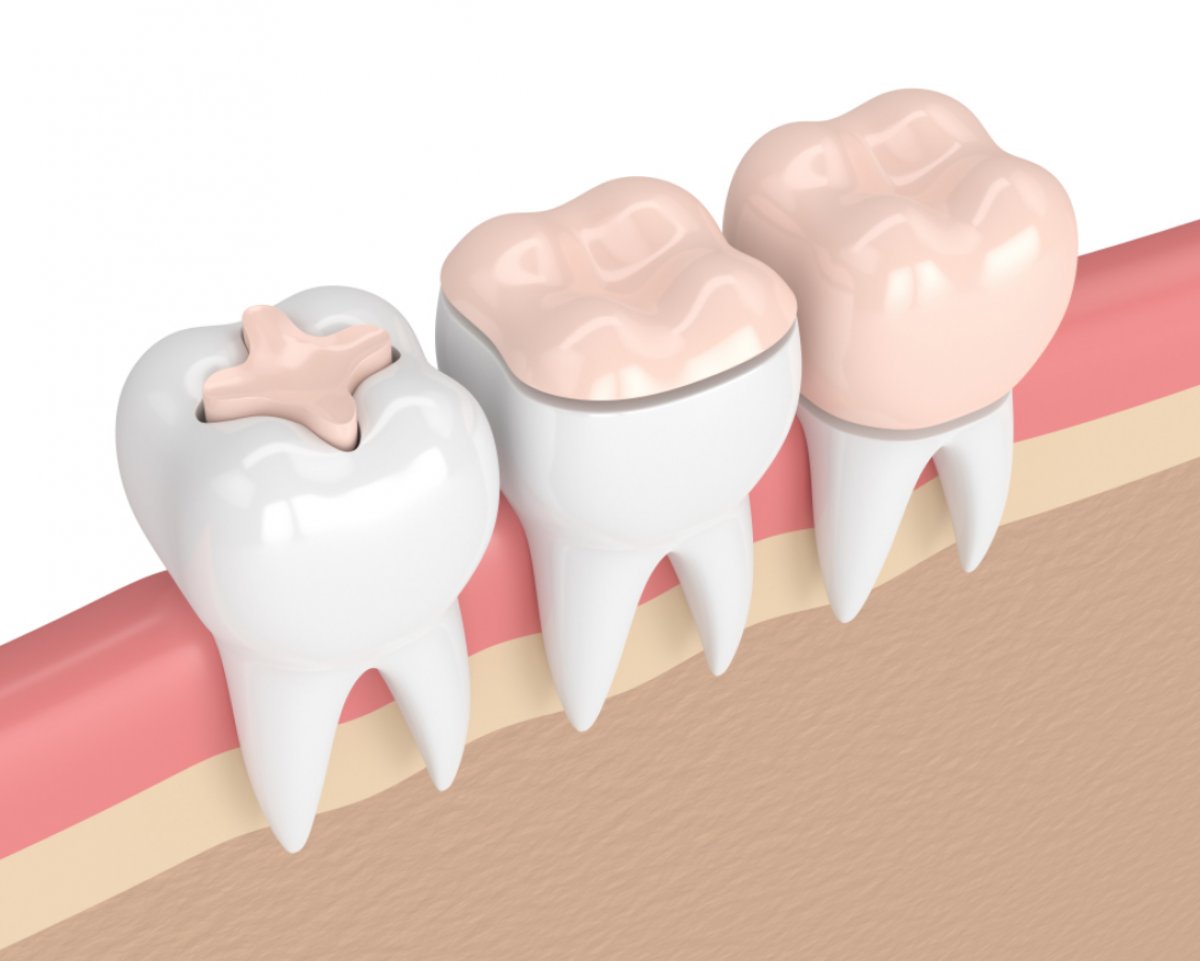
Pediatric Dentistry addresses the damaging effects of poor nutrition on teeth, which are halted by professional fluoride varnish applications that chemically strengthen dental enamel, supported by correct nutrition education provided by doctors to families. Additionally, deep grooves in the back molars are physically sealed with fissure sealants to completely prevent bacteria from reaching food residues.
It is difficult to completely change a child’s dietary habits in a single day; however, until this change is achieved, it is essential to protect the teeth against acids. Expert dentists alter the structure of calcium crystals in the enamel layer by applying a special medical glaze (fluoride varnish) to the surface of the teeth. Fluoridated tooth enamel (fluorapatite) is much harder to dissolve in the acid that forms when consuming sugary foods. This means that a layer of chemical armor is applied externally to the child’s teeth. Additionally, the microscopic valleys (fissures) on the tops of the back molars, where sticky foods tend to get trapped the most, are filled with medical resins to smooth them out. Thanks to this “fissure sealant” barrier, it becomes impossible for crumbs from cookies or chips to get trapped in those crevices, completely eliminating the physical contact of sugary substances with the tooth.
How to Plan Snack Times at Home to Reduce Cavity Risk?
To reduce cavity risk, snack times at home should be planned by fixing them to limited snack hours instead of irregular consumption throughout the day, and care should be taken to consume sugary foods preferably immediately after the main meals when the sugar intake is at its peak. This planning helps the oral flora regain the physiological time necessary to recover and wash away the acids.
Home discipline is the heart of external health. If there are constantly open cracker or biscuit packets available in places a child can reach at home, it is impossible to protect the child’s teeth from decay. Parents should refrain from using “distraction or reward” mechanisms. If a sweet or carbohydrate-rich food is to be consumed, its timing should be designated as a “dessert time” and consumption should be completed within half an hour. Especially sweets consumed immediately after main meals (lunch or dinner) cause less harm to the teeth. This is because, during the main meal, chewing muscles are active, salivary glands are producing fluids at maximum capacity, and there is already a buffering environment in the mouth. The sweet after the main meal is quickly rinsed and cleaned with the powerful salivary flow.
How Do Regular Checks Detect Microscopic Mineral Losses Before They Become Decay?
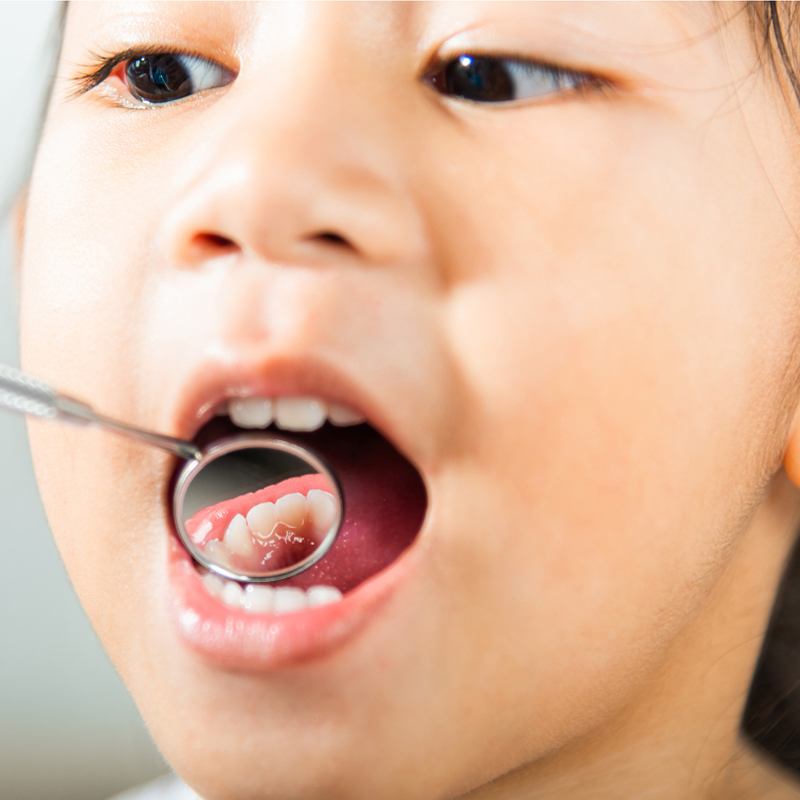
Regular clinical checks allow for early intervention by detecting microscopic mineral losses from cariogenic sources through special examination lights and digital interface x-rays before the teeth are physically broken or cavitated. Pediatric Dentistry specialists can thus repair decay only with medical agents, preventing the psychological and physical fatigue that significant dental treatments would create.
Because the enamel on baby teeth is very thin, the damaged enamel can erode the tooth and reach the nerves in just a few months. It is nearly impossible for parents to notice the early signs of decay, which typically present as white spots, that occur between two teeth or where the enamel has only become dull. Regular dental check-ups (every 3 to 6 months) according to the decay risk profile helps map the damage caused by dietary mistakes in the child’s eating habits. The dentist examines the teeth by drying them; the hidden decays that begin in the interproximal spaces are visualized using bite-wing X-rays. When a disease is detected, the porous spot is reinforced again with fluoride supplements without any drilling or anesthesia being administered to the tooth. This way, early diagnosis can prevent a child’s body from suffering permanent tooth loss (or root canal treatment) due to poor eating habits.