
How Should Nutrition Be to Prevent Tooth Decay in Children?
Nutrition to prevent tooth decay in children should be rich in calcium, phosphorus, and fiber, avoiding refined sugars and sticky carbohydrates, with an emphasis on main meals and limitation of snacks. Foods that feed acid-producing bacteria should be replaced with cheese, yogurt, and raw vegetables that increase saliva flow and cellularly repair tooth enamel.
Oral and dental health is the first biological gateway through which a child’s digestive system and growth metabolism begins. The content of food not only directly determines the balance of the microscopic flora in the mouth but also affects the stomach and intestines. Tooth decay is an infection caused by bacteria on the tooth enamel; however, these bacteria need carbohydrates from outside to produce acid. The dietary pattern essentially manages this acid-base (pH) battle. With the increasing consumption of industrial foods today, hidden sugars and processed additives entering children’s diets create strong acid attacks that alone may be insufficient for cavities.
What Are the Basic Rules of a Preventive Nutrition Plan?
The basic rules of a preventive nutrition plan are to reduce the frequency of food intake (snacks) to prevent the formation of an acidic environment in the mouth, eliminate refined sugars from the diet, and mechanically cleanse the oral flora by drinking water after consuming any sweet food. These rules stop bacterial disruption of the food chain and cellular-level enamel erosion.
In the oral biochemistry, a scientific mechanism called “Stephan Curve” operates. When a child consumes a carbohydrate-rich food, bacteria metabolize this food and secrete lactic acid. It takes about 30 to 40 minutes for the mouth to return to its natural neutral pH level (7.0) after losing this acid. If a child consumes only three primary meals a day, the tooth enamel is exposed to acid secretion only three times, and for the rest of the day, it can repair itself. However, if one deviates from the dietary rules and engages in continuous grazing throughout the day, the tooth never has time to balance the acid. The basic rule is that nutrition should consist of main meals focused on specific time intervals rather than frequent, small portions. Additionally, avoiding acidic or sugary beverages between meals, except for water, is the most effective lifestyle adjustment to prevent tooth decay.
How Do Dietary Habits in the İzmir Region Affect Oral Health?
Dietary habits in the İzmir region, particularly the spread of baked goods (boyoz, gevrek) and sweet consumption throughout the day, can disrupt the acid balance in the mouth, accelerating tooth decay in children. To balance the effects of this local diet, drinking water after carbohydrate consumption and consuming fresh vegetables from the Aegean as snacks are medically recommended.
Cultural dietary patterns deeply affect the overall oral health profile of the community. In Izmir’s culinary culture, starting the day with dough products and baked goods is quite common. White flour is broken down into simple sugars by the enzyme “amylase” in the mouth within seconds, and similarly to refined sugar, it is fermented by bacteria to turn into acid. A piece of dough given to a child, due to its sticky nature, fills the pits of the back molars, creating a breeding ground for acid production for long hours. In dietary education provided to families during clinical processes in Europe, rather than completely prohibiting these carbohydrates, it is taught to consume them with the right combination. For instance, after consuming dough products, taking a piece of hard Aegean cheese or a fresh cucumber/carrot can quickly help the oral environment return to alkaline, blocking the process of acid eroding the enamel of the teeth.
Which Vitamins and Minerals Support the Development of Milk Teeth?
The essential vitamins and minerals supporting the development of milk teeth are calcium and phosphorus, which form the building blocks of enamel, along with vitamin D, which facilitates the absorption of calcium from the intestines. Additionally, while vitamin A supports cellular tissue formation, vitamin K2 is the most critical molecule that prevents calcium from accumulating in the blood vessels, ensuring its direct integration into bone and dental tissues.
The health of teeth depends on the quality of micronutrients entering the child’s body. Starting from the womb, milk teeth and the permanent teeth that develop beneath them collect calcium and phosphorus ions circulating in the blood to form their hard tissues (enamel and dentin). However, even if calcium is abundant in the child’s diet, if there is not enough vitamin D (the sunshine vitamin) in the body, this calcium cannot be absorbed from the intestines into the bloodstream and is excreted. Recent clinical studies have shown that the role of vitamin K2 (menaquinone) in dental health is as important as that of vitamin D. Vitamin K2 activates a protein called “osteocalcin”, which acts like a traffic police in the blood, directing free calcium straight into the enamel of the teeth/jawbone. This tremendous biochemical process depends on the child consuming sufficient eggs, cheese, butter, and green leafy vegetables.
| Vitamin / Mineral | Biological Role in Tooth and Jaw Development | Natural Food Sources |
|---|---|---|
| Calcium & Phosphorus | Forms hydroxyapatite crystals, toughening the enamel. | Dairy products (Cheese, yogurt), almonds, green leafy vegetables. |
| Vitamin D | Facilitates the absorption of calcium from the intestines into the bloodstream. | Sunlight, egg yolks, fatty fish. |
| Vitamin K2 | Takes calcium from the blood and directly transports it to bone and tooth tissue. | Fermented foods, aged cheese, butter, liver. |
| Vitamin A | Protects the health of the cells that form enamel (ameloblasts). | Carrots, sweet potatoes, spinach, eggs. |
How Does Calcium and Phosphorus Protect Tooth Enamel from Acids?
Calcium and phosphorus, being present in a saturated state within the enamel, replace the minerals lost due to acid attack and rebuild the enamel on a cellular basis (remineralization). These two minerals biochemically prevent bacterial acids from penetrating the tissue and causing deep cavities by keeping the crystal structure of the tooth consistently at saturation point.
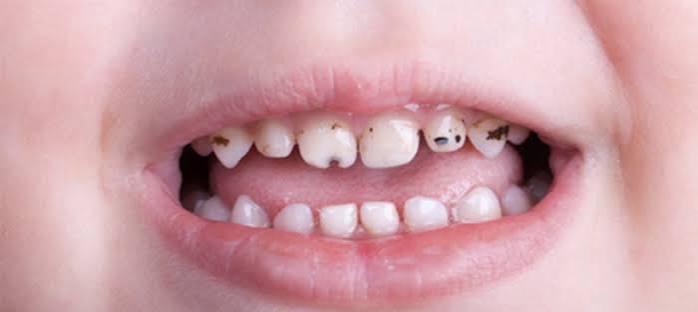
Tooth enamel is not static like a wall; it is in a liquid cycle throughout the day. When the inside of the mouth becomes acidic, calcium and phosphate ions on the surface of the enamel dissolve and enter the saliva (demineralization). This is the stage when the tooth becomes soft. If the child’s nutrition is sufficient in terms of calcium and phosphorus, the salivary glands secrete these minerals into the saliva abundantly. When the mineral concentration in the saliva increases, that sponge-like enamel tissue that has dissolved takes in the surrounding calcium like a sponge and repairs the damage caused by the acid (remineralization). If the diet is lacking in these two essential minerals, the saliva cannot find the materials needed to repair the tooth. When the damaged enamel cannot be repaired, those small microscopic holes enlarge into white spots and then turn into visible brown cavities.
What Is the Curdling Preventative Feature of Milk and Dairy Products (Cheese, Yogurt)?
The curdling preventative property of milk and dairy products relies on the casein protein they contain creating a protective layer by adhering to tooth enamel and rapidly shifting the saliva’s pH level to a basic (alkaline) point with high calcium levels. Particularly, the consumption of hard cheese buffers and stops the acidic erosion that occurs after sweet foods within seconds.
In the medical literature, foods are defined as “cytostatic” (preventing cell formation). Dairy products are the most powerful representatives of this group. Especially when hard cheeses like feta and aged cheddar are consumed, they ensure the secretion of a significant amount of basic (alkaline) liquid in the mouth. The calcium and phosphate inside the cheese directly wash the tooth, while the protein called “casein,” which gives milk its white color, forms an organic film layer that holds onto the tooth and prevents acids from infiltrating. If a child has eaten cake at a birthday party and has no opportunity to brush their teeth at that moment, a small piece of hard cheese they will eat afterward will quickly elevate the acidic pH created by the cake from below 5.5 to above 7.0 (into the safe zone) within seconds. This biochemical buffering serves as a clear reminder of food’s power to stop decay.
How Do Carbohydrate Types (Simple and Complex) Affect Decay Formation?
Simple carbohydrates (sugars, syrups) are instantly fermented by the bacteria in the mouth, leading to a rapid and destructive acid explosion. Complex carbohydrates (whole grains), however, are broken down more slowly by various enzymes, resulting in a slower acid production, which biologically eases the balancing of this acid through decay.
All carbohydrates turn into sugar in the mouth, but the speed of this transformation determines the fate of the teeth. Simple sugars (sucrose, fructose syrup, glucose) are molecules ready to be broken down due to their structure. When consuming packaged cake or fruit juice, Streptococcus mutans bacteria digest this ready sugar within seconds and convert it into lactic acid; the acid storm begins suddenly and very intensely. On the other hand, complex carbohydrates like oats, brown rice, or whole wheat bread are long-chain molecules. It takes a long time for the enzymes in the mouth to break these chains down into a sugar form that bacteria can consume. This slow breakdown process slows down the acid production of the bacteria. When production is slow, saliva comes into play, comfortably washing away and buffering the acid produced at this low dose. Therefore, using fiber-rich whole grains instead of white flour and refined sugars in a child’s diet is an important protective measure that slows down the decay mechanism.
How Does the Physical Structure of Foods (Hard, Crunchy, Sticky) Affect the Enamel?
The physical structure of foods affects the duration they stay in the mouth, directly impacting the enamel; sticky foods like jelly beans, caramel, or biscuits remain in dental pits for hours, producing acid, while hard and crunchy foods like carrots or apples clean the tooth surface mechanically while chewing and increase the protective saliva secretion.
In the process of chewing, the form of food (shape) is as important as its chemistry. Soft and sticky foods pack into the microscopic grooves (fissures) found on the chewing surfaces of the back molars like a paste. Chewy candies, caramel, fruit bars, or pureed starchy snacks cannot be cleared from those crevices simply by swallowing or drinking water. Bacteria can enter this sticky mass and safely continue to lodge into the tooth. However, when consuming hard, crunchy (crispy), and high-water-content foods like apples, raw carrots, cucumbers, or celery, the process is completely different. The child needs to chew these foods multiple times to break them down. During the biting process, tough fibers scrape the soft bacterial plaque (biofilm) that accumulates on the tooth enamel, almost acting like a brush and pushing it toward the throat area. This situation is referred to as “mechanical cleaning.”
| Physical Form of Food | Time for Oral Cleaning | Effect and Risk to Tooth Enamel |
|---|---|---|
| Liquid Form (Water, Sugar-free Milk) | Swallowed and flows away in seconds. | Presents no risk of cavities, cleans the environment. |
| Hard/Crispy and Fibrous (Carrot, Apple) | Mechanically scraped away by chewing. | Reduces the risk of cavities, creates a mechanical scrubbing effect. |
| Soft and Sticky (Cookie, Turkish Delight) | Gets lodged in the tooth crevices for hours. | Very High Risk. This is the form that produces acid for the longest time. |
Why Are Fiber-Rich Foods Important for Saliva Production?
Fiber-rich foods increase saliva production by keeping the chewing muscles working for a long time, stimulating the salivary glands (especially the parotid gland) and ensuring a significant amount of lubricating, protective saliva is produced. Due to their fibrous structures, they create a mechanical scrubbing effect like a toothbrush, removing acidic residues from the environment.
Saliva acts like a river balancing the oral ecosystem. Salivary glands are sensitive to the chewing reflex (mastication). If a child constantly eats soft purees, liquid soups, or soaked pastries, the jaw muscles become lazy, and the salivary glands do not receive sufficient mechanical stimulation. The produced saliva becomes thick (viscous) and insufficient. However, the effort spent chewing a celery stalk or a hard raw almond causes the glands to pump out liquid like a flood. Saliva stimulated through chewing contains significantly more calcium, phosphate, and bicarbonate compared to resting saliva. This mineral-rich liquid washes the teeth, preventing bacterial growth and rapidly shifting the acidic environment to a basic one, thus protecting the tooth enamel.
How Do Sugar Alcohols (Xylitol) Neutralize Cavity Bacteria?
Xylitol, a sugar alcohol, has a molecular structure that cavity-causing Streptococcus mutans bacteria cannot metabolize, chemically preventing them from producing acid. Bacteria uptake xylitol as an energy source but cannot digest it; they end up expending energy and becoming deprived, consequently decreasing in number and losing their ability to cause cavities.
In modern preventive dentistry, xylitol is one of the substances used as an alternative to sugar. Xylitol is a molecule that resembles sugar but is beneficial for teeth, found naturally in the bark of some trees and in fruits. When bacteria in a child’s mouth encounter regular sugar (sucrose), they digest it immediately and produce acid. However, when a child chews gum containing xylitol, the bacteria mistakenly take this substance in as sugar. But the enzymes of the bacteria cannot break down xylitol. Just as the bacteria cannot digest it, they expend their own energy to expel it. Bacteria colonies that remain constantly hungry and cannot produce acid will eventually die off or lose their pathogenic characteristics over time. The use of sugar-free gum or mints after meals not only increases the frequency of chewing but is also a powerful tool for medically weakening bacterial populations (the cavity-causing fauna).
How Does Timing of Main and Snack Meals Regulate Acid Balance?
The timing of main and snack meals allows for at least two to three hours of sugar-free (aside from water) intervals between food intakes, returning the physiological time needed for the system to buffer the acid of dental plaque and bring the pH back to neutral levels. Continuous expulsion disrupts this balance and causes acid erosion to persist throughout the day.
The oral environment is exposed to acidic turbulence when food enters. This turbulence tries to subside, but it requires time. If a child has breakfast at 08:00, eats a cracker at 09:00, and drinks juice at 10:00, the oral pH level can never rise to the safe zone of 7.0. Teeth remain constantly below 5.5 (at the melting point) and lose their integrity. This is referred to as “grazing feeding” in medical literature and is the number one reason for cavities in childhood. In a protective dietary program, it is recommended that the child has three main meals a day and a maximum of two controlled snacks. Instead of sugary foods, tooth-friendly cheese/yogurt should be given during snack times. If sweets or chocolate are to be given to the child, this should be done not as a standalone snack, but right after the main meal as a “dessert time” and followed by giving the child water to limit acid exposure.
How Does Fluid Intake and Drinking Water Clean Oral Flora?
The habit of drinking water cleans the oral flora by mechanically flushing free sugars and food particles that remain in the mouth after meals or desserts to the throat area. Drinking water, which has a neutral pH, stops acids from dissolving tooth enamel and instantly dilutes the energy source for bacteria.
During childhood, the act of brushing teeth is typically applied only in the morning upon waking and at night before bed. Practically, it is impossible for a child to brush their teeth after eating anything while at school or in the park during the day. In this regard, the most powerful, natural, and inexpensive medical agent for maintaining oral hygiene is “water.” Having a few large sips of water (or swishing and swallowing it) immediately after consuming a sugary or carbohydrate-rich food instantly reduces the density of the sugary solution between the teeth. There is no acid or sugar in water (its pH is approximately 7.0). Therefore, it breaks down the acidic film formed on the tooth and safely rinses the oral acidity to a safe level by taking over the work of the saliva. The most valuable habit that parents should instill in their children is the ritual of “drinking a bit of water as the bill for every food consumed.”
What is the Connection between Vitamin C and Gum Health?
Vitamin C is the most important antioxidant that protects gum health, as it ensures the synthesis of collagen, which is a fundamental building block of the gums and the mucosa in the oral cavity. Vitamin C deficiency leads to weakening of capillaries in the gums, bleeding, and lowers the resistance against bacterial infections (gingivitis), thereby damaging the supporting tissues surrounding the teeth.
When oral health is mentioned, the first thing that comes to mind may be enamel, but the barrier that tightly connects the teeth to the jawbone and prevents bacteria from reaching the roots is the “gingiva” (periodontium). A healthy gum consists of a strong collagen matrix that holds the cells together. The human body needs vitamin C (ascorbic acid) to produce collagen. If a child’s diet lacks fresh vegetables and fruits (such as citrus, peppers, broccoli, etc.), the collagen connections in their gums weaken. The child’s gums bleed continuously while brushing, and a slight reddish swelling (edema) occurs. Weakened and bleeding gums fully open up the gates for plaque bacteria in the mouth to seep into the tooth root. Even without tooth decay, the loosening of healthy teeth due to gum inflammation is a physiological result of this vitamin deficiency.
How is the Nutrition Diary Analyzed by Pediatric Dentistry Specialists?
The nutrition diary is analyzed by Pediatric Dentistry specialists by examining the frequency of carbohydrates present in the child’s three daily meals, hidden sugar levels, and night feeding habits. This scientific data helps identify the primary etiological (causal) source of tooth decay and ensures the creation of a tailored medical diet and protection program for the family.
When a child with multiple cavities visits a clinic, the first task of the physician is not to drill the teeth immediately. This approach only patches up the existing damage. To address the root cause of the disease, the “Cavity Risk Assessment” (CAMBRA) protocol is implemented. Parents are asked to keep an accurate record of what the child eats and drinks during the week and on weekends (three days a week). Upon reviewing this daily log, the physician graphically illustrates how the dry raisins, packaged fruit juices, or the salty crackers that are constantly in hand have contributed to the production of lactic acid in the teeth, assuming that the family is “healthy.” Nutritional analysis is an extremely valuable preventive health session where the physician teaches the family how the current diet can be changed to more tooth-friendly (cariogenic) alternatives without passing judgment.
How Should Nutrition Be During the Transition to Breast Milk and Complementary Foods?
During the transition to breast milk and complementary foods, nutrition should consist of purees made from natural vegetables/fruits that do not contain added sugars and salts. After the intake of breast milk or formula during the night sleep transition, the baby’s oral surfaces must be cleaned with a wet cloth, and the bottle-feeding habit should gradually be replaced with sippy cups.
Breast milk is an irreplaceable source of antibodies for the baby’s systemic health and connections. However, the reality in medical science is that when supplementary foods (carbohydrates) start to enter the mouth and when different bacteria introduce flora, the natural lactose (sugar) in breast milk can also become fermentable by bacteria. If a child continues to be frequently breastfed or bottle-fed throughout the night despite having transitioned to solid food after the age of one, this triggers ‘early childhood caries’ (bottle tooth decay) which rapidly erodes the primary teeth. At this stage, with the emergence of teeth, it is a strict hygiene rule to clean the baby’s teeth after nighttime feeding. Adding biscuits, molasses, or honey to the purees provided as supplementary food to enhance flavor results in an acid overload on the child’s oral flora. Fresh vegetables and sugar-free yogurt alternatives are safe supplementary foods that strengthen the jaw muscles and do not lead to tooth decay.
How is the Integration of Nutrition and Pediatric Dentistry Achieved in Eurodent Processes?
The integration of nutrition and dental health in Eurodent clinical processes is achieved by evaluating the child’s decay not just as a problem of dental tissue, but as a result of lifestyle. The transparent nutritional consultancy offered to families, combined with the clinical preventive procedures (fluoride and fissure sealing) of Pediatric Dentistry specialists, provides comprehensive and preventive health guidance to patients located in Izmir.
The new quality standards introduced for children’s dental care and oral health in the İzmir region are based on preventing the treated tooth from decaying again (the occurrence of secondary decay). Even if our doctors perform an excellent filling, if the child continues with the same high-sugar diet and nighttime feeding, bacteria will continue to erode the tooth alongside the filling. During this integration process, the physician collaborates with the parents to establish the household kitchen rules on a medical guideline. While brushing techniques are taught in the mirror, the ‘hidden sugar’ traps in the child’s diet (syrups, fruit juices, sweet snacks) are eliminated one by one. Combining the fluoride varnish applied professionally at the clinic with the acid-free and tooth-friendly (cheese/water) dietary regimen maintained by the family at home, the biological chain supporting decay formation is broken. Healthy children’s smiles are, in fact, the result of this multifaceted medical and educational discipline.