The cost of an implant does not come from a single item; it is the sum of separate items such as the examination and tomography, how many implants will be placed, whether bone preparation is needed, and the prosthesis that will be made on top. This is why the plans of two people can turn out differently even when they are missing the same number of teeth. The right budget only becomes clear with a written treatment plan after the examination.
Why does the cost of an implant vary from person to person?
The cost of an implant varies from person to person because the bone, gums and the condition of the neighboring teeth are different in every mouth. What shapes the plan is not only the number of missing teeth but also which preparations are needed in that area.
In general, the items that affect the cost are these:
- Examination, X-ray and three-dimensional tomography
- The number and type of implants to be placed
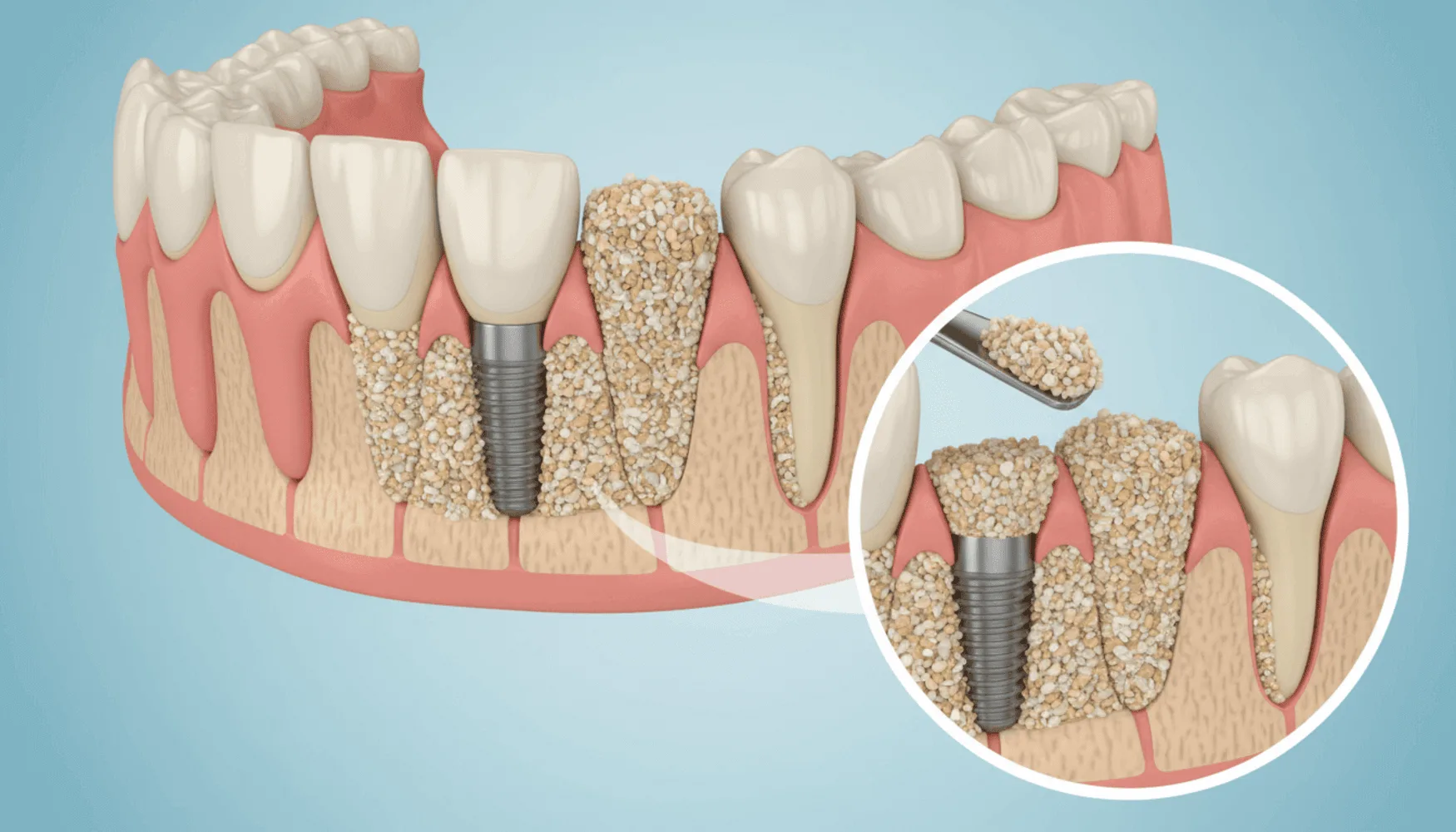
- Additional surgical procedures such as a bone graft or sinus lifting
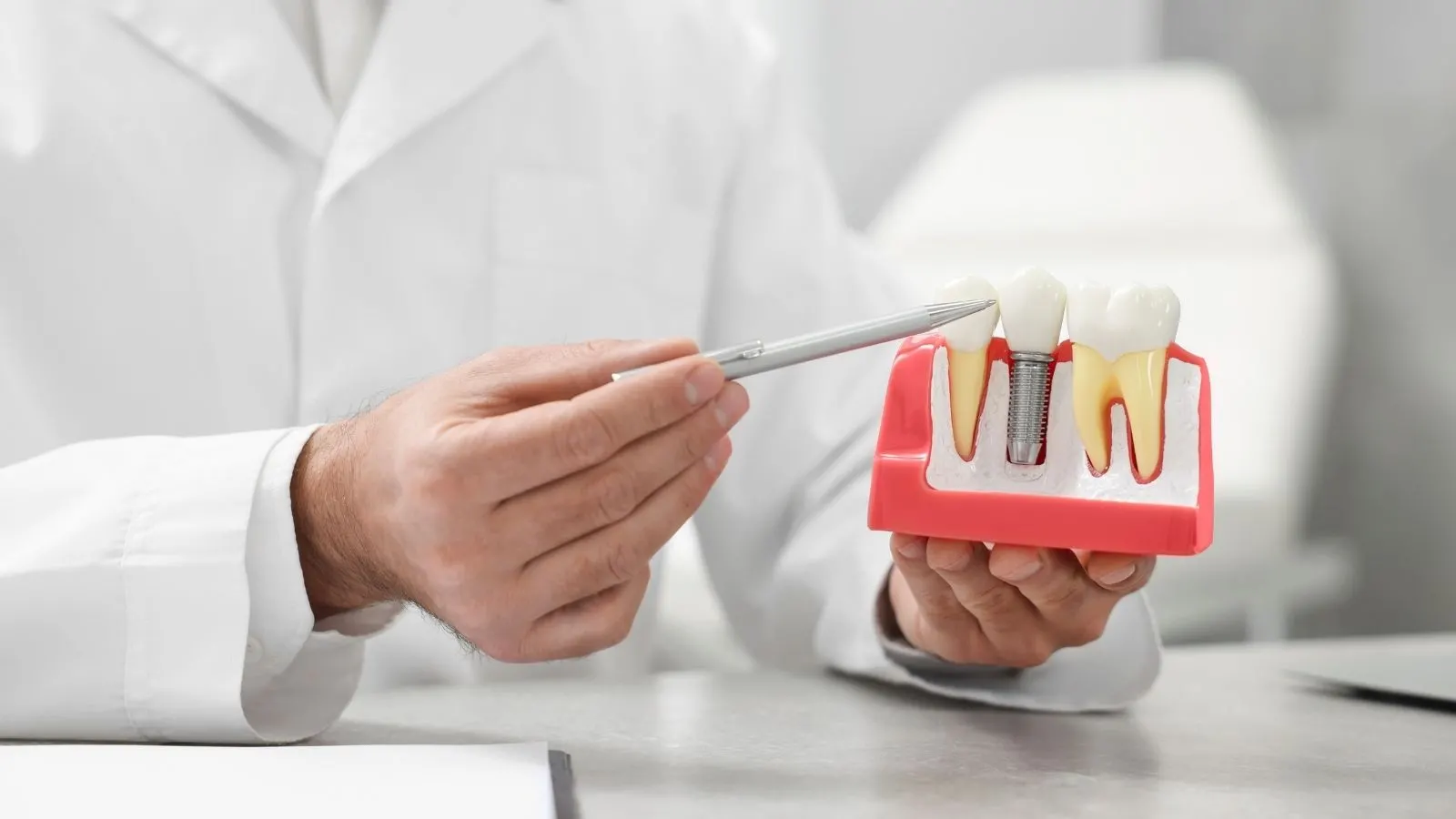
- The prosthesis on the implant: a single crown, a bridge or a full-arch structure
- If needed, preliminary preparations such as gum treatment or extraction
At Avrupadent, planning is done by looking at whether each of these items is needed in your mouth. To see the steps of the process, you can look at the page how is implant treatment done.
Even for an implant in the same area, the need for care and check-ups over the years varies from person to person; smoking, a history of gum disease or a habit of clenching the teeth can bring extra steps to the plan. This is why the general figures you see on the internet say nothing about your mouth; the real information is in the list of items written for you.
The examination and 3D tomography items
The examination and tomography are the first item of the cost and determine the rest of the plan. While the examination of the inside of the mouth shows the condition of the gums and neighboring teeth, three-dimensional tomography measures the height and thickness of the bone and its distance from structures such as the sinus or the nerve path.
Without this information, how many implants are needed and whether an additional procedure is required are only estimated; and a plan based on an estimate can change later. You can find Avrupadent’s tomography service on the dental tomography page. The article examinations before implant treatment explains which tests are requested at the examination.
The difference between a single-tooth implant and multiple implants
When a single tooth is missing, one implant and a crown on it are generally enough; when more than one tooth is missing, the plan can also include options such as an implant-supported bridge instead of a separate implant for each tooth. The difference between a bridge and a separate implant for each tooth is not only cost but also bone load and ease of cleaning.
This decision depends on the condition of the bone and the biting force. You can compare the options on the page implant options for multiple missing teeth and read the article on the implant-supported bridge.
How a bone graft and sinus lifting affect the cost if needed
If the bone is insufficient, a bone graft or, in the upper jaw, a sinus lift may be needed before the implant; these procedures are added to the plan as a separate item. If the amount of bone is sufficient, these items are not needed.
Whether an additional procedure is needed becomes clear with the tomography. If it is needed, treatment sometimes continues in the same session and sometimes after waiting for the bone to heal; this also changes the length of treatment. For upper jaw preparation, you can look at the page sinus lifting before an implant.
The prosthesis part: zirconium crown and other options
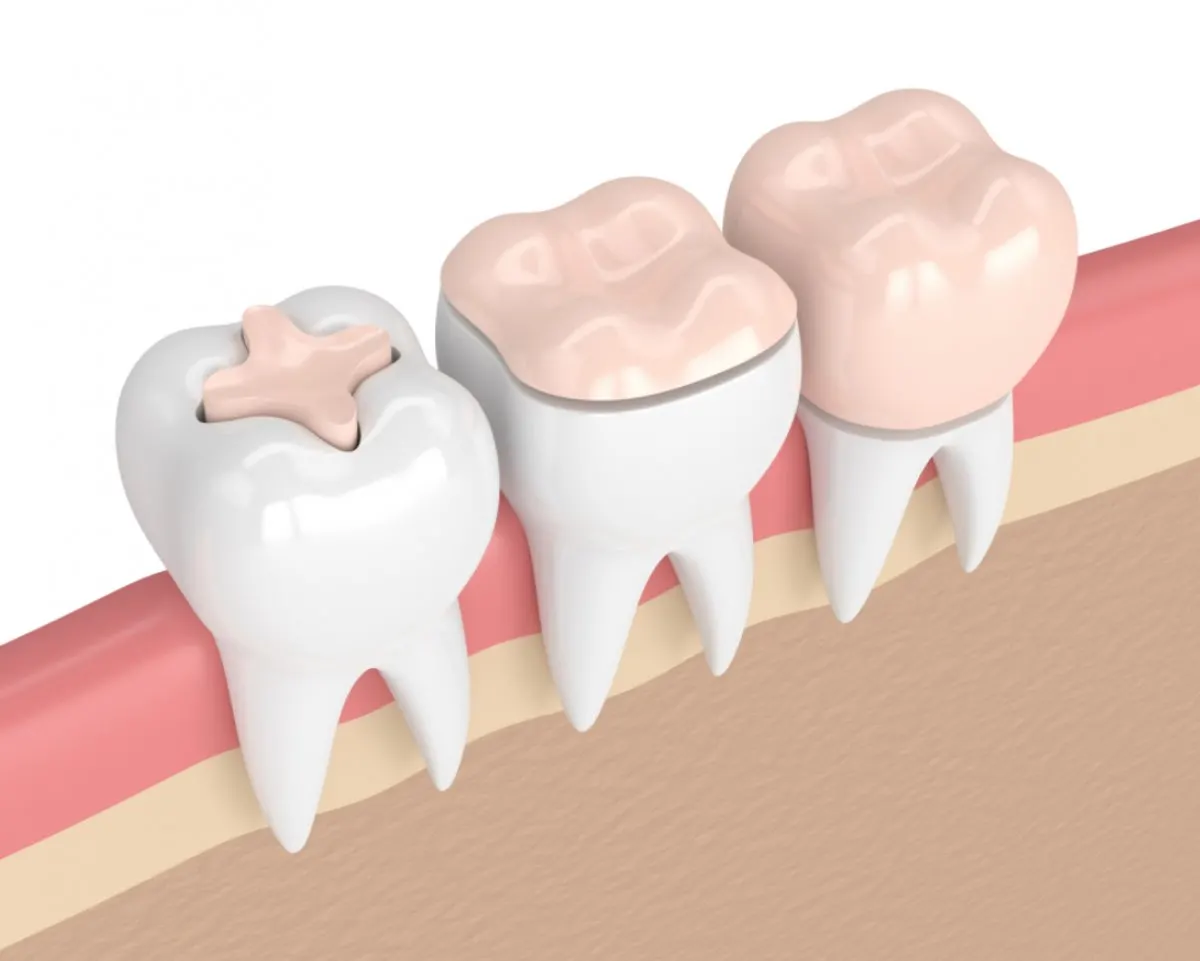
The prosthesis, the visible part of the implant, is a separate cost item and varies with the choice of material. Options such as zirconium, porcelain or a removable implant-retained prosthesis mean different plans and different care. You can find this choice in the article how to choose the tooth on an implant.
Items in single-arch and full-mouth plans
In single-arch or full-mouth plans the items are the same, but their quantities increase: more implants, a larger prosthesis and, often, additional surgical preparation. With methods such as All-on-4 and All-on-6, the whole arch is supported by a small number of implants. You can read the difference on the page All-on-Four implant treatment.
In a full-mouth plan, a temporary prosthesis may also come up. If a temporary structure is used so that you are not left without teeth while the bone heals, this is a separate step of the plan and should be discussed before the permanent prosthesis. You can read about the timing of the temporary tooth in the article when is a temporary tooth fitted in implant treatment.
Questions to ask the clinic before the appointment
To understand the cost at the appointment, it is useful to ask these questions:
- Which procedures are in the plan, and which will be added only if needed?
- What is the implant system to be used and the material of the prosthesis?
- In how many sessions and how long will the treatment be completed?
- Are the check-ups and later care included in the plan?
The article on the questions to ask the dentist can also help you prepare a list of what to ask before treatment.
Clear information about payment and the treatment plan
When discussing cost, the healthiest approach is to understand the plan before the figure. When the plan is put in writing, you can see which procedure is recommended and why, and if needed you can compare it with another opinion.
If the treatment plan is written and itemized, you know in advance at which stages you will make payments. To avoid being surprised by an unexpected additional procedure, also ask which part of the plan is conditional. For example, if bone preparation is needed, clarifying how extra sessions and healing time will be reflected in the plan, at which stage the prosthesis will be made on top of the implant and whether the check-up appointments are part of the plan will prevent surprises later. Asking your questions without hesitation is important for understanding the plan correctly.
Preliminary assessment at our branches in İzmir
A preliminary assessment for an implant can be made at Avrupadent’s Çiğli, Balçova, Narlıdere, Buca, Gaziemir, Bornova, Karabağlar, Konak, Güzelbahçe, Menderes, Seferihisar and Karşıyaka branches; you can choose the branch near you. If you would like information about the cost of an implant in Çiğli or at another branch, which items will come up according to the examination and tomography result is discussed in the preliminary assessment.
Frequently asked questions
Which items affect the cost of an implant?
Tomography and examination, the number of implants, a bone graft or sinus lifting, the type of prosthesis and the necessary preliminary preparations determine the cost.
What does the cost of 1 implant include?
Usually the implant itself, the placement procedure and the crown to be made on it are considered; the examination, tomography and bone preparation may be separate items. What is included needs to be clarified in the treatment plan.
Why is the cost of a single-arch and a full-mouth implant different?
A full-mouth plan needs more implants, a larger prosthesis and, often, additional surgery.
How does a bone graft change the cost of an implant?
A bone graft enters the plan as an additional surgical item and can also extend the process. If the bone is sufficient, this item is not needed.
Which items should I ask about before the appointment?
Ask for information separately on the examination, tomography, implant, additional surgery, prosthesis and check-ups.
To clarify your budget and get a plan specific to you, you can make an appointment with the branch nearest to you through our contact page.