
What Are the Causes of Multiple Tooth Decay in Children?
Multiple tooth decay in children occurs due to a combination of factors such as a systemic disruption of the acid balance in the oral flora, continuous high carbohydrate consumption in sporadic intervals, insufficient flow rate of saliva, and the use of sugary syrups in chronic diseases. This situation causes the enamel layer’s repair (remineralization) capacity to be exceeded, leading to simultaneous damage to multiple teeth.
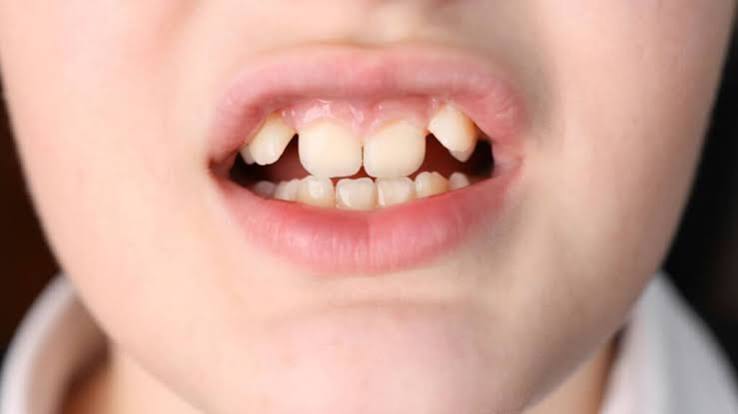
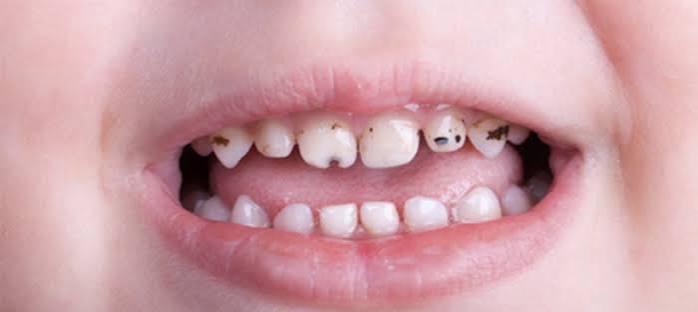
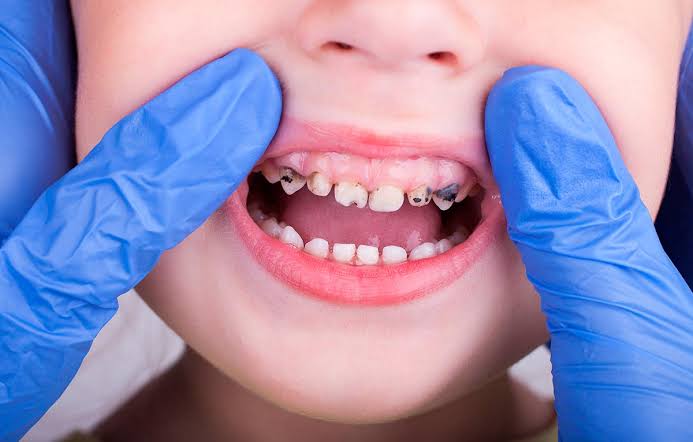
Although tooth decay is usually perceived as a local (related to a single tooth) issue, if three, five, or more teeth show simultaneous decay activity in a child’s mouth, this condition is a clinical indication that the biological ecosystem inside the mouth has completely collapsed. This clinical condition, defined in medicine as “Rampant Caries,” is not merely the result of a single brushing error, but rather an infection storm created by environmental, nutrition-focused, and sometimes genetic/systemic factors that surround the child. Detailed analyses conducted at Avrupadent clinics in İzmir reveal that chronic mouth breathing, nighttime feeding, or other medical histories that weaken the attachment system are often behind multiple decay cases that go unnoticed. Studying the causes of this aggressive process that simultaneously erodes multiple teeth in a scientific framework is the first step in stopping the progression of the disease.
What is the Rampant Decay Syndrome in Children in İzmir?
In Izmir, rampant caries (early childhood caries) is a condition where the acid attacks in the oral flora completely suppress the defense mechanisms. It leads to the rapid destruction of even the lower incisors that are usually resistant to decay, resulting in a multiple tissue infection that simultaneously affects several teeth, happening quickly and violently.
While a standard dental decay progresses slowly over months or years, rampant caries can lead to visible and healthy-looking teeth crumbling like chalk down to the root level within just a few weeks or months. This condition typically peaks when improper nutritional habits that began during infancy (like overnight bottle use) continue into the preschool age. The spread of sugary snacks throughout the day within Izmir’s nutritional culture, combined with children’s insufficient water intake while consuming these foods, keeps the oral pH level constantly acidic. Rampant caries not only erodes the tooth enamel but also creates abscesses (inflammation) in multiple teeth at the same time, becoming a systemic burden that directly affects the child’s overall health, sleep patterns, and the secretion of growth hormones.
How Does Frequent Snacking Lead to the Decay of Multiple Teeth?
Frequent snacking creates a constant acidic environment by lowering the oral pH level below the critical threshold of 5.5 with each food intake, and does not allow time for the saliva to neutralize the acidity (to recover). As a result, all teeth in the mouth simultaneously lose minerals (demineralization), leading to decay.
Saliva is a natural substance in human physiology that stops acid attacks and repairs teeth. However, it usually takes about 30 to 40 minutes for saliva to neutralize the acid by removing a carbohydrate (sugar or starch) that enters the mouth. If a child constantly walks around with a packet of cookies, crackers, or juice and takes a bite every 15-20 minutes (grazing), saliva never gets the chance to buffer the acid. The teeth remain under a continuous acid bath throughout the day. Not just one tooth, but as all of the primary teeth are continuously exposed to this acidic liquid, demineralization spots begin to form on multiple tooth surfaces at the same time, followed by simultaneous deep craters.
| Dietary Pattern | Oral pH Status | Cavity Risk Analysis |
|---|---|---|
| 3 Main Meals + Water per Day | Acidic only at meal times, saliva quickly neutralizes. | Low Risk: Enamel can repair itself during the day (Remineralization). |
| Main Meal + 1-2 Controlled Snacks | Controlled acid fluctuations occur. | Moderate Risk: Can be compensated with proper brushing. |
| Frequent Snacking (Frequent Small Meals) | pH remains below 5.5, acidic environment is persistent. | Very High Risk (Rampant Caries): Simultaneous decay occurs in all teeth. |
How Does a Decrease in Saliva Flow Rate Affect Multiple Cavities?
The reduction in saliva flow prevents the mechanical washing away of food residues and acids from the tooth surface and limits the reach of protective calcium/phosphate minerals inside the saliva to the teeth, allowing the bacterial plaque to firmly adhere to all teeth and severely and directly affecting the formation of multiple cavities.
Saliva is the body’s natural defense army. Insufficient saliva production, certain systemic diseases, or the medications used can slow down the functioning of the salivary glands in children. When saliva quality decreases, it becomes thick (viscous) inside the mouth. The residues from consumed foods adhere like glue not only to the chewing surfaces of the teeth but also to all surfaces, front, back, and side. Because the tooth surfaces are not mechanically cleaned, bacteria trap the acid they produce directly onto the enamel. In children experiencing dry mouth (xerostomia), cavities appear in horizontal bands even on gums and lower incisors where normally cavities are very difficult to form, damaging multiple teeth at once.
How Do Syrups Used in Chronic Diseases Cause Tooth Decay?
Syrups used in chronic diseases cause decay in all teeth due to the concentrated sweeteners (sucrose/fructose) and high acidity they contain; especially when used at night, the absence of saliva flow causes these viscous and sugary solutions to remain on all tooth surfaces for hours, leading to widespread bacterial-acid erosion.
Children who use long-term syrup or inhaler (spray) due to asthma, epilepsy, allergies, or recurring infections are at significant risk for oral health. The pharmaceutical industry masks bitter active ingredients in syrups with high sugar content to make them palatable for children. When a child wakes up at night due to illness and consumes these syrups, they often return to sleep immediately afterward, making it difficult to brush their teeth. The sugar in the medication becomes a massive feast for cavity-causing bacteria in the mouth. Additionally, some medications, like asthma inhalers, have chemical effects that reduce overall saliva flow. Both the increase of sugar and the decrease of protective saliva can lead to the erosion of all milk teeth down to the root level in as little as a few months, paving the way for multiple infection cases (multiple abscesses).
How Does the Excess of Cavity-Causing Bacteria in Oral Flora Trigger Multiple Cavities?
The excess of cavity-causing bacteria in the oral flora (the increased presence of Streptococcus mutans) triggers a cellular attack that completely overwhelms the enamel’s self-repair ability by generating a high volume of lactic acid simultaneously in every area of the mouth as soon as carbohydrates are consumed, quickly accelerating the formation of multiple cavities.
Dental caries is a contagious infection. There are no caries-causing bacteria in the mouth of a newborn baby. These bacteria typically transfer to the baby through parents sharing utensils or kissing them (through saliva). If there are active caries in the mouth of the mother or caregiver, the bacterial load transferred can be substantial. These bacteria colonize (attach to) surfaces as the baby’s teeth emerge. The higher the bacterial population in the mouth, the more intense the acid storm that will occur even with the smallest intake of sugar.
How Does the Duration of Pacifier and Bottle Use Cause Multiple Caries in Front Teeth?
The duration of pacifier and bottle use causes milk or sugary liquids to pool around the upper front teeth for hours during sleep; exposing all the teeth in that area to a continuous acid bath and leading to multiple caries due to the simultaneous erosion of the upper incisors.
Cavities caused by sleeping with a bottle are the most common and damaging feeding mistakes encountered in pediatric dentistry. When the bottle’s nipple is in the mouth, it acts like a protective cover over the lower teeth; however, the upper front teeth are directly washed with liquid from the bottle. Since saliva production in the body stops when transitioning to sleep mode, the lactose (milk sugar) inside the milk remains in that area until morning. When bacteria convert the sugar into acid, the four incisors in the upper front area begin to yellow, dull, and start to break down simultaneously. Dipping the nipple in honey or molasses triggers exactly the same damaging mechanism. This situation signifies not just the destruction of one tooth, but the ruin of the entire aesthetic and tearing function of the area covered by the child.
Does Weakened Enamel Structure Genetically Prepare Ground for Multiple Cavities?
Genetically weakened enamel structure (conditions like amelogenesis imperfecta, enamel hypoplasia) leads to a thinner, porous, or calcium-deficient protective enamel layer, making all teeth much more vulnerable to acid attacks than standard and directly preparing the ground for multiple cavities.
Genetics is not the sole cause of caries, but it is the most significant infrastructure determining the tooth’s resistance to decay. If a child’s enamel fails to thicken or remineralize during development in the womb or due to a genetic syndrome, the erupting (primary) teeth will be structurally flawed. They may have yellowish pits or dull lines present from birth. A sugar intake that would not normally cause caries in a typical child is sufficient to cause enamel erosion in these children. This is because the barrier that acids must surpass is very thin. Since all teeth are produced with the same genetic code, the teeth in the mouth generally carry the same weakness, leading to the emergence of widespread, simultaneous caries patterns. Early age preventive fluoride treatments for these children are a medical necessity.
- Enamel Hypoplasia: Insufficient thickness of the enamel, containing regional pits.
- Amelogesis Imperfecta: A genetic condition affecting all teeth, resulting in weak, yellow, and easily chipped enamel.
- Dentinogenesis Imperfecta: Flawed formation of the tooth’s underlying layer (dentin), leading to a translucent/gray appearance of the tooth and ease of breaking.
How Does Mouth Breathing Habit Increase Caries Risk in the Entire Mouth?
Mouth breathing habit continuously vaporizes and dries out the mucosa and the protective layer of saliva coating the teeth, significantly reducing the saliva’s ability to neutralize acids and expel bacteria, which dramatically increases the risk of caries in the entire mouth, particularly in the front teeth.
Children who breathe through their mouths due to nasal congestion, adenoid enlargement, or allergic rhinitis are at significant risk from a dental perspective. The air they inhale dries the moisture on their teeth within seconds. A dry tooth surface cannot self-repair by absorbing calcium and fluoride minerals. Bacteria and food remnants can adhere to the dried enamel surfaces tightly like a film (plaque). Particularly in children who sleep with their mouths open, the surfaces of the upper front teeth and the backs of the molars facing the lips experience continuous drying and acid erosion. As the gums become inflamed and turn red (gingivitis), white and brown bands of decay develop on the neck areas of the teeth. The solution to this issue is a jointly pursued airway therapy with ear, nose, and throat specialists.
How Do Multiple Tooth Decays Affect a Child’s Development and Relationship?
Multiple tooth decays can disrupt a child’s chewing function, leading to nutritional deficiencies, continuous involvement of the immune system due to chronic infections (abscesses), and a decrease in sleep quality due to pain, which slows down the secretion of growth hormones, thereby adversely affecting the child’s physical development and overall health.
Having 5 or 6 decayed teeth in the mouth is like having wounds that are constantly open in the body, causing inflammation and spreading toxins. The child begins to swallow food whole without chewing because they feel pain from every tooth, which stresses the stomach and intestinal system. They tend to reject nutritious foods like meat and hard fruits, opting instead for soft, carbohydrate-rich purees. The body constantly struggles with infections in these tooth roots, dealing with lactic acid and toxins; white blood cells (defense cells) accumulate in these areas. The constantly alarmed immune system becomes fatigued, making the child more susceptible to other illnesses (such as flu, tonsillitis, etc.). Additionally, toothaches that disrupt night sleep can hinder physical growth by blocking quality sleep (and the release of growth hormone), leading to growth delays (percentile declines).
| Affected System | Physiological/Psychological Consequences |
|---|---|
| Digestive System | Indigestion, gas, and nutritional deficiency due to lack of chewing. |
| Immune System | Frequent illnesses and fatigue due to chronic abscess (focal infection). |
| Growth Hormones | Sleep cycle disruption due to pain leading to growth delays. |
| Psychosocial Status | Social withdrawal and loss of self-esteem due to poor aesthetic appearance and bad breath. |
How Should Home Dental Care Be Organized for Cases of Multiple Decayed Teeth?
In cases of multiple caries, home care for children should include promptly stopping sugary snacks and nighttime feeding, performing mechanical brushing at least twice a day with toothpaste suitable for children containing high fluoride, and incorporating flossing into the routine to prevent interproximal caries, all under strict medical discipline.
The home care for a child with a widespread caries chart should be considered more than just standard preventive care, almost like an “emergency protocol.” A child’s hand-eye coordination is not sufficient to clean this chart on their own; brushing must be done by parents without exception. The first step is to cut off the fuel (sugar) that feeds the caries. The child’s carbohydrate intake during the day should be restricted to just three main meals, with only water or sugar-free milk options given in between. The dark areas between teeth that the toothbrush cannot reach should be cleaned every evening with special pediatric dental floss. This strict home discipline is the most vital support in prolonging the lifespan of restorative treatments (fillings and crowns) applied by the dentist in the clinic and halting the emergence of new caries.
How are Multiple Caries Treatments Planned at İzmir Avrupadent Clinics?
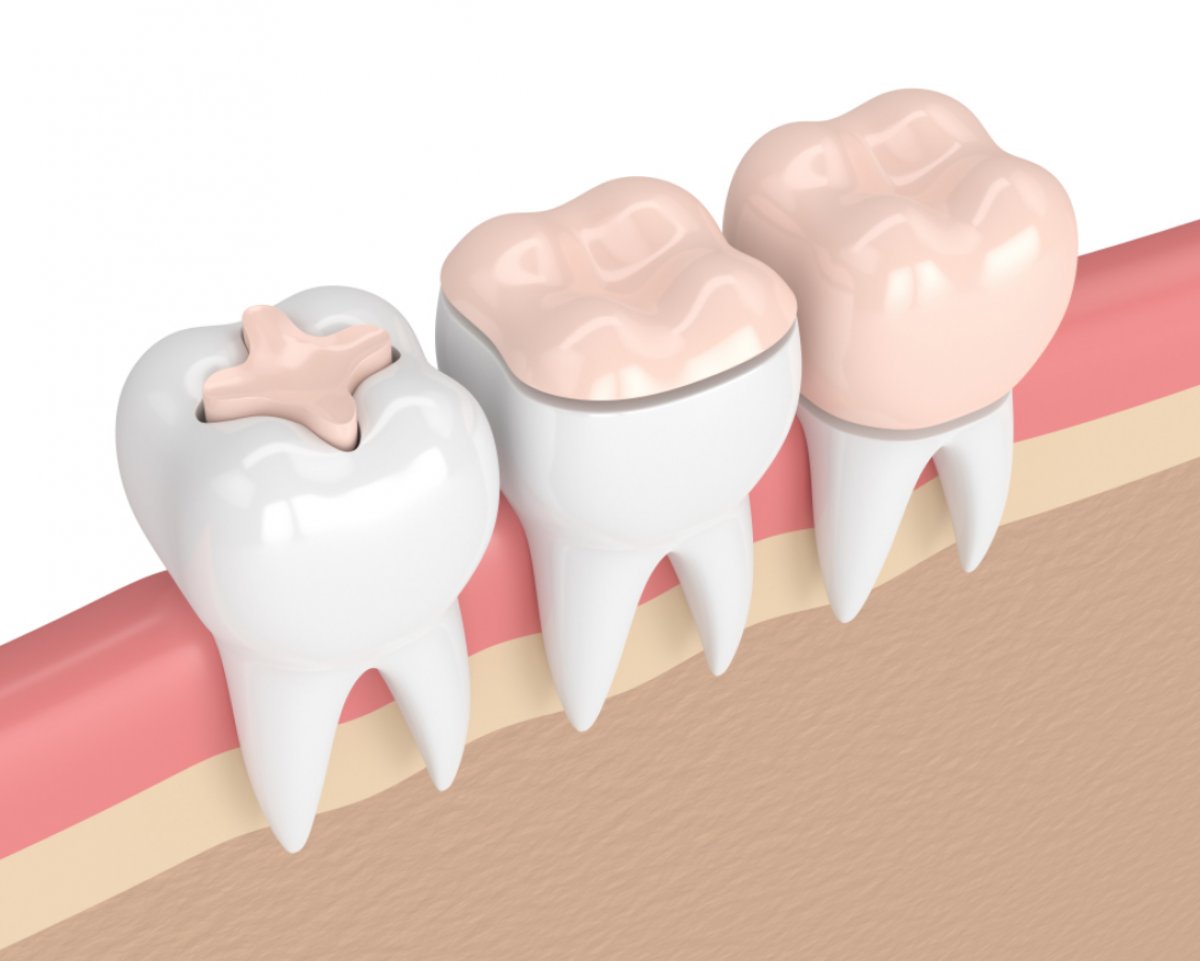
At İzmir Avrupadent clinics, multiple caries treatments begin with a detailed examination in which the child’s caries risk analysis is conducted, prioritizing the treatment of painful or abscessed emergency teeth, the use of pediatric crowns in cases of significant material loss, and multidisciplinary approaches that include anesthesia specialist support for sedation/general anesthesia methods in children with difficult clinical adaptation.
The treatment of a child with 8 or 10 deep cavities is far too complex to be addressed through traditional dental “tide-turning” sessions. Having to tolerate so many procedures while awake in a clinical chair for weeks is both physically and psychologically traumatic for a small child. In our specialized processes conducted in İzmir, the doctors first draw up a treatment map. If the child shows cooperation, the procedures are performed according to urgency, divided into short and gamified sessions. However, if the child is afraid, if communication cannot be established, or if infections are very deep, to avoid psychologically harming the child, the procedures are planned in fully equipped surgical conditions. All canal treatments, extractions, fillings, and zirconium pediatric crowns for the child who is asleep under anesthesia are completed in a single sleep session within a few hours.
How Do Regular Pediatric Dentistry (Pedodontics) Check-ups Stop Common Cavities?
Regular Pediatric Dentistry (Pedodontics) check-ups detect microscopic mineral losses on the enamel surface before they turn into deep cavities and initiate cellular recovery with professional fluoride varnishes, scientifically identifying and correcting dietary mistakes that families may overlook, thus stopping the widespread cavity epidemic at its source.
The thinning of a tooth is the final stage of the caries process. In the pathway to common caries syndrome, teeth first become dull, form chalky spots, and the gums begin to bleed. The main goal of routine pediatric dental check-ups every six months (or every three months for high-risk groups) is to detect this invisible stage through special examinations and bitewing X-rays. The dentist enhances the tooth’s resistance to acids biochemically by applying protective shields (fissure sealants and fluoride varnishes) without using any cutting instruments on the teeth. This way, the acidic imbalance in the child’s oral flora (the decay process) transitions into a repair process with the dentist’s intervention, and the multiple decay scenario is reversed without leaving any physical damage.