When can the permanent tooth be placed after the implant is done?
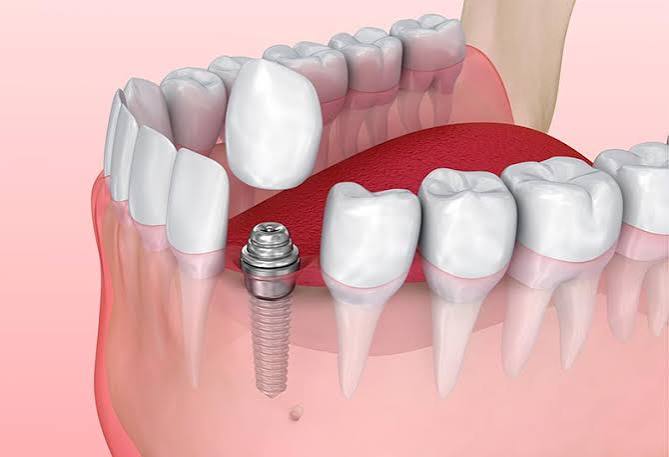
The period for placing the permanent tooth after an implant is generally dependent on the completion of the biological healing (bone fusion) phase, which usually takes between 2 to 6 months following the surgical procedure. During this time, the titanium material placed must be completely surrounded by jawbone cells to achieve the necessary biomechanical stability to withstand daily chewing forces. Although temporary teeth can sometimes be placed on the same day in certain specific anatomical conditions, the delivery of the final porcelain or zirconium structures is always planned for after this fusion process is completed.
These treatments, planned to complete missing teeth, are not just a simple assembly procedure but a medical process based on the tissue renewal mechanisms of the human body. For the artificial root placed in the body to function like a natural tooth root, it is expected to create a biological network such that there are no gaps between it and the bone. Placing the permanent tooth and exerting chewing load on it during the early phase before this integration is completed may disrupt the cellular structure of the related tissue, causing the medical process to be interrupted. Therefore, the waiting period is one of the cornerstones of the treatment.
What Determines the Permanent Tooth Placement Duration After Implant in Izmir?
In the treatments applied in clinics in Izmir, the duration for placing the permanent tooth is determined based on the existing density of the patient’s jawbone, the primary stability (initial retention) values measured during the surgery, and the individual’s cellular healing rate. Since each person’s anatomical structure and biological response are different, the waiting period is not fixed according to a schedule, but is specifically planned for the individual based on the objective data obtained by the physician after radiological examinations.
The entire process from patient admission to prosthesis delivery at İzmir Avrupadent clinics is based on biological realities. The bone metabolism of a young patient does not progress at the same rate as that of an older patient. These physiological differences directly affect the time it takes for the titanium surface to integrate with the bone cells. Another determining factor is the anatomical characteristics of the area where the missing tooth is located. In the areas with very intense chewing forces, doctors generally prefer a longer and safer healing period.
| Medical Factor | Effect on Process and Evaluation Criteria |
|---|---|
| Bone Density (Quality) | A dense and hard bone structure provides faster stabilization, while spongy structures require a longer waiting period. |
| Primary Stability (Torque Value) | This refers to the mechanical resistance demonstrated by the titanium structure at the moment of placement in the bone during surgery. High resistance is an indicator that the process will progress as expected. |
| Additional Surgical Procedures | If procedures such as bone grafting or sinus elevation are performed, the duration is extended for the new tissue to mature. |
| Systemic Health Status | Diseases that affect circulation and tissue healing, such as diabetes, necessitate a longer planning of the healing process. |
Is There a Difference in Implant Placement Durations Between Upper Jaw and Lower Jaw Treatments?
There is a significant difference between the durations of fixed prosthetic treatments in the upper jaw and the lower jaw; in treatments applied to the lower jaw, the permanent teeth can typically be placed in about 2 to 3 months, while due to the anatomical structure of the upper jawbone being more porous (spongy), this duration can extend up to an average of 3 to 6 months. The structural density of the bone (cortical thickness) is the main anatomical factor determining the speed of the healing process.
The lower jaw (mandible) in human skull anatomy is a movable bone, under the pressure of the continuous chewing muscles, and thus has a quite hard (cortical) bone structure for the dental arch. This hard structure allows the material placed to stick firmly from the very first day. The upper jaw (maxilla), on the other hand, is fixed to the skull, houses cavities known as sinuses, and its internal structure is more porous. The titanium interface wrapping around the porous bone cells and forming a strong network requires biologically more time. Therefore, separate healing schedules are created for both jaws in the planning phase.
When is the Permanent Tooth Placed in Cases Where Bone Powder (Graft) is Implanted?
In cases where bone powder (graft) is implanted, the permanent tooth is placed after an additional waiting period of about 4 to 6 months, which is required for the added powder material to fully integrate and vascularize with the patient’s own living bone tissue and harden. In these cases, it is essential to confirm radiologically that the area containing the graft has completely matured before placing the permanent porcelain teeth.
The long passage of time since tooth loss leads to the resorption of the bone in that area. For titanium implants to be placed healthily, there must be a specific thickness of bone tissue surrounding them. When sufficient tissue is not available, physicians increase the volume of the area using biocompatible bone grafts. The structural integrity of this new volume is achieved when the body’s own cells envelop these particle powders. Installing a dental implant before the healing period is complete is not clinically advisable, as it would disrupt the newly formed bone structure trying to regenerate.
How Can We Understand That the Osseointegration Process is Complete?
The completion of the osseointegration process is understood through clinical stability tests (periotest or torque measurements) conducted by the dentist at the end of the waiting period, as well as detailed radiological examinations showing the bone level beneath the gum. These evaluations provide objective data confirming that a cellular union between the titanium implant and the bone has occurred, thereby granting approval to proceed with the production of the permanent tooth.
The process of bone cells enveloping the material is not something visible from the outside. Once the healing period is complete, the dentist conducts a local examination to measure how much resistance the material has shown to the chewing forces. In radiological examinations, according to implantology principles, it is checked if there are any dark areas (radiolucency) or the formation of connective tissue around the material. When a perfect adaptation between the bone and titanium is observed, a green light is given to proceed to laboratory stages.
Under What Medical Conditions Can Immediate Implant Placement (Immediate Loading) Be Done on the Same Day?
Immediate loading on the same day is possible under strict medical conditions such as very high measured mechanical compression (primary stability) of the material placed in the jawbone during the surgical procedure, the ideal level of bone density, and the absence of an active infection history in the area where the procedure is applied. When these specific conditions are met, aesthetic, temporary teeth that exert less chewing pressure can generally be installed in the anterior regions in the same session.
Teeth installed on the same day are not permanent porcelain or zirconium teeth; their primary aim is to cover aesthetic deficiencies and guide the shaping of the gums. The immediate loading protocol is not a suitable standard for all cases. If the bone structure is sponge-like or the targeted mechanical resistance cannot be achieved when the material is placed, the same-day tooth implantation procedure is immediately canceled by the physician, and the tissue transitions to the waiting phase, which is the classic healing protocol.
- Mechanical Resistance (Torque): The initial retention force indicated by the devices must be above medical limits.
- Regional Condition: There should be no cysts, active inflammation, or granulation tissue in the relevant area.
- Occlusion (Bite) Balance: The temporary tooth to be placed must be adjustable to a position where it does not come into hard contact (passive) with the opposing teeth.
Is a Temporary Tooth Placed for Aesthetic Concerns During the Waiting Period for Healing?
During the healing waiting period, especially in cases of anterior tooth deficiencies, temporary teeth made of acrylic or similar lightweight materials can be placed to address the patient’s aesthetic concerns, support speaking function, and prevent the lip profile from collapsing. These applications are designed to not transmit chewing pressure to the underlying surgical tissue (leaving the function aside), thereby ensuring the safety of the healing process.
The effects of the treatment process on the patient’s psychological state and social life are as important as the function in dentistry. Being without teeth for months is generally not an acceptable situation for many individuals in work and social life. Therefore, the developed temporary prosthetic options (removable dentures, clear aligners, or bridges that attach to adjacent teeth) ensure aesthetic integrity without damaging the bone healing process. However, it is particularly emphasized that patients should avoid the act of eating while using temporary teeth during this process.
| Criteria | Details of Temporary Tooth Application |
|---|---|
| Material Structure | They are made from lightweight acrylic or composite-based materials, rather than hard permanent porcelains. |
| Mechanical Relationship | It is specifically adjusted to avoid full contact with the opposing jaw during chewing (passive contact). |
| Usage Restrictions | It is generally prohibited to use them in the process of tearing hard and shell foods. |
| Tissue Contribution | It guides the proper and natural shaping of the gum tissue (formation of the ridge) before the permanent dentures are placed. |
How Does the Patient’s Systemic Health Status Affect the Duration of Denture Placement?
The systemic health status of the hospital can affect the duration of tissue healing, directly extending the time for prosthesis placement due to factors such as diabetes affecting the circulatory system, osteoporosis slowing down bone metabolism, or autoimmune disorders. While treatments can be successfully applied in controlled chronic diseases, the waiting schedule may be spread over a broader time frame by the physician since cellular regeneration takes longer compared to a healthy individual.
Biological integration occurs with the arrival of healing cells carried by the blood circulation to the relevant area. For example, in diabetic patients, microcirculation is affected, thus delaying wound healing and bone formation. Even if the hospital is using regular blood thinners or osteoporosis medication, these are key factors influencing the process. Therefore, transparently sharing the medical history is vital for establishing safety protocols during the process.
What Should Be Done to Support the Healing Process in Implantology Applications?
To support the healing process, the medications prescribed by the physician must be used completely in the first weeks after surgery, a soft dietary regimen protecting the wound from trauma should be adopted, and strict adherence to specific oral hygiene rules (gentle brushing, appropriate device cleaning, and medical gargles) that prevent bacterial plaque formation in the area is necessary. The patient’s compliance during the process is critically important for the continuous success of bone healing.
The first step in protecting the entire tissue is to keep the area free from mechanical and chemical damage. Heavy smoking reduces the amount of oxygen reaching the tissues and disrupts circulation, seriously threatening the adaptation of bone cells. Additionally, consuming very hot or coarse foods can cause irritation in the healing gum. The care routine that the individual follows is a fundamental parameter that ensures the smooth progression of treatment.
- Oral Hygiene: The neighboring teeth around the surgical area should be brushed carefully without harming the soft tissue.
- Cigarette Use: Smoking should be limited during the healing period to avoid disrupting tissue perfusion.
- Dietary Plan: Soft foods that are easy to chew and rich in vitamins and minerals supporting cell regeneration (purees, soups, smoothies) should be preferred.
- Physical Protection: It is important to avoid contact with hard objects and to refrain from habitually checking the surgical area with the tongue.
What Are the Stages of Placing the Prosthetic Tooth After the Waiting Period Is Completed?
After the waiting period is completed and bone fusion is confirmed, the stages of placing the prosthetic tooth include first attaching the gingiva former pieces to shape the gum, followed by taking precise measurements using digital or traditional methods, and finally testing the permanent zirconium or porcelain structures prepared in the laboratory and securing them within the mouth. This prosthetic stage generally spans a time frame of 1 to 3 weeks.
Bone marrow healing is an invisible process, and the prosthetic phase is entirely aesthetic, involving closure dynamics and is functionally focused. The current digital scanners (intraoral scanner) used for measurements transfer the patient’s jaw closure and the position of surrounding tissues into a three-dimensional format in the laboratory. Dental technicians design the most suitable shape for the patient’s neighboring tooth color, facial symmetry, and speaking mechanism. During trials in the clinical setting, it is examined whether the patient’s teeth come into early contact while closing; once all balances are maintained, the final placement of the teeth is realized.
| Clinical Step | Content and Purpose of the Procedure |
|---|---|
| Gum Shaping | Special attachments are placed to ensure that the gum tissue over the titanium structure heals in a form similar to the natural tooth collection (usually takes 1 week). |
| Measurement Taking | The complete copy of the jaw is transferred to the laboratory using digital scanners or silicone measuring materials. |
| Base and Aesthetic Trial | Control of the mouth fit, color harmony, and chewing balance of the dental framework prepared in the laboratory. |
| Permanent Stabilization | Permanent fixation of porcelain or zirconium teeth that pass all functional tests using suitable medical cements (adhesives) or screwing techniques. |
How is the Permanent Tooth Implant Process Monitored at Avrupadent Izmir Clinics?
The process of permanent denture fitting at Avrupadent clinics operating only in the Izmir region is monitored with a multidisciplinary approach from the initial clinical evaluation to the final prosthesis delivery, including periodic radiological follow-ups and transparent patient information protocols. In accordance with the current medical methods in the field of Implantology, a data-driven healthcare service is provided that respects each patient’s own healing progress.