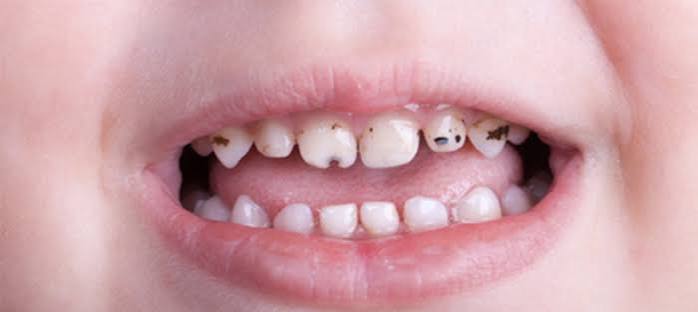
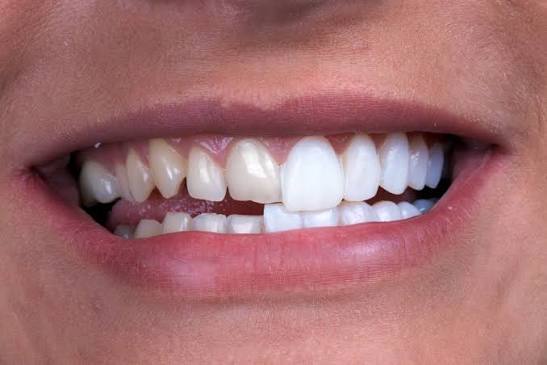
Porcelain veneers are delicate ceramic leaves aimed at improving the aesthetics and functionality of the appearance of the front teeth. The success of these durable and naturally appearing veneers is maintained with minimal tooth reduction. In particular, precise preparations made on the enamel layer support the longevity of the veneer. Digital technologies integrate the workflow with CAD/CAM and 3D printed templates, offering accurate and conservative applications. In this workflow, guided by digital diagnosis, aesthetic planning, and virtual wax-up processes, the lack of standardization remains a factor affecting preparation accuracy and treatment duration.
What are Porcelain Laminates and How Do They Work?
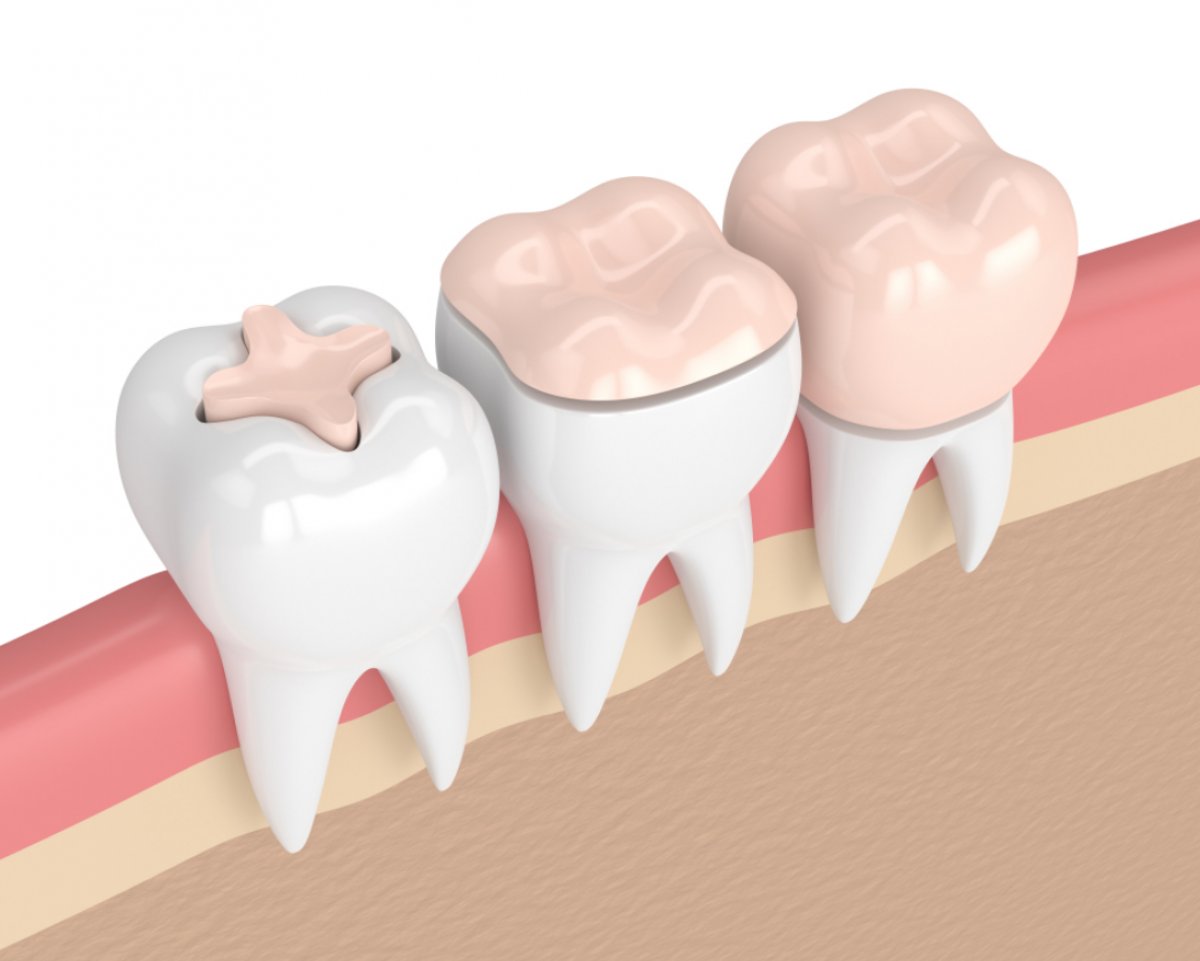
Porcelain laminates are thin, durable ceramic layers applied for aesthetic purposes on the front surface of teeth. They are preferred for cosmetic improvement rather than extensive dental restoration and hide many dental issues while preserving the natural appearance of teeth.
-
\t
- Color discrepancies
- Minor alignment issues
- Gaps
- Chips
\t
\t
\t
Porcelain laminates placed by minimal abrasion on the enamel are particularly effective in covering discolorations that do not respond to whitening treatments. Despite providing striking aesthetic results, laminates do not strengthen teeth and are only suitable for minor alignment problems. Moreover, although laminates require regular maintenance to remain long-lasting, they must be used with certain care to maintain their original shine over time.
Why Should You Prefer Porcelain Laminates Over Other Cosmetic Dental Options?
Porcelain laminates are among the prominent options in aesthetic dentistry due to their long-lasting natural appearance and durable structures. Compared to treatments like teeth whitening and composite bonding, their numerous advantages make porcelain laminates an attractive solution for those seeking dental aesthetics. The semi-translucency and light-reflecting properties suitable for the structure of tooth enamel support natural appearance and meet aesthetic expectations. Here are compelling reasons to choose porcelain laminates:
- Durability
- Natural appearance
- Stain resistance
The long-lasting nature of porcelain laminates makes them a reliable option in dental aesthetics. With proper care, these coverings can last for years, providing protection for 10-15 years, in contrast to shorter-lived solutions like composite bonding. This durability is a significant advantage, especially for those who want to protect the aesthetic and structural aspects of their smile.
In terms of stain resistance, porcelain laminates excel over quicker-staining options like teeth whitening or composite bonding. Porcelain surfaces are more resistant to factors that can cause staining, such as coffee, tea, red wine, and tobacco, ensuring a bright and clean smile for a long time.
In addition to these aesthetic advantages, porcelain laminates have the capacity to address various aesthetic issues like color shaping and alignment in a single application. For patients seeking a comprehensive aesthetic transformation, porcelain laminates offer a harmonious and holistic solution.
What Is the Process of Getting Porcelain Laminates?
The porcelain veneer process requires detailed steps and expertise for an aesthetic smile. It begins with a comprehensive initial consultation that evaluates dental health and aesthetic needs. This process, guided by the dentist, is supported by tools such as digital imaging and X-rays to determine whether the teeth are suitable for veneers.
- Initial Consultation
- Tooth Preparation
- Tooth Measurements
- Temporary Veneers
- Final Veneer Application
- Follow-ups and Adjustments
During the tooth preparation process, a thin layer of enamel is removed from the surface of the teeth that will receive the veneers. This procedure is generally performed under anesthesia, aiming for the veneers to fit perfectly with the teeth. After the measurements are taken, the design of the veneers begins; at this stage, the appropriate color and shape are selected to match the natural tooth structure. Temporary prosthetics are applied until the veneers are ready, enhancing patient comfort.
In the final step, custom veneers are crafted, and then the dentist performs a final check to ensure everything is perfect. Following the completion of this process, regular oral care and dental check-ups are crucial to guarantee the longevity of the porcelain veneers.
What is the Lifespan of Porcelain Veneers and How Should They Be Maintained?
The lifespan of porcelain veneers typically ranges from 10 to 15 years when maintained properly with high-quality materials. In some cases, with ideal oral hygiene and lifestyle choices, this period can exceed 20 years. Factors affecting the durability of veneers are directly related to both the quality of the materials and the patient’s diligent habits. Proper care is of great importance for long-term usage.
Factors affecting lifespan:
- Material quality
- The dentist’s placement skills
- Oral hygiene routine
- Nutritional habits
- Protection from physical stress factors
It is recommended to brush gently twice a day with a non-abrasive toothpaste to maintain the aesthetic appearance of the veneers. Using dental floss, especially near the gum lines, helps prevent potential problems in those areas. Regular visits to the dentist, at least twice a year, contribute to keeping the veneers healthy.
Avoiding hard foods and habits such as nail-biting or teeth grinding reduces the risk of chipping. It is advisable for those with bruxism to use a night guard to protect their veneers. To prevent staining of the veneers, it is beneficial to avoid staining substances such as coffee, tea, red wine, and smoking. Rinsing with water after consuming these substances can also help maintain brightness.
Who is the Ideal Candidate for Porcelain Veneers?
Porcelain veneers are suitable for individuals who have a healthy oral structure, realistic aesthetic expectations, and value regular dental care. The primary characteristics that an ideal candidate should possess are:
- Healthy gums and teeth
- No periodontal disease or advanced decay of the gums
- Sufficient enamel tissue
- Attention to daily oral care
- Avoidance of habits that could damage the teeth
Ideal candidates for porcelain laminates are individuals who need minor aesthetic improvements to benefit from the aesthetic advantages provided by them. Laminates are ideal options for addressing issues like slight discoloration, small cracks, minor irregularities, or dental shape problems that could cause aesthetic concerns. However, in cases requiring comprehensive orthodontic intervention or complete restoration, porcelain laminates may not provide a sufficient solution.
Lastly, it is important for ideal candidates to have realistic expectations about the results they can achieve with porcelain laminates. While laminates can provide a significant improvement in smile aesthetics, they do not offer a solution that fully preserves oral health or prevents all potential issues that may arise in the future.