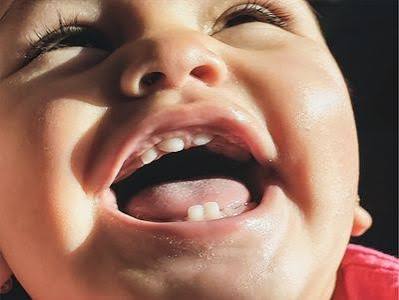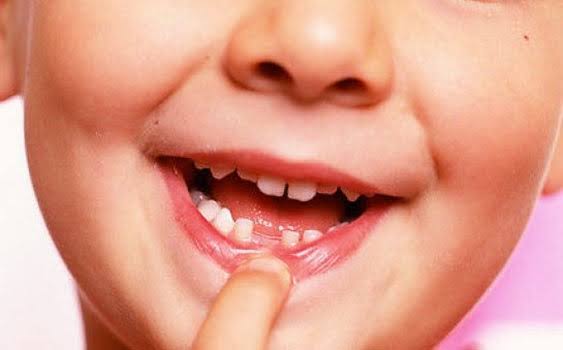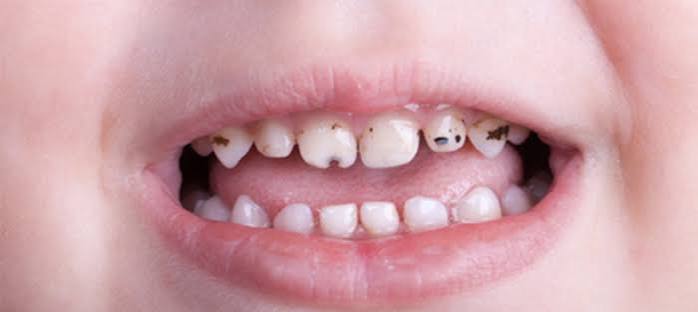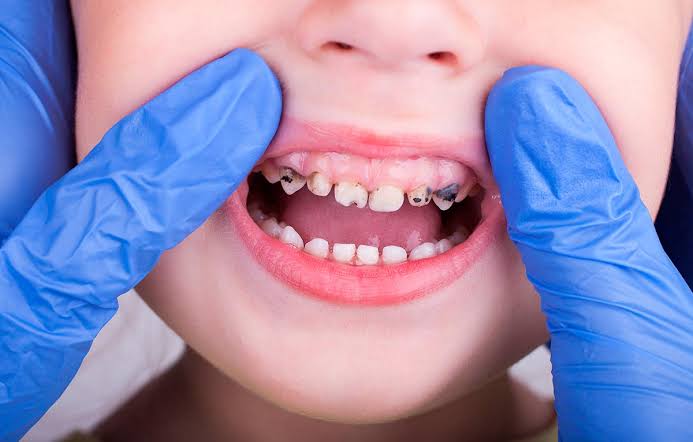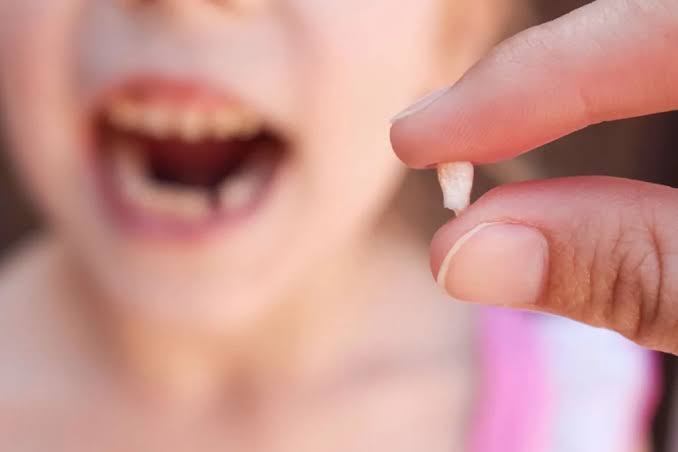

The teething process in infants is a common experience that parents frequently encounter and is an important milestone in a baby’s development. Typically starting between 4 to 7 months, signs during this process can include irritability, drooling, rubbing their gums, and gnawing on objects. These signs may indicate that the baby is experiencing discomfort. While mild symptoms like a slight fever, ear rubbing, and facial rashes may appear during teething, high fever and diarrhea are not typically related to it. Discomfort can often be alleviated with cooled teething rings or gentle massage on the gums.
When Does Teething Start in Infants?
The teething process in infants usually begins between 4 to 7 months, but it can vary for each baby. The timing of the first teeth can differ due to genetic factors and developmental differences. Some babies may start teething as early as 3 months, while others may not begin until they are a year old. During this process, teeth erupt in a specific order, and the completion of milk teeth typically occurs around 3 years of age.
- Lower central incisors 6-10 months
- Upper central incisors 8-12 months
- Lower lateral incisors 9-16 months
- Upper lateral incisors 9-16 months
- First molars (upper) 13-19 months
- First molars (lower) 14-18 months
- Canine teeth 16-23 months
- Second molars 23-33 months
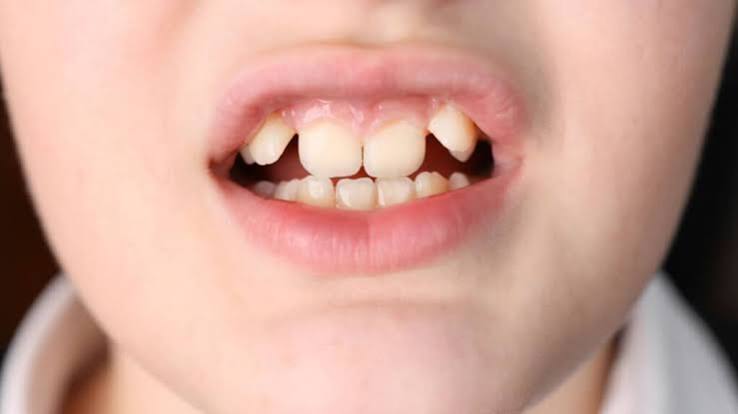
According to this schedule, the baby’s mouth gradually fills with teeth. Teeth usually come out in symmetrical pairs; that is, the left and right teeth erupt simultaneously. Thus, by the age of 3, children typically have a total of 20 primary teeth in their mouths. These differences during teething reflect each baby’s unique developmental process, and any delay is generally considered normal.
How Can You Identify Teething Symptoms in Babies?
Correctly identifying teething symptoms can help manage the process more comfortably. Some common signs observed in teething babies include:
\t- Increased drooling
\t
- Itching sensation in the gums
\t
- Irritability
\t
- Desire to bite objects
\t
- Cheek rubbing
\t
- Mild fever (below 38.9°C)
\t
\t
\t
\t
\t
Teething generally causes pressure and discomfort in babies’ gums, leading to irritability and a constant desire to chew. Rashes on the baby’s face may also result from drool coming in contact with the skin. Cheek or ear rubbing is particularly common during the times when the primary teeth start to erupt, which can lead to the spread of teething discomfort.
Studies show that severe symptoms such as high fever, diarrhea, or vomiting are generally not directly related to teething. Babies with teething may experience mild sleep disturbances or decreased appetite for solid foods. However, if symptoms are more severe or prolonged than expected, especially if there is a high fever or gastrointestinal issues, it is important to consult a doctor.
Teething gels and gentle gum massages are effective methods to help soothe the baby during the teething process. The skin around the mouth should be kept clean and dry to prevent skin irritation. In babies showing severe symptoms, other illness possibilities should be considered.
What Are Safe and Effective Remedies for Teething Pain in Babies?
There are safe and effective methods to relieve teething pain in babies. In this process, it is recommended that parents try some natural and reliable practices. The following methods are suggested to soothe the aching gums and help the baby relax:
\t- Chilled teething toy
\t - Damp cloth kept in the refrigerator
\t - Hard chilled teething ring
\t - Hard rubber teething toys
\t
\t
\t
Gently massaging the gums can also provide a soothing effect. A gentle massage on the gums with a clean finger or a damp gauze can reduce the baby’s discomfort and alleviate teething pain. Additionally, for babies who have transitioned to solid food, hard foods like chilled peeled cucumber or carrot can provide natural relief through chewing. However, these foods should always be given under close supervision as they may pose a choking risk.
To alleviate pain, age-appropriate pain-relief medications, especially acetaminophen or ibuprofen, can be used after consulting a doctor for babies older than six months. On the other hand, teething gels, benzocaine-based products, amber necklaces, and homeopathic teething tablets should be avoided. These products are not recommended as they carry potential health risks and can have harmful effects.
Are There Products to Avoid While Babies Are Teething?
The use of certain products during teething in babies can lead to risky outcomes, and therefore, it is recommended to avoid them. Some products that parents choose to alleviate teething pain may contain substances or be used in ways that could threaten baby health. Notable products to be cautious about include over-the-counter teething gels, homeopathic tablets containing belladonna, and teething necklaces. Parents are advised to turn to natural and safe alternatives while considering the potential dangers of these products.
Products to be avoided:
- Teething gels containing benzocaine
- Homeopathic tablets containing belladonna
- Amber necklaces and bracelets
- Wooden, silicone, and marble teething toys
Safe and non-toxic methods should be preferred for alleviating teething pain in babies. Parents can make this process more comfortable by gently massaging the baby’s gums with a clean finger or using frozen hard rubber teething toys. The coolness of the teething toys can help relieve tenderness in the gums. These methods are the most effective and healthiest options for managing a baby’s teething process safely, without resorting to potentially harmful products or those carrying an risk of malfunction.
When Should You Consult a Pediatrician About Teething in Babies?
It is important for parents to consult a pediatrician while considering certain symptoms during the teething process. Teething in babies usually leads to mild discomfort, while in some cases, serious symptoms may occur that could signal health issues beyond teething. It is recommended to consult a pediatrician in the following situations:
- High fever
- Severe irritability
- Loss of appetite
- Constant crying
- Prolonged fever
- Diarrhea
These symptoms may not be directly related to teething but can indicate infections or other diseases. The risk of catching illnesses increases during teething due to decreased maternal antibodies and frequent hand-mouth contact. In such cases, attributing serious symptoms solely to teething can lead to delays in diagnosing infections. Moreover, it can be difficult to distinguish between common symptoms during teething and infection symptoms in infants. For this reason, it is important to conduct a pediatric evaluation in any unusual situation to protect the baby’s health.