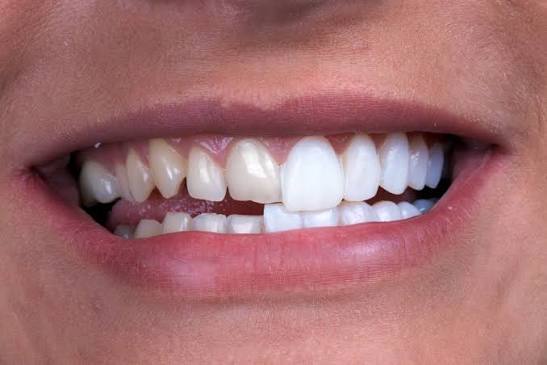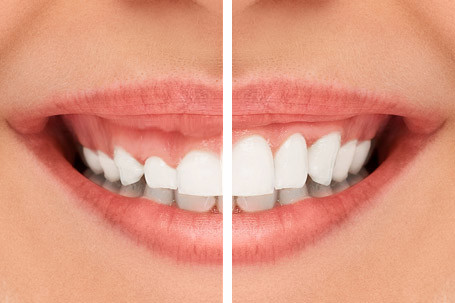
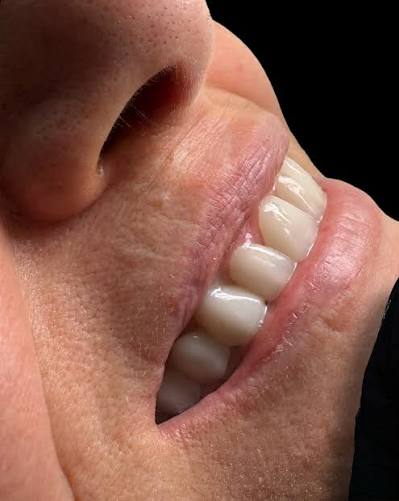
Micro contouring is a non-invasive and minimally invasive dental aesthetic procedure applied to make teeth appear more uniform and symmetrical in an aesthetic sense. In this process, minimal amounts of tissue are removed from the tooth enamel using special drills or sanding discs, thus correcting minor irregularities, softening sharp edges, and improving the overall shape of the teeth. Micro contouring, usually applied to the front teeth, is completed in a short time and offers a rapid healing process. It does not provide solutions for significant dental issues; however, it stands out as an ideal method for small cosmetic adjustments.
What is Tooth Contouring and How Does it Work?
Tooth contouring is a minimally invasive procedure that offers aesthetic improvements by making slight adjustments to the shape, length, and surface of the teeth. This method is aimed at correcting minor cosmetic flaws by removing small amounts of enamel from the tooth surface. It is generally preferred to eliminate minor irregularities in teeth, such as small fractures or excessively sharp edges.
During the tooth contouring procedure;
- Small fractures
- Irregular edges
- Mild alignment issues
- Excessively sharp tooth tips
are targeted. The dentist shapes the enamel using fine diamond burs or special sanding discs. This way, the teeth gain a more symmetrical and uniform appearance. During the procedure, fine abrasive tools can also be used to address irregularities between the teeth.
The areas to be contoured are carefully determined based on the patient’s aesthetic expectations, and at the end of the procedure, the tooth surface is polished to achieve a smooth appearance. In most cases, this procedure is highlighted as a non-invasive process that does not require anesthesia. However, in individuals with high sensitivity, local anesthesia may also be applied.
Tooth reshaping is preferred because it is a quick process that yields fast results and has a low cost. This procedure, which is a preventive option compared to other cosmetic procedures, is only suitable for minor aesthetic changes and is insufficient for solving complex issues in teeth. After the procedure, attention to standard dental hygiene is necessary, and avoiding hard foods is required to protect the enamel.
What Are the Benefits of Tooth Reshaping?
Tooth reshaping is a practical and painless procedure that helps teeth achieve a symmetrical and aesthetic appearance. By eliminating minor irregularities or smoothening sharp edges, it improves smile aesthetics and creates significant differences with slight changes on the tooth surface. The procedure requires only a minimal amount of enamel removal, and in most cases, anesthesia is not necessary. It offers quick results as it can be completed with a single visit to a dentist.
The main benefits of tooth reshaping are:
- Smooth edges
- Elimination of minor fractures
- Regular tooth alignment
- Easier tooth brushing
- Reduction of plaque accumulation
Tooth reshaping is a cost-effective option, especially for those who need superficial adjustments. It is more economical compared to other orthodontic or cosmetic procedures and can be applied with a low fee per tooth. Additionally, its minimal invasive nature does not require long recovery times, making this procedure accessible to a wide audience.
Who Is an Ideal Candidate for Tooth Reshaping?
Tooth reshaping or micro-contouring is particularly suitable for individuals seeking small-scale aesthetic adjustments. This procedure is ideal for those who desire minor cosmetic improvements without serious structural issues in their teeth. The ideal candidates for tooth reshaping are individuals who have enough enamel thickness to benefit from the procedure without compromising the integrity of their tooth structure. Generally, individuals with the following conditions benefit from this procedure:
- Minor chips
- Slight edge irregularities
- Small cracks
- Lack of symmetry
Individuals with healthy gums and no disease or decay are suitable candidates for micro-contouring. It is also an ideal option for those who do not wish to undergo more extensive and invasive procedures such as crowns or orthodontics. However, candidates with extremely thin enamel or severe alignment issues may not find this procedure sufficient; in such cases, more comprehensive solutions like orthodontics or crowns may be recommended.
The ability to complete tooth reshaping in a single session, providing quick results and a lasting effect, makes the procedure appealing.
What to Expect During the Tooth Reshaping Procedure?
The process of tooth reshaping is customized according to the patient’s dental health and aesthetic expectations. Initially, the dentist conducts a detailed consultation to evaluate the tooth structure and determine the suitability of the procedure. During this consultation, X-rays may be taken to check if there is enough enamel tissue.
The areas to be reshaped are marked with a fine pencil to clarify the application sites of the reshaping procedure. The dentist carefully removes a very minimal amount of enamel using appropriate tools and pays attention to the precision of the procedure. Possible tools that can be used:
-
\t
- Zirconia crowns
- Diamond drills
- Lasers
\t
\t
Since there are no nerve endings in the enamel structure, the procedure is generally painless; therefore, anesthesia is usually not necessary. However, some patients may prefer additional comfort, and local anesthesia can be provided. After the polishing procedure, teeth are polished to achieve a shiny and natural appearance. The polishing process not only enhances aesthetics but also prevents plaque buildup. Symmetry checks are performed, and if necessary, minor adjustments are made to complete the final touches on the teeth.
The procedure is usually completed in a single session and does not require a recovery period; thus, the patient can return to daily activities without interruption.
How to Care for Your Teeth After Microcontouring?
After the microcontouring procedure, there are important factors to consider for maintaining dental health and aesthetic appearance. First, maintaining oral hygiene is essential. Teeth should be cleaned gently with a soft-bristled toothbrush and dental floss. For those experiencing sensitivity, special toothpaste may provide temporary relief.
It is recommended to limit certain foods and drinks to prevent staining of the teeth. The main substances that can cause discoloration on the tooth surface include:
-
\t
- Coffee
- Tea
- Red wine
- Tobacco
\t
\t
\t
Rinsing the mouth with water after consuming these products minimizes staining.
Temporary sensitivity may occur after microcontouring. In this case, it is wise to avoid extremely hot or cold foods until the sensitivity subsides. For those who grind or clench their teeth, a night guard is recommended. This guard prevents the enamel from wearing down and helps preserve the long-term benefits of the contouring procedure.