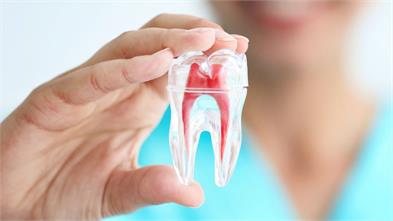
Failed root canal treatment is a common complication in dentistry, typically arising from resistant bacterial infections. Pathogens like Enterococcus faecalis resist traditional disinfection methods, reinfecting the canal system. Other reasons for failed treatments include overlooked canals, inadequate sealing, and procedural errors. This condition manifests with symptoms such as periapical lesions, pain, and swelling. To achieve success, non-surgical retreatment methods such as apical surgery or if necessary, tooth extraction, are applied. Timely and comprehensive intervention is critically important for long-term success.
What Are the Symptoms of Failed Root Canal Treatment?
The symptoms of a failed root canal treatment generally appear when the expected healing from the initial treatment does not occur or when new infections develop in the tooth. These symptoms require urgent evaluation regarding both dental health and overall oral health.
-
\t
- Persistent pain
- Swelling and gum sensitivity
- Sensitivity to hot and cold
- Abscess or swelling of the gums
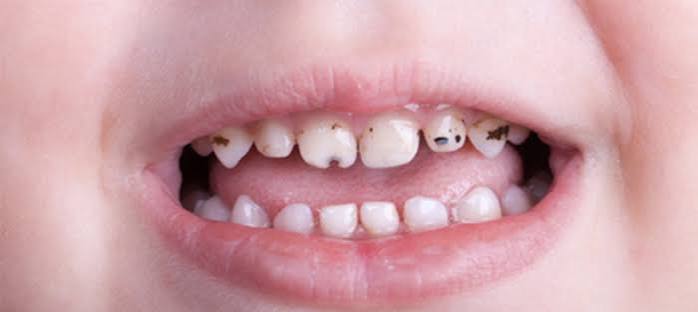
- Change in tooth color
- Feeling of looseness
- Recurring infections and bad taste
\t
\t
\t
\t
\t
\t
In such cases, treatment aims to clean the infected tissue remaining in the tooth and restructure the tooth healthily. Early recognition of a failed root canal treatment and necessary intervention increase the chances of saving the tooth.
Why Do Root Canal Treatments Fail?
The reasons for failure in root canal treatment are generally related to anatomical complexities, errors made during the procedure, and deficiencies in post-treatment care. A failed treatment may result in the reinfection of the treated tooth and damage to surrounding tissues. An effective root canal treatment requires the complete removal of bacterial remnants inside the tooth and ensuring that it is sealed; otherwise, bacteria can reinfect the treated tooth.
- Incomplete cleaning
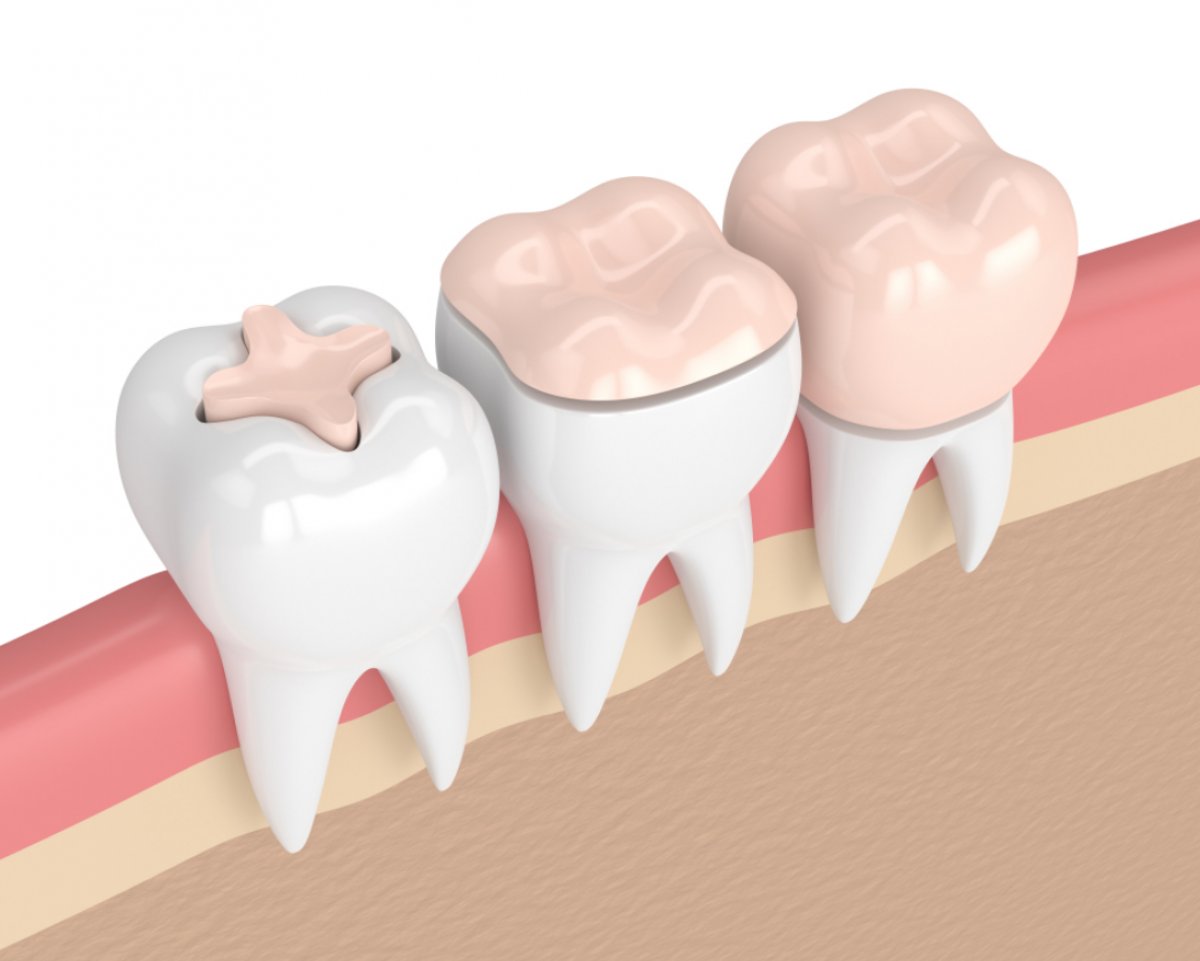
- Inadequate sealing
- Overlooked canals
- Complex canal structure
- Overly placed coronal restoration
- Poorly fitting crowns
- Trauma
- Breaks after treatment
- Resistant bacterial residue
- Periodontal complications
- Abscess formation
For a successful treatment, all canals in the tooth must be thoroughly cleaned and filled. Otherwise, the risk of infection increases, especially due to overlooked curved or narrow canals. Timely completion of coronal restoration is also important; otherwise, leaks may allow bacteria to re-enter the root canal.
How is Failed Root Canal Treatment Diagnosed?
The diagnosis of failed root canal treatment is made through various imaging techniques aimed at identifying the structural and microbial issues of the tooth. Initially, standard periapical X-rays reveal signs of residual infection or bone loss around the tooth. However, details such as complex root anatomy and small fractures are often not detectable through X-rays.
Therefore, the cone beam computed tomography (CBCT) method is frequently preferred for more accurate assessments. The three-dimensional imaging performed with CBCT helps identify complexities in neglected canals that may harbor infections and root structures. The contributions of CBCT that stand out in diagnosis are:
- Calcifications
- Quality of root canal filling
- Complexities in root configurations
- Small fractures or cracks that may be missed in traditional X-rays
- Periapical pathologies (such as cysts or abscesses)
Thanks to this detailed imaging method, the reasons for previously unsuccessful treatments can be comprehensively analyzed. Furthermore, CBCT plays a critical role in detecting gaps or insufficiencies such as inadequate sealing that affect the success of root canal treatment.
Based on the information provided by CBCT, retreatment or surgical planning to control infections in root canals can be done more accurately. Timely interventions can also help prevent serious complications such as sinus involvement or tooth loss.
Can a Failed Root Canal Treatment Be Rectified Without Extraction?
A failed root canal treatment can generally be rectified without the need for tooth extraction, and in this case, two main methods are suggested: retreatment of the root canal and surgical procedures like apicoectomy.
- Reopening the tooth
- Removal of the infected filling
- Cleaning remaining bacteria
- Carefully refilling the canals
If retreatments are performed with advanced devices, they can yield more effective results. Especially imaging techniques like CBCT ensure better identification of infected areas in teeth with complex root anatomy. Apicoectomy provides the opportunity to directly clean the infection by reaching the tip of the root and targets areas that cannot be accessed using traditional methods. When both retreatment and apicoectomy are performed by an experienced endodontist, the chances of saving the tooth significantly increase.
How Can You Prevent Root Canal Failure in the Future?
Some basic precautions that should be taken to ensure the long-term success of root canal treatment involve both preventive and restorative measures. These precautions aim to maintain a healthy tooth structure by reducing the risk of reinfection of the treated tooth.
Timely placement of a crown: Protecting the tooth and providing structural support
Regular oral hygiene: Daily brushing and use of dental floss
Planned dental check-ups: Early detection of issues like leaks in the crown due to micro-cracks
Avoiding dental trauma: Avoiding hard objects to prevent damage and using a mouthguard
Early intervention for symptoms: Consulting a dentist in case of persistent pain or discomfort
In addition to these precautions, habits that contribute to dental health also support treatment success. It is particularly important to avoid extremely hot or cold foods, taking into account that the treated tooth may be more sensitive. Additionally, using the care products recommended by the dentist helps maintain strong enamel and protects the tooth structure.