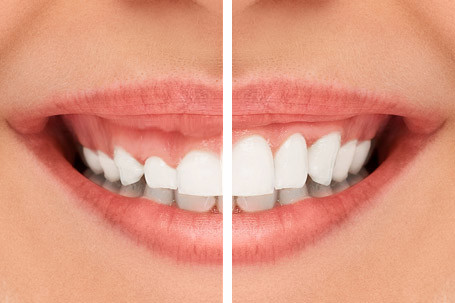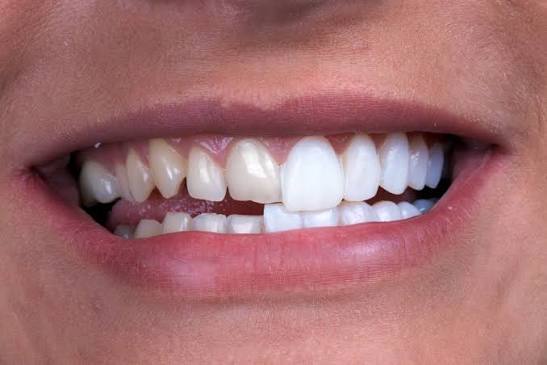

Tooth discoloration is a problem that many people encounter as an aesthetic inconvenience. This color change occurs as a result of external and internal factors. Foods and beverages such as coffee, tea, and red wine, along with tobacco use and inadequate oral hygiene, are among the external causes. Internal causes stem from dental trauma, certain medications, and systemic conditions. Tooth discoloration can be addressed through various methods depending on the cause; surface stains can be treated with whitening while internal stains can be treated with veneers, crowns, or bonding.
What Are the Main Causes of Tooth Discoloration?
The main causes of tooth discoloration are extrinsic (external) and intrinsic (internal) factors. Extrinsic factors refer to color changes occurring in the enamel layer, usually resulting from lifestyle and environmental factors. The consumption of food and drinks, tobacco use, and oral hygiene are among these factors.
- Coffee, tea, red wine, soft drinks
- Tobacco products (including cigarettes and pipes)
- Poor oral hygiene
- Environmental exposure (water containing iron, chlorinated swimming pools)
Intrinsic factors cause more permanent color changes by affecting the internal structures of the tooth, such as dentin. Genetic structural disorders, the use of certain medications, and aging are major factors triggering intrinsic color changes. As dentin ages, it becomes more noticeable, giving the tooth a yellow or dark color by thinning the enamel.
- Genetic disorders (dentinogenesis imperfecta)
- Aging
- Antibiotics such as tetracycline and minocycline
- Excessive fluoride intake (fluorosis)
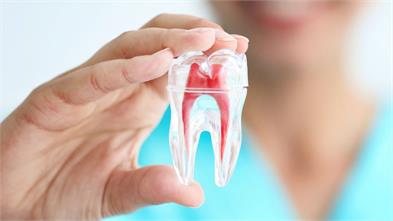
- Dental trauma (cutting off the blood flow)
- Radiation and chemotherapy treatments
In addition, the interaction of internal and external factors can lead to noticeable yellowing of the teeth. For example, poor oral hygiene combined with external factors can allow stains to penetrate deeper layers. In this case, staining becomes not only an aesthetic issue but also a situation that negatively affects dental health.
How Do Lifestyle Choices Contribute to Tooth Yellowing?
Lifestyle choices can cause noticeable discoloration of tooth color. Particularly, the frequent consumption of certain beverages and tobacco use can lead to yellowing through external staining. Drinks like coffee, tea, and red wine contain high levels of chromogens, which can create permanent stains by adhering to tooth enamel. The tannins found in coffee and tea facilitate the adhesion of chromogens to the tooth surface, contributing to more resilient stains. Red wine, due to its acidic nature, weakens the enamel, increasing sensitivity to staining. Smoking also causes yellow or brownish persistent stains on the teeth due to the presence of tar and nicotine.
- Coffee
- Tea
- Red wine
- Cigarettes and other tobacco products
Various preventive measures can be taken to avoid this staining. Using straws when consuming staining beverages can reduce direct contact of the liquid with the teeth, preventing discoloration. Rinsing the mouth with water after drinking can also prevent chromogens from embedding into the enamel. Additionally, using whitening toothpaste or enamel-protective products can minimize this staining. Quitting or reducing smoking can help maintain whiter and healthier teeth in the long term, especially by preventing the accumulation of tar and nicotine. These strategies, supported by routine dental cleaning, can significantly reduce discoloration caused by lifestyle habits.
Are Some Medical Conditions and Medications Behind Certain Color Changes?
Certain medical conditions and medications can underlie color changes occurring in the internal structure of the teeth. Dental trauma, certain antibiotics, and cancer treatments can lead to discolorations that cannot be resolved with standard whitening methods.
Dental trauma can disrupt blood flow within the tooth.
-
\t
- Antibiotics (such as tetracycline, doxycycline) can affect dental development during childhood.
- Cancer treatments (chemotherapy, radiation) can cause discoloration in teeth.
- Systemic diseases (liver disease, celiac disease) can lead to mineral loss in the tooth structure.
- Developmental conditions (amelogenesis imperfecta, dentinogenesis imperfecta) can weaken the tooth structure.
\t
\t
\t
These conditions typically affect both the external and internal surfaces of the teeth, resulting in deep, persistent stains that are often gray, brown, or yellow in color. Treatment options generally involve aesthetic corrections; particularly, the color and structure of the teeth can be improved with veneers, bonding treatments, and root canal therapy.
How Can Professional Whitening Treatments Help?
Professional whitening treatments offer powerful solutions to tackle stubborn or deep tooth stains. Internal stains that lie beneath the enamel are usually not addressed by over-the-counter whitening products, and in such cases, clinical treatments provide more effective results. Professional whitening treatments performed in a clinical setting use higher concentrations of hydrogen or carbamide peroxide and can be applied under controlled conditions without damaging the gum and enamel.
These professional treatment methods achieve effective results by targeting both superficial and internal types of stains, and activating peroxide with LED or laser light accelerates the whitening process. Thanks to professional whitening methods, teeth can be visibly lightened in a single session.
-
\t
- Whitening gels
- LED light applications
- Laser-assisted treatments
\t
\t
These methods target discolorations in the tooth enamel with high-concentration agents and provide noticeable results in a short time. Professional whitening treatments are especially suitable for stubborn, aged stains and internal color variations, and since they are performed by specialists in clinical conditions, the risk of sensitivity or irritation is kept to a minimum.
To maintain dental health, attention must be paid to gum health and any existing tooth sensitivity must be assessed before professional treatment.
What Cosmetic Solutions Are Available for Permanent Color Variations?
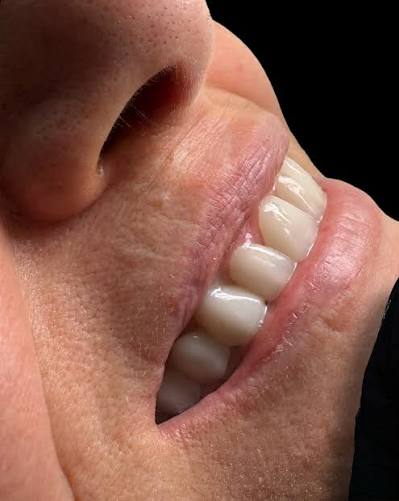
Tooth color variations are generally caused by factors such as aging, genetics, certain medication use, and trauma. In these cases, professional cosmetic treatments provide long-lasting and effective results. Among these treatments, there are various methods such as veneers, dental bonding, and crowns. Each one addresses different aesthetic or structural needs, helping individuals to regain the natural appearance of their teeth.
Veneers
- These are thin, custom-made shells applied to the tooth surface.
- Made of durable porcelain or composite resin.
- Generally lasts 10-15 years and has high stain resistance.
Dental Bonding
- It is a cost-effective and single-session procedure.
- Uses composite resin in the tooth color.
- Can last 3-7 years, requires regular maintenance.
Crowns
- Covers the entire tooth, restoring its color and function.
- Ideal for situations like cracking, structural damage, or dead pulp.
- Made from porcelain or ceramic materials, can last 10-15 years.
The choice of these methods is determined by the individual’s tooth structure, the severity of color variation, and aesthetic expectations. Veneers require minimal enamel loss for those wishing to maintain a natural appearance and provide substantial protection to the tooth. Bonding, as a more economical option, offers a quick solution for minor stain issues but requires regular maintenance in terms of durability. Crowns provide reliable protection, especially when structural support of the tooth is needed. The most suitable method can be determined under the guidance of the dentist, ensuring a long-term aesthetic solution.