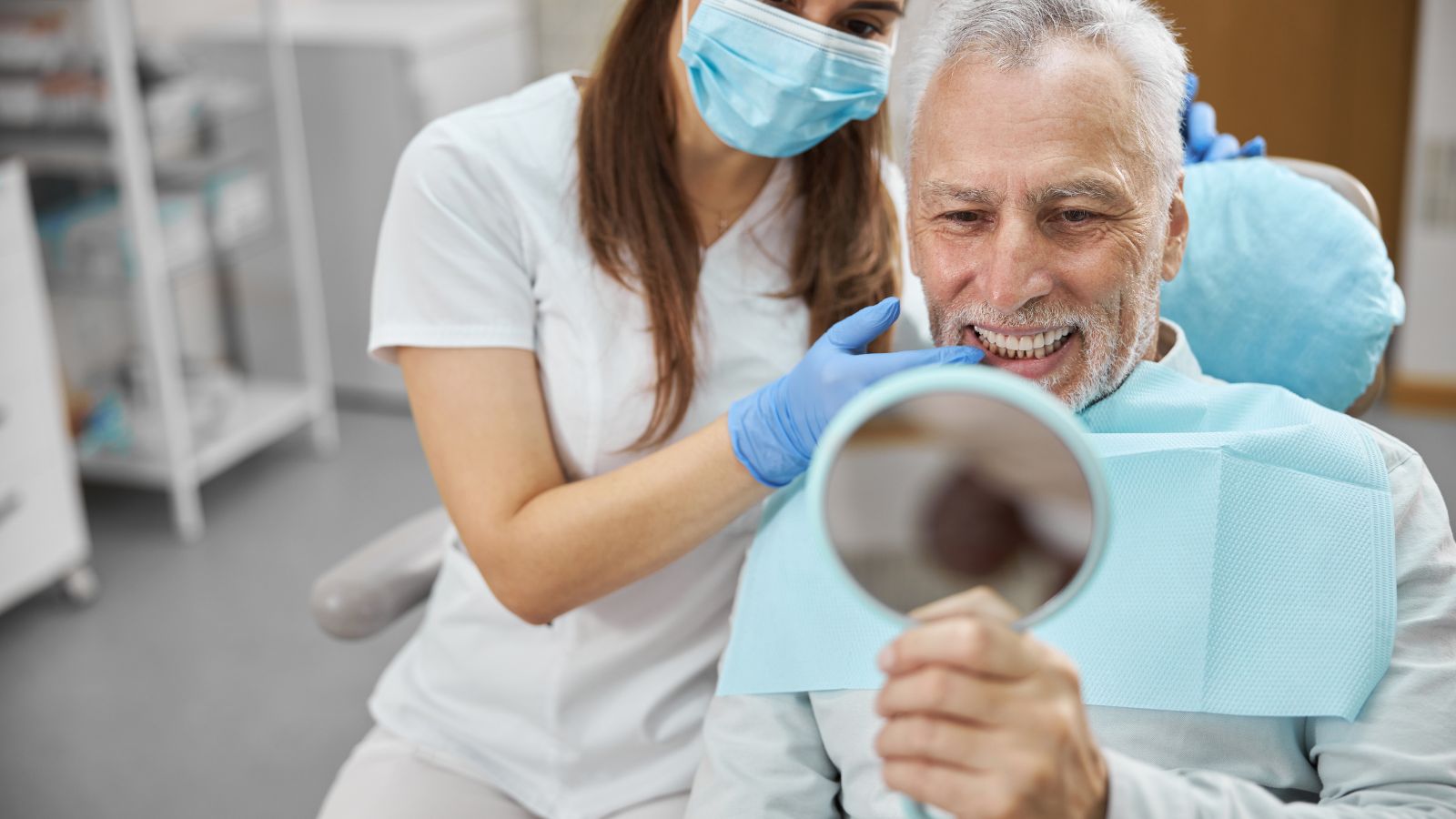
Oral health in older age is a significant factor that directly affects the overall health of the individual. Physiological changes experienced during this period can lead to various issues in oral health. Regular dental check-ups and hygiene practices become important to reduce the risk of diseases such as periodontal disease and oral cancer. It is recommended that older individuals maintain their habits of regular tooth brushing and flossing and prefer fluoride-containing toothpaste. In addition, using appropriate products to prevent dry mouth, maintaining a balanced diet, avoiding smoking, and limiting alcohol consumption can contribute to preserving oral health.
Why is Oral Health Important in Old Age?
Oral health in old age is a fundamental factor affecting the overall health and well-being of individuals. Good oral health can help prevent serious health issues such as cardiovascular diseases, diabetes, and cognitive decline in older adults. When proper attention is not given to oral health in seniors, issues such as gum diseases and tooth decay can lead to bacteria entering the bloodstream, increasing the risk of various infections in individuals with weakened immune systems.
Gum diseases and inflammations can particularly contribute to the following discomforts:
-
\t
- Heart disease
- Stroke
- Diabetes complications
- Cognitive decline
\t
\t
\t
Diabetes is closely related to oral health in older individuals. Diabetes increases susceptibility to oral infections, while gum diseases can also make blood sugar control more difficult. Therefore, managing gum diseases can improve glycemic control in individuals with diabetes and reduce complications. Conversely, when good oral health is maintained, blood sugar levels become more stable, reducing the risk of complications such as heart diseases and nerve damage.
In older adults, oral health plays a crucial role in supporting nutrition, social interaction, and mental well-being. Poor oral health can lead to difficulties in chewing, reducing food intake, which may result in undernutrition, fatigue, and fragility. Undernutrition can contribute to weakened immunity and cognitive decline in older adults, making it challenging for them to maintain a healthy life.
Additionally, the effects of oral health on social life are significant. Older individuals with dental problems may feel self-conscious, which restricts their social interactions and increases feelings of loneliness. It is important for older adults to use dental products or oral care items that meet their needs in tackling dental health issues and to have regular dental check-ups. These proactive measures can enhance the quality of life while supporting a healthy aging process.
What Daily Oral Hygiene Practices Are Important for Dental Health in Older Adults?
Maintaining oral hygiene during old age plays a critical role in preserving dental health. Regularly practicing certain habits in daily oral care helps prevent common issues such as gum disease, gum recession, and oral infections.
Some daily practices to pay attention to include:
-
\t
- Brushing with fluoride toothpaste twice a day
- Using a soft-bristled toothbrush
- Holding the toothbrush at a 45-degree angle to the gum line while brushing
- Gently brushing teeth in circular motions
- Cleaning between teeth with dental floss
- Using interdental brushes and holders as needed
- Using an electric toothbrush for those with limited dexterity
- Use of antimicrobial or fluoridated mouthwash
\t
\t
\t
\t
\t
\t
In addition to these, regular visits to the dentist are vital for older individuals to maintain their oral health. Professional cleanings help reduce tartar and plaque buildup, preventing gum inflammation and other oral diseases.
How Can Nutrition Affect Oral Health in Older Adults?
Nutrition is a crucial factor directly impacting oral health in older adults. Especially age-related physiological changes and medications can increase issues like dry mouth, threatening dental and gum health. It is recommended for older individuals to pay attention to some fundamental aspects in their diet to protect their oral health.
Calcium sources: Dairy products
Vitamin D sources: Fortified foods
For hydration: Plenty of water
Sugary and acidic foods: Citrus fruits, soft drinks
Fiber-rich foods: Fruits, vegetables
Including calcium and vitamin D-rich foods in the diets of older adults supports their oral health by maintaining bone density. Additionally, adequate water intake reduces the risk of dry mouth and gum diseases. Limiting sugary and acidic foods can help prevent the erosion of tooth enamel. A diet rich in fiber facilitates saliva production, making oral cleaning easier and reducing bacterial growth. With these factors, older adults maintain a healthy mouth, thereby improving overall health and quality of life.
What is the Role of Regular Dental Visits in Protecting Oral Health in Older Adults?
Regular dental visits play a critical role in maintaining the oral health of elderly individuals. These visits ensure the early diagnosis and prevention of common discomforts such as mouth cancer, gum disease, and tooth decay. Especially, gum disease may show no symptoms in its initial stage and, if left unchecked, can progress to tooth loss. Problems identified early can be resolved with simpler and painless methods, thereby preventing the need for more complex procedures in the future. Professional cleanings performed during dental visits also remove plaque and tartar accumulation that daily brushing and flossing may miss.
For elderly individuals with dental devices such as implants or dentures, these check-ups are even more crucial. Dentists evaluate whether these devices are functioning properly and assess if they are causing any harm to oral health, allowing for the early detection of issues. Management of common problems, such as dry mouth, prevalent in elderly individuals, can also be planned during these visits. Maintaining oral health not only contributes to oral well-being but also supports overall health, as infections in the mouth can affect the entire body through the bloodstream.
How Can Seniors Manage Common Oral Health Issues for Better Dental Health?
Dental health in seniors requires special attention due to the challenges posed by the aging process. Particularly, common oral health issues such as dry mouth, tooth sensitivity, and gum disease rank among the main problems faced by elderly individuals. Each situation requires appropriate and targeted care strategies to mitigate age-related risks. Some key steps aimed at improving oral health in seniors include:
-
\t
- Frequent water intake
- Using sugar-free gum or lozenges
- Non-alcoholic mouthwashes and substitutions
- Brushing with fluoride toothpaste
- Use a soft-bristled toothbrush
- Avoid highly acidic or sugary foods
- Use an electric toothbrush
- Clean with dental floss or an interdental brush
- Visit the dentist at least twice a year
\t
\t
\t
It is also important for seniors to choose the right products to maintain their oral health. Electric toothbrushes can make cleaning easier for individuals with limited manual dexterity. Additionally, fluoride and desensitizing toothpastes can strengthen enamel while reducing sensitivity. Using a moisturizer at night can also help alleviate symptoms of dry mouth for seniors. These small adjustments in oral health routines can contribute to preventing oral health issues.
To maintain dental care, it is recommended that elderly individuals use products suited to their oral hygiene needs. Additionally, not neglecting hydration and taking preventive steps for discomforts like dry mouth sensitivity can make a significant difference in oral health. Through these strategies, seniors can protect their dental and gum health more comfortably, thereby improving their quality of life.