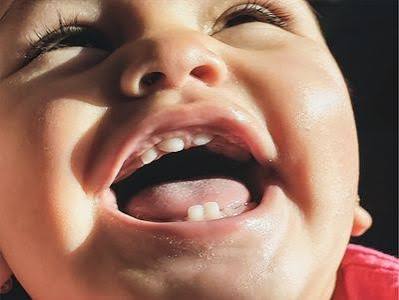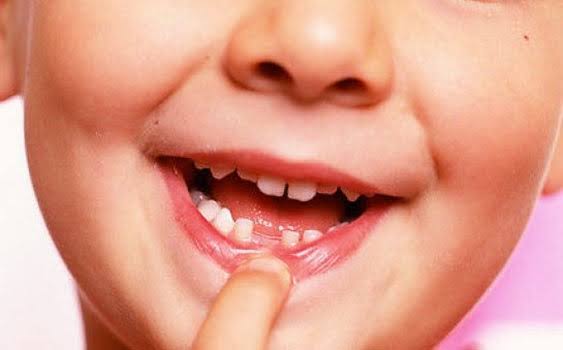

Teething in infants often manifests as a natural behavior, especially during the teething process. This behavior occurs to relieve the pressure they feel on their gums and to align their growing teeth. Teething usually begins around 10 months and is generally temporary, disappearing spontaneously in most babies. It can also be considered a reaction to changes in ear pressure. This condition may be more pronounced in babies prone to ear infections. Teething is typically harmless and resolves on its own without causing any lasting damage to the dental structure.
What Causes Teething in Babies?
There are various reasons for teething in infants, most of which relate to sensory relief, development of jaw alignment, and alleviating temporary discomfort. This behavior is a natural response that babies develop to the different discomforts they experience.
-
\t
- Teething pain
- Sensory exploration
- Ear pain
- Jaw alignment issues
\t
\t
\t
Teething is one of the adaptation mechanisms for babies during their growth process and usually presents as a temporary condition. As babies grow and their jaw development is completed, this habit often disappears on its own. Teething is generally harmless, and no treatment is needed; however, if it persists for an extended period, support can be provided with recommendations from a dentist.
How to Recognize That Your Baby is Teething?
To understand the teething behavior in infants, it is essential for parents to observe certain signs closely. Teething typically manifests through behavioral and physical signs that arise during the night or while sleeping. Parents noticing these signs can help them understand their baby’s discomfort.
- Distinct teeth grinding sound
- Jaw clenching during sleep
- Noticeable increase in jaw movements
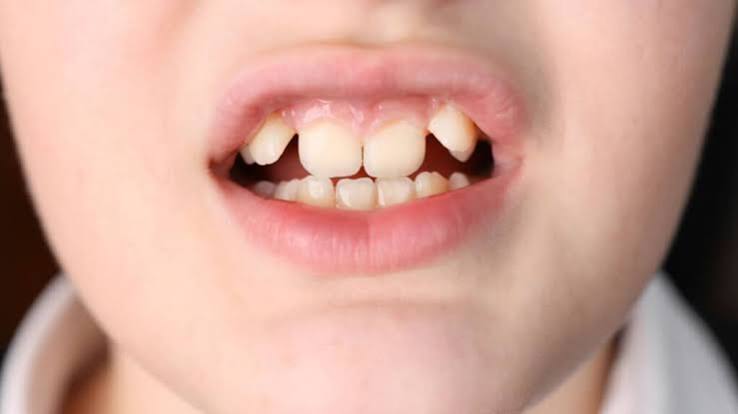
- Flattened or worn areas on tooth surfaces
- Small tooth fractures noticeable to the eye
- Restlessness upon waking
- Increased saliva flow
- Touch sensitivity in the jaw or cheeks
- Difficulty chewing or eating
Teeth grinding can lead to pain or discomfort in some babies, affecting their daily peace. Particularly, symptoms like jaw and headache cannot be expressed by infants, so it is important for parents to notice behavioral changes. When these symptoms are observed, consulting a dentist or pediatrician can be beneficial in ensuring the baby’s comfort and preventing potential oral health issues.
Can Teeth Grinding Be a Medical Condition or Genetic Factor?
Teeth grinding can stem from both genetic factors and certain medical conditions. Genetic predisposition is one of the key factors that increase the risk of bruxism, especially in children. Variants in certain genes may enhance bruxism susceptibility by affecting stress and mood regulation. These genetic traits indicate the frequency of bruxism in the same family. A family history suggests that this condition has a hereditary component.
Medical conditions also play a significant role in teeth grinding. Conditions like sleep apnea and other sleep disorders can lead to micro-awakenings that trigger teeth grinding. Additionally, respiratory issues such as nasal congestion, ear infections, and allergies can contribute to bruxism.
Is Teeth Grinding Harmful for Babies?
While teething in infants is generally considered harmless, if it becomes prolonged or severe, it can lead to certain dental and health problems. In this case, there are some signs and effects to be mindful of:
- Tooth grinding
- Tooth sensitivity
- Jaw pain
- Jaw alignment issues
- Temporomandibular joint dysfunction
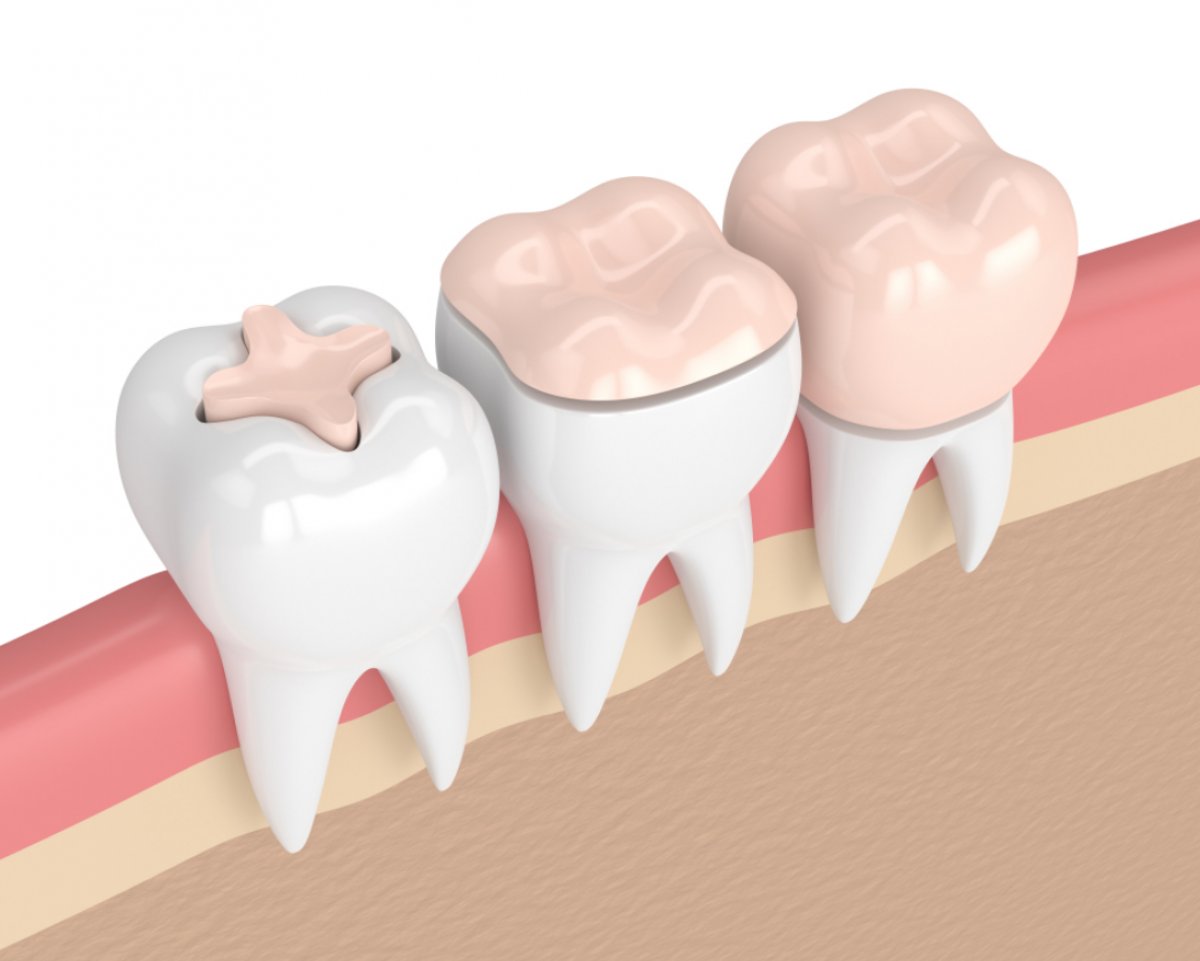
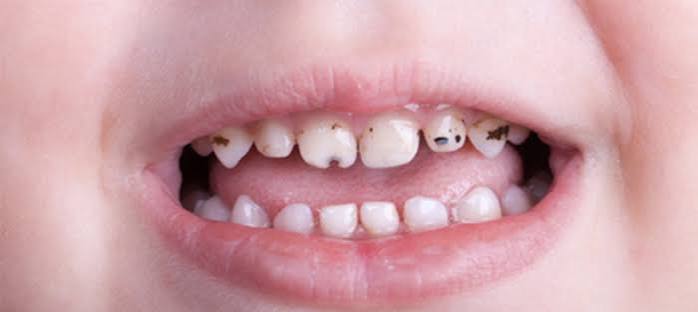
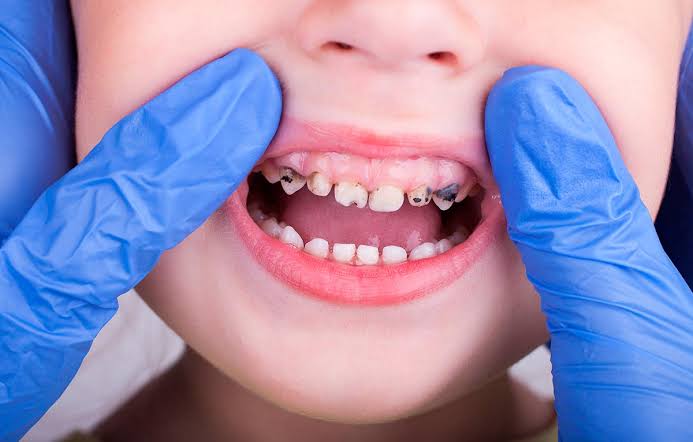
In infants where tooth grinding is intense, visible flattening or wear may occur on their milk teeth. This can weaken the enamel layer of the teeth, making them more susceptible to cavities or damage. In cases of severe wear on milk teeth, the dentist may suggest restorative treatments.
Additionally, tooth sensitivity related to enamel loss can cause discomfort in infants when consuming hot, cold, or sweet foods. In such cases, protective treatment methods like fluoride applications can help alleviate sensitivity.
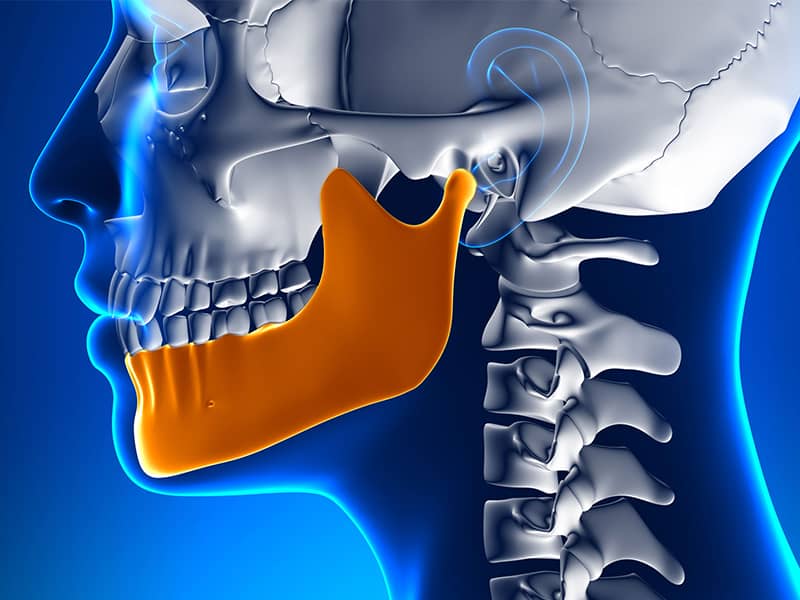
Although jaw alignment issues are very rare, they can be observed in some infants, and prolonged grinding may lead to strain in the jaw muscles. Infants with restricted jaw movement or who experience pain may need to be evaluated for TMJ.
Alongside these symptoms, if the infant exhibits excessive wear sensitivity complaints in the mornings, jaw pain, or restlessness, it is important to consult a pediatric dentist. If necessary, the dentist may recommend protective measures like a night guard to protect the teeth.
When Should You Consult a Doctor or Dentist for Tooth Grinding?
Teething behavior in infants should be evaluated by a specialist in certain situations. If teething is causing persistent discomfort or pain, it is important to consult a doctor or a dentist. Some signs should be noted to understand whether teething is an indication of a more serious problem in the infant or child.
Main symptoms:
- Headache upon waking up
- Pain in the jaw and facial area
- Excessive sensitivity in the teeth
- Chipping or cracks in the teeth
If these signs are observed continuously, the situation may indicate not only teething but also a more serious dental or jaw discomfort. In such cases, special mouth guards may be recommended to protect the teeth and alleviate pain, or necessary interventions may be carried out.
Additionally, teeth grinding in children can be associated with conditions such as sleep apnea or ADHD. A specialized pediatric dentist may refer the child for a sleep study or offer different treatment options if necessary.