
Tooth enamel is a hard outer layer that protects the teeth; however, it can be damaged over time by acidic foods, sugary drinks, and insufficient oral care. Protecting this valuable layer plays a critical role in preventing decay and tooth sensitivity. Using fluoride toothpaste, maintaining regular tooth brushing and flossing, and being mindful of dietary habits are essential for protecting tooth enamel. Additionally, methods that promote saliva production and regular dental check-ups support the strength of tooth enamel. This article describes effective ways to protect tooth enamel.
What is Tooth Enamel and Why is it Important?
Tooth enamel forms a protective layer on the surface of the teeth as the hardest tissue in the human body and is primarily made up of hydroxyapatite crystals. Thanks to its mineralized structure, tooth enamel is resistant to mechanical forces such as chewing pressure, playing an important role in maintaining oral health.
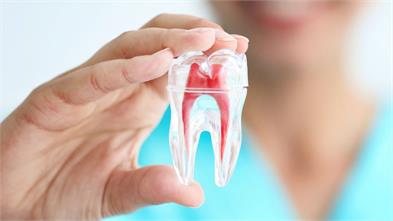
By protecting the dentin and pulp beneath, tooth enamel ensures that the teeth remain healthy. Thanks to this protective barrier function, teeth are shielded from damages that can be caused by bacterial plaque and acidic foods.
- The risk of tooth decay is reduced
- Extreme sensitivity is prevented
- Chemical erosion is prevented
- Sensitivity to hot and cold is reduced
Unlike other tissues in the body, dental enamel cannot regenerate itself. Therefore, once the enamel is damaged, it cannot be repaired through natural means. Dental enamel is produced during tooth development by specialized cells called ameloblasts; however, these cells disappear after tooth formation is complete. This structural characteristic increases the importance of regular oral hygiene habits to protect enamel health.
What Are the Factors That Cause Erosion of Dental Enamel?
Erosion of dental enamel is a permanent issue caused by various external and internal factors. Prolonged contact with acidic substances, bacterial activities, and elements such as stomach acids gradually disrupt the structure of enamel, leading to wear. The main factors affecting dental enamel are as follows:
- Acidic foods and drinks: Carbonated beverages, fruit juices, sports drinks
- Sugary foods: Sweets, chocolate, cookies
- Stomach acids: Conditions such as acid reflux, bulimia
- Dry mouth: Dehydration, side effects of certain medications
- Occupational exposure: Working in acidic environments, chlorine in swimming pools
- Teeth grinding: Mechanical wear caused by bruxism
Since dental enamel has a structure that cannot regenerate itself, the effects of these factors can lead to permanent damage over time. To protect dental health in the long term, it is essential to avoid acidic foods, maintain good oral hygiene, and have regular dental check-ups. Measures such as ensuring adequate water intake and using sugar-free gum can help buffer enamel against acids.
How Can Dietary Choices Help Protect Dental Enamel?
Nutrition plays a significant role in protecting tooth enamel; choosing the right foods can help support enamel health. Foods rich in minerals strengthen enamel and provide protection against erosion. Foods containing calcium, phosphorus, and vitamin D support the remineralization process of tooth enamel and contribute to its health.
- Dairy products
- Leafy greens
- Nuts
- Fatty fish
Additionally, foods that increase saliva production help protect enamel by neutralizing acids. Crunchy fruits and vegetables like apples and carrots act as natural cleansers within the mouth and balance acidity, reducing the risk of erosion.
- Apple
- Carrot
Since acidic foods can erode tooth enamel, caution should be exercised when consuming these types of foods. Acidic foods and beverages like citrus fruits and carbonated drinks lower the pH level and can damage enamel. Consuming such foods with main meals minimizes direct contact with teeth. Drinking water after meals and using a straw with acidic drinks can also mitigate this effect.
Sugar increases the acid production of bacteria in the mouth, negatively affecting enamel. Choosing healthy alternatives instead of sugary snacks aids in protecting tooth enamel. Additionally, using fluoride-containing water or toothpaste strengthens enamel and reduces the risk of erosion.
How Does Proper Oral Hygiene Play a Role in Protecting Tooth Enamel?
Paying attention to oral hygiene plays a fundamental role in keeping tooth enamel strong and healthy. Tooth enamel acts as a natural shield against physical abrasives and acid from bacteria, protecting the teeth from acidic foods and drinks. Proper oral hygiene reinforces this protective function and can reduce the risk of tooth sensitivity and erosion.
The basic oral hygiene steps to follow in protecting tooth enamel are as follows:
- Use a soft-bristled toothbrush
- Brush gently in a circular motion
- Prefer fluoride toothpaste
- Brush at least twice a day
- Use dental floss once a day
- Use fluoride mouthwash
In addition to these steps, sufficient saliva production contributes to the natural support of tooth enamel. Saliva helps to balance the pH level in the mouth, neutralizing acidic environments and supporting the remineralization process. It is recommended to drink plenty of water to prevent dryness in the mouth, which can be caused by dehydration or certain medications. Chewing sugar-free gum or consuming high-moisture foods (for example, cucumber) also enhances saliva flow and protects the enamel.
Are There Professional Treatments to Strengthen or Protect Tooth Enamel?
There are various professional treatment options available to strengthen and protect tooth enamel. Keeping the enamel healthy is a crucial step in maintaining dental health and can be supported by special treatments offered by dentists. The most effective treatment methods for preserving and strengthening enamel are as follows:
- Fluoride varnish
- Sealants
- Remineralization treatments
- Regular dental check-ups
The fluoride varnish creates a protective layer by adhering to the outer enamel through its high fluoride content, reducing the risk of cavities. It particularly provides relief for sensitive teeth. The cavity prevention agents are protective coatings applied to the grooves of the molars to prevent decay, and they can be used for both children and adults. Remineralization treatments offer deeper protection by supporting the mineral structure of enamel with minerals such as calcium phosphate.
Regular dental check-ups allow the dentist to diagnose issues like enamel erosion early and plan necessary treatments. These check-ups help identify not only existing cavities or damage but also potential problems. Combining all these treatments with healthy oral hygiene habits and a balanced diet protects the health of the enamel in the long run, leading to a strong and healthy smile.