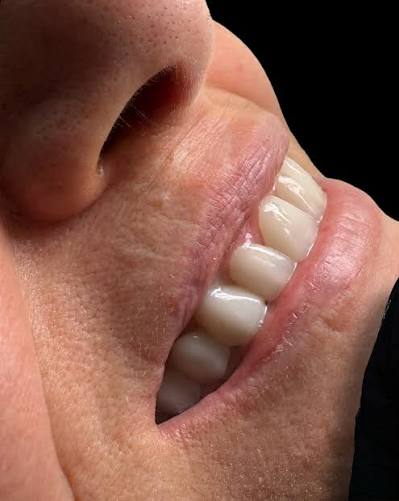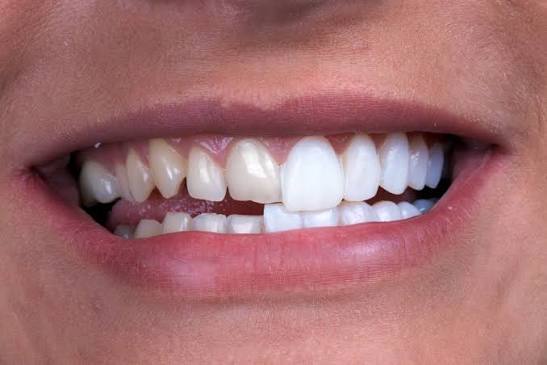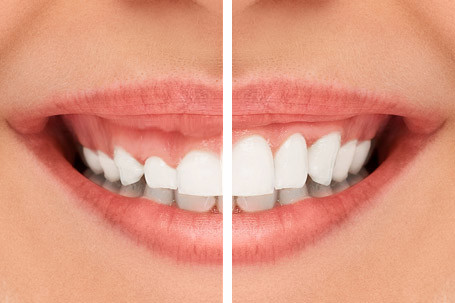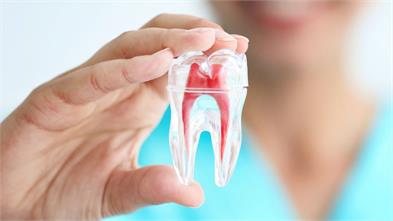
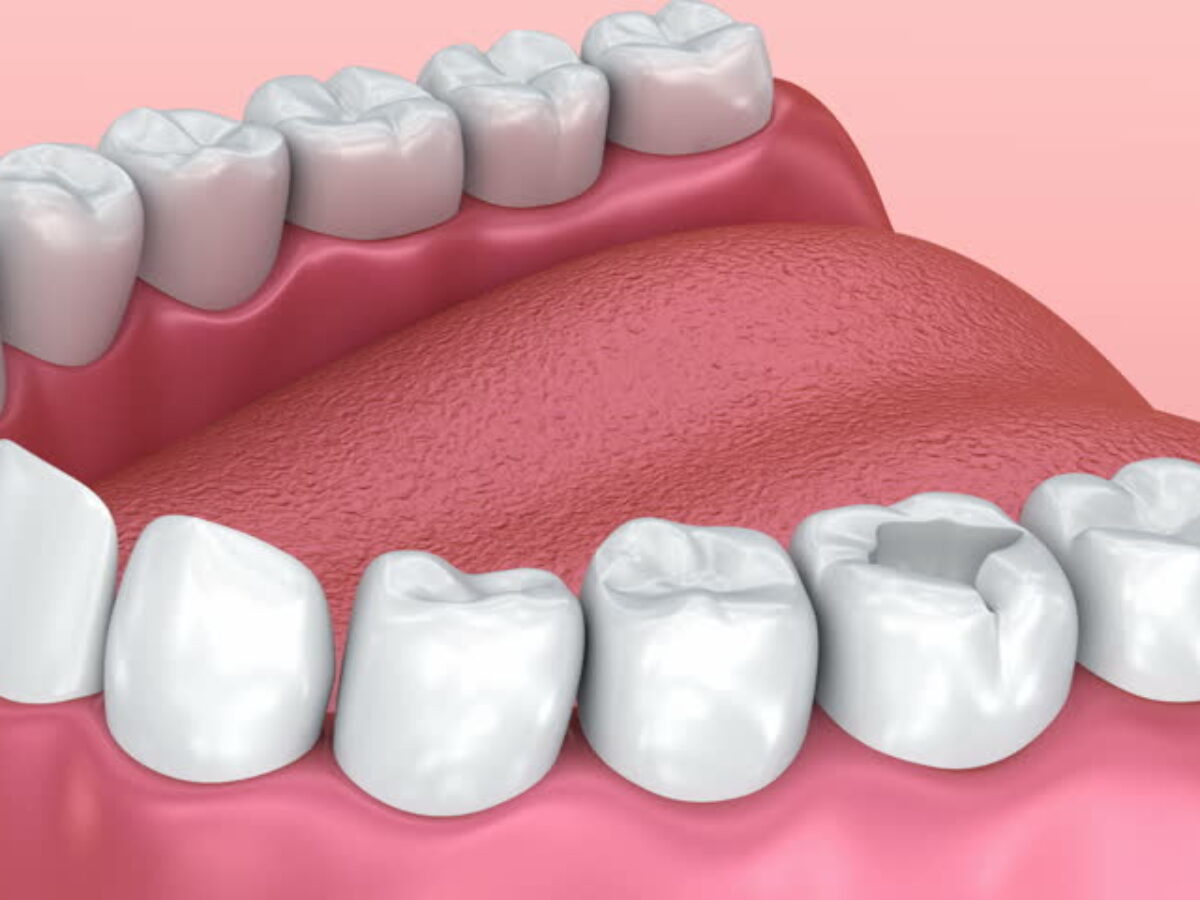
Dental fillings are restorative materials used to repair teeth damaged due to decay or trauma. Composite fillings stand out with features such as biocompatibility, durability, and aesthetic harmony. These materials provide abrasion resistance and hardness thanks to nano particles, reducing water absorption and minimizing polymerization shrinkage. However, the potential cytotoxic effects of free monomers resulting from incomplete polymerization raise concerns. Efforts are underway to develop formulations that minimize monomer release to enhance the lifespan and safety of dental fillings, and research is ongoing in this area.
[block id=”call-to-action-v2″]
What are Dental Fillings and Why are They Necessary?
Dental fillings are commonly applied in dentistry to repair decayed or minor damaged areas. After the damaged tissue is cleaned, the appropriate filling material is selected to restore the tooth’s natural structure, function, and aesthetic appearance, filling the void. This filling procedure helps seal the tooth’s surface to prevent future bacterial accumulation and contributes to the long-term preservation of dental health.
The materials used for fillings offer different features and advantages:
-
\t
- Amalgam fillings
- Composite resin
- Glass ionomer
- Porcelain fillings
- Gold fillings
\t
\t
\t
\t
Each filling material is carefully selected based on its location and intended use. Amalgam fillings are known for their durability, while composite resins offer an aesthetic solution in visible areas. Glass ionomer fillings help prevent decay by releasing fluoride, while porcelain and gold fillings provide long-lasting protection for teeth. Porcelain fillings are an aesthetic choice given their resemblance to natural tooth color, whereas the durability and safety of gold fillings stand out.
What Dental Filling Materials Are Available?
Dental filling materials offer varying properties based on different needs. Each type of filling comes with unique advantages and limitations, requiring careful consideration from both patients and dentists when making a choice. The main dental filling materials are as follows:
Amalgam (Silver)
- Durable
- Cost-effective
- Has a lifespan of over 12 years
- Ideal for back teeth
Composite Resin (Tooth Color)
- Provides natural color matching
- Has chemical bonding properties with the tooth
- Aesthetically preferred
- Average lifespan of 5-10 years
Glass Ionomer Cement (GIC)
- Releases fluoride to help prevent decay
- Cost-effective
- Particularly suitable for children
- Durability is considered low
Ceramic (Porcelain)
- High stain resistance
- Similar to natural tooth color
- Provides aesthetic harmony
- More fragile than other fillings
Gold Fillings
- Biocompatible
- Can last more than 20 years
- Resistant to corrosion
- Suitable for small teeth
The choice of dental filling depends on the material’s durability, aesthetic properties, and cost. The size of the cavity, the location of the tooth, and the patient’s personal preferences are considered to determine the most suitable type of filling. While amalgam fillings offer a longer lifespan, composite fillings are preferred for aesthetic reasons. Glass ionomer fillings may be more suitable for children due to their fluoride-releasing properties, while ceramic fillings are particularly good at maintaining aesthetic appearance in front teeth. Gold fillings, although noted for their high durability and biocompatibility, are less preferred due to their costs.
How is a Dental Filling Procedure Performed?
The dental filling procedure consists of a series of steps carried out to repair the damaged tooth structure and restore its function. These steps are carefully planned and implemented by dentists. The procedure may vary according to the size and location of the cavity, but generally follows the same processes.
Steps of the dental filling procedure:
- Initial examination and X-ray
- Application of local anesthesia
- Cleaning of the decayed tissue
- Preparation of the tooth surface for filling
- Careful placement of the filling material
- Shaping of the filling and adjustment of the bite
- Polishing procedure
The materials used in dental fillings include options such as composite amalgam or gold. Composite fillings provide aesthetic advantages, while amalgam is known for its durability; gold fillings stand out for both aesthetics and longevity. After a dental filling, the patient can usually return to daily activities within a short time, and it is only recommended to avoid certain foods in the initial days.
What Are the Benefits and Risks of Dental Fillings?
Dental fillings protect the structural integrity of teeth affected by decay, thereby maintaining dental health and preventing serious treatments. Below are the benefits provided by dental fillings and the risks that may be encountered, presented as short items:
Benefits:
- Protection of tooth structure
- Recovery of chewing function
- Prevention of decay
- Aesthetic harmony
- Lower risk of tooth loss
Risks:
- Allergic reactions
- Development of sensitivity
- Mercury exposure (amalgam fillings)
- Need for adjustment over time
- Cracking or dislodging
Among the advantages of dental fillings, the preference for composite fillings that reflect the natural color of the tooth contributes to reducing tooth loss and protecting the healthy tooth structure. On the other hand, it is known that elements such as mercury found in amalgam fillings raise concerns in certain sensitive groups.
How to Care After a Dental Filling Procedure?
Proper care after a dental filling procedure is necessary to increase the durability of the filling and to prevent potential issues. Sensitivity or discomfort may occur after the filling, but this should ease over time. Here are some recommendations to reduce sensitivity and protect the filling:
- Avoid hot or cold foods and drinks
- Use special toothpaste for sensitive teeth
- Opt for soft foods instead of hard items
- Avoid sticky or hard foods
- Do not smoke
In the first days after the filling, especially considering that the fillings may not have fully hardened, hard foods should be avoided. For example, foods that are difficult to chew or can exert pressure on the fillings may increase the risk of damage. Regular brushing and flossing are recommended to prevent decay around the filling. A soft toothbrush should be preferred to avoid damaging the filling.