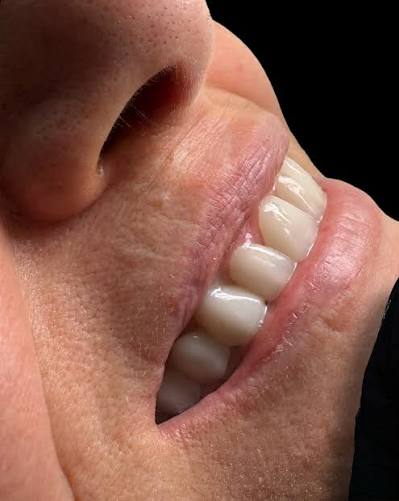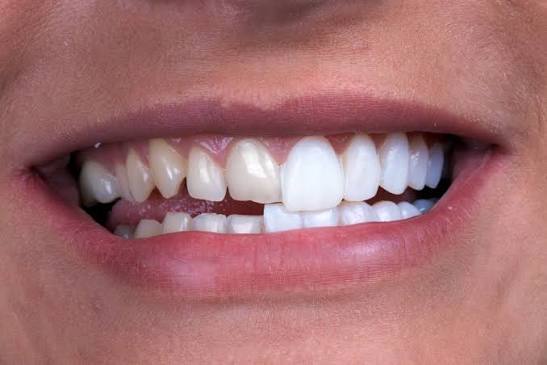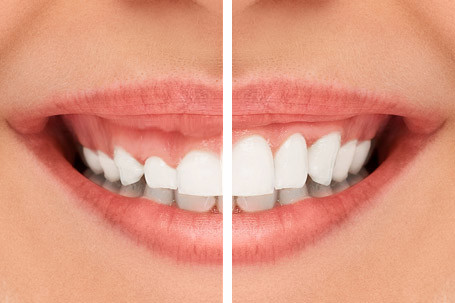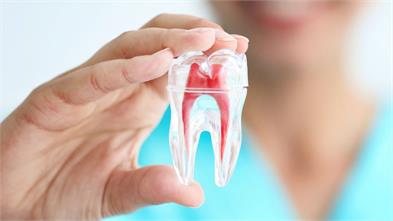
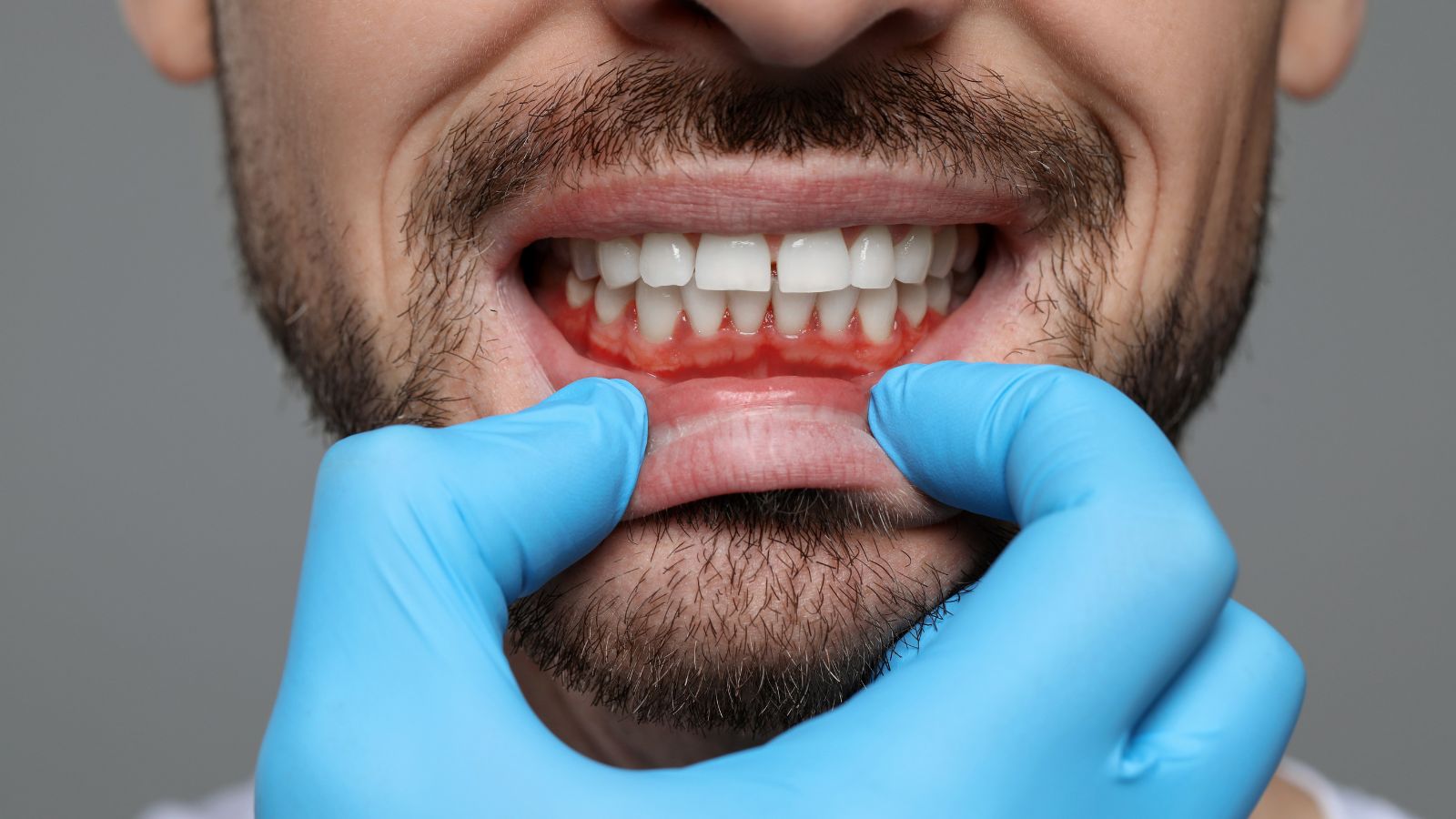
Gum recession occurs when the gum tissue pulls back from the tooth roots, leading to a condition that can cause tooth sensitivity. The first step in treating this issue is to maintain proper oral hygiene; gentle brushing with a soft toothbrush, regular use of dental floss, and consistent oral care are recommended. Quitting harmful habits such as smoking positively affects gum health. In more advanced cases, surgical interventions may be necessary. The severity of gum recession and the individual’s health status will determine the appropriate treatment method.
What Are the Main Causes of Gum Recession?
The primary causes of gum recession threaten oral health by weakening the gum tissues and exposing the tooth roots. Some of these causes stem from factors beyond the individual’s control, while others are related to daily habits.
-
\t
- Gum diseases
- Hard brushing
- Genetic factors
- Misaligned teeth
- Tobacco use
- Hormonal changes
- Insufficient oral hygiene
- Trauma or dental procedures
\t
\t
\t
\t
\t
\t
\t
Preventing and treating gum recession is crucial for achieving healthy oral care habits. Regular dental check-ups especially contribute to maintaining gum health. Additionally, paying attention to oral hygiene, avoiding harmful habits such as smoking, and learning proper brushing techniques can help keep the gums healthy.
How Do Non-Surgical Treatments Address Gum Recession?
Gum recession can effectively be managed and its progression halted through non-surgical treatment methods. Initially, a professional cleaning technique called “scaling and root planning” can be applied. This procedure removes plaque and tartar buildup in the area beneath the gums, reducing gum inflammation. Thus, the gums can reattach to the tooth surface, preventing further recession.
Paying attention to oral hygiene is an important step in controlling gum recession. Recommended daily oral care habits include:
- Gentle brushing with a soft-bristled toothbrush
- Interdental cleaning with dental floss or interdental brushes
- Regular visits to the dentist for check-ups
Desensitizing toothpaste can be used to reduce tooth sensitivity caused by gum recession. These products create a protective layer on tooth roots, blocking nerve transmission and alleviating sensitivity. Toothpaste containing potassium nitrate or fluoride is effective in providing this protective effect and makes brushing more comfortable.
What Surgical Options Are Available to Treat Gum Recession?
The surgical options applied in the treatment of gum recession aim to strengthen the gum tissue and cover the root surfaces to protect dental health. Different methods may be preferred depending on the extent of gum recession and the individual’s dental structure.
- Free Gingival Graft (FGG)
- Subepithelial Connective Tissue Graft (SCTG)
- Coronally Advanced Flap (CAF)
- Acellular Dermal Matrix Allograft
- Guided Tissue Regeneration (GTR)
- Pinhole Surgical Technique (PST)
The choice of these surgical methods is determined based on each patient’s needs, and the most effective technique suitable for the severity of gum recession is preferred.
How Effective Are Lifestyle Changes in Preventing Gum Recession?
Lifestyle changes are highlighted as an effective method for preventing gum recession. Quitting smoking, balanced nutrition, and stress management are among the key factors that support gum health. These changes play a significant role in protecting oral health by reducing harmful effects on the gums.
- Quitting smoking
- Nutrition rich in vitamins and minerals
- Stress management and relaxation techniques
Smoking is a habit that negatively affects gum health. Individuals who quit smoking experience improved blood circulation in their gums, faster healing processes, and reduced risk of inflammation. Balanced eating habits strengthen the immune system, protecting their gums. Antioxidants, especially vitamin C, help prevent inflammation in the body and strengthen connective tissue. Omega-3 fatty acids provide essential fats needed by the gums, increasing their resilience.
Chronic stress can weaken the immune system and pose a threat to oral health. Stressed individuals often neglect oral hygiene, which can exacerbate gum problems. Engaging in regular exercise, meditation, or deep breathing techniques can have positive effects on oral health to reduce stress. These lifestyle changes offer effective protection against gum recession and create a strong foundation for healthy gums.
How Do Regular Dentist Check-ups Play a Role in Managing Gum Recession?
Regular dentist check-ups are critically important in reducing the risk of gum recession and preventing the progression of existing conditions. Through these early examinations, gum health is thoroughly assessed, and potential recession areas are identified to create appropriate treatment plans based on the severity of the situation. Dentists can take preventive measures by early detection of gum recessions that patients may not notice.
The advantages provided by regular check-ups include:
-
\t
- Regular monitoring of gum health
- Measuring pocket depths
- Preventing complications through early diagnosis and treatment
- Teaching correct oral care techniques to the patient
- Correcting harmful habits such as incorrect brushing
- Monitoring areas with gum recession
- Opportunity for early intervention in case of progression
\t
\t
\t
\t
\t
\t
Additionally, the selection of recommended oral hygiene products for maintaining gum health should be guided by the dentist. This regular care process not only helps preserve oral health but can also mitigate aesthetic concerns arising from gum recession and significantly reduce the risk of tooth loss. Therefore, regular dentist check-ups are essential for the long-term protection of gum health.