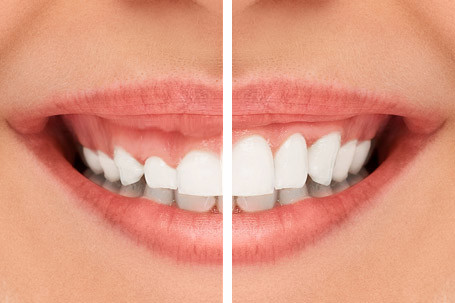

Gum disease negatively affects oral health and can lead to more serious problems if not addressed in a timely manner. This inflammation is generally caused by plaque and tartar buildup on the teeth. The most important step in treating gum disease is to pay attention to regular oral hygiene. Brushing teeth twice a day, using dental floss, and applying antibacterial mouthwashes can help reduce bacterial growth and aid in recovery. Additionally, in advanced cases, professional cleaning performed by a dentist is necessary to maintain gum health.
What Are the Common Causes of Gum Disease?
The common causes of gum disease can be associated with various factors. These factors contribute to inflammation by weakening the gums’ defense mechanisms or facilitating bacterial accumulation. It is important to be aware of these factors and to take precautions to maintain gum health.
- Insufficient oral hygiene
- Smoking and other tobacco products
- Systemic diseases such as diabetes
- Hormonal changes (puberty, pregnancy, menstrual cycle, menopause)
- High blood pressure and medications that suppress the immune system
- Nutritional deficiencies such as vitamin C deficiency
- Chronic stress
During periods of hormonal changes, consuming foods that strengthen the immune system and making lifestyle changes to reduce stress can be effective in maintaining gum health.
How Can Improved Oral Hygiene Reduce Gum Inflammation?
Gum inflammation can be largely controlled with daily oral hygiene practices. Proper tooth brushing techniques, cleaning between teeth, using appropriate mouth rinses, and regular dental check-ups contribute to the reduction of gum inflammation. There are some basic techniques to pay attention to during brushing. The toothbrush should be placed at a 45-degree angle to the gum and applied in circular motions. Electric toothbrushes are known to clean more plaque compared to manual brushes. Additionally, cleaning areas between the teeth should not be neglected; the most effective methods for cleaning these areas are dental floss and interproximal brushes.
- Electric toothbrushes
- Manual toothbrushes
- Dental floss
- Interproximal brushes
- Antimicrobial mouth rinses
- Mouth rinses containing chlorhexidine
An effective method against gum inflammation is mouth rinses. Rinses containing components such as thyme oil, menthol, eucalyptus, and methyl salicylate are recommended to reduce the number of harmful bacteria in the mouth and support oral health. Especially, mouth rinses containing chlorhexidine demonstrate effectiveness in preventing periodontal diseases. Dental check-ups are also important for the treatment and early detection of gum inflammation.
What Home Remedies are Effective for Alleviating Gum Inflammation?
Home remedies that can be applied to alleviate gum inflammation may effectively reduce pain and swelling. These methods particularly help protect gum health by soothing inflammation. Various natural remedies can be utilized to soothe the gums and prevent bacterial growth.
- Saltwater gargle helps to cleanse the bacteria in the gums and reduces inflammation in the tissues.
- Diluted hydrogen peroxide gargle alleviates inflammation with its antibacterial effects.
- Applying a warm compress supports healing by increasing blood flow to the gums.
- Oil pulling, using coconut oil or sesame oil, reduces harmful bacteria in the mouth.
- When aloe vera gel is applied to the gums, it can alleviate inflammation and pain.
- Consumption of green tea protects gum health with its powerful antioxidant properties.
These methods can be more effective in alleviating symptoms of gum inflammation when practiced alongside regular oral hygiene. However, professional treatment is necessary for advanced gum infections. It is particularly important to consult a dentist if there is severe pain or bleeding. These home practices support gum health but should be complemented with regular brushing and flossing.
When Should Professional Dental Treatments Be Considered for Gum Inflammation?
Professional treatment is needed when gum inflammation does not resolve with simple care methods and becomes chronic. It is important to visit a dentist when symptoms become serious to protect gum health. There are certain signs that indicate gum inflammation requires professional intervention:
- Persistent swelling and redness
- Frequent bleeding, especially during brushing
- Teeth that are loosening or shifting
- Deepening periodontal pockets
- Receding gums and exposure of tooth roots
These symptoms indicate that inflammation can progress beyond a simple level of gingivitis to a more serious condition like periodontitis and can lead to bone loss. In such cases, professional cleaning and root planing performed by a dentist are preferred treatments to help ensure that the gums securely hold onto the teeth again. In some cases, additional treatment methods may be necessary.
Local antimicrobial agents can be applied directly to periodontal pockets to reduce the number of bacteria. Systemic antibiotics may be prescribed orally in cases where there is a risk of the infection spreading throughout the body. Additionally, methods known as host modulation therapy help support the body’s immune response, facilitating inflammation control.
How Do Lifestyle Changes Affect Gum Health and Inflammation?
Lifestyle changes directly impact gum health and inflammation. Factors such as quitting smoking, stress management, and a healthy diet support the healing of the gums and reduce inflammation. These steps strengthen the immune system and help the body cope with infections. These changes are particularly important for individuals prone to gum inflammation.
- Quit smoking
- Manage stress
- Consume healthy, nutritious foods
Regular exercise, quality sleep, and adequate water intake also benefit the gums by supporting overall health. These lifestyle changes optimize the immune functions that are critical for oral health.