
Tooth abscess occurs as a bacterial infection in the tooth root or surrounding tissues. This condition can lead to severe pain, swelling, and a bad odor in the mouth. The main goal in treating a tooth abscess is to prevent the spread of infection and reduce pain. If the abscess is not treated, the infection can spread to surrounding tissues and even to other areas of the body. Treatment typically begins with draining the abscess, followed by root canal treatment or tooth extraction if necessary. By controlling the infection and addressing the underlying problem, the abscess can fully resolve and recurrence can be prevented.
What is a Tooth Abscess and Why Does It Occur?
A tooth abscess is an infection that occurs as a result of bacteria entering the tooth or surrounding tissues and causing inflammation, leading to a buildup of pus. This condition is typically characterized by symptoms such as severe pain and swelling. Tooth abscesses can be categorized into different types based on their source and location:
-
\t
- Periapical Abscess
- Periodontal Abscess
- Gingival Abscess
\t
\t
Among the causes of abscess formation are tooth decay, gum diseases, and dental trauma. Tooth decay develops as a result of poor oral hygiene and plaque buildup on the teeth. Over time, the bacteria within the plaque damage the tooth structure, paving the way for infection and abscess formation. Gum diseases cause inflammation in the gums and the formation of pockets. Dental trauma allows bacteria to easily reach the tooth through fractures or cracks.
What Are the Symptoms of a Tooth Abscess?
A tooth abscess forms due to the accumulation of infection in the tooth root, gums, or jawbone, and can spread rapidly, leading to severe symptoms. The most common symptom is persistent, throbbing tooth pain. The pain usually radiates towards the jaw, ear, and neck areas, becoming increasingly unbearable. Additionally, a tooth abscess may present with other symptoms.
- Severe and persistent dental pain
- Facial swelling in the jaw, neck, or face
- Increased sensitivity to hot and cold foods and drinks
- Redness and swelling in the gums
- Fever
- Difficulty breathing or swallowing
- Bad taste and inflammatory discharge in the mouth
- Swollen and tender lymph nodes
Among these symptoms, especially pain and swelling indicate that the infection may have reached serious levels. A severe dental abscess can cause facial asymmetry, difficulty opening the mouth, and pain that negatively affects daily life. In cases of advanced infection, fever and swollen lymph nodes are signs that the body is reacting to the infection, and if this condition is not treated, it may pose a risk of spreading to the bloodstream.
How is a Dental Abscess Diagnosed?
In diagnosing a dental abscess, it is crucial for the dentist to conduct a detailed examination first. This process is carried out through visual and tactile examinations, various tests, and imaging methods. Accurately determining the location, size, and spread level of the dental abscess at the diagnosis stage helps in the best formation of the treatment plan.
- Visual Examination
- Tactile Examination
- Percussion Test
- Temperature Test
- Mobility Test
After the clinical examinations, the dentist may need to use imaging methods such as X-rays or tomography to make the diagnosis more precise and evaluate the extent of the abscess in situations where they deem it necessary. These methods are useful for understanding whether the infection has spread to the bone or other surrounding tissues.
- Periapical X-rays
- Panoramic X-rays
- Cone Beam Computed Tomography (CBCT)
- Computed Tomography (CT) Scans
Thanks to these diagnostic methods, especially in complicated cases, it is possible to fully understand how the infection has spread from the tooth root and its effects on adjacent tissues and bone.
What Are the Treatment Options for Tooth Abscess?
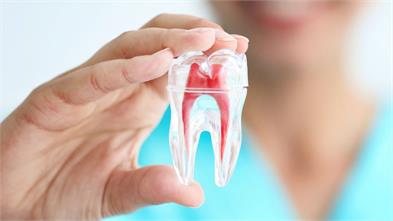
Various methods are used in the treatment of tooth abscess to control the infection and prevent recurrence. In the initial stage, abscess drainage is performed. This procedure reduces the pressure caused by the abscess, allowing pus to drain out. Drainage can be done by making a small incision or pus can be removed from the tooth root through root canal treatment. Root canal treatment aims to save the tooth by cleaning the infected tissues in the tooth.
- Incision and drainage
- Root canal treatment
Depending on the condition of the abscess, tooth extraction may also be necessary beyond root canal treatment. If the tooth is severely damaged or the infection has spread, tooth extraction is performed to eliminate the source of the infection. The recovery process should be closely monitored after this procedure.
- Tooth extraction
Antibiotic treatment is used as supportive therapy in individuals where the infection has spread or who have a weakened immune system. Especially in patients with fever or general body symptoms, or in cases of swollen lymph nodes, the use of antibiotics is recommended. Common antibiotics may vary depending on the situation.
- Infection Spread
- Fever and general symptoms
- Individuals with weakened defenses
Antibiotic treatment should only be conducted under a doctor’s recommendation and must be implemented along with definitive treatment methods like drainage. By taking the right steps in the treatment of dental abscesses, the infection can be effectively controlled.
How to Prevent Dental Abscess?
One of the most effective ways to prevent dental abscess is to pay attention to oral hygiene and to visit the dentist regularly. Preventing plaque and tartar buildup is important for maintaining dental health, which can be achieved through proper brushing and flossing. Additionally, dietary habits play a crucial role in oral health.
- Brush teeth regularly
- Use dental floss or a water flosser
- Prefer fluoride toothpaste
- Limit sugary foods and drinks
- Eat a healthy diet
Brushing twice a day and using dental floss helps prevent the accumulation of plaque. Plaque can lead to tooth decay and potentially cause dental abscesses. Regular check-ups by the dentist ensure early detection of issues that could lead to abscesses, such as tooth decay or gum problems. These measures significantly reduce the risk of dental abscess.
In preventing dental abscess, adequate water intake, especially fluoridated water, is also important. Fluoride strengthens dental enamel and protects against decay. Avoiding harmful habits, particularly smoking, also contributes to reducing the risk of infections and preventing abscesses.