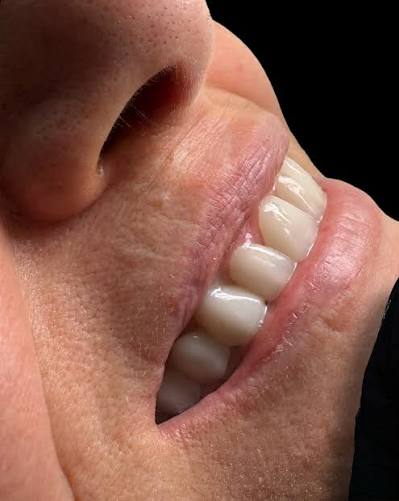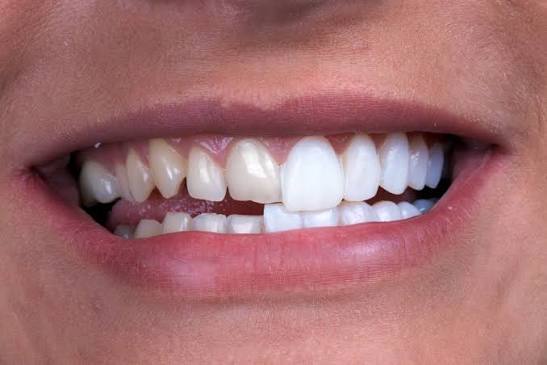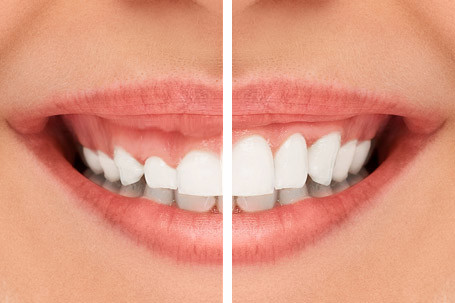

Gum disease is the condition where the gums become larger or protrude outward from normal. It generally manifests with symptoms such as redness, sensitivity, and bleeding. Some of the most common causes of this condition include gum inflammation due to plaque accumulation, various infections, hormonal changes, poor nutrition, misaligned braces or dentures, and certain medications. Treatment may include paying attention to oral hygiene, professional dental cleaning, addressing underlying health issues, and in necessary cases, adjustments in medication or surgical intervention.
| Definition | The condition of swelling and sensitivity caused by inflammation, irritation, or infection of the gums. | ||||||
| Causes | – Plaque and Tartar Accumulation: Bacteria that accumulate on the tooth surface can cause inflammation. | – Gum Diseases (Gingivitis, Periodontitis): Inflammations that can lead to tooth loss if left untreated. | – Incorrect Brushing or Flossing: Can damage the gums, leading to swelling. | – Nutritional Deficiencies: Conditions like vitamin C deficiency (scurvy) can negatively affect gum health. | – Deep Cavities and Infections: Deep cavities or abscesses can cause swelling in the gums. | – Hormonal Changes: During pregnancy, adolescence, or menopause, the gums may be more sensitive. | – Tobacco and Alcohol Use: Can harm the gums, leading to inflammation. |
| Symptoms | – Swelling and redness in the gums. | – Bleeding during brushing. | – Bad breath. | – Sensitivity or pain in the gums. | – In advanced cases, gum recession and tooth mobility. | ||
| Treatment Methods | – Regular Oral Care: Brushing at least twice a day and using dental floss. | – Dental Scaling (Detartrage): Professional dental cleaning removes plaque and tartar buildup. | |||||
| Prevention | – Regular brushing and flossing. – Healthy and balanced diet (be careful about Vitamin C intake). – Avoid smoking and excessive alcohol consumption. – Do not neglect regular dental check-ups. |
What is Gum Swelling?
Gum swelling is a condition that occurs due to fluid accumulation and inflammation in the gums. This condition can cause visible changes in the structure and color of the gums. Swollen gums appear larger, red, or purplish compared to healthy gums, and may show sensitivity to touch. This sensitivity can especially cause discomfort during brushing or flossing.
The symptoms of gum swelling include:
- Redness
- Sensitivity
- Bleeding
- Bad breath
- Recession
There are also differences between healthy gums and swollen gums:
- While healthy gums are light pink, swollen gums can become dark red.
- Healthy gums appear tight and are textured like orange peel, whereas swollen gums appear shiny and smooth.
- Healthy gums fit snugly around the teeth, but swollen gums cover more of the teeth and appear puffier.
- Bleeding does not occur in healthy gums, but swollen gums can bleed even with slight pressure.
Gum swelling indicates that the health of the gums is compromised and requires early intervention. Good oral hygiene and regular dental cleaning can prevent the progression of this condition by maintaining gum health.
What are the Common Causes of Gum Swelling?
There are many common causes of gum swelling. Swelling and sensitivity in the gums usually arise from factors such as inadequate cleaning of the teeth, infections, hormonal changes, and side effects of certain medications. If left untreated, this condition can lead to gum diseases and tooth loss.
-
\t
- Inadequate oral hygiene
- Bacterial infections
- Viral infections
- Fungal infections
- Hormonal changes
- Nutritional deficiencies
- Certain medications
- Inappropriate braces or dentures
\t
\t
\t
\t
\t
\t
\t
To prevent swelling and inflammation in the gums, it is important to maintain regular oral hygiene, use dental floss, and get professional dental cleaning. Additionally, individuals sensitive to health issues affecting their gums are advised not to skip dental check-ups and to adopt a healthy nutrition program.
How is Gum Swelling Related to Gingivitis and Periodontitis?
Gum swelling is usually one of the early signs of gingivitis, and if this condition is not treated, it can progress to periodontitis over time. Gingivitis irritates the gums due to the bacterial action of plaque build-up on the teeth. This irritation can lead to problems such as redness, bleeding, and swelling in the gums. Over time, this condition can progress to periodontitis, which can damage the tissues supporting the teeth and may result in tooth loss.
-
\t
- Gum swelling
- Bleeding while brushing teeth
- Sensitivity
- Bad breath
- Risk of tooth loss
What are Effective Treatments for Gum Disease?
Different methods are applied to support the healing process in the treatment of gum disease. First, the professional dental cleaning performed by the dentist helps eliminate plaque and tartar buildup under the gum line and on the tooth surfaces. This procedure helps control inflammation, allowing the gums to relax and heal.
Good oral hygiene habits are also one of the most important factors in combating gum disease. With regular and proper practices as part of daily dental care, bacterial plaque accumulation is prevented. Recommended hygiene practices:
- Brushing teeth with fluoride toothpaste at least twice a day
- Cleaning between teeth using dental floss
- Rinsing the mouth with antibacterial mouthwash
If gum disease is caused by an infection, appropriate antibiotic treatment may be necessary upon a doctor’s recommendation. Antibiotics that prevent the spread of infection help reduce bacterial formation in the gums, contributing to decreased inflammation. Additionally, in cases where the medications causing inflammation have side effects, adjustments in the type or dosage of medications may be made under the doctor’s supervision.
In cases of advanced gum disease, surgical intervention may be required. In these types of treatments, the gums are lifted to clean the tartar beneath, restoring tissue health. Especially when tissue loss occurs, grafting procedures can be performed to replace lost gum or bone tissue.
When Should You Consult a Dentist About Gum Disease?
Although gum swelling may seem like a simple problem that can occur spontaneously, it can sometimes be a sign of more serious illnesses. If the swelling persists for a long time and is accompanied by symptoms like bleeding, pain, or inflammation, it is important to consult a dentist. Professional support should be sought when the following symptoms are observed:
- Swelling of the gums lasting more than two weeks
- Heavy bleeding during brushing or flossing
- Constant pain or discomfort when chewing
- Recession of the gums
- Movement or looseness of teeth
- Pus discharge from the gums or between the teeth
If gum swelling is not treated, it can lead to more advanced gum diseases or tooth loss. For example, untreated gum inflammation (gingivitis) can progress to more serious diseases like periodontitis, which can affect the supporting tissues of the teeth and result in bone loss. Gum swelling can also negatively affect overall health; chronic gum diseases have been linked to systemic diseases such as heart disorders and diabetes. Therefore, gum health is of great importance in terms of overall health.