
A broken tooth pain is a situation that forces daily life and requires urgent intervention. This type of pain can be quite severe due to the nerves inside the broken tooth being exposed. Some practical methods can be applied to relieve the pain caused by a broken tooth, which may provide temporary relief. Rinsing the mouth with warm salt water, applying a cold compress, and using appropriate pain relievers are among these methods. However, these methods only offer temporary solutions; it is essential to consult a dentist for permanent treatment and a healthy outcome.
What Immediate Steps Can You Take to Relieve Broken Tooth Pain?
Immediate steps that can be taken to relieve broken tooth pain provide temporary relief and can help keep the pain under control until you get help from your dentist:
-
\t
- Rinse with warm salt water
- Apply a cold compress
- Avoid eating on the painful side
\t
\t
In addition to relieving the pain, it is important to take care of the broken tooth because a wrong move or pressure can lead to further damage. It is recommended to avoid sugary or acidic foods as they may increase the inflammation that triggers pain.
Which Over-the-Counter Medications Are Effective for Broken Tooth Pain?
Some over-the-counter pain relievers that are used to relieve broken tooth pain provide effective results. In particular, ibuprofen and acetaminophen are frequently preferred options for broken tooth pain. These medications have different mechanisms of action, and when used together, they provide better pain control. Ibuprofen has anti-inflammatory properties that help alleviate pain by reducing inflammation. Acetaminophen stands out for its fever-reducing effect and directly reduces pain.
Recommended main over-the-counter medications for broken tooth pain include:
- Ibuprofen 200 mg
- Acetaminophen 500 mg
- Combination of ibuprofen and acetaminophen
Using ibuprofen and acetaminophen together can create a stronger pain-relieving effect as the effects of both medications combine. This combination may be more effective than using higher doses of either one alone, but recommended dosages should be observed for safe usage. Especially, combining ibuprofen 200 mg and acetaminophen 500 mg provides an effective solution in pain management, offering quicker relief due to their complementary properties.
It is important to adhere to the specified dosages when using these medications and consult a doctor for long-term use. To enhance the effect of the medication, it is recommended to take it after meals with plenty of water.
What is Good for Toothache from a Broken Tooth? How Does It Pass?
There are certain situations where immediate dental care might be necessary for a broken tooth. These situations arise when there is a significant risk of serious damage to the soft tissue of the tooth. Symptoms that require consulting a dentist can be listed as follows:
- Severe pain
- Swelling in the face or gums
- Bad taste or signs of inflammation in the mouth
- Broken or completely lost tooth
- Sensitivity to hot and cold or pain when pressure is applied
If these symptoms are observed, it is extremely important to conduct a professional evaluation as soon as possible. Early intervention plays a critical role in preserving the tooth structure and preventing larger issues. In cases where the risk of infection is high, antibiotic treatment or root canal therapy may be necessary.
What are Possible Treatments for a Broken Tooth?
In the treatment of a broken tooth, various methods are applied depending on the extent of the damage to the tooth and the depth of the fracture. The dentist first evaluates the degree of damage to the tooth and creates a treatment plan accordingly. Common procedures performed in the treatment of a broken tooth include the following:
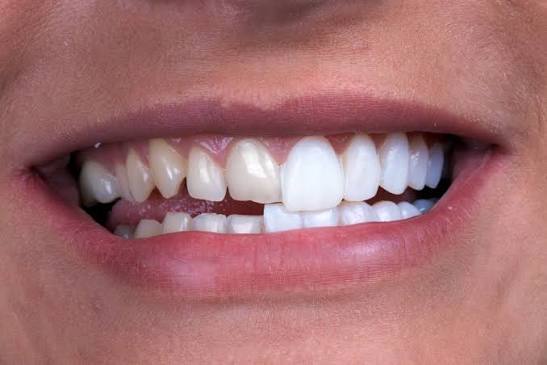
- Tooth Bonding: It is used to fix small cracks and breaks in the tooth, restoring its natural appearance.
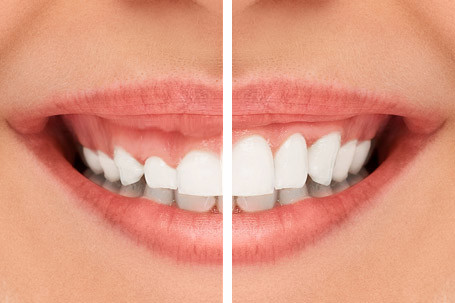
- Dental Crowns: If a large part of the tooth is broken, crowns are placed to strengthen the tooth; they are aesthetic and durable.
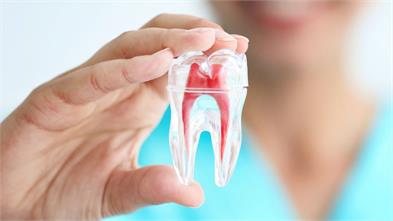
- Root Canal Treatment: In fractures that extend to the nerve, nerve tissue is cleaned to eliminate pain.
- Tooth Extraction: It is performed in cases where the fracture is too extensive to save the tooth; an implant or bridge can replace the missing tooth.
In addition to these, it is important to pay attention to oral hygiene to reduce the risk of infection caused by the broken tooth. Since bacterial accumulation can occur around the broken tooth, maintaining regular oral cleanliness and using antibacterial mouthwash when necessary can be beneficial. Tooth fractures can be detected and treated in early stages with regular dental check-ups. Avoiding chewing hard foods and taking protective measures for the tooth will help prevent such issues.
How Can You Prevent Further Damage Until You See the Dentist and Manage Pain?
Before visiting your dentist, certain precautions can be taken to protect the broken tooth and alleviate pain. These steps can protect the tissues around the tooth, reducing the intensity of pain and providing comfort in daily life. You can provide temporary protection for your broken tooth by applying the following methods until you see your dentist:
- Avoid hard foods
- Prefer soft foods
- Be careful not to use the tooth while eating
- Brush your teeth gently twice a day
- Use a soft-bristled toothbrush
- Obtain temporary filling kits from the pharmacy
- Apply a cold compress
- Avoid extremely hot or cold foods
- Avoid consuming sugary foods
These steps minimize damage that may occur around a broken tooth while also keeping pain under control. However, these suggestions only provide temporary solutions and do not offer lasting relief. If sensitivity or pain persists, especially before it becomes chronic, one should consult a professional dentist as soon as possible. The dentist will provide a permanent treatment plan based on the condition of the tooth and ensure that the pain is completely alleviated.