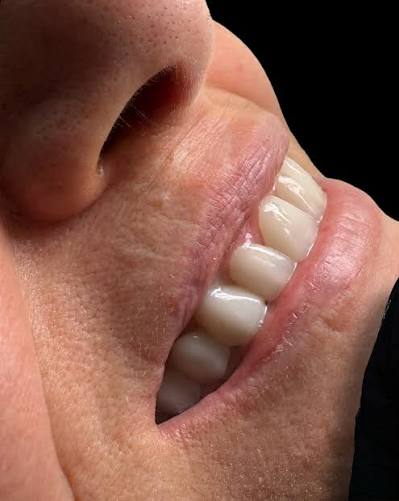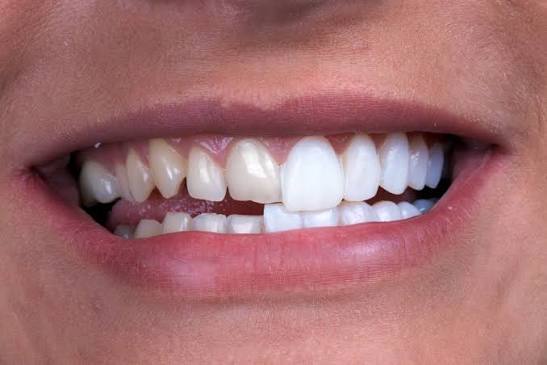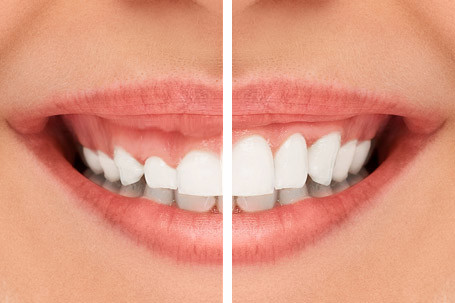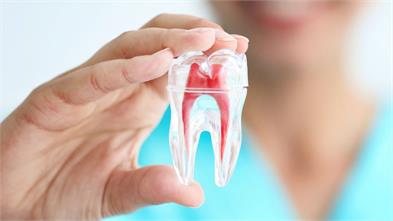

Black spots on teeth are a common issue that many people encounter. They can typically result from external factors like food and drink, tobacco use, or certain medications. Additionally, internal factors such as fluorosis or tooth decay can also lead to black spots. These stains can be aesthetically displeasing and may negatively affect oral health. Professional teeth cleaning and, if necessary, treatment for decay are required to eliminate black spots. Regular oral hygiene and dental check-ups are essential steps to prevent staining.
| Definition | Dark-colored, brown or black stains that appear on the tooth surface or at the initial stages of tooth decay. | ||||||
| Causes | – Tooth Decay: The production of acid by bacteria can lead to deterioration of the enamel layer and black discoloration. | – Plaque and Tartar Buildup: The minerals in dental calculus can darken over time, causing black stains. | – Tobacco Use: Substances containing nicotine and tar can create dark stains on teeth. | – Consumption of Coffee, Tea, and Red Wine: The pigments in these drinks can cling to tooth enamel, causing discoloration. | – Fluorosis (Excessive Fluoride Use): Overconsumption of fluoride can result in spots on teeth that change from white to brown. | – Metallic Substances: Medications containing iron or oral hygiene products can cause black stains on the tooth surface. | – Old and Degraded Fillings: Amalgam fillings containing metal can lead to color changes in the tooth over time. |
| Symptoms | – Black dots or lines on the tooth surface or in chewing areas. | – Rough and matte areas on tooth enamel. | – Sensitivity or pain related to decay (if decay is the source). | ||||
| Treatment Methods | – Professional Teeth Cleaning: A dentist can perform tooth scaling (debridement) and polishing procedures. | ||||||
| Prevention | – Regular tooth brushing and flossing. |
How Does Weak Oral Hygiene Contribute to Black Stains?
The formation of black stains on teeth is caused by insufficient attention to oral hygiene. Neglecting daily oral care can lead to plaque and tartar formation, resulting in black stains on tooth surfaces. If teeth are not regularly brushed and dental floss is not used, plaque accumulates and eventually hardens into tartar:
-
\t
- Incorrect tooth brushing
- Not using dental floss
- Not paying attention to oral hygiene
- Neglecting tartar cleaning
\t
\t
\t
These accumulations not only create aesthetic problems but also form porous surfaces that allow bacteria to adhere more easily to tooth enamel. These bacteria produce acids that damage the enamel and pave the way for caries. This situation leads to more pronounced black stains on teeth. Regular oral hygiene practices are essential for maintaining dental health.
Do Dietary Habits Lead to Black Stains on Teeth?
Dietary habits are an effective factor in the formation of black stains on teeth. Frequent consumption of dark-colored foods and beverages can leave lasting stains on the enamel. The pigments contained in these drinks can, over time, adhere to the tooth surface, causing color changes. Some dark-colored beverages that can lead to staining on teeth include:
- Coffee
- Tea
- Red wine
- Cola
The tannins found in these drinks increase staining by allowing pigments to cling more easily to the enamel. Additionally, the acidic structures of these drinks weaken the enamel and pave the way for stains to become permanent. Practicing regular and proper oral hygiene can help monitor dietary habits and, if possible, limit the consumption of these types of beverages to prevent the formation of black stains on teeth.
Is Black Staining a Sign of Tooth Decay or Cavities?
Black stains on teeth may not always indicate decay or cavities. Tooth decay arises from damage to the enamel, and the interaction between sugary foods and bacteria at the tooth surface is critical during this process. Initially white lesions can turn black or brown as they progress. However, the cause of black spots is not solely decay; external factors or developmental disorders of teeth can also lead to black stains.
Additionally, some dental development problems can cause staining. For instance, conditions like Molar Incisor Hypomineralization (MIH) can result in the formation of black or brown spots on the teeth. These developmental issues differ from decay, and their treatment approaches are also different.
To treat black spots on teeth, it is primarily necessary to accurately identify the source. Therefore, consulting a dentist to determine the cause of the stain allows for appropriate treatment if there is an active decay and ensures the cleaning of stains related to external factors.
What Professional Treatments Are Available to Remove Black Spots?
There are various professional treatment methods available for black spots on teeth. These methods differ according to the cause of the staining and the condition of the tooth. The aim of the applied treatment is to restore the natural appearance of the teeth and to prevent the formation of stains. Black spots can be superficial or internal; this also affects the choice of treatment method:
-
\t
- Professional teeth cleaning
- Composite filling applications
- Crown veneers
- Teeth whitening procedures
- Enamel micro-abrasion
- Porcelain laminates
\t
\t
\t
\t
\t
Stains on teeth may sometimes indicate temporary color changes due to food and drinks, while at other times they may signify deeper issues like decay. Regular dental check-ups and appropriate treatment methods are very important to maintain tooth health and ensure an aesthetic appearance. Additionally, daily oral hygiene and regular teeth cleaning play a significant role in maintaining the effectiveness of professional treatments.
How Can You Prevent the Formation of Black Spots on Your Teeth?
Regular care and good habits are essential to prevent the formation of black spots on teeth. Preventing black spots is not only important for aesthetic reasons but also necessary to maintain oral health. Neglecting dental hygiene can speed up the accumulation of tartar and plaque on teeth, leading to the formation of black spots. Simple adjustments in oral care and diet can help prevent the formation of black spots on teeth.
Oral Care:
- Brush teeth twice a day
- Use fluoride toothpaste
- Clean between teeth with dental floss
- Use antimicrobial mouthwash
Dietary Habits:
- Avoid sugary foods and drinks
- Limit intake of acidic beverages
- Rinse mouth with water after consuming dark-colored beverages
- Consume tooth-friendly foods like dairy products and leafy green vegetables
Regular Dental Check-ups:
- Visit the dentist at least twice a year
- Get professional teeth cleaning
- Identify potential problems early
In addition to preventing black spots, ensuring consistency in oral care and establishing daily habits as a routine is important. Consuming tooth-friendly foods and limiting acidic drinks strengthen tooth enamel, protecting against stain formation. This way, teeth not only remain clean but also maintain a healthy structure.