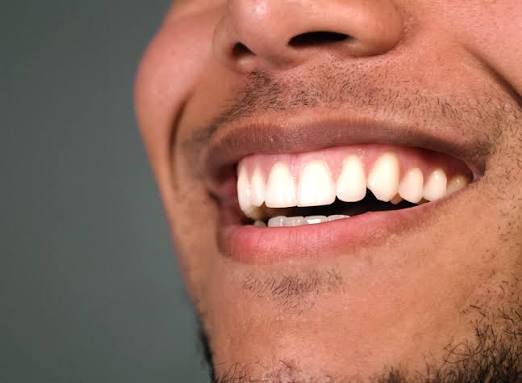
Oral and dental health refers to the health of all structures within an individual’s mouth and ensures that basic functions are carried out without pain or discomfort. Dental caries, gum diseases, and oral cancers encompass health issues that are commonly seen worldwide. Protecting oral and dental health is not only important for aesthetics but also crucial for overall health. The deterioration of oral health, which plays a role in functions such as speaking, chewing, and swallowing, can lead to serious problems that directly affect daily quality of life.
What Does Oral and Dental Health Include?
Oral and dental health encompasses the protection of not only the teeth but all structures in the mouth. A healthy mouth allows an individual to perform essential functions comfortably, thereby enhancing quality of life. The components that make up oral health depend on the health of many different structures. These include:
- Teeth
- Gums
- Tongue
- Palate
- Tissues inside the mouth
- Salivary glands
These components work together to prevent the accumulation of bacteria and plaque in the mouth, thus assisting in the maintenance of oral health. Major issues threatening dental health, such as tooth decay and gum diseases, can be prevented with regular cleaning of plaque and care. Accumulation of plaque can, over time, damage the tooth surface, leading to decay and inflammation of the gums. Therefore, it is important to brush teeth, use dental floss, and regularly visit a dentist.
It should be noted that oral health is not limited to just teeth. Health issues occurring in the mouth can also affect other systems in the body. Poor oral health can contribute to serious health problems such as heart disease and diabetes.
What Are the Common Conditions Affecting Oral and Dental Health?
Common conditions affecting oral and dental health rank among the most frequently encountered health issues worldwide and have a significant impact on quality of life. These problems encompass various diseases such as dental caries, periodontal diseases, and oral cancers. Although each emerges due to different factors, lifestyle factors such as neglecting oral hygiene, smoking, and alcohol consumption can often trigger these conditions.
Dental caries occur as a result of the acid produced by bacteria from sugar-containing foods and beverages on the tooth enamel. If left untreated, it can lead to pain, infection, and even tooth loss. Periodontal diseases cause inflammation in the tissues supporting the teeth. These diseases, which include subtypes such as gingivitis and periodontitis, can lead to tooth loss and are linked to heart diseases. Oral cancers are serious health problems that can develop in areas such as the lips, tongue, and floor of the mouth, and are generally associated with risk factors like tobacco, alcohol, and HPV infection.
Early detection and regular dental check-ups can prevent the progression of these ailments. Additionally, maintaining a healthy diet, practicing good oral hygiene, and quitting smoking can effectively reduce the risk of developing these diseases.
How Do Dental Caries Develop and How Do They Affect Oral Health?
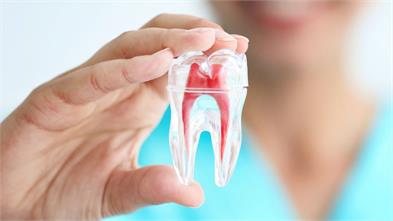
Dental caries form due to the effects of accumulated bacteria and food on the tooth surface. Bacteria such as Streptococcus mutans and Lactobacillus in the mouth produce acid, especially when sugary foods are consumed. This acid weakens the tooth enamel and initiates the cavity formation. With the progression of the decay, the dentin layer inside the tooth is also affected, leading to a decrease in the tooth’s functionality.
Stages of dental caries:
-
\t
- Plaque formation
- Acid production
- Weakening of the tooth enamel
- Cavity reaching the dentin layer
- Progression of the cavity towards the roots of the tooth
\t
As a result of these stages, pain and sensitivity occur in the tooth. If left untreated, cavities can lead to tooth loss and negatively affect oral health. Tooth loss can disrupt chewing function and cause aesthetic problems, while also risking the health of other teeth in the mouth. Regular brushing, use of dental floss, and limiting sugary foods are essential for preventing cavities.
What is Periodontal Disease and How Does It Affect Oral Health?
Periodontal disease occurs due to inflammation of the tissues surrounding the teeth, particularly the gums and supporting structures. It typically begins with the accumulation of bacterial plaque and progresses to infection in the gums. If detected in the early stages, this disease can be reversed, but if left untreated, it can lead to serious consequences, including tooth loss.
Main types of periodontal disease:
- Gingivitis
- Advanced periodontitis
Gingivitis is the early stage of periodontitis and shows symptoms such as swelling and bleeding in the gums. It can be treated at this stage with proper oral care. However, if it progresses to periodontitis, the surrounding tissues of the teeth can be damaged, potentially leading to tooth loss.
Periodontal disease affects not only oral health but also general health. Inflammation can enter the bloodstream from the mouth, leading to systemic health issues throughout the body. It is known to be associated with diseases such as heart disease and diabetes.
How Do Oral Cancers Develop and What Are the Risk Factors?
Oral cancers arise from the growth of malignant cells in various tissues of the oral cavity. Generally, cancer types that develop in flat cells of the mouth are common, but less common verrucous cancers can also appear as slow-growing masses in the gums and cheeks. Additionally, cancers originating from salivary glands or lymphatic tissue are included in the group of oral cancers. The symptoms of these cancers may often appear simple enough to be confused with other oral issues; therefore, it is important to pay attention to the symptoms for early diagnosis.
The main symptoms are as follows:
- Non-healing sore or ulcer
- Persistent pain
- Numbness or thickening in the mouth
- White or red spots on the gums
- Difficulty swallowing, chewing, or speaking
- Numbness in the tongue or other areas of the mouth
- Jaw pain (due to denture incompatibility)
- Loosening of teeth and pain in the gums
- Voice changes and persistent throat pain
- Swelling in the neck area
- Unexplained weight loss
There are various factors that increase the risk of developing oral cancers. Among these, tobacco use, particularly cigarette and tobacco product use, is one of the strongest risk factors. Alcohol consumption also increases cancer risk; this risk further escalates when consumed together with tobacco. Moreover, human papillomavirus (HPV) infection, particularly type HPV-16, has been associated with tongue base and throat cancers. Prolonged sun exposure can lead to lip cancers, while neglecting oral hygiene and having missing teeth can also increase the risk.
Other risk factors:
- Insufficient fruit and vegetable consumption
- Older age and male gender
- Weak immune system
- Chronic oral irritation (for example, incompatible dentures)
- Habit of chewing betel nut and areca nut
To prevent oral cancers, it is important to quit tobacco and alcohol use, maintain regular oral hygiene, and ensure a balanced diet. Additionally, early diagnosis can be achieved through routine dental check-ups.