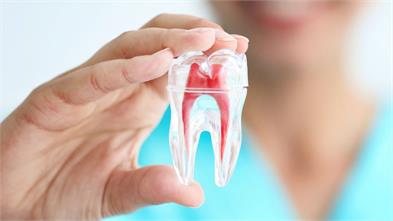
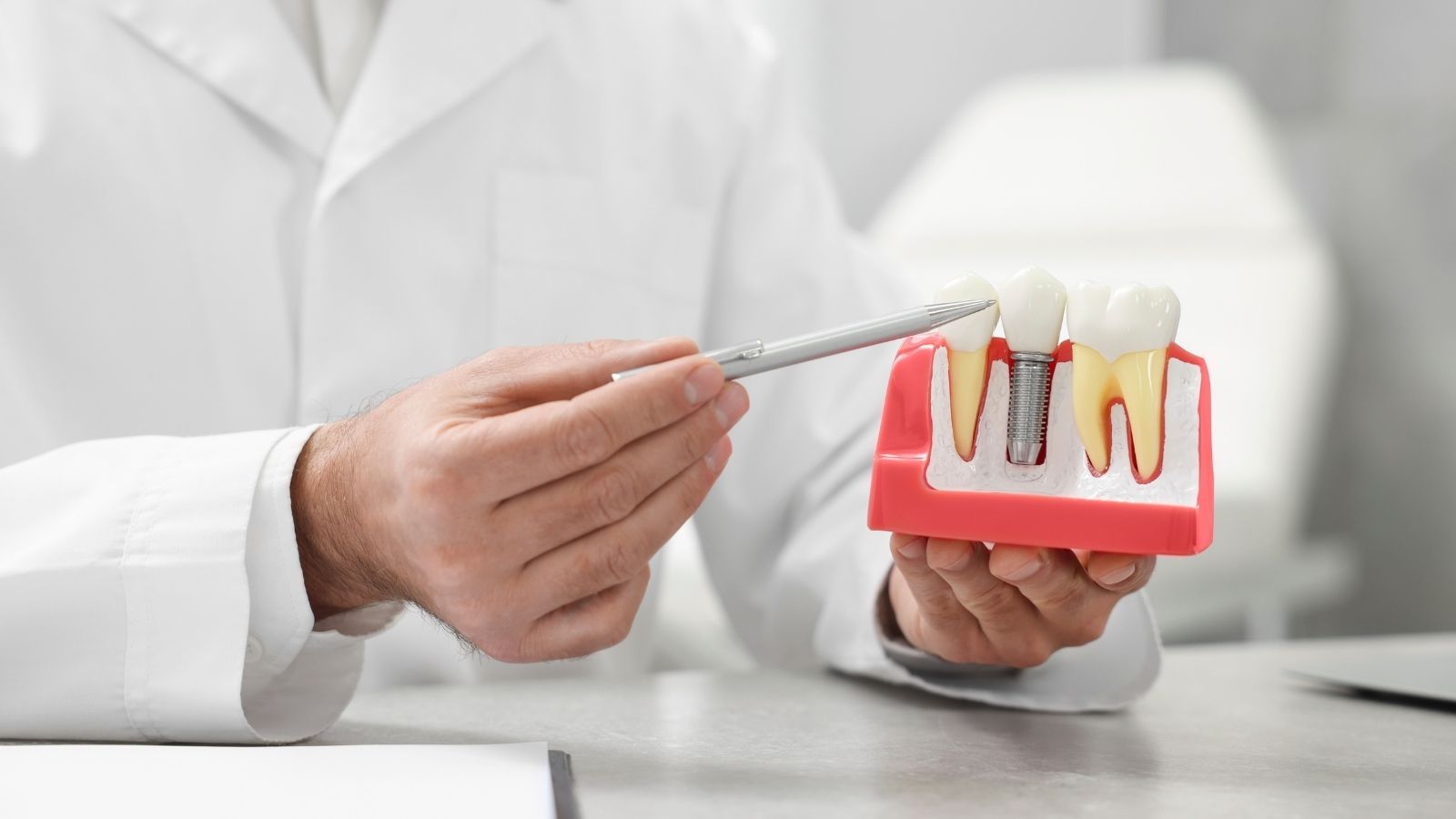
Dental implants are a treatment method offering a permanent solution for missing teeth and consist of several stages. Initially, the patient’s overall health and mouth structure are assessed. Then, an implant is placed into the jawbone, and a specific period is waited for the bone to integrate with the implant. At the end of this period, an abutment is placed, and finally, a permanent prosthesis is installed to complete the procedure. For the implant to be successful, the patient must pay attention to oral hygiene, avoid smoking, and follow the doctor’s recommendations. This process should be meticulously monitored.
| Severe and Persistent Pain | Pain for the first few days after the implant is normal, but prolonged or increasing pain may indicate the implant has failed. |
| Swelling and Redness Around the Implant | Excessive swelling, redness, and heat may be signs of infection. |
| Mobility or Loosening of the Implant | A successful implant should integrate completely with the jawbone. Movement of the implant indicates a problem with integration. |
| Gum Bleeding or Recession | Recession of the gum tissue around the implant or continuous bleeding may be a sign of peri-implantitis (inflammation around the implant). |
| Pus Discharge Around the Implant | In the presence of infection, inflamed discharge may appear around the implant. This is a sign of a serious complication. |
| Difficulties in Chewing or Discomfort | A mismatch in the prosthesis placed on the implant can cause pain and discomfort during chewing. |
| Bad Taste or Odor in the Mouth | Bad taste or odor in the mouth may occur due to infection or failure of the implant. |
How is a Dental Implant Surgically Placed?
Dental implant placement involves the precise surgical procedure of anchoring artificial tooth roots into the jawbone to replace missing teeth. The aim of this procedure is to provide an aesthetic and functional structure while achieving the closest results to natural teeth. Each step is carefully planned and executed to ensure the success of the treatment and the longevity of the implant.
First, the patient’s overall health status, along with a detailed examination of the teeth and jaw structure, is conducted. Advanced imaging techniques, particularly cone beam computed tomography (CBCT), guide the surgeon and allow for the precise planning of the implant’s location. The procedure, often performed under local anesthesia, offers a comfortable experience. An incision is made in the gums to access the bone, and the area where the implant will be placed is carefully opened.
A pilot hole is created in the area where the implant will be placed, and this hole is then gradually enlarged to accommodate the sizes of the implant. These steps ensure a tight fit of the implant into the bone while preserving the anatomical structures in the area.
- Clinical evaluation
- Imaging techniques
- Local anesthesia
- Tissue removal
- Pilot hole creation
- Incremental drilling
- Implant placement
The gums are sutured to allow the implant to integrate with the bone, and the stitches are closed. Once healing is completed, a component called an abutment is attached to create the infrastructure for the prosthetic tooth.
In this process supported by technological advancements, the use of computer-assisted surgical guides and dynamic navigation systems allows for more precise implant placement. These methods enhance the accuracy of the procedure and ensure more successful treatment outcomes.
What is the Healing Phase After Implant Placement?
The healing process that begins after the implant placement is a lengthy process aimed at ensuring the implant integrates solidly with the jawbone. During this period, the body attempts to accept the implant as a natural part, and a few stages need to be passed to ensure complete healing.
The initial healing phase typically begins immediately after the surgery and is completed within the first 10 days. During this phase, the body’s natural healing mechanisms come into play, and tissue regeneration around the implant begins. The formed blood clot surrounds the implant and constitutes the first steps of healing.
The bone remodeling phase lasts approximately 2 to 4 weeks. The initial bone tissue formed has a weak structure. This structure will be replaced by a stronger and more organized lamellar bone tissue. During this process, the stability of the implant increases, becoming more enduring.
In the maturation phase, the bone tissue completely integrates with the implant, providing final stability. This stage typically lasts 3 to 6 months. By the end of this period, the implant is ready to function in complete harmony with the jawbone.
The points that should be emphasized are:
- Pay attention to oral hygiene
- Follow the doctor’s recommendations
- Avoid smoking
- Stay away from hard foods
The success of these stages plays a key role in the longevity of the implant and the maintenance of oral health.
When is the Abutment Attached to the Implant?
The abutment is usually placed after a healing period of about 3 to 6 months, once the fusion process with the jawbone is completed. This piece creates a solid platform for attaching the prosthetic tooth by connecting to the upper part of the implant. The function of the abutment contributes to the success and longevity of the implant treatment by providing support and connection between the prosthetic tooth and the implant.
- Provides Support and Stability
- Offers Correct Alignment and Positioning
- Distributes Chewing Forces Evenly
- Protects the Bone Surrounding the Implant
Once the abutment is placed, the healing process begins. During this period, it is crucial for the gums surrounding the abutment to heal healthily and adapt to the abutment. At the end of the healing process, a permanent prosthetic tooth is placed on the abutment, thereby completing the implant treatment.
How is the Prosthetic Tooth Attached to the Implant?
The process of attaching the prosthetic tooth to the implant involves several steps that require care and precision. Initially, after the implant completely fuses with the jawbone, the dentist places a connecting piece called the abutment onto the implant. This piece ensures the prosthetic tooth is securely supported and is usually customized for each patient. After the abutment is placed, the measurement of the tooth is taken or scanned digitally, and the necessary data for crown design is obtained. The crown’s production is then carried out at the dental laboratory.
Suitable material options for the crown:
- Ceramic
- Porcelain over Metal
- Zirconium
The crown prepared is fixed to the abutment by the dentist. There are two main methods in this process. In crowns held with cement, the crown is bonded to the abutment with cement, providing a seamless appearance; however, removal of the crown can be difficult when needed. In the other method, crowns fixed with screws are mounted to the abutment with a screw; this method allows for easier removal of the crown if necessary. In the final stage, the dentist checks the fit of the crown and the occlusion.
What Precautions Should Be Taken During the Dental Implant Process?
In the dental implant process, specific precautions must be taken and adhered to in order to achieve successful outcomes. First and foremost, attention should be paid to oral hygiene. Regular cleaning of the teeth and use of dental floss is essential for preventing infections and ensuring healthy healing. Additionally, mouth rinses should be used to control bacteria, and regular dental check-ups should not be neglected.
-
\t
- Use of a soft toothbrush at least twice a day
- Daily use of dental floss
- Use of antimicrobial mouth rinses
- Routine dental check-ups
\t
\t
\t
Due to the negative impact of smoking on the healing process, it is important to refrain from smoking during this period. Nicotine slows healing by reducing blood flow and forces the implant to integrate with the jawbone. Therefore, it is recommended not to smoke before and after the implant procedure.
Post-operative nutrition also directly affects healing. To avoid pressure on the surgical area, soft and low-chew foods should be preferred.
-
\t
- Soft foods like yogurt, mashed potatoes, and smoothies
- Avoidance of hard and sticky foods
- Increased water consumption
\t
\t
On the first day, intense shaking should be avoided, physical activities should be limited, and rest should be prioritized.