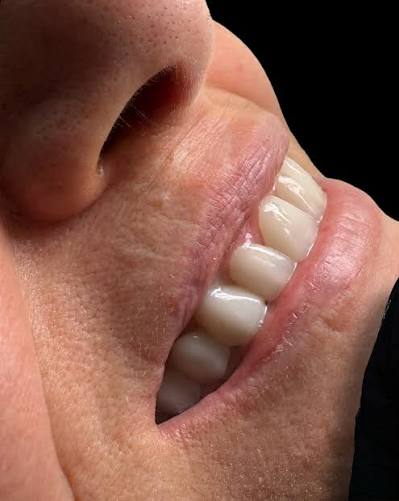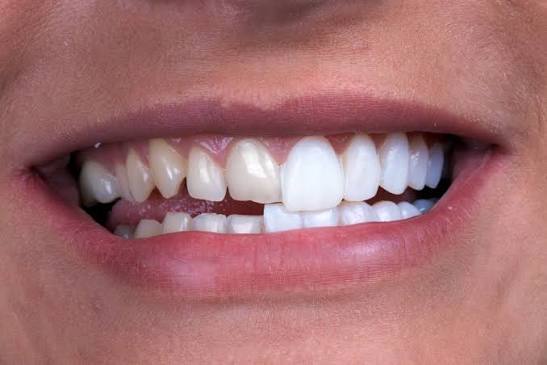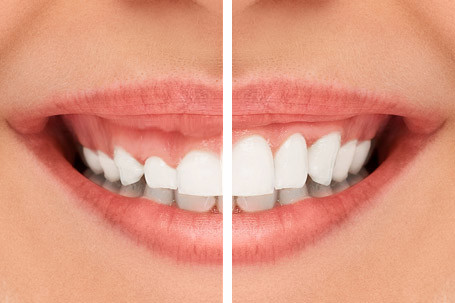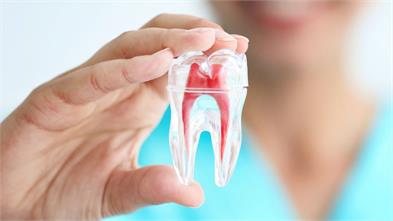

Many people who experience tooth loss prefer implant treatment due to aesthetic and functional concerns. The dental implant mimics the natural tooth root through a titanium screw placed in the jawbone, and over time, it integrates with the bone, forming a strong structure. This procedure is an ideal solution for providing a natural appearance, particularly in the front teeth. Once the healing process is complete, the custom prosthetic crown placed on the implant significantly restores both appearance and chewing function.
What Are the Benefits of Getting a Front Tooth Implant?
A front tooth implant offers a superior solution both aesthetically and functionally to replace the lost tooth. The implant, which mimics the natural tooth root, ensures safe use with its robust structure and is ideal for a healthy smile in the long term. This treatment not only corrects dental aesthetics but also preserves oral health, providing numerous benefits.
The main benefits of a front tooth implant are:
- Aesthetic harmony
- Comfortable chewing and speaking
- Long-lasting durability
- Prevention of bone loss
- Protection of facial structure
The implant aesthetically and structurally replaces the missing natural teeth in the best possible manner, enhancing the individual’s smile overall. Additionally, it cooperates with surrounding teeth to present a natural appearance. The implant, fixed to the jawbone, prevents slipping and discomfort, providing a safe and comfortable experience in daily use. This support to the jawbone contributes to the preservation of facial structure by preventing bone loss in the long run and helps the individual appear younger.
Who Are Suitable Candidates for a Front Tooth Implant?
A suitable candidate for a front tooth implant consists of individuals who meet specific health and lifestyle criteria. For the implant to be successful, the candidate’s overall health condition must be good. Certain chronic illnesses, like uncontrolled diabetes, can hinder the recovery process and increase the risk of complications. The density of the jawbone is also an important factor; candidates with insufficient bone density may require supportive procedures like bone grafting.
Characteristics that suitable candidates should possess:
-
\t
- Healthy overall health status
- Sufficient jawbone density
- Good oral hygiene habits
- Healthy gums
- Desire to quit smoking or reduce tobacco use
\t
\t
\t
\t
Having healthy gums and being free from periodontal diseases is crucial for the implant to integrate with the jawbone. Individuals who pay attention to oral hygiene have a reduced risk of infection around the implant, extending its lifespan. A good oral care routine includes regular tooth brushing, using dental floss, and dental check-ups. Also, since habits like smoking can negatively affect the success of the implant, candidates are advised to quit smoking before the procedure.
For candidates who meet these conditions, front tooth implants offer satisfying outcomes in both aesthetic and functional aspects. Before the implant is placed, a detailed evaluation by a dentist determines the candidate’s suitability.
What is the Procedure for Placing a Front Tooth Implant?
The procedure for placing an implant requires detailed planning and step-by-step implementation. The process begins with a comprehensive examination and assessment conducted by the dentist. In this initial phase, the structure of the mouth and jawbone are examined. Specifically, the bone density and structure are evaluated; a detailed analysis is performed using dental X-rays and 3D imaging techniques. The patient’s overall health status and suitability for the implant procedure are carefully considered.
While preparing the treatment plan, a personalized roadmap is created for the individual. Treatment stages are determined taking into account aesthetic harmony and functionality. It is especially important for the front teeth to appear harmonious and to ensure proper bite alignment. If necessary, tooth extraction or bone grafting may be performed. The bone grafting procedure is carried out to support bone tissue for patients who do not have sufficient bone volume. This graft can be sourced from various origins:
- Autograft
- Allograft
- Synthetic materials
The healing period after the bone graft may take several months, and the area is prepared for implant placement. Local anesthesia is applied during the implant placement; an incision is made in the gum, and the area where the implant will be placed is exposed. A hole is drilled to appropriate depth and width, and the titanium implant is carefully placed, after which the gum is stitched closed.
After the implant is placed, the healing process known as osseointegration begins. During this period, the implant integrates with the bone and forms a solid foundation. A temporary prosthesis can be installed during the healing process. After the completion of these stages, an abutment is placed on the implant; the abutment provides a connection between the implant and the dental crown. Once the gums heal around the abutment, a crown suitable for the patient’s dental structure is prepared and placed on the abutment.
How Long Does the Healing Process Last After a Front Tooth Implant?
The healing process after a front tooth implant generally varies from person to person, but it usually concludes in several stages. Initially, the mild swelling, bruising, and bleeding that occur after the surgical procedure decrease within the first few days. This short healing period lasts approximately 1-2 weeks, and supportive methods such as pain relief and cold compresses are recommended for smooth progress in recovery.
In the following period, the process of osseointegration, during which the titanium implant fully fuses with the jawbone, begins. This process typically takes between 3 to 6 months, depending on the jawbone structure and individual healing speed. Once this phase is complete, the abutment that will support the prosthesis on the implant is placed, and the gum heals around this piece.
Factors affecting the healing process of a front tooth implant include:
- Bone density and quantity
- General health condition
- Lifestyle and habits
- Surgical technique
- Initial stability of the implant
- Postoperative care
To ensure the healing process progresses healthily, it is essential to follow the dentist’s recommendations, limit smoking, and maintain regular oral hygiene. Each individual’s healing process may vary, but once the procedure is completed, a tooth that has a naturally aesthetic appearance and is functional can be achieved. After the area where the implant was placed has healed, the patient-specific dental prosthesis is fixed onto the abutment, concluding the treatment.
What Are the Possible Risks and Complications of Front Tooth Implants?
Dental implants provide an effective solution for many people in terms of aesthetics and functionality, but they can also carry certain risks and complications. Understanding these risks and how to prevent them is important for achieving the best outcomes in implant treatment. The main risks and precautions that may arise in implant treatment are as follows:
- Risk of Infection:
Infection can develop in the implant area and lead to inflammation of surrounding tissues. It is especially important to pay attention to oral hygiene after surgery.
- Probability of Failure:
Failure may occur if the implant does not integrate well with the jawbone or if it loosens. Factors such as smoking and insufficient bone density increase this risk.
- Risk of Nerve Damage:
Placing the implant close to nerve structures can cause nerve damage, resulting in numbness or pain in surrounding tissues.
- Sinus Issues:
In implants placed in the upper jaw, there is a risk of interfering with the sinus cavity. Improper placement can lead to issues such as sinusitis.
- Mechanical Problems:
Mechanical issues such as loosening or breaking of the implant screws can occur. This situation is related to improper insertion force or the use of low-quality materials.
- Recession of Gum Tissue:
Recession of the gum tissue surrounding the implant can cause the metal components to become visible, which can have negative aesthetic effects.
- Allergic Reactions:
Although rare, some individuals may exhibit allergic reactions to implant materials.
Minimizing risks associated with dental implants is possible through good surgical planning and regular care. During this process, it is crucial for patients to follow post-treatment care instructions and attend regular check-up appointments.