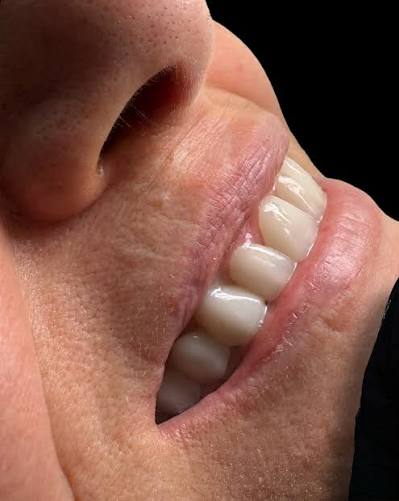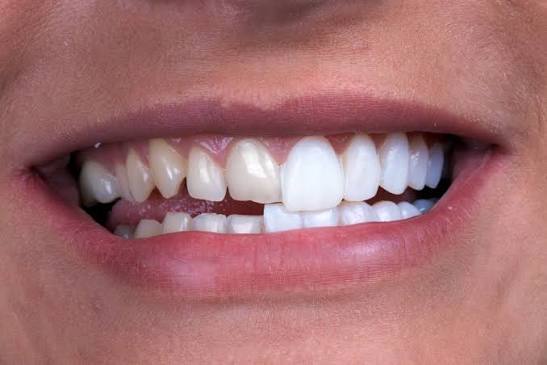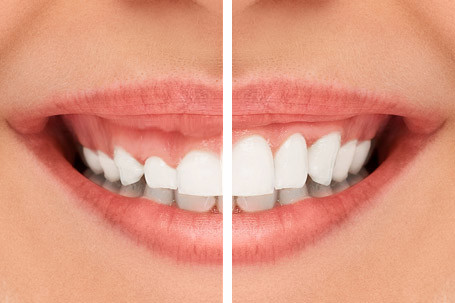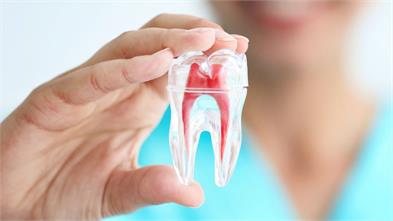
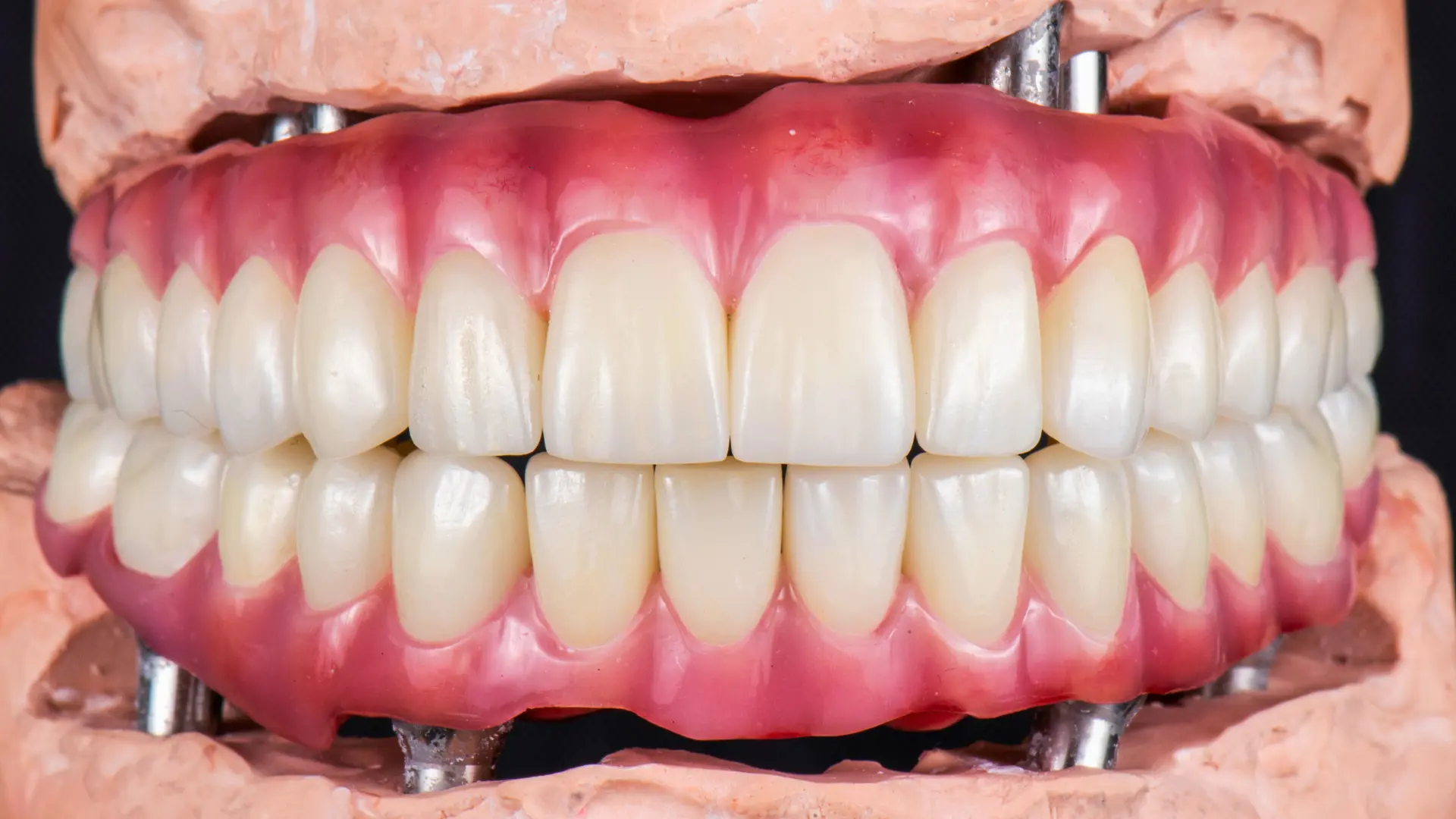
Complete dental implant procedures provide a permanent and healthy solution for individuals who have lost their teeth. This treatment method ensures that prosthetic teeth are strongly fixed in place with titanium screws implanted into the jawbone. The process progresses step by step from extracting remaining teeth to placing implants in the bone, and finally securing the prosthetic teeth. Initially, preparations are made for placing jawbone implants; if necessary, a bone graft is performed, and then the implants are placed. The treatment is completed in the final stage by attaching prosthetic teeth to the abutments once the healing process known as osseointegration is completed.
Who Are Suitable Candidates for Full Mouth Implants?
Full mouth implants are a permanent and reliable option for individuals who have lost all their teeth or whose existing teeth can no longer be salvaged. However, in order for this treatment to be applicable, the patient must meet certain criteria:
-
\t
- Sufficient bone density
- Healthy gum tissue structure
- Good overall health
- Willingness to quit smoking or not to smoke
\t
\t
\t
Additionally, paying attention to oral hygiene and having the implants checked regularly contributes to the long-term success of this treatment process. Individuals with gum diseases and jawbone issues may need to address these conditions first.
What Is the Step-by-Step Procedure for Full Mouth Implants?
Full mouth implants provide a permanent and functional solution for those experiencing tooth loss. This treatment process advances step by step according to a personalized plan for both the upper and lower jaws. Successful implementation relies on careful evaluation and planning. The procedure consists of several stages, and each stage is approached with caution.
In the first step, the hospital’s medical history is examined, and a detailed evaluation is conducted using digital imaging methods suitable for the jaw structure. After the planning is completed, the surgical placement of the implants begins. In this phase, local anesthesia or sedation is used to ensure the patient’s comfort.
After the surgical phase, the integration of the implants into the jawbone, known as osseointegration, begins. During this process, the implants securely attach to the bone, which can take 3 to 6 months.
In the final stage, connection pieces called abutments are attached to the implants, and prosthetic teeth prepared accordingly are placed. In this step, custom measurements are taken based on the individual’s jaw structure to prepare permanent dental prosthetics.
What Are the Benefits and Risks of Full Mouth Implants?
Full mouth implants offer a functional and lasting solution that looks natural for individuals who have lost their teeth. This treatment method provides benefits across a wide range, from aesthetic appearance to preserving the jawbone. However, there are also some risks that must be considered for the successful completion of this process. Accurately evaluating the advantages and risks is important for both patient comfort and treatment success.
Advantages
-
\t
- Functional gains: Proper chewing, comfortable speaking
- Aesthetic appearance: A natural smile, preservation of facial features
- Bone preservation: Support for the jawbone, prevention of bone loss
- Safe and stable structure: Fixed prosthetics that do not slip
- Long-lasting solution: Can be used for years
\t
\t
\t
\t
Risks
-
\t
- Surgical complications: Infection, excessive bleeding, nerve damage
- Implant failure: Risk of inadequate bonding with the bone
- Peri-implantitis: Risk of bone loss due to inflammation
- Mechanical failures: Screw loosening, prosthesis breakage
- Aesthetic problems: High gum line, serious bone loss situations
\t
\t
\t
In this process, evaluating the overall health condition of the patient and the structure of the jawbone is of utmost importance. Smoking can adversely affect the success of implants, as it is associated with health issues like diabetes.
How Long Does the Full Mouth Implant Process Take?
The full mouth implant process can vary depending on the specific needs of each patient and the condition of the jawbone. The stages follow each other, including initial examination, tooth extractions, implant placement surgery, and the application of prosthetics. The duration is influenced by factors such as the patient’s oral health, healing capacity, and bone density. The treatment steps in this process include:
- Examination and Treatment Planning
- Necessary Tooth Extractions
- Bone Graft or Bone Preparation
- Implant Placement
- Healing and Bone Integration
- Abutment Installation
- Final Restoration and Prosthetic Application
The treatment duration typically spans several months, and the healing time for each stage depends on individual factors. For instance, while some patients may require a bone graft, those with sufficient bone structure might not need this procedure. In some cases, to expedite the treatment duration, a temporary prosthetic can be applied immediately after implant placement, although this method may not be suitable for every patient and requires special assessment.
To achieve a successful outcome in the full mouth implant process, it is essential to proceed under the supervision of a qualified dentist throughout the treatment.
How to Care for Full Mouth Implants?
The success of care treatment for full mouth implants is critically important in terms of its long-term durability. There are care steps to be followed both in the early postoperative period and in the long term. The following guidelines should be adhered to ensure healthy healing after the implant procedure:
Postoperative Care:
- Oral hygiene: Avoid touching the implant area for the first 24 hours
- Oral rinse: Gently rinse with warm salt water or antiseptic mouthwash the next day
- Nutrition: Prefer soft, cold foods; avoid hard, spicy, and hot foods
- Fluid intake: Drink plenty of water; be careful not to use a straw
- Activity: Avoid heavy exercise in the first week, get plenty of rest
- Medications: Use antibiotics and pain relievers regularly as per doctor’s instructions
- Swelling and bleeding: Apply a cold compress for the first 48 hours; consult your doctor for prolonged bleeding
Long-Term Care:
- Oral hygiene: Brush gently with a soft toothbrush twice a day, use dental floss and interdental brushes
- Antiseptic rinse: Continue regularly to control bacteria around the implant
- Professional care: Visit your dentist at regular intervals; have the implants professionally cleaned
- Monitoring: Immediately consult your physician in the event of inflammation, bleeding, or swelling
- Prosthesis check: Over time, loosening or wear may occur in the prostheses; have them checked regularly
With careful care and regular check-ups, full mouth implants can be used healthily and problem-free for years.