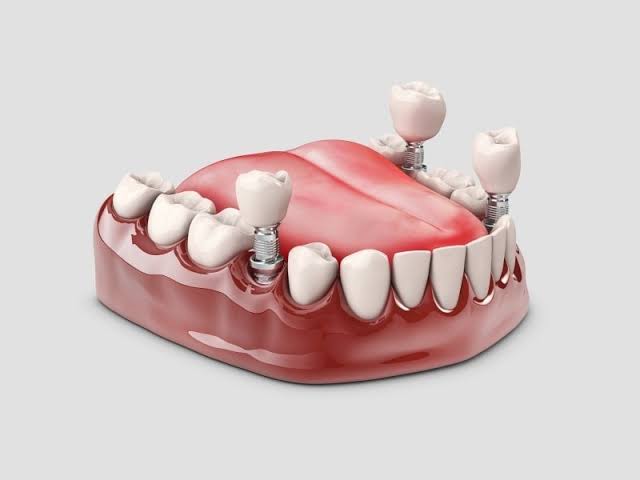
The treatment of missing teeth is important from both aesthetic and functional perspectives. Dentists generally offer three main methods to replace missing teeth. Dental implants mimic the natural tooth root with a titanium screw placed in the jawbone and provide a permanent solution. A dental bridge fills the gap by relying on the healthy teeth adjacent to the missing tooth, ensuring an aesthetic appearance. A removable denture is a temporary solution that can replace one or more missing teeth. The choice of method is determined by the individual’s oral health and preferences.
Why is it important to treat a missing tooth promptly?
Treating a missing tooth is crucial for dental health and overall health. Untreated tooth gaps can lead to serious long-term oral and jaw problems. An untreated missing tooth can cause teeth to shift, bone loss in the jaw, and various complications.
Important reasons for quickly treating a missing tooth:
- Tooth shifting: The gap left by the missing tooth allows neighboring teeth to move into that space.
- Jawbone loss: Tooth roots stimulate the jawbone; when loss occurs, this lack of stimulation leads to bone loss and alterations in jaw structure.
- Gum disease: The empty space for the missing tooth prepares the ground for the accumulation of food debris and bacteria, leading to gum problems.
- Jaw joint issues: Shifting and misalignment of teeth can cause pain and limited movement in the jaw joint.
Neglecting the treatment of tooth loss not only creates an aesthetic problem but also negatively affects chewing and speaking functions. The progression of jawbone loss can disrupt facial aesthetics because bone resorption leads to depressions in the cheeks and jaw areas. Therefore, quickly filling the gap with treatment methods such as dental implants or bridges contributes to maintaining a healthy and balanced oral structure in the long term.
What Are the Current Treatment Options to Replace a Missing Tooth?
Various options for treating a missing tooth are tailored according to the patient’s oral health, aesthetic expectations, and budget. Dentists consider the patient’s needs to determine the most suitable treatment option that can replace the missing tooth. Generally, three main methods are highlighted: dental implants, fixed dental bridges, and dentures. Each treatment method has its unique advantages and points to consider. Detailing the treatment options helps patients make informed choices.
Dental Implants:
- The most durable solution that mimics a natural tooth
- Implemented by placing a titanium screw into the jawbone
- Prevents bone loss, is durable
- Restores chewing and speaking functions
Fixed Dental Bridges:
- Supported by the teeth adjacent to the missing tooth
- Enhances aesthetic appearance
- Supports chewing and speaking functions
- Provides quick results and can be completed in a short time
Dentures (Prosthetics):
- Can be easily cleaned due to the removable feature
- Less invasive since it does not require surgical procedures
- It is cost-effective and appeals to a wide user base
- Can be customized according to the number of missing teeth
How Does a Dental Implant Replace a Missing Tooth?
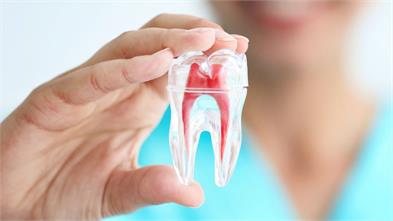
A dental implant is one of the most reliable and effective methods used to fill the functional and aesthetic gap created by a missing tooth. A titanium screw placed into the jawbone, similar to a natural tooth root, serves as a replacement for the missing tooth and offers a long-term solution for oral health. Thanks to the process of osseointegration, which is the integration of the implant with the jawbone, the implant becomes strongly bonded to the bone and provides a solid foundation. This process consists of a few stages for the individual to regain their teeth:
- Evaluation
- Planning
- Implant Placement
- Healing
- Osseointegration
- Abutment Placement
- Dental Prosthesis Placement
What Is a Dental Bridge and How Does It Address Tooth Loss?
A dental bridge is a type of fixed prosthesis used to fill the gap of missing teeth and restore oral health. In this procedure, the bridge prosthesis is securely attached to adjacent teeth or implants, ensuring a natural-looking appearance. Dental bridges also contribute to the restoration of chewing and speaking functions along with aesthetic considerations. The main components of the bridge are the artificial tooth (pontic) that fills the gap and the teeth or implants that support this artificial tooth.
Types of Bridges:
- Classic Fixed Bridge: Stabilized by relying on adjacent teeth
- Kantilever Bridge: Fills the gap by holding onto a single tooth
- Maryland Bonded Bridge: Connected to the adjacent teeth with a metal or porcelain framework
- Implant-Supported Bridge: It becomes stronger with an implant support for each missing tooth.
Dental bridges not only provide aesthetic advantages but also allow for the preservation of facial contours and the proper functioning of speech. If a bridge is not made after tooth loss, issues such as shifting of teeth or misalignment can arise. With a dental bridge, these kinds of deformations can be prevented, maintaining a healthy dental arrangement.
Are Removable Partial Dentures a Suitable Solution for a Missing Tooth?
Removable partial dentures are a practical and accessible solution for individuals with missing teeth. They stand out as a more economical option compared to fixed dental bridges or implants, can be installed without the need for surgical intervention, and can be used without damaging the structure of neighboring teeth. In addition to providing an aesthetic appearance, these dentures also play a supportive role in daily functions like eating and speaking. However, certain disadvantages should be kept in mind.
Advantages:
- It is cost-effective
- No surgical procedure is required
- Does not harm the structure of neighboring teeth
- Improves aesthetic appearance of the smile
- Supports eating and speaking functions
- Prevents shifting of neighboring teeth
Disadvantages:
- May cause discomfort initially
- Requires daily cleaning
- Less durable compared to fixed dentures
- Esthetic restrictions may arise due to metal components
- Can cause gum irritation if placed incorrectly