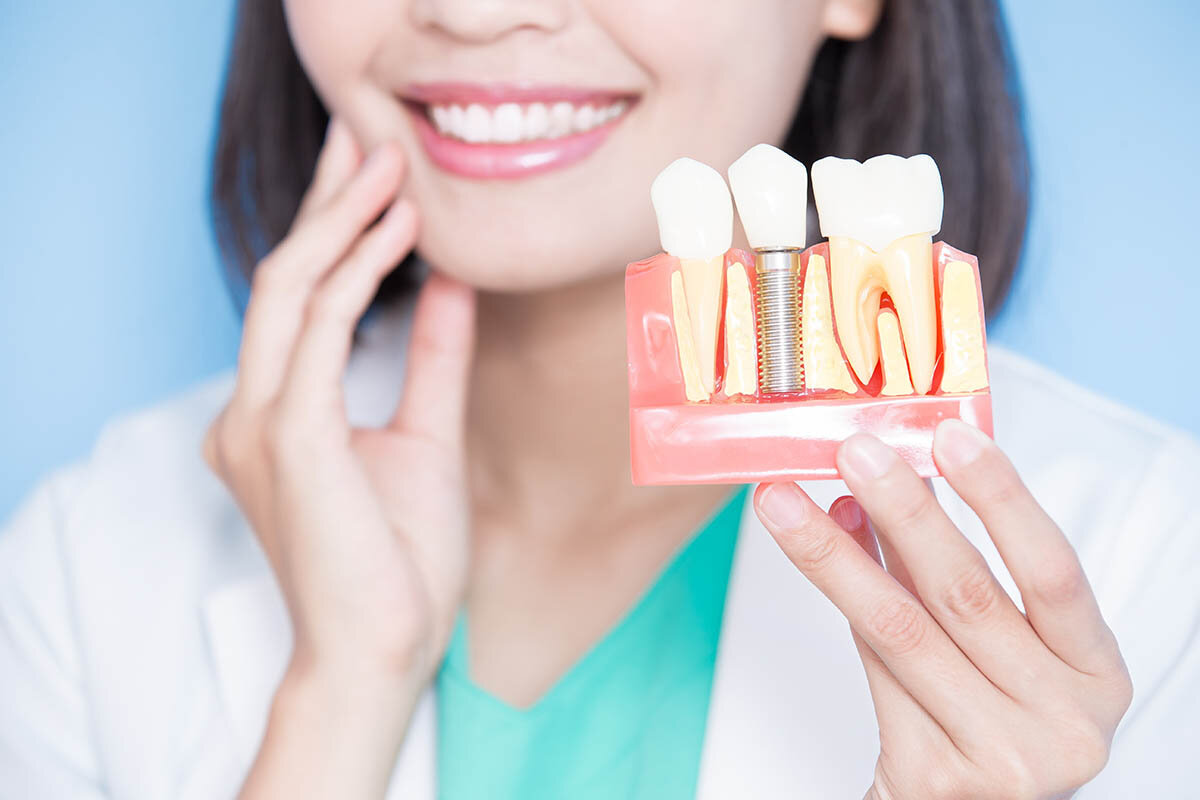
Dental implants provide a permanent solution for missing teeth, but they can sometimes fail and loosen. Some of the primary reasons for implant failure include infection (peri-implantitis) and the inability to achieve complete integration with the bone (osseointegration). Additionally, excessive loading or the patient’s health condition, especially chronic diseases like diabetes, can complicate the success of the implant. In the case of an implant failure, it is essential to first determine the cause and apply appropriate treatment. If necessary, one can wait until the bone heals before placing a new implant, and the process can be repeated. This is a critical approach for ensuring the implant’s success.
How Does Peri-implantitis Contribute to Implant Loss?
Peri-implantitis leads to inflammation in the soft and hard tissues surrounding dental implants, contributing to implant failure. This condition is associated with a range of factors, including bacterial accumulation, an inflammatory response, and bone loss. The development of peri-implantitis weakens implant stability, potentially leading to long-term failure.
The inflammatory response of the immune system is triggered around the implant. This response results in the accumulation of neutrophils, macrophages, and lymphocytes in the area. In patients with peri-implantitis, the abundance of neutrophils and B cells from the immune system cells is higher. This excessive response leads to tissue destruction and increased inflammation.
With the increase in inflammation, bone-resorbing cells known as osteoclasts become active, leading to the resorption of the bone surrounding the implant. Due to bone loss, the supporting tissue of the implant decreases, and mobility increases.
Additionally, titanium particles released from the implant surface can trigger inflammation. These particles are recognized by immune cells, leading to a strong reaction and can accelerate bone loss. As peri-implantitis progresses, the stability of the implant may be completely lost, potentially resulting in implant failure. The effect of titanium particles in this process is an important factor to consider in the treatment of peri-implantitis.
Can Poor Bone Quality or Quantity Cause Implant Failure?
Poor bone quality or insufficient bone quantity can severely affect the success rate of dental implants. Adequate bone density and volume are necessary for the osseointegration process to progress healthily. If the bone quality in the area where the implant is to be placed is low, the stability of the implant weakens, and osseointegration cannot be completed. This situation can lead to the loosening or failure of the implant. Diseases that weaken bone tissue, such as osteoporosis, can complicate the retention of the implant in the bone.
Problems related to poor bone quality or quantity become more evident in the following situations:
-
\t
- Insufficient bone density
- Osteoporosis or similar bone loss diseases
- Reduction in bone volume
- Chronic diseases that lower bone quality
- Localized bone losses
\t
\t
\t
\t
In such cases, even if the implant’s initial stability is achieved, there is a risk of loosening or slipping in the long term. If osseointegration cannot be achieved under these conditions, fibrous tissue can form instead of bone, which impedes the stability of the implant. To reduce the risk of implant failure, the bone density should be assessed in advance using methods like resonance frequency analysis. These tests aim to prevent possible complications by measuring the implant’s stability and its compatibility with the bone.
What Role Do Lifestyle Factors Play in Implant Stability?
Lifestyle factors have a decisive impact on the health and lifespan of dental implants. Among the most common factors affecting implant stability are smoking, oral hygiene, and certain health conditions. To ensure lasting success in implant treatment, these factors need to be monitored throughout the process.
Smoking slows down the process of implant integration with the jawbone while simultaneously increasing the risk of inflammation. Poor oral hygiene leads to bacterial accumulation around the implant and the formation of infections. This can result in early-stage bone loss, causing the implant to fail. On the other hand, uncontrolled diabetic patients may experience delayed healing, negatively affecting the success of the implant. Osteoporosis can reduce implant stability by decreasing bone density, while patients receiving head and neck radiotherapy may face difficulties in bone healing. In all these conditions, the risk of implant failure can be minimized through measures and treatment processes recommended by specialists.
Can a Failed Dental Implant Be Replaced?
It is possible to reinsert a fallen dental implant, but several important factors must be considered during this process. Understanding the reason for the implant’s failure and taking necessary precautions are essential for a successful reinsertion procedure. The main factors that need to be evaluated in this context are as follows:- Bone health
- General health condition
- Oral hygiene habits
- Material used for the implant
Especially, bone quality directly affects implant success. In cases where sufficient bone volume is not provided in the area where the implant has fallen, a bone graft procedure may be necessary. This procedure is used to compensate for the lack of bone tissue and can be applied with different graft materials. The materials used when necessary include autografts, allografts, xenografts, and synthetic alloplasts.
The reason for the implant’s failure is also an important factor. Problems caused by infections such as peri-implantitis or excessive load during chewing can lead to implant loss. Factors such as smoking or uncontrolled diabetes increase the risk of implant failure. Therefore, a thorough evaluation of the patient’s general health condition before treatment will increase the success rate of the reinsertion procedure.
Additionally, attention must be paid to the healing process following a successful implant placement procedure. When a bone graft is applied, a healing period is necessary for the bonding between the bone and implant. Completing osseointegration during this period is a critical step for the long-term success of the implant.
What Preventive Measures Can Be Taken to Ensure the Longevity of the Implant?
The long-term durability of dental implants is closely related to the preventive measures that one takes in their daily life. Implants supported by good care and healthy habits can remain problem-free in the mouth for a longer period. To ensure the longevity of the implant, it is essential to pay attention to oral hygiene, attend regular dental check-ups, and make lifestyle choices that positively affect health. The main measures that need to be taken to ensure the longevity of the implant are as follows:
- Daily oral hygiene
- Use of dental floss and a soft toothbrush
- Antibacterial mouthwash (recommended by a doctor)
- Regular dental visits
- Monitoring the tissues around the implant
- Quitting smoking
- Balanced and healthy diet
- Avoiding sugary and acidic foods
- Using a protective splint against teeth grinding
- Monitoring health conditions (especially diabetes, osteoporosis)
- Consulting a doctor about medications being taken
Controls performed at short intervals during the first year after implant placement increase long-term success. During this period, the tissues around the implant and the bone structure are carefully examined to ensure early detection of any complications.