
Oral and dental health is not just an instrument of a symphony where the integrity of the body is preserved; it is also a crucial field that directly affects quality of life. The existence and health of teeth are essential because people maintain their social interactions, such as eating, speaking, and smiling, in daily life. Missing teeth can cause difficulties in both function and aesthetics by disrupting this harmony. That’s why implants, regarded as the stars of modern dentistry, have been developed to restore this harmony. So, what is the magical concept that forms the basis of these implants? Osseointegration, which is the direct, strong, and long-lasting bond established between bone tissue and the implant. This bond is so critically important that it almost solely determines the implant’s permanence as a solution, its health, and long-term success. If osseointegration is not achieved, implants begin to loosen over time, lose bone, and ultimately fail. Therefore, this process, which ensures that the ‘foundations’ of dental implants are firmly laid, is also the cornerstone of modern implant treatment.
| Where Are They Used? | – Dental implants (to replace missing teeth) – Orthopedic implants (hip, knee prosthetics) – Bone-supported hearing aids – Prosthetic attachments after amputation |
| Osseointegration Process | 1. Implant Placement: Biocompatible implant is anchored to the bone. 2. Healing and Bone Integration: Bone cells attach to the implant surface to provide stability. 3. Functional Use: Once the implant is fully integrated with the bone, a prosthetic tooth, joint prosthesis, or another device can be attached. |
| Advantages of Osseointegration | – Provides strong retention to natural bone. – Is long-lasting and durable. – Reduces the risk of looseness or slippage of implants. – Offers a more natural feel and function. |
| Healing Process | – For dental implants: 3-6 months – For orthopedic prostheses: 6 months – 1 year – The duration varies depending on the individual’s bone structure and health condition. |
| Factors Affecting Success | – Implant material (usually titanium is preferred) – The density and quality of the bone – The patient’s overall health condition (diseases like diabetes, osteoporosis can affect healing) – Tobacco use (can negatively affect osseointegration) |
| Reasons for Failure | – Infection (peri-implantitis) – Inability to achieve complete fusion with the bone (failure of osseointegration) – Excessive healing or incorrect implant placement |
What is Osseointegration and Why is it Critically Important in Implant Treatment?
Osseointegration literally means “fusing with bone.” To explain it with a more recent analogy, just as a tree secures its roots firmly into the ground, a dental implant holds onto the jawbone with the same determination. The healthier the soil and the more suitable the roots, the taller and longer the tree thrives. The relationship between the implant and the bone is based on a similar balance.
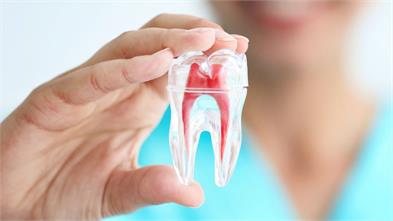
The critical importance of this process in implant treatment relates to ensuring long-term stability and functionality. Every implant placed in the mouth faces chewing forces. If the integration with the bone is weak, the implant struggles to remain stable, and damage to the surrounding tissue may occur over time. Under normal conditions, an implant that takes on the function of a tooth root can adequately transfer these chewing forces only through osseointegration, preventing breakage, loosening, or pain.
This process mentioned involves the integration of the implant with the bone, ensuring that the body does not perceive that area as “foreign” and even promotes new bone formation around the implant over time. Thus, the implant anchors to the jawbone just like our own tooth roots. If this integration is flawless, the resulting structure can be used without issues for many years. The critical importance arises precisely at this point: in cases where integration does not occur, the implant can shift at the slightest trauma or due to natural wear over time, much like a time bomb. Therefore, when it comes to dental implants, the “real key” is always osseointegration.
On the other hand, osseointegration is not only used in dentistry but also in many areas from orthopedics to ENT (ear, nose, throat) practices. However, especially in dental implantology, it is considered the only and most permanent solution for replacing missing teeth. The reason why this treatment, which directly affects quality of life, is fundamental is its critical effect on chewing food, speaking, aesthetic appearance, and psychological state. As a result, for a healthy and long-lasting implant, the successful completion of the osseointegration process is a prerequisite.
How Has Osseointegration Changed Modern Dental Implantology?
Before the concept of osseointegration was discovered, implant attempts did not yield successful results. This was because the relationship between the bone and the implant was not fully understood. The materials developed often were not accepted by the body and instead formed fibrotic tissue around them, leading to the loosening and eventual loss of the implant. Therefore, in the past, implant treatments were considered more experimental and included serious concerns.
Modern dental implantology has essentially been reshaped alongside the concept of osseointegration and the techniques developed around it. Specifically, the observation by Swedish researcher Per-Ingvar Brånemark in the 1950s that titanium could directly integrate with bone tissue opened up Pandora’s box. This discovery paved the way for the production of implants with stable and high success rates in the long term. Nowadays, when discussing the success of an implant, the first question arises: “Is there osseointegration or not?” This approach has ensured that implants are viewed not just through the lens of being “screwed in” but as a comprehensive biological process.
This transformation has made a significant difference in patients’ daily lives. Previously used removable dentures to replace missing teeth often faced complaints related to inadequate retention, impacts, and pain. However, thanks to osseointegration, which allows implants to bond with the jawbone, it has become possible to have stable and natural-looking teeth. Consequently, dental implantology has evolved into a more confident treatment area that addresses patients’ aesthetic and functional needs.
Another innovation brought about by this revolutionary change was the establishment of standards in the field of implantology. With the understanding of the importance of osseointegration, both surgical techniques and material development processes gained significant momentum. The success rates of implant placements in clinical applications reaching nearly 90% result from systematic research and development efforts established on this biological foundation. The presence of dental implants that patients can confidently use for many years highlights the key role of this change facilitated by osseointegration.
Who Discovered Osseointegration and What is Its Role in Development?
When osseointegration is mentioned, the name that undoubtedly comes to mind is Per-Ingvar Brånemark. He is a Swedish orthopedic surgeon and scientist who made an unexpected discovery during his research on bone healing in the 1950s. In one of his experiments, he observed that the titanium microcameras he placed in the bone tissue could not be separated from the bone. Initially thinking it was a mistake, Brånemark realized upon further investigation that titanium engages in a very tight integration with bone tissue. This understanding was quite surprising for that period because the idea that metal implants could bond so well with bone was not prevalent.
Brånemark’s discovery did not remain merely a curiosity; it led to extensive experimental and clinical studies over many years. Based on titanium’s neutral reaction to body tissue and its bone-friendly properties, he tested titanium implants first in animal experiments and later in voluntary human studies. At that stage, he faced significant skepticism and hesitations from some sections of his colleagues and the medical community. Nevertheless, the positive results he achieved and the long-term follow-ups proved that this method was indeed effective.
Another significance of Brånemark’s work was his success in translating the discovery into practical applications. In other words, osseointegration did not remain just a laboratory term; it became applicable in dental practices. While high failure rates were common with classical methods, it was demonstrated that implants using the system he developed and defined with the term “osseointegration” were healthy and had long lifespans. Over time, this approach was adapted to other materials and different medical fields. However, today when dental practices are mentioned, Brånemark’s name is always associated with the concept of “osseointegration.” Therefore, it is entirely appropriate to refer to him as the “father of osseointegration.”
During the development process, engineers, materials scientists, and dentists played a significant role alongside Brånemark. It was not enough to simply say, ‘bone integrates with titanium’; implant designs, surgical protocols, and sterilization methods were also of great importance to use this integration in the most effective clinical way. Today, many of the ‘smart’ designs we see in implantology are based on making the principle of osseointegration more efficient. Leading this holistic approach, Brånemark has positively influenced the lives of millions of people with the concept he introduced to the scientific community.
What Biological Processes Ensure Osseointegration Between Bone and Implant?
Osseointegration represents more than a simple definition such as ‘the bone healed and the implant was stabilized there.’ This process is a perfect synergy of the body’s healing and tissue remodeling cycles. It fundamentally begins with the bone perceiving the implant surface as ‘part of itself’ and responding accordingly.
In the initial phase, as soon as the implant is placed, an inflammation and healing process begins within the tissue. Mesenchymal stem cells located within and around the bone are directed towards the implant site and transform into bone cells known as osteoblasts. Osteoblasts begin to produce new bone matrix (osteoid), similar to how a construction worker stacks bricks. This fresh structure, known as ‘osteoid’, mineralizes and hardens over time, transforming into a ‘woven’ type of bone tissue. This is referred to as ‘woven bone’, which, although relatively weak at first, provides a good foundation.
In the subsequent stages of healing, on one hand, cells called osteoclasts intervene to remove defective or excess bone tissue, while on the other hand, osteoblasts fill the area with more organized and healthy “lamellar bone.” At this stage, the density and durability of the bone increase. This can be likened to the process where fine plaster comes into play after the coarse plaster in construction. As a result, the bone tissue around the implant gradually matures, ensuring long-term integration.
Among the key factors that guide this biological process are blood circulation, growth factors (such as BMPs), cytokines, and communication mechanisms between cells. Blood flow not only carries essential nutrients and oxygen to the area but also brings healing cells. Growth factors stimulate cell proliferation and differentiation, while cytokines coordinate the stages of healing. If adverse conditions such as excessive stress, infection, or malnutrition occur at any of these stages, the integration between the bone and implant may be disrupted.
What Are the Most Effective Materials to Promote Osseointegration?
The implant material is one of the most important factors determining the fate of osseointegration. Over the years, research has evaluated many alternatives, from metals to ceramics, and even composite materials. However, it has been observed that the most successful results have been obtained from titanium and certain titanium alloys at this point. The reason for this is that titanium has a body-compatible structure, the risk of allergic reactions is very low, and the naturally formed titanium oxide layer on its surface provides an ideal environment for bone cells to adhere.
Titanium and its popular alloy Ti-6Al-4V is considered the “gold standard” in dentistry. Due to their high mechanical strength and corrosion resistance, they remain stable in the long term. Additionally, the elastic modulus of these materials (ability to bend) is close to the bone’s bending capability, which prevents excessive stress accumulation around the implant. Furthermore, ceramic materials like zirconia have attracted attention in recent years due to their aesthetic advantages. For patients concerned about metallic discoloration reflected from the gums, zirconia could be a solution, especially in the anterior tooth area. However, unless the surface properties of zirconia are appropriately arranged, its osseointegration success can be lower compared to titanium in some cases.
In addition, various surface coating and processing methods are currently being used to promote osseointegration. For example, applying hydroxyapatite or biologically active proteins (such as BMP) to the implant surface ensures that bone cells attach more quickly. These coatings prepare a surface that sends a message to bone cells: “Settle here, I’m your friend.” Surface processing methods such as plasma spraying, acid etching, and sandblasting also increase the porosity of the implant, thereby expanding the contact area, allowing bone cells to establish a faster and stronger bond.
How Does Titanium Contribute to Successful Osseointegration in Dental Implants?
When examining the fundamental reasons for titanium’s popularity in the field of dentistry, several distinct advantages emerge. First, titanium is an extremely biocompatible metal. The body’s defense mechanisms do not perceive titanium as a “threat,” which minimizes the risk of inflammation or tissue destruction around the implant. In contrast, as the healing cells of the bone align with the implant surface, they begin to adopt this surface as if it were their own bone.
Secondly, when titanium comes into contact with oxygen, a natural titanium oxide layer forms on its surface. This layer provides excellent protection against corrosion and also creates a wonderful surface for bone cells. Since other metals do not have such effective “oxidation” protection, issues such as corrosion and metal ion release can sometimes occur. Thanks to the stable structure of the titanium oxide layer, the implant maintains a problem-free relationship with the tissue for many years.
The third important point is the mechanical properties of titanium. A dental implant has to withstand the chewing forces in our mouth. The direction and intensity of these forces can sometimes be quite variable. Titanium, while being sufficiently hard, also demonstrates flexibility. This flexibility allows for a more even distribution of the forces applied to the jaw bone. If the implant were significantly harder compared to the bone, excessive stress could build up in certain areas of the bone, potentially leading to negative outcomes such as bone loss or implant loosening. Titanium significantly minimizes this issue.
Fourthly, it can be shown that titanium is suitable for surface processing. For instance, processes such as sandblasting or acid cleaning make the surface of titanium more appealing to osteoblast cells. Creating micro-voids and pores that cells can adhere to can be likened to aerating the soil to plant seeds. As a result, osseointegration becomes faster and more stable.
What Factors Affect the Success or Failure of Osseointegration?
Although osseointegration is considered the primary success criterion of implant therapy, many factors can influence whether this process goes smoothly or encounters setbacks. The strength of the connection the implant establishes with the jawbone varies across a wide spectrum from environmental conditions to the overall health of the patient.
- Implant Design and Surface Properties: The shape, diameter, surface roughness, or coating of the implant directly affects the quality of osseointegration. For example, micro-roughness provides a favorable environment for osteoblast adhesion, while adhesion may be limited on a very smooth surface.
- Surgical Technique: Trauma or thermal damage applied to the bone during the placement of the implant can negatively affect the healing process. Surgeries performed at appropriate speeds and under cooling ensure the survival of bone cells and support early-stage osseointegration.
- Micro Movement (Micromobility): During the osseointegration process, the stability of the implant within the jawbone (primary stability) is very important. If excessive forces are applied to the implant in the early stages or if the patient’s chewing movements continuously shake the implant, soft tissue may form instead of bone, leading to integration failure.
- Infection and Peri-implantitis: Oral hygiene directly affects the bacterial population. Bacterial plaque accumulation around the implant can lead to infection and bone loss. Therefore, the risk of peri-implantitis is one of the biggest enemies of osseointegration.
- Patient Health and Systemic Factors: Factors such as diabetes, osteoporosis, connective tissue disorders, or smoking can diminish the body’s healing capacity and disrupt osseointegration. For example, in uncontrolled diabetic patients, vascular and cellular functions are impaired, increasing the risk of implant failure.
- Bone Quality and Quantity: If there is insufficient bone volume and density in the area where the implant is placed, the success rate decreases. In areas where bone density is low, especially in the upper jaw (e.g., posterior regions), osseointegration may occur longer or be more challenging.
- Teeth grinding or bruxism: Excessive chewing and grinding forces can put excessive stress on the bone surrounding the implant, jeopardizing integration. In such cases, it may be necessary to take additional precautions or choose appropriate implant designs.
What are the Surgical Techniques that Optimize Osseointegration?
Surgical techniques play a fundamental role in the success of osseointegration. The ease with which an implant finds its “nest” in the jawbone and establishes perfect integration with the bone is dependent on the quality of the procedure performed. Implant surgery, which is a field with a low margin of error, is becoming increasingly safe and predictable thanks to technological tools today.
- Good Planning and Guided Surgery: Nowadays, three-dimensional (3D) tomography allows the surgeon to analyze the bone structure in the area where the implant will be placed in great detail. With digital planning software, it is possible to position the implant at the most accurate angle and depth. During this planning, special surgical guides (guide) are prepared, minimizing deviation during surgery. As a result, since unnecessary trauma is not applied to the bone tissue, the osseointegration process progresses more smoothly.
- Atraumatic Surgical Principles: When placing the implant, excessive heating or crushing of the bone tissue should be avoided. Therefore, during surgery, cooling is done with plenty of saline, and low-speed adjustable drills are used when the implant cavity is opened. If the bone temperature rises above 47°C, cellular death may begin. Careful cooling and slow drill speed significantly reduce this risk.
- Two-Stage Surgery: In some cases, after the implant is placed, the gum is closed and bone integration with the implant is awaited for a few months. This method is called the “two-stage” approach. During this process, the implant is securely integrated with the bone tissue without being exposed to chewing forces or gum factors. Then, in the second stage, the gum is opened, and the upper structures are placed. This protocol particularly supports osseointegration in situations where bone quality is poor or additional surgical interventions are necessary.
- Immediate Loading: In some suitable cases, it may be possible to place a temporary prosthesis immediately when the implant is inserted. The advantage of this method is that it increases patient comfort and shortens the period without teeth. However, for immediate loading, the primary stability of the implant must be at a sufficient level. Otherwise, excessive movement can lead to the implant being covered by soft tissue instead of bone.
- Bone Grafting and Sinus Lifting: In regions with insufficient bone volume, additional procedures are applied to ensure osseointegration. For example, by adding a bone graft, a foundation is provided for healthy bone formation around the implant. In cases where the sinus cavity is high in the upper jaw, sinus lifting surgery can be performed to increase bone height. These procedures ensure that the implant placed afterwards is anchored in healthier bone tissue and strengthen osseointegration.
How Does Patient Health Affect the Osseointegration Process?
Osseointegration, while appearing largely as a local event, is actually a reflection of the overall health status. Every tissue in the body is influenced by systemic factors, and bone tissue is no exception. Maintaining a good overall health profile for the patient significantly enhances the success rate of the implant.
- Diabetes: In patients with impaired blood sugar control, the wound healing process typically slows down. High sugar levels can negatively affect microcirculation and impair the function of immune cells. Therefore, osseointegration in diabetic patients may take longer and increases the risk of infection.
- Osteoporosis: The decrease in bone mineral density can eliminate the necessary solid foundation for the implant’s attachment to the bone. Osteoporosis, which is often seen in older women, must be taken into account when planning implant surgery. However, it is not a rule that every patient with osteoporosis will have implant failure; with the right measures and supportive treatments, sufficient osseointegration can be achieved.
- Smoking: Nicotine constricts blood vessels, restricting blood flow that carries oxygen and nutrients to the area. Additionally, many toxic substances in cigarettes slow down the renewal of bone cells. The rates of peri-implantitis and bone loss are higher in smokers. However, when smoking is stopped, the success of osseointegration significantly increases.
- Immune System and Autoimmune Diseases: The immune system plays an important role in the tissue renewal around the implant. If a patient is using immunosuppressive medications or has an autoimmune disease such as rheumatoid arthritis, the healing process may be prolonged and the risk of complications increases.
- Oral Hygiene: Although there is no direct connection to systemic health, neglecting daily oral care can lead to the accumulation of bacterial plaque. Since this increases the risk of local infection, it can disrupt the osseointegration process.
- Nutrition Status and Vitamin D Deficiency: Adequate intake of calcium, phosphorus, and protein is essential for bone health. Similarly, Vitamin D deficiency can negatively affect calcium absorption, potentially reducing bone density. This condition can decrease the rate of bone formation around the implant and delay healing.
What Developments Enhance Osseointegration in Modern Implant Therapy?
Today, implant therapy is enriched with rapidly developing technological and scientific innovations. The efforts made to achieve quicker and higher quality osseointegration are one of the most significant driving forces shaping the future of implantology.
- Surface Engineering and Nanotechnology
In order to go beyond traditional methods that increase the porosity of the implant surface, nano-scale surface modifications are gaining significant attention. Thanks to nano-grooves, nano-tubes, or nanoparticle coatings, osteoblast cells adhere better to the implant surface. This is roughly similar to making the field more suitable for planting seeds. Additionally, coatings developed with nanotechnology help the implant surface attract bone cells like a “magnet”.
- Biological Agents and Growth Factors
To accelerate osseointegration, growth factors (e.g., BMP-2) can be applied to the implant surface or surrounding tissues. These factors trigger the division and differentiation of bone cells, shortening the healing process. Additionally, a more natural healing environment can be created by using growth factors obtained from the patient’s own blood through methods like Platelet Rich Plasma (PRP).
- Antibacterial and Antimicrobial Coatings
Infection is one of the biggest enemies of osseointegration. In recent years, coatings containing gum or copper have been developed to prevent bacterial formation and proliferation. Additionally, some implant surfaces have micro or nano patterns that enhance the survival of bacteria on them. This reduces the risk of peri-implantitis.
- 3D Printing and Custom Implant Designs
The advancement of digital technologies allows for the preparation of patient-specific implants or surgical guides by scanning the jawbone. Thus, the implant is designed to fit perfectly with the anatomy and density of the bone. This compatibility reduces trauma during surgery and accelerates integration. In some special cases, successful results can be obtained with patient-specific implants without the need for additional bone grafts.
- Regenerative Medicine Approaches
Bone tissue engineering techniques promote regeneration by adding biomaterials containing stem cells and growth factors to areas of damaged or insufficient bone. With these methods, the bone volume necessary for osseointegration can be created in a quicker and more natural way.
- Laser and Piezo Surgical Technologies
Next-generation surgical devices assist in opening the implant socket with less trauma to the bone tissue. Cutting the bone with ultrasonic waves (piezo surgery) provides a cleaner surgical field by causing minimal damage to the soft tissues. In laser-assisted surgery, similarly, precise cuts are made in the tissue and bleeding control is achieved. These technologies allow for faster healing post-surgery, enabling stronger osseointegration.