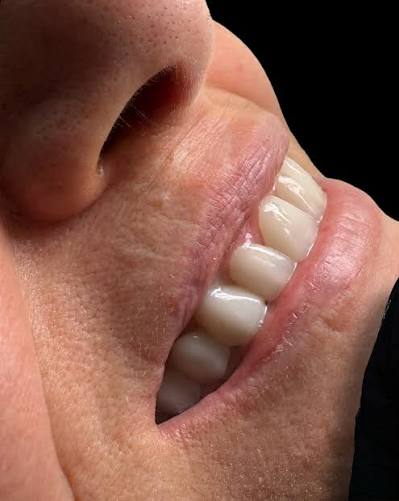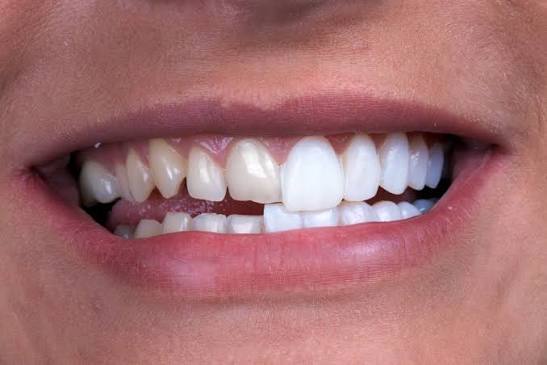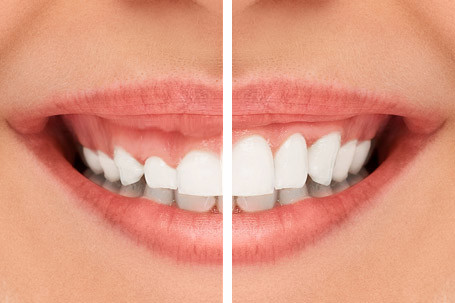

Crossbite teeth, medically referred to as “malocclusion” or “misalignment of teeth”, is a condition where teeth are not aligned correctly in the jaw, leading to the upper and lower jaws not closing uniformly. In short, this condition arises when the teeth are not properly aligned in the dental arch and the upper and lower jaw do not fit together correctly. Symptoms of this disorder include the upper front teeth overlapping, gaps between teeth, the lower or upper jaw being positioned forward or backward, and difficulties in chewing. Treatment for crossbite teeth is usually performed using orthodontic methods (such as braces, clear aligners); in some cases, surgical intervention may also be necessary to correct the jaw structure.
| Causes | – Genetic Factors: Inherited jaw structure or incompatibility in tooth size | – Infant and Childhood Habits: Thumb sucking, prolonged use of pacifiers or bottles | – Early Tooth Loss: Loss of baby teeth leads to irregular emergence of permanent teeth | – Jaw Development Problems: Imbalanced growth of the upper or lower jaw | – Teeth Being Too Large or Small: Inconsistent dental structure relative to jaw size |
| Symptoms | – Upper teeth overlapping or misaligned | – Bite issues (misalignment of upper and lower teeth) | – Chewing and speaking difficulties | – Aesthetic concerns | – Pain and clicking in the jaw joint (TMJ disorder) |
| Treatment Methods | – Orthodontic Treatment (Braces): Correction of teeth using metal, clear, or lingual brackets | – Clear Aligners (Invisalign): Removable clear devices used for mild misalignments | – Jaw Surgery (Orthognathic Surgery): Applied for advanced bite problems | – Tooth Extraction: May be performed to create space in cases of severe crowding | |
| Treatment Duration | – In mild cases 6 months – 1 year | – In moderate to severe cases 1.5 – 3 years | – In cases requiring surgery, treatment duration may be longer | ||
| Crooked Teeth and Their Consequences | – Tooth Decay and Gum Diseases: It leads to plaque accumulation because it forces cleaning. | – Chewing Problems: Irregular tooth structure can prevent the proper grinding of food. | – Jaw Joint Problems: Misalignment can cause jaw pain and joint discomfort. | – Lack of Confidence: There may be social effects due to aesthetic concerns. | |
| Prevention Methods | – Avoid prolonged use of pacifiers and bottles during infancy | – Prevent thumb-sucking and nail-biting habits during childhood | – Use space maintainers when baby teeth are lost early | – Maintain a healthy dental structure with regular brushing and dental check-ups |
What are Crooked Teeth and How Do They Develop?
The alignment of our teeth is not only important from an aesthetic perspective but also crucial for chewing function and overall oral health. The condition we refer to as “crooked teeth” stems from the teeth not being in their ideal positions on the jawbone. Crookedness can sometimes be merely a slight misalignment but can also lead to serious bite issues (for example, the lower jaw being positioned too far back or too far forward compared to the upper jaw).
One of the most common factors in the development of this disorder is genetic inheritance. When the family’s dental and jaw structure is passed down to the child, there may be issues with large teeth fitting into a small jaw or, conversely, small teeth can leave gaps when arranged in a large jaw. However, genetics alone is not determinative; environmental and behavioral factors can also contribute to this condition. For instance, prolonged use of pacifiers or bottles during childhood, thumb-sucking habits, and mouth breathing can cause teeth to deviate from their proper positions.
The structure of the palate plays an important role in the formation of crooked teeth. During childhood and adolescence, the bone structure is still in a developmental stage; during this time, incorrect pressures applied to the teeth or functional disorders (such as the pushing of teeth by the tongue during swallowing, known as tongue thrusting) can gradually misalign the teeth. Balanced nutrition and chewing exercises with hard foods are also important for sufficient bone development. Children who do not consume enough hard food or are fed with liquids and soft foods for a long time may not fully develop their jawbone. Thus, the condition we refer to as “narrow palate” comes into play, and the teeth begin to crowd into a narrower space.
What Are the Common Causes of Crooked Teeth?
While trying to answer the “why” question of crooked teeth, it is possible to see that multiple factors interact simultaneously. Below are the main contributors to this issue:
- Genetic Factors: The jaw shape, jaw size, and tooth size inherited from family are among the most important factors. Individuals with a smaller jaw find it difficult for all teeth to fit properly, leading to overcrowding. In wider jaws, gaps can form between the teeth.
- Childhood Habits: Long-term habits such as thumb sucking, use of pacifiers or bottles, tongue thrusting, or lip sucking can apply constant pressure to the teeth inside the mouth, causing them to gradually shift into incorrect positions.
- Poor Nutrition and Tooth Development: Being fed with soft, low-weight foods lacking in vitamins and minerals during childhood hinders the strong development of jawbones. When harder foods are chewed, the jaw muscles and bones are activated, which is essential for proper widening and alignment.
- Early Tooth Loss: Gaps created by the early shedding of permanent teeth due to rapid decay or trauma can lead to neighboring teeth shifting into these spaces. This may leave insufficient room for the upcoming permanent tooth and could cause misalignment.
- Mouth Breathing: For individuals who breathe continuously through their mouths due to reasons like nasal congestion or enlarged adenoids, the balance of force applied by the tongue and cheek muscles on the jaw changes. This can lead to a narrowing of the jaw over time and cause teeth to become crowded.
- Bad Habits and Trauma: Habits such as lip biting, nail biting, or teeth grinding (bruxism); as well as traumatic events like sports injuries or impacts, can also affect the alignment of teeth.
How Do Crooked Teeth Affect Oral Health and Overall Well-Being?
Crooked teeth are not just an aesthetic issue. Since oral health is closely related to our overall body health, misalignments in teeth can trigger various problems in the long run:
- Difficulties in Oral Hygiene: When teeth are overlapping or crowded, there are areas that toothbrushes and dental floss cannot reach. Bacteria plaque and food residues accumulate in these areas, leading to decay, gum inflammation (gingivitis), and eventually problems like periodontitis. When there are excessive gaps between teeth, different cleaning challenges and aesthetic concerns arise.
- Disruption of Chewing Function: Crooked teeth can prevent the upper and lower teeth from properly contacting each other during chewing. This can especially make it difficult to chew hard or fibrous foods, complicating the digestive process. Poorly chewed food adds extra burden to the digestive system.
- Tooth Wear and Sensitivity: Due to incorrect contact points, some teeth may endure more pressure than normal. This can lead to excessive wear, cracking, or breaking of those teeth. Additionally, as tooth enamel weakens, sensitivity to hot and cold can increase, negatively impacting an individual’s dietary comfort.
- Gum Diseases: Misaligned teeth also apply abnormal pressure to the gums. This pressure can lead to gum recession, inflammation, and can pave the way for serious periodontal diseases that may result in tooth loss over time.
- Negative Effects on Overall Health: Harmful bacteria accumulating in the mouth can harm different parts of the body through the bloodstream, not just the teeth or gums. Periodontal diseases have been linked to various systemic issues, especially cardiovascular problems. Additionally, individuals with misaligned teeth who cannot chew properly may experience nutritional deficiencies.
- Psychological Effects: Smiling is directly linked to self-confidence. Individuals who are unhappy with their oral and dental appearance due to misaligned teeth may avoid smiling in social settings or even cover their mouths with their hands while speaking. This can lead to a lack of confidence, social anxiety, and various psychological issues.
What Are the Indicators and Symptoms of Misaligned Teeth?
While misaligned teeth can sometimes be noticeable at first glance, especially in mild cases, a person may not realize the situation for a long time. Below are the most common indicators and symptoms of misaligned teeth:
- Overlapping of Teeth or Rotated Appearance: The misalignment of front teeth is an aesthetically striking finding. One tooth protruding while another stays behind or one tooth being rotated are among the most frequently observed changes in appearance.
- Spacing Issues: Some individuals may have noticeable gaps between their teeth. Particularly, the spaces between the front teeth (diastema) can significantly affect their smile.
- Teeth Crowd: In some cases where teeth are too large to fit in the jaw, they overlap each other. This can easily be observed as it forces the use of a toothbrush and dental floss.
- Crossbite or Misaligned Bite Sensation: When biting, if the upper and lower teeth do not fit together as they should, it is referred to as a “malocclusion.” This may be felt as one side making contact first or the front teeth being left behind.
- Speech Issues: The arrangement of teeth also affects how the tongue will move in the mouth. For example, difficulty in pronouncing sounds like “s” or “th,” mild slurring, or similar wet sounds could be related to misalignment of the teeth.
- Excess Plaque and Tartar Formation: Tight spaces that a toothbrush cannot reach facilitate plaque accumulation. Over time, these plaques harden, turn into tartar, and set the stage for gum problems.
- Gum Inflammation or Sensitivity: Crooked teeth can sometimes apply pressure to the gums. In this case, redness, swelling, and pain when touched can be observed in the gums.
Can Crooked Teeth Cause Jaw Disorders or Lead to Chronic Pain?
Disorders in teeth alignment can create unexpected loads on the jaw joint (Temporomandibular joint, TME) and the surrounding muscles. Over time, this can lead to chronic pain and impairments in jaw function.
- Pressure on the Jaw Joint (TME)
When the lower and upper jaws are misaligned, joints and muscles can be forced into unnatural positions during chewing and biting. For example, if the lower jaw closes too far forward or backward compared to where it should normally close, it can lead to slipping or wearing of the joint disc. This may manifest as symptoms such as clicking sounds in the jaw, severe pain, and locking.
- Chronic Muscle Tension
Misalignment during closing causes the chewing muscles to work ineffectively. When muscles carry uneven loads for an extended period, they may start sending pain signals. This discomfort can manifest not just in the jaw but also as tension that spreads to the head, neck, and even shoulder areas.
- Triggered Head and Neck Pain
Tension in the chewing muscles can lead to migraine-like headaches. The risk is increased for those who have a habit of grinding or clenching their teeth at night. When teeth are misaligned, the lower jaw may be unable to find its correct position, triggering teeth grinding behavior.
- Jaw Locking or Restricted Movement
In severe cases, jaw locking (difficulty in opening and closing the jaw) can occur. This condition negatively affects eating, speaking, and social life. The disc inside the joint may shift under excessive pressure or become inflamed, restricting movement.
- Posture and Respiratory Effects
Jaw alignment issues can sometimes negatively affect spinal posture. Additionally, a narrowed upper jaw or a lower jaw positioned backward can constrict the airway to some extent and contribute to decreased sleep quality and snoring.
How Do Misaligned Teeth Affect Chewing and Digestion?
The act of eating begins with the food being broken down by the teeth and mixed in the mouth with saliva. The more orderly this initial step is carried out, the easier the remaining processes in the digestive system become. Misaligned teeth can adversely affect this process:
- Difficulty in Proper Chewing
The misalignment of the teeth can lead to some areas being subjected to excessive pressure while others receive none during the contact between the upper and lower teeth. For instance, when the molars on the cheek side do not align perfectly, fibrous foods like meat and vegetables cannot be sufficiently broken down. Foods swallowed in large pieces can make digestion in the stomach and intestines difficult.
- The Role of Chewing
As the teeth in the mouth break down food, digestive enzymes involved in chewing come into play. If misaligned teeth shorten the chewing duration or mechanically impair it, the food doesn’t have adequate contact with saliva. This restricts the pre-digestion of carbohydrates and other nutrients.
- Additional Burden on the Digestive System
Poorly crushed foods can linger longer in the stomach, causing discomforts like indigestion, bloating, or acid reflux. The digestive system, which constantly has to digest large pieces in this way, may become more prone to conditions such as gastritis or irritable bowel syndrome (IBS) over time.
- Changes in Food Choices
Some individuals with misaligned teeth tend to avoid foods that require strong chewing (such as raw vegetables, fruit peels, and hard breads). This avoidance may lead to deficiencies in their diet and negatively impact both the digestive system and overall health in the long term.
- Tooth Wear and Other Issues
Poor occlusion can cause some teeth to make contact too early over time, leading to excessive wear and further impairing the chewing function. Worn teeth become sensitive to cold, heat, and sweetness, which greatly diminishes eating and drinking comfort.
What are the Long-Term Risks of Untreated Misaligned Teeth?
Misaligned teeth do not self-correct over time; on the contrary, they may become more complex as one ages. The main risks that can arise when left untreated include the following:
- Effects of Malocclusion and Closing Disorders
Crooked teeth disrupt the balance of forces in the mouth. Incorrect pressures can cause other teeth to shift over time, worsening the problem. For example, a slightly crooked tooth, if left untreated, can affect adjacent teeth, leading to more pronounced alignment issues.
- Tooth Loss and Periodontal Diseases
In teeth that are very close together or stacked on top of each other, bacteria proliferate in areas that cannot be cleaned. This increases the risk of tooth decay, gum recession, gingivitis, and periodontitis. Advanced periodontal disease can lead to the loss of supporting tissue and even tooth loss.
- Jaw Joint Problems
Untreated malocclusions increase the uneven load on the jaw joint over the long term. As a result, chronic jaw pain, clicking sounds, and even TMJ disorders that can lead to jaw locking may arise. The quality of daily life and dietary comfort is significantly affected by this situation.
- Severe Wear and Fractures
Some teeth are subjected to excessive contact and wear down more quickly. Weakened teeth may develop micro-cracks, which can gradually grow, leading to tooth fractures. Repairing fractured teeth may sometimes require additional procedures such as root canal treatment and crowns, which can be costly and inconvenient.
- Digestive Problems
As mentioned above, if chewing is not sufficiently effective, the burden on the digestive system increases. In the long term, issues such as indigestion, reflux, bloating, and irregular bowel patterns may occur.
- Psychological and Social Effects
The increasingly obvious misalignment of teeth over time can undermine a person’s self-confidence. Particularly during adolescence and early adulthood, the deterioration of dental aesthetics can trigger social anxieties and communication issues. If left untreated, this situation can bring various symptoms of depression and anxiety.
- Sleep Problems and Respiratory Disorders
The position of the jaw and the alignment of the teeth also play a role in the airway opening. In some individuals with severe malocclusion, issues such as snoring and sleep apnea may become more frequent. Disruptions in sleep patterns can lead to a chain of problems affecting the cardiovascular system, mental performance, and hormone balance.
What Are the Most Effective Treatment Options for Crooked Teeth?
Thanks to advancing technology and innovations in dentistry, there are many effective methods to straighten crooked teeth. The choice of treatment varies according to the person’s age, the degree of the misalignment, the structure of the jaw, and the desired outcome. Here are the most common treatment options:
- Traditional Metal Brackets (Braces)
Metal brackets are a method that has been used for many years and is effective even in correcting severe alignment issues. Controlled force is applied to the teeth by brackets fixed on them and wires connecting these brackets, gradually bringing the teeth into the correct position. This treatment generally lasts between 1-3 years and, thanks to developed materials, is now less uncomfortable than before.
- Ceramic or Porcelain Brackets
They work on the same principle as traditional brackets, but since the material is closer to the color of the teeth, they are less noticeable. Preferred by individuals with aesthetic concerns who dislike the metal appearance.
- Lingual Brackets
Brackets placed on the back surface of the teeth, instead of the front, are nearly invisible from the outside. This is particularly an option for adults with high aesthetic concerns. It requires a bit more care regarding comfort in usage and cleaning habits.
- Clear Aligners (Invisalign, etc.)
Clear aligners are custom-made for each individual, allowing for the adjustment of teeth with removable plaque devices. The aligners are typically replaced with new ones every 1-2 weeks, and each new aligner shifts the teeth slightly more. They are especially suitable for mild to moderate misalignments. The aligners must be worn for at least 20-22 hours a day, making patient compliance very important.
- Retainers
After active treatment (brackets or clear aligners) is completed, retainers are used to maintain the new positions of the teeth. They can be in fixed or removable forms. They can also be used to correct very slight misalignments alone, but are generally not sufficient for more significant issues.
- Palatal Expanders
This appliance is used when the upper jaw is narrow during childhood and adolescence and gradually expands the palate. This creates more space for the teeth and helps to correct the misalignment. After adolescence, as the bone sutures fuse, this method is generally not applied in adults or is done in conjunction with surgical support.
- Orthognathic Surgery (Jaw Surgery)
If misalignment stems from the skeletal positions of the jaws, surgical intervention may sometimes be required. Orthognathic surgery corrects the position of the jaw forwards-backwards or upwards-downwards, followed by orthodontic treatment to align the teeth. This is preferred in severe and complex cases.
- Aesthetic Procedures (Veneer, Bonding)
In cases where there is mild misalignment or where aesthetic concerns are primary, porcelain crowns (veneers) or composite resin shaping (bonding) can be applied to the tooth surface. These methods do not directly correct the position of the teeth but can create an illusion of a more uniform arrangement in terms of appearance.
When planning orthodontic treatment, the underlying issue is first identified. Is the problem related to the position of the teeth, the skeletal structure of the jaw, or both? The treatment strategy will be determined based on this analysis. Furthermore, with today’s technologies like digital scanning and 3D modeling, predicting the outcome has become easier.
How Do Traditional Braces and Invisalign Work?
The first methods that come to mind when talking about orthodontic treatment are traditional braces and clear aligners (such as Invisalign). Essentially, both methods aim to achieve the desired alignment by directing the teeth with controlled forces, but there are some differences in terms of application methods and patient experience.
Traditional Braces
- Structure: Metal or ceramic brackets are attached to each tooth with special adhesives. These brackets are connected to each other by a thin wire (archwire). Wires and small elastic bands play a role in adjusting the forces that push or pull the teeth in the correct direction.
- Mechanism of Action: A light and continuous pressure is applied to the teeth. This pressure causes remodeling in the bone tissue around the tooth root (bone resorption and reconstruction), thus allowing the tooth to move over time.
Advantages:
- It is effective in a wide range of cases, including severe alignment issues.
- It is under the control of the treatment team, eliminating the risk of the patient forgetting to wear the aligner.
Disadvantages:
- Its visibility is higher.
- Wires and brackets tend to accumulate food debris and plaque, thus requiring extra attention to oral hygiene.
Invisalign (Clear Aligners)
Structure: It consists of custom-prepared removable transparent aligners. The doctor takes a 3D scan of the teeth and plans the dental movement incrementally until the desired result is achieved. Aligners are produced approximately every 1-2 weeks based on this planning.
Mechanism of Action: Each aligner is designed for the teeth to move a certain amount toward a more orderly position. When the aligner is put on, a light force is applied to the teeth, causing them to gradually approach the new position.
Advantages:
- Since they can be removed, they provide comfort while eating and brushing teeth.
- Being transparent, they are nearly unnoticeable and are aesthetically advantageous.
Disadvantages:
- Patient compliance is very important; if they are not worn for an average of 20-22 hours a day, the desired result may not be achieved.
- They may be insufficient in cases of serious malocclusions or jaw disorders.
Can Retainers or Palate Expanders Correct Crooked Teeth?
“Retainers” are usually devices used after active orthodontic treatment to maintain the adjusted positions of the teeth. “Palate expanders” are special orthodontic appliances designed to expand the upper jaw (palate). These two methods serve different purposes and are generally not used alone to correct “especially advanced malocclusions.” However, they may be helpful in some mild or moderate cases.
Use of Retainers
- Purpose: To maintain the adjusted position of the teeth. At the end of orthodontic treatment, because the teeth have moved during the active treatment period, the bone and gum tissues are not yet fully stable. If the retainer is not worn, the teeth may tend to return to their old positions.
- Minor Adjustment Capacity: In some cases, they can be designed to slightly correct newly developed or very mild misalignments. However, comprehensive alignment is not expected.
- Types: Fixed retainers (fine wires bonded to the inner surface of the teeth) or removable clear aligners (worn at night or during specific hours).
Palatal Expanders
- Purpose: To create more space for teeth by widening the palate in cases where the upper jaw is narrow. During childhood and early adolescence, expansion is relatively easy because the bone suture in the middle of the upper jaw has not yet fused.
- Effect: Misalignments can be corrected through expansion, or potential future crowding can be prevented. However, this is often combined with other orthodontic treatments (such as braces or clear aligners).
- Adults’ Situation: Expanding the palate without surgical support in adulthood is often not possible. Desired results may not be achieved with simple appliances as the bone sutures fuse.
When is Orthognathic Surgery Recommended for Crooked Teeth?
Orthognathic surgery (also known as orthodontic surgery) is a treatment approach preferred in cases where the alignment problems in the teeth are severely affected by bone or jaw structure. Issues with just the teeth alignment usually do not warrant surgery; the main reason is significant incompatibility between the jaws.
Skeletal Issues
- Excessive protrusion or retraction of the upper jaw (maxillary prognathism or retrognathism),
- The lower jaw being significantly ahead or behind the upper jaw (mandibular prognathism or retrognathism),
- Excessive or insufficient jaw growth in the vertical direction (very long face or excessively short face),
- Conditions such as noticeable asymmetry in the jaw create a surgical indication.
Bite and Closing Disorders
- Severely open bite, crossbite, or closing disorders that are difficult to correct in the forward-backward direction can be included in surgical planning. Because if there are skeletal disorders in the jaw bones, similar to those in the pelvic, leg, or arm bones, merely moving the teeth with orthodontic appliances does not entirely solve this issue.
Breathing Problems and Sleep Apnea
- Disorders in the position of the lower or upper jaw can narrow the airway, triggering problems such as snoring and sleep apnea. Surgical intervention can reposition the jaw, open the airway, and improve quality of life.
Completion of Growth in Adult Patients
- For surgical intervention, it is generally necessary to wait until the growth period is completed, which is about 16-17 years for girls and 18 years and above for boys. Ongoing bone growth can affect the stability of the outcomes achieved through surgery.
Combined Treatment
- Orthognathic surgery is not a standalone solution. It is often planned alongside orthodontic treatment (brackets or clear aligners). Before the surgery, the teeth are aligned in a certain position; the jaw bones are placed in the correct position during the surgery, and orthodontic treatment continues afterwards to make the final adjustments.
Can Aesthetic Dentistry Solve Mildly Crooked Tooth Problems?
Aesthetic dentistry primarily involves practices focused on improving the appearance of smiles. In cases of slight misalignment or small gaps, it is possible to achieve a more harmonious smile by changing the shape and color of the teeth. However, these practices do not always eliminate the root cause of misalignment (the position of the teeth or structural issues in the jaw). Below are aesthetic methods used to correct slight misaligned teeth:
- Porcelain Laminate (Veneer)
These are thin porcelain layers applied to the front surface of the tooth. The color and shape are specially designed for the individual. Slight crookedness, differences in tooth length, and color irregularities can be camouflaged using this method. Very minimal sanding is done to the tooth surface before the procedure.
- Composite Bonding
Composite resin material in the color of the tooth is used to shape slightly crooked or spaced teeth. It is a faster and more economical solution compared to veneers, but the durability of the material may not last as long as porcelain. However, with proper care and regular check-ups, it can be used for many years.
- Minimal Orthodontic Touch + Aesthetic Applications
Sometimes, in cases of very slight misalignments, teeth can be somewhat corrected with a few months of clear aligner therapy, followed by final touches with aesthetic applications. This way, a functional and aesthetic result can be achieved while preserving a significant portion of the tooth with minimal interventions.
- Whitening
The position of the teeth does not change, but the color is improved, making the smile look healthier and more aesthetic. If slight misalignments do not draw much attention visually, the whitening procedure can enhance the person’s satisfaction.
Limits
- In cases of moderate to severe misalignments, aesthetic dentistry alone will not be sufficient.
- If the underlying orthodontic issue or jaw-related problem is overlooked, it can lead to long-term issues such as tooth fractures or gum recession.
- Aesthetic treatments provide a temporary and quick “visual correction” even if they don’t fundamentally change the condition of the teeth.
How Can Crooked Teeth Be Prevented in Children and Adults?
While it is not always possible to completely prevent crooked tooth formation, there are some measures that can be taken in both children and adults to help maintain dental and jaw health. The key points to pay attention to can be summarized as follows based on age group:
Prevention Methods in Children
- Early Dental Check-Up
It is recommended to visit the dentist when the child turns 1 year old or when the first tooth erupts. This way, dental development can be monitored from an early age. By the time they reach ages 6-7, orthodontic examination can help identify potential jaw narrowing, loss of primary teeth, or signs of malocclusion.
- Limiting Harmful Habits
Habits such as thumb sucking and prolonged use of pacifiers or bottles can push the upper jaw forward or cause the front teeth to protrude. It is essential to stop these habits around the age of 3-4 for proper alignment of teeth.
- Balanced Diet and Hard Foods
Consuming hard foods such as fruits and vegetables will exercise the child’s chewing muscles and support the natural development of the jaw. Limiting sugar and acidic drinks will prevent early loss of primary teeth.
- Proper Breathing Habits
Children experiencing prolonged nasal congestion or adenoids tend to breathe through their mouth. This can affect facial and jaw development. Parents who notice breathing difficulties should consult an ENT specialist.
- Preventing Tooth Loss
Removal of teeth due to prior decay or trauma can lead to irregular alignment of permanent teeth. Regular check-ups and preventive measures (such as fissure sealants, fluoride application, etc.) can help prevent early tooth loss.
Prevention Methods for Adults
- Regular Dental Check-ups
Adults should visit a dentist at least twice a year, and any minor misalignment or early-stage orthodontic issues should be identified and managed promptly.
- Restoration of Missing Teeth
When implants or bridge prosthetics are not placed where teeth have been extracted or lost, neighboring teeth can shift into that gap. Over time, this can lead to disruption in the overall dental alignment.
- Maintaining Oral and Dental Hygiene
Plaque buildup and periodontal diseases can affect the positioning of teeth. Habits such as brushing at least twice a day, using dental floss, and mouthwash can prevent gum recession and maintain tooth stability.
- Control of Teeth Grinding and Clenching (Bruxism)
Bruxism, caused by stress or incorrect jaw closure, can lead to tooth wear and misalignment. This habit can be managed using a night guard.
- Middle Age and Beyond
As one ages, slight positional changes in teeth may occur. Preventive orthodontic treatments during this period (e.g., fixed retainers) can help prevent misalignment.
While genetic factors cannot be completely controlled, it is possible to reduce the risk of crooked teeth by managing environmental and habitual factors. Careful observation and intervention from an early age play a key role in preventing comprehensive and costly treatments in later stages. For adults, regular dental check-ups and good oral hygiene habits can help maintain current positioning and correct minor misalignments with simple interventions if necessary.