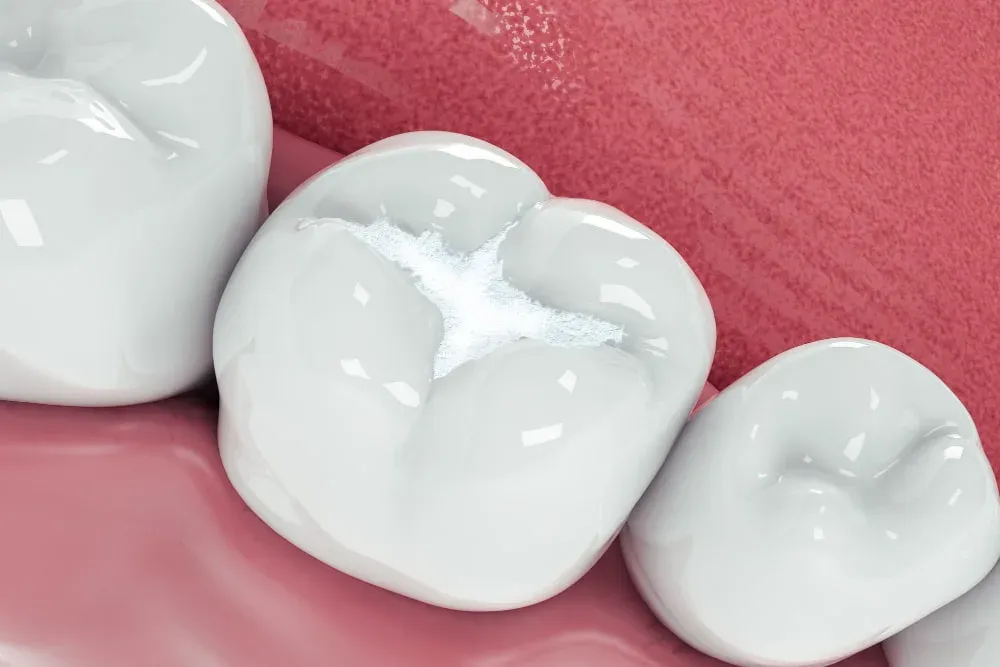
Our teeth can wear down or decay over time due to their role in breaking down hard foods in our daily lives. A dental filling means filling the damaged area caused by this wear or decay with a special filling material and restoring the tooth’s function. This way, the remaining healthy tissue of the tooth is preserved, chewing comfort is restored, and larger future problems can be prevented. The filling process is usually completed in a single session. The primary goal of the dentist is to clean the decayed or damaged area, followed by placing the appropriate material for the filling. Thus, oral and dental health is preserved for a longer time, allowing the patient to return to their daily activities painlessly and comfortably.
What is a Dental Filling and Why is it Applied?
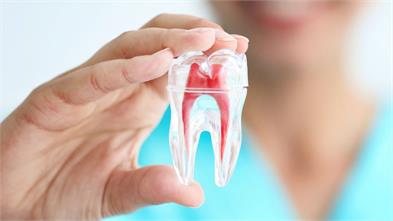
A dental filling is the process of cleaning the damaged part inside a decayed or broken tooth and filling it with an appropriate material, as the goal is to prevent the loss of the tooth’s function, relieve pain, and prevent the spread of decay. Decay is a process that starts in the tooth enamel and progresses to the dentin layer, eventually affecting the inside of the tooth. If this decay is not treated, more serious problems may arise that can lead to tooth loss. Breakages can occur due to reasons such as trauma, teeth grinding, or biting on excessively hard objects. In such a situation, a filling offers a restorative solution while preserving the structure of the tooth.
The primary goal of a filling in the treatment of tooth decay is to completely eliminate the damaged tissue created by bacteria and to fill the cavity with a compatible material. The longevity of the filling depends on the dentist’s technique, the quality of the material used, and the patient’s oral hygiene habits. Generally, detecting decay before it reaches a significant size makes treatment easier. An early-stage cavity identified during regular check-ups can be quickly repaired with a small filling.
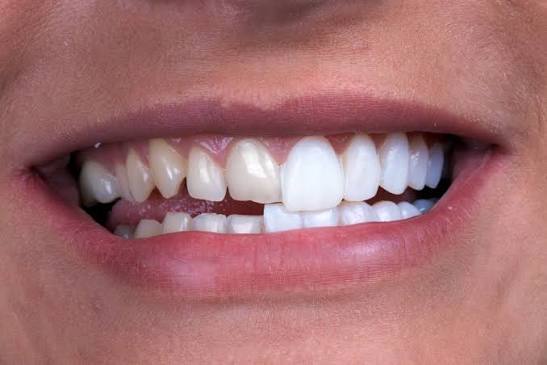
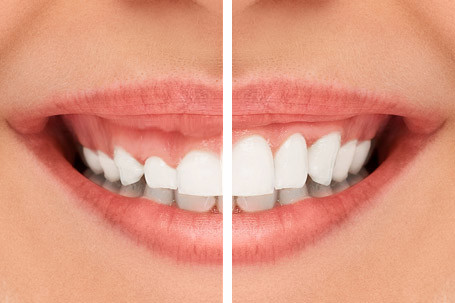
Fillings are not only applied due to cavities. Wear on the enamel, tooth fractures, small cracks, or aesthetic imperfections can also be corrected with fillings. Especially when small fractures in the front teeth are repaired with aesthetic composite fillings, they often go unnoticed from an external perspective. This way, the tooth improves both functionally and aesthetically.
Applying prosthetics to teeth that have been extracted due to decay is much more costly, labor-intensive, and time-consuming compared to filling treatment. Therefore, if decay or damage in teeth is caught early and repaired with a filling, both the integrity of the tooth is preserved and the patient avoids larger procedures. Tooth fillings are one of the essential treatments for maintaining oral health and, when combined with regular check-ups, significantly contribute to extending the natural lifespan of the tooth.
When is Tooth Filling Preferred?
Tooth filling is preferred to repair localized damage or decay in the tooth because it aims to preserve as much of the tooth structure as possible and provide a quick, effective treatment. Filling is an ideal option, especially if the depth of the decay has not progressed too far or does not cover a large area of the tooth. Sometimes, patients notice sensitivity to hot and cold, slight pain, or black-brown spots on their teeth. In such cases, if the decay is detected in its early stages, the issue can be resolved with a short filling procedure.
Tooth fractures, chips, or wear also require filling procedures. For example, when a small fracture occurs in a front tooth, this area can be restored to a close-to-original appearance with aesthetic composite fillings. Similarly, erosions causing enamel loss, abrasive wear due to hard brushing, or surface wear due to teeth grinding can also be covered with fillings.
Re-treatment with filling therapy is preferred for renewing old fillings. Over time, micro leaks, wear, or cracks may occur at the edges of the fillings. These conditions provide a basis for the development of new fractures. Therefore, during check-ups, the condition of old fillings is evaluated and renewed if necessary. Especially if there is a change in color at the edges of amalgam fillings or if there are initial signs of cracking, a new filling is planned for the patient.
Fillings can sometimes be applied as temporary or permanent restorations on the surface of a tooth that has undergone root canal treatment. In cases where the tooth does not suffer enough damage to require a crown after root canal treatment, a filling can be a sufficient repair option. This way, both time is saved and the tooth can remain healthy for a long time without straining the budget.
Filling therapy results in less tooth tissue loss compared to larger restorations, such as large onlays or crowns. What matters is how much healthy tissue remains in the tooth. If the salvaged area of a damaged tooth is very limited, more comprehensive restorative procedures should be considered instead of a filling. However, with early diagnosis and treatment, most fractures or minor damage can be resolved with a filling. This way, the tooth continues to remain in the mouth with its own root and enamel structure.
What Materials Are Used for Dental Fillings?
Different materials are used for dental fillings because each material has different properties such as durability, aesthetics, and area of use. The most commonly used ones are composite resin, amalgam, gold alloys, ceramic (porcelain), and glass ionomer-based fillings. Each has its own advantages and disadvantages.
- Composite fillings are primarily preferred by patients concerned about aesthetics due to their tooth-like color. They bond to the tooth surface with special adhesives and allow for the possibility of application without removing excessive healthy tissue. They are especially ideal for front teeth cavities and small to medium-sized back tooth restorations. On the other hand, the slight shrinkage of composite resins during curing can lead to edge leaks over time, especially when used in larger areas. The dentist’s proper technique of applying them in layers reduces this risk.
- Amalgam fillings are an alloy with a silver color and contain metals like mercury, silver, and copper. Their long-term use is well-known due to their durability and longevity. They may be preferred for large molars exposed to high chewing forces. Economically, they are generally more affordable than composites. However, they may not be desirable for patients with high aesthetic expectations due to their color. Additionally, since amalgam does not create a chemical bond with the tooth, sometimes healthy tissue may need to be removed to ensure the filling’s retention.
- Gold alloy fillings (applied in inlay-onlay form) are very durable and can remain problem-free for decades. They are highly biocompatible and do not corrode. However, their higher cost, lack of aesthetic appeal for most patients, and the requirement for a laboratory process mean they are not commonly used today. They may still be preferred by patients looking for long-lasting restorations who do not mind the appearance of gold.
- Ceramic or porcelain fillings, which can be produced in a color similar to teeth and are quite durable, are used in restorations. They are manufactured in laboratories or some CAD/CAM systems in clinics. Their fracture resistance is greater than that of composites. When applied with sufficient thickness, they can be used for many years. However, since their cost can be high and they are generally applied in two sessions, they may not be suitable for every patient; nevertheless, the aesthetic results are very successful.
- Glass ionomer fillings are known for their fluoride release. Because of this feature, they are frequently used in children’s teeth, root surfaces, or temporary restorations. However, their resistance to wear is lower compared to composites; therefore, their durability is less in areas with high chewing forces. Nevertheless, in some cases, the ability to bond chemically to the tooth and their reduced sensitivity to moisture can make glass ionomer advantageous.
Material selection varies depending on factors such as the location of the tooth, the size of the cavity or damage, the patient’s chewing habits, and aesthetic expectations. Therefore, the dentist must conduct a detailed examination of the patient and consider their priorities. While composite resin is the most commonly used material in modern dentistry, in some cases, traditional yet durable methods like amalgam or laboratory-supported porcelain inlays can provide extremely successful outcomes.
What Steps Are Followed During the Tooth Filling Procedure?
Tooth filling essentially involves cleaning the cavity or damaged area and filling it with an appropriate material to restore the tooth’s health and protect its chewing function. The procedure typically consists of several steps:
- First, the tooth and surrounding tissues are numbed with local anesthesia. If the cavity is not very superficial or if the patient is sensitive to pain, anesthesia is preferred. This way, the patient does not feel pain during the procedure.
- Afterwards, damaged or decayed tissue is removed. The dentist uses special drills to access the area where the decay has progressed. If the decay is very close to the nerve, a protective base or liner may be applied.
- The boundaries of the cleaned cavity are shaped by the dentist. This is necessary for the filling to adhere to the tooth and to integrate with the tooth completely. If composite resin is to be used, an additional acid etching and bonding procedure will be performed.
- The filling material is placed slowly into the cavity. Composite fillings are generally applied in thin layers, and each layer is cured with a short burst of light. In amalgam fillings, the material is placed all at once and packed tightly.
- After the filling material has been placed, the dentist proceeds to shape the filling. Especially for back teeth, it is important that the filling matches the natural anatomy of the chewing surface to maintain chewing efficiency. After the filling has hardened or reached its initial hardness, any high or sharp points are removed.
- Finally, the dentist checks the patient’s bite. If there are any high spots in the filling, they will be adjusted. It is important that the filling does not interfere with chewing and is compatible with the neighboring teeth.
The duration of the procedure can vary from 15 minutes to 1 hour, depending on the size of the cavity, the filling material to be used, and the hospital’s workflow. Composite fillings usually require a bit more precision since they are applied in layers and it is important to avoid contact with saliva or moisture during the procedure. Amalgam fillings are placed in one go and do not necessarily require the environment to be completely dry. After the dentist completes the final touches on the filling, the patient can return to their normal life once the numbness wears off. Generally, this procedure, which is completed in a single session, makes the tooth more resistant to all negative factors.
What Should Be Considered After Dental Filling?
There are some simple points to pay attention to after a dental filling, as it is important to support the healing process of the filled tooth and to prevent possible issues. It is beneficial to avoid hot drinks and hard foods, especially until the effects of anesthesia wear off. While numbness continues, the intensity of warmth may not be properly adjusted, which can harm the tooth or the surrounding area.
Depending on the material used in the fillings, some differences should be noted. In composite fillings, since the material hardens with light, it can be eaten right after the procedure. However, if tooth sensitivity is felt, it might be more comfortable to consume soft foods on the first day. In amalgam fillings, it may take approximately 24 hours for the filling to reach full durability. Therefore, staying away from extremely hard foods or sticky substances like gum for 1 day protects the filling. Still, daily functions are generally not significantly affected.
In the first days, sensitivity to hot and cold or slight leakage may occur. This is usually a temporary situation and relates to the tooth’s adaptation process to the treatment. Factors such as slight shrinking of composite fillings or thermal conductivity of amalgam fillings can trigger sensitivity. If this leakage does not decrease over time or continues to increase, it is necessary to contact the dentist.
A filled tooth requires care just like a normal tooth. Regular brushing and the use of dental floss prevents the accumulation of bacterial plaque at the margins of the filling. Mouth rinses can also be beneficial, but they should be used according to the dentist’s recommendations. Behaviors such as biting on hard objects or nail-biting can increase the risk of cracks or breakage in the filling. Therefore, even if it’s a filled tooth, one should avoid behaviors that put pressure on the teeth.
If the filling is too high or causes discomfort while biting, it is important to report this to the dentist. A simple adjustment usually resolves the issue quickly. A high filling can lead to pain, discomfort in the jaw joint, or early breakage of the filling. For this reason, paying attention to the feeling of chewing in the first few days after the procedure and going for a check-up if there is any problem is healthier in the long term.
Additionally, regular dental check-ups are important for monitoring the condition of the filling. During the examination, the dentist checks for issues such as leakage at the margins of the filling, new cracks, or fractures. Small problems detected early can be quickly corrected with a simple touch-up. If the issue has progressed, it may require complete replacement of the filling. Therefore, it is important to follow the dentist’s recommendations, not to skip routine check-ups, and to pay attention to oral hygiene to protect the filling and maintain dental health.
How Long Does a Dental Filling Last and What Can Be Done to Make It Durable?
Dental fillings can be used for many years if applied correctly and maintained regularly, as they are designed to adapt to the forces in the mouth and the biological environment. However, the average lifespan of each material differs. Amalgam fillings are among the oldest and most reliable options in terms of durability. They can last smoothly for 10 to 15 years or even longer in suitable cases. Composite fillings typically have a lifespan of 5 to 10 years, even though material technology has advanced. Still, small fillings or well-maintained restorations can comfortably exceed this duration. Fillings made of gold alloys and high-quality ceramic inlays can provide service for an average of 15-20 years and sometimes for a lifetime.
To increase the longevity of the filling, regular and proper oral hygiene habits are essential. Brushing teeth at least twice a day and using dental floss once a day minimizes the accumulation of bacterial plaque around the filling edges. Choosing fluoride toothpaste recommended by the dentist makes the tooth surface and the area around the filling more resistant to decay. Mouth rinses can provide additional protection, especially for individuals at high risk of decay.
Dietary habits also impact the lifespan of fillings. Frequently consuming sugary and acidic drinks accelerates the formation of new cavities. It is beneficial to rinse the mouth with water after consuming such drinks. Additionally, biting down on hard-shelled foods or ice can cause damage to the filling edges over time. Avoiding or being cautious with these types of habits can help protect the filling.
Regular dental check-ups can help detect small cracks or leaks around fillings at an early stage. The dentist can rearrange the examined areas by checking the brightness of the filling, its fit to the tooth, and the integrity of the edges. These minor adjustments can significantly extend the lifespan of the filling. Particularly, composite fillings can be polished when necessary to maintain aesthetic appearance and surface smoothness. Amalgam fillings also increase their resistance to edge leakage over time due to slight self-corrosion, but they may need to be replaced in cases of advanced corrosion or breakage.
Teeth grinding or clenching habits (bruxism) can shorten the lifespan of fillings. In this case, using a night guard can protect restorations and natural teeth. Additionally, in cases where the fillings cannot withstand chewing pressure effectively, it might be advisable, upon the dentist’s suggestion, to consider more extensive restorations such as onlays, inlays, or crowns.