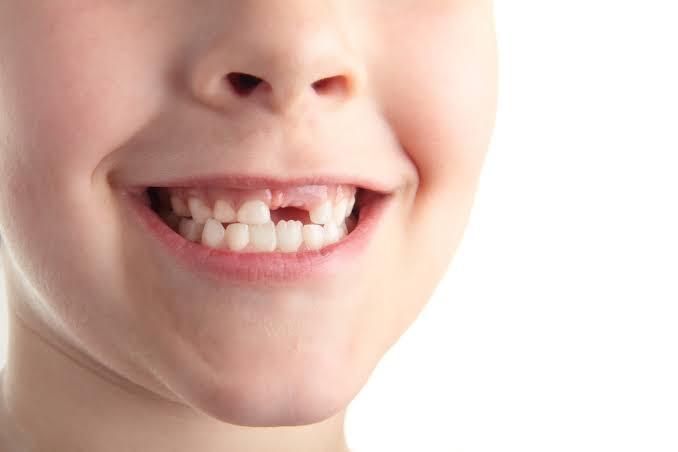
Anesthesia in Children for Dental Treatment is a specialized application frequently utilized in dentistry. Certain issues may arise that can interrupt treatment due to reasons such as fear in some children, the low threshold for pain, or special health conditions. In this case, anesthesia helps ensure the child’s comfort and safety, allowing essential dental treatments to be completed without problems. This process is often a topic of curiosity for families.
What is Anesthesia in Children for Dental Treatment and What Does It Provide?
Anesthesia in Children for Dental Treatment is a method that allows children to undergo dental procedures comfortably without feeling pain or fear. Depending on the type of anesthesia used in this method, a child may either be calmed under light sedation or treated in such a way that they will not remember anything while being fully asleep. Thus, a variety of interventions, from treating dental caries to root canal procedures, and from tooth extractions to more advanced surgical applications, can be completed smoothly. This approach provides significant ease, especially for very young children or disabled individuals, for whom collaboration can be difficult.
During treatments done under anesthesia, the child’s stress level is minimized. This prevents a negative experience both physically and psychologically. The child’s ability to remain still throughout the treatment makes it easier for the dentist and enhances the quality of the procedure. Since multiple teeth can be intervened in the same session, the necessity of repeated visits for treatment is reduced. This translates to time and financial savings for families. Additionally, the risk of having negative experiences regarding dental pain is lower, which facilitates future dental visits for the child. Ultimately, this method aims to ensure the child’s safety while maintaining dental health and contributes to more positive development of oral care habits in the long term.
What Methods Are Used for Anesthesia in Children for Dental Treatment?
Dental treatment under anesthesia in children is usually performed with methods such as local anesthesia, sedation, and general anesthesia. In the case of local anesthesia, only the relevant area is numbed, and the child can remain conscious and feel the treatment but does not experience pain. This technique is generally preferred for simple fillings or minor procedures. Sedation, on the other hand, involves the administration of medication to help the child relax and reduce fear. Various degrees of sedation can lead to a light sleep state or the child may become so calm that they hardly react at all. While under sedation, breathing typically continues spontaneously, and since less medication is used, a slightly shorter recovery time can be observed compared to general anesthesia.
In general anesthesia, the child is completely asleep and does not remember anything. This method is preferred for long or extensive dental treatments. Especially when there are multiple issues with the teeth or if the child reacts strongly to treatment, general anesthesia allows all procedures to be comfortably completed in a single session. During this time, breathing is controlled with assistance, and the specialized team continuously monitors the child’s vital functions. The selection of all these methods is determined based on factors such as the child’s age, overall health status, the difficulty of the treatment, and the level of cooperation. The goal is to ensure both safety and that the treatment concludes in the most comfortable manner. Families can easily learn which method will be most suitable based on the physician’s recommendations. Choosing the correct type of anesthesia shortens the treatment time and protects the child from unnecessary stress. Ultimately, although the methods may differ, the goal is always the comfort and health of the child. Thus, all dental treatments can be completed smoothly.
When is Dental Treatment Under Anesthesia Necessary in Children?
Anesthesia in Children for Dental Treatment may be necessary when the child is unable to comply with the treatment or when the procedure is very long and complex. For example, it can be extremely difficult for very young children to consciously keep their mouths open and remain still. Additionally, some children’s intense fear or anxiety regarding dental treatment can lead to unfinished procedures. In such cases, anesthesia ensures that the treatment is carried out smoothly in one go.
In children with disabilities or additional medical issues, cooperation may be more challenging, so anesthesia is often recommended. Especially for children on the autism spectrum or those with neurological disorders, involuntary movements can jeopardize dental treatment. At this point, anesthesia is of great importance for both the child’s safety and the quality of the treatment performed. Similarly, in cases with severe cavities that require fillings or root canal treatments in multiple teeth, the use of anesthesia may be considered. Long sessions can challenge the patience of small children, and the procedure may not be completed successfully. Therefore, the assistance of anesthesia allows the dentist to perform all interventions comfortably.
In some cases, local anesthesia may not be sufficient. For example, if there is a widespread infection in the mouth or if the effects of the administered local anesthetics are limited, general anesthesia may be a more sensible option. Additionally, if multiple surgical procedures or extractions are to be performed on several teeth, it may be preferred to resolve the issue in one session rather than tiring the child each time. Therefore, Anesthesia in Children for Dental Treatment increases comfort for the child in every situation where deemed necessary and makes the treatment safe. In summary, this decision is made according to the child’s condition and the procedure to be performed.
What Procedures Are Performed During Dental Treatment with Anesthesia in Children?
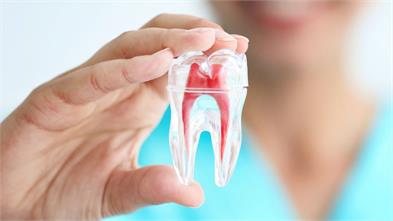
Dental treatment with anesthesia in children typically involves fillings, root canal treatments, tooth extractions, and surgical interventions if necessary. The extent of treatment can vary depending on the child’s oral health condition. If there is decay in the tooth, the decayed tissue is cleaned under anesthesia and restored with filling material. If the decay has progressed to the nerve tissue, root canal treatment may be required. In this procedure, the diseased nerves and blood vessels inside the tooth are removed and then the tooth is sealed with an appropriate filling material. In some cases, if the baby tooth has been damaged beyond saving, extraction may be considered.
Among surgical interventions, the extraction of impacted teeth and the removal of cysts or similar lesions may be performed. Under anesthesia, these procedures can be completed more quickly and with less stress. Furthermore, the child’s dental plaque can be cleaned, and detailed oral care can be provided. Because a child may have difficulty remaining still during prolonged cleaning procedures while awake, these can be done under anesthesia. Dental X-rays can also be taken easily under anesthesia, making it possible for the dentist to implement the treatment plan comprehensively.
In some cases, placing appliances to prevent passive oral habits or to protect the teeth may also be considered. During these types of procedures, it is crucial for the child to stay still. Thanks to the comfort provided by anesthesia, the dentist can address all issues in a single session without time pressure. This not only increases the success of the treatment but also eliminates the need for the child to visit the clinic repeatedly. As a result, the procedures performed during anesthesia are shaped according to the child’s needs, and all necessary steps are taken from the perspective of oral health. This way, the aim is to ensure long-term protection of the child’s dental health, enabling them to have healthier teeth in the future.
What Preparations Are Made Before Dental Treatment with Anesthesia in Children?
Before dental treatment with anesthesia in children, the child’s overall health status is assessed and necessary tests or examinations are conducted. The physician collects important information such as allergies, chronic illnesses, or medication use by learning about the child’s medical history. This helps minimize potential risks during anesthesia. In some cases, blood tests or additional evaluations may be required. More detailed examinations may be necessary, especially for children with heart and respiratory diseases.
Additionally, a certain fasting period is required before anesthesia. This period may vary depending on the child’s age and the type of anesthesia that will be administered; however, it is generally considered appropriate to refrain from solid foods for 6-8 hours and from clear liquids for 2 hours prior to the procedure. Fasting reduces the risk of vomiting and aspiration during anesthesia. Families are informed about these rules prior to the appointment.
It is recommended that the child wears comfortable clothing and comes to the clinic with a comforting toy to help them stay calm. Sometimes, family members may be with the child for a while, which can reduce the child’s anxiety. Detailed information from the physician before anesthesia alleviates the families’ concerns. Clear information is shared regarding how anesthesia will be administered, potential side effects, and the recovery process. In this way, the family can prepare the child in the best way possible and take necessary precautions for a smooth procedure.
At this stage, it is beneficial to avoid statements that would increase the child’s fear. On the contrary, conveying positive messages like that the child will relax after the dental treatment and will be free from pain helps the child to be psychologically better prepared. Ultimately, good preparation reduces the anxiety of both the child and the family and contributes to the smooth administration of anesthesia.
What Process Happens After Dental Treatment with Anesthesia in Children?
After dental treatment under anesthesia in children, it is generally necessary to rest in a calm environment for the first few hours and observe the child. As the effects of anesthesia wear off, the child may appear drowsy, have mild dizziness, or be restless. Some children may cry upon waking or experience short-term confusion. This is a natural part of waking from anesthesia and typically resolves quickly. Having the family by the child’s side can help soothe them.
There may be some numbness or mild pain in the treated area. Hot drinks or solid foods are not recommended until the child is fully alert. To prevent choking, it is advisable to start with water or warm liquids. In some cases, the dentist may suggest mild pain relievers for pain control.
After the child returns home, they should be advised to take breaks throughout the day. Heavy physical activities, such as biking or running, are usually not recommended for the first 24 hours. If a surgical procedure has been performed inside the mouth, mild bleeding or swelling may occur in the area. Applying a light cold compress to the affected area can be soothing.
Due to anesthesia, nausea or vomiting may occasionally occur, albeit rarely. In such cases, the child’s head should be turned to the side to keep the airways clear, and after vomiting stops, water should be given. The child’s condition usually improves within the same day, and they wake up feeling more energetic the next day.
If a follow-up appointment after anesthesia has been scheduled, it is important for the dentist to evaluate the treatment and check that everything is on track. Parents should pay attention to the child’s nutrition, medication use, and hygiene habits.
What Risks Does Dental Treatment Under Anesthesia Carry in Children?
Dental treatment with anesthesia in children is generally safe when performed by specialists, but like any medical procedure, there are some risks involved. Common issues related to anesthesia include nausea, vomiting, sore throat, or mild dizziness. Because children have narrower airways than adults, respiratory problems may pose a higher potential risk. Therefore, the anesthesia team monitors the child’s breathing at all times to intervene quickly in case of potential issues. Although rare, allergic reactions may occur. In such cases, specialists quickly administer necessary medications to control the reaction.
During anesthesia, conditions such as a decrease or increase in heart rate and fluctuations in blood pressure are also monitored. Even if the risks are minimal, the team is prepared for every possibility. After dental treatment, swelling, minor bleeding spots, or pain may occur in the oral area. These are generally transient conditions that can be controlled with simple measures. If symptoms like high fever, difficulty breathing, or continuous vomiting are observed, the physician must be notified immediately. Especially during long procedures performed under general anesthesia, hypothemia (a drop in body temperature) or rare arrhythmias may occur. All these risks are minimized with a specialized team and the appropriate equipment. Thanks to modern anesthesia techniques, advanced monitoring devices, and trained healthcare personnel, the likelihood of serious complications is significantly reduced. Therefore, families can proceed knowing that the process of dental treatment with anesthesia in children is well planned and that potential risks are managed with diligence. Still, the child’s safety is prioritized at every step.
What Should Families Pay Attention to Regarding Dental Treatment with Anesthesia in Children?
Families should pay attention to several important points regarding dental treatment under anesthesia for children, from the preparation process to aftercare. First of all, it is essential to strictly adhere to the fasting rules specified by the doctor because this rule significantly reduces the risk of vomiting and aspiration during anesthesia. Additionally, if the child regularly uses medications or supplements, this information must be shared with the physician. If the child is ill or has a fever on the day of anesthesia, the doctor should be informed, and the procedure should be postponed if necessary.
Remaining calm during the treatment will positively affect the child. If the child sees a close family member upon waking, they will feel more secure. In the post-treatment period, the doctor’s instructions regarding the child’s nutrition, rest schedule, and medication usage must be carefully followed. Small details, such as not giving hot drinks immediately, are extremely important. Similarly, if a tooth extraction or surgical procedure has been performed, appropriate measures should be taken to address the risk of bleeding and swelling.
After treatment, children may exhibit restlessness or irritability. This can stem from the anesthesia or the stress created by the experience and is generally temporary. The family should support the child by acting patiently and understandingly. Additionally, pain control medications should be administered regularly to prevent unnecessary pain. Encouraging the child to drink water at regular intervals or consume soft foods may be advisable. Oral care should be conducted based on the dentist’s recommendations regarding hygiene, and hard brushing should not be applied to surgical areas. As a result, the care that families show before and after treatment will ensure that the child recovers more quickly and that the dental treatment turns into a positive experience. Paying attention to these details is important for the child’s health and happiness.