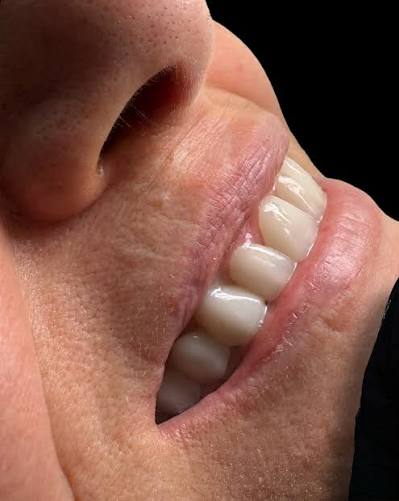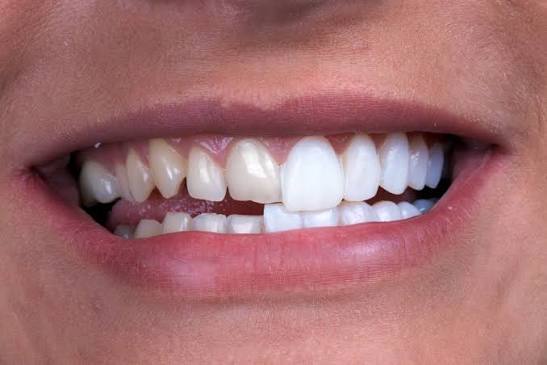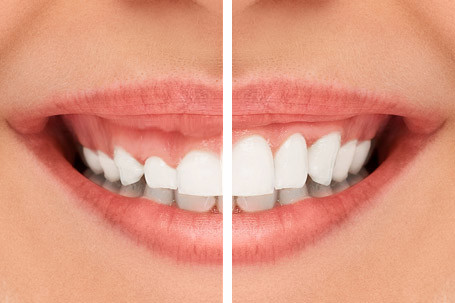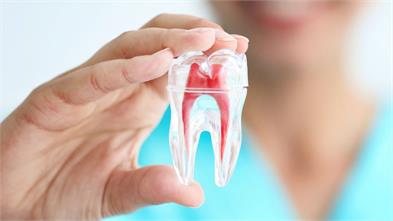

A dental examination is an important health check conducted by your dentist to assess the condition of your teeth, gums, and overall oral health. So, how is it performed? It generally includes a careful inspection of the inside of the mouth, searching for potential issues, and sometimes simple cleaning procedures. While the frequency of dental examinations can vary from person to person, it is recommended to have them done regularly to maintain oral health and catch problems early.
What Does a Dental Examination Mean?
A dental examination is a routine health check performed by your dentist to assess the overall health of your mouth. It involves examining not only your teeth but also your gums, tongue, and cheeks, meaning all the tissues in your mouth.
The purpose of this check is to detect potential issues early and take preventive measures before they lead to more significant problems. At the same time, it guides you on how to maintain your current health. In short, we can say it is a check-up for your oral health.
Why is a Dental Examination So Important?
Regular dental examinations are very important because they provide a chance to catch issues while they are still in the early stages. Simple problems, such as a small cavity or slight bleeding of the gums, can be treated much more easily and cost-effectively when detected early.
If these issues go unnoticed, they can progress into more complex treatments, such as root canal therapy or even tooth loss. Thus, regular check-ups can help protect both your health and your budget. Preventive care is always better than treatment.
How Does a Dental Examination Affect Our Overall Health?
Our oral health is much more closely related to our overall health than we might think. Sometimes, the first signs of certain diseases, like diabetes, can appear in the mouth, and your dentist may notice these.
Untreated infections in the teeth or gums can lead to bacteria entering the bloodstream. This situation can increase the risk of serious health issues such as heart diseases or strokes. Ensuring that there is no infection in the mouth, especially before major surgeries (like heart, prosthetic, or organ transplant surgeries), is very important to prevent complications after surgery. For this reason, a dental examination is a part of overall health care.
What Main Sections Does a Comprehensive Dental Examination Consist Of?
A comprehensive dental examination usually consists of a few steps. Initially, your dentist will discuss your overall health status and the medications you are taking. This is important for safe treatment.
Next, a professional dental cleaning is typically performed to remove plaque and tartar from your mouth. If necessary, dental X-rays can be taken to identify unseen issues. Finally, your dentist will carefully examine your teeth, gums, and all other tissues in your mouth. All these steps together provide a complete picture of your oral health.
Why Is It Important to Share Our Health History Before a Dental Examination?
It’s not without reason that your dentist asks about your overall health condition at the start of the examination. Some conditions in your body or medications you are taking can directly affect your oral health. For instance, diabetes can increase the susceptibility to gum diseases, and certain medications can lead to dry mouth, increasing the risk of cavities.
Additionally, certain conditions like heart valve issues or joint prosthetics may require you to take antibiotics before procedures to prevent infection during dental treatments. Therefore, it is very important to share your health history and the medications you are taking comprehensively with your dentist so that you can receive personalized, safe, and effective care.
How Are Teeth Checked During a Dental Examination?
During the examination, your dentist carefully inspects each of your teeth. Initially, signs of new or advanced decay are looked for. Small color changes, chalky white spots, or brown dots may indicate decay.
Additionally, any wear on your teeth is checked. These wear patterns can be indicators of conditions such as teeth grinding (bruxism) or the frequent consumption of acidic foods and beverages. The presence of visible fractures or cracks in your teeth is evaluated. The overall structure and alignment of your teeth are also assessed. This detailed examination helps identify existing or potential issues related to your teeth.
Why Are Gums Checked During a Dental Examination?
Gums are very important tissues that surround and support our teeth. Therefore, the health of the gums is particularly emphasized during a dental examination. Healthy gums are typically pale pink, fit snugly against the tooth, and do not bleed when brushing or using dental floss.
Your dentist looks for signs of gum inflammation (gingivitis) such as redness, swelling, or easy bleeding in your gums. They also check the depth of spaces called “pockets” that form between the teeth and gums using a special instrument to see if there is a more serious gum disease (periodontitis). Maintaining gum health is essential for keeping your teeth in your mouth for many years.
Are Existing Fillings and Crowns Checked During a Dental Examination?
Yes, absolutely. If you have any previously placed fillings, crowns, bridges, or implants, your dentist will also carefully check their condition.
In these checks, we look for whether there are new cracks or leaks at the edges of the restorations. Problems such as chips, fractures, or wear in the filling or coating are sought. It is also evaluated whether the restoration still fits the tooth perfectly and whether it is functioning properly. Regular checks of old restorations are important to maintain the health of the underlying tooth and to prevent larger problems.
Why is our Bite Evaluated During a Dental Exam?
When you close your mouth, the way your upper and lower teeth come into contact, that is, your bite (occlusion), is an important part of your oral health. During a dental examination, your dentist will also evaluate your bite.
An incorrect or uneven bite can cause excessive pressure on some teeth, leading to wear, cracks, or fractures. It can also lead to pain in the jaw joint (the joint in front of the ear), headaches, or chewing difficulties. Signs of habits such as teeth grinding or clenching (for example, noticeable wear on the teeth) can also be noticed during this examination. If necessary, solutions such as orthodontic treatment may be suggested to correct your bite.
Why are Soft Tissues Examined During a Dental Exam?
A dental examination is not limited to just teeth and gums. All other soft tissues in your mouth are also carefully examined. This includes your tongue (top, bottom, sides), the inside surfaces of your cheeks, your palate, your lips, and the floor of your mouth.
One of the most important goals of this examination is to look for early signs of oral cancer or lesions that could turn into cancer. Your dentist checks for suspicious findings such as non-healing sores, white or red abnormal spots, lumps, bumps, or hard areas. This examination is vital because early diagnosis greatly increases the chances of successful treatment for oral cancer.
What is Professional Teeth Cleaning (Prophylaxis) in a Dental Examination?
Professional teeth cleaning is a procedure carried out by a dentist or dental hygienist that involves the removal of plaque and especially tartar (calculus) from your teeth. It is generally part of routine dental examinations and is also referred to as “prophylaxis.”
The purpose of this cleaning is to remove deposits that cannot be completely eliminated by brushing at home and using dental floss. Especially hardened plaque known as tartar cannot be removed with a toothbrush and is one of the primary causes of gum diseases. Professional cleaning helps keep your teeth and gums healthier, reduces the risk of cavities and gum disease, and can prevent bad breath.
How is Professional Cleaning Done in a Dental Examination?
Professional teeth cleaning typically consists of two main steps. The first step is “scaling” or “debridement.” In this phase, the dentist or hygienist gently scrapes away plaque and tartar that have accumulated on the tooth surfaces and along the gum line using special tools or an ultrasonic device. Ultrasonic devices break up tartar using vibrations and water spray.
The second step is “polishing.” Teeth are polished using a special paste and a soft, rotating brush. This procedure removes stains from the tooth surface, smooths the surface, and makes new plaque accumulation somewhat more difficult. Finally, dental floss is usually used to clean between the teeth.
Is Fluoride or Sealant Applied During a Dental Examination?
Yes, in some cases, additional protective treatments may be performed during a dental examination and cleaning. One of these is fluoride application. Fluoride is a mineral that strengthens tooth enamel, making it more resistant to decay. Fluoride can be applied in the form of gel, foam, or varnish, especially for children at high risk of cavities, and sometimes for adults.
The other type is fissure sealants. These are thin, protective plastic coatings typically applied to the deep grooves (fissures) on the chewing surfaces of children’s and young adults’ back teeth. Since these grooves are conducive to the accumulation of food and bacteria, fissure sealants help to cover these areas and prevent cavity formation. Your dentist will determine whether you or your child need these applications.
Why Might an X-ray Be Taken During a Dental Exam?
Dental X-rays are very important aids that allow your dentist to see areas that cannot be observed with the naked eye. Although everything may seem fine during the examination, there could be hidden issues between your teeth, below your fillings, or beneath your gums.
X-rays reveal the internal structure of your teeth and jawbones, uncovering these hidden problems. For instance, initial stages of dental decay, infections in the roots of teeth, or bone loss caused by gum disease can typically only be detected through X-rays. Therefore, your dentist may recommend taking X-rays to make a complete diagnosis and catch potential issues early.
What Do Dental X-rays Show During an Exam?
Thanks to dental X-rays, your dentist can gain a lot of important information. These include: cavities starting between the teeth or beneath existing fillings, bone loss in the jaw due to gum disease, infections or cysts (abscesses) at the tips of the tooth roots, and the position and condition of buried teeth within the jawbone (such as wisdom teeth).
Additionally, the development of emerging permanent teeth in children, abnormal structures in the jawbone such as tumors, or the condition of the bone surrounding placed implants can also be evaluated with X-rays. In short, X-rays provide far more information about your oral health than can be seen from the surface.
Are Dental X-rays Safe?
Concerns may arise regarding the safety of dental X-rays due to the radiation they contain. However, the X-ray machines used in modern dentistry, especially digital X-rays, utilize a very low dose of radiation. The dose of radiation received is much lower when compared to the natural radiation we encounter in daily life.
Additionally, dentists adhere to the principle of using “the lowest dose possible” to avoid unnecessary radiation. This means that X-rays are taken only when truly necessary and with the least number of images. During the procedure, protective lead aprons are generally used. Thanks to these precautions, the diagnostic benefits of dental X-rays far outweigh the minimal risks they carry.
How is Oral Cancer Screening Done During Dental Exams?
Oral cancer screening is an important yet often overlooked part of routine dental examinations. Your dentist will check for signs of cancer or pre-cancerous lesions while examining the soft tissues in your mouth.
This screening involves both visual examination and manual inspection (palpation). The dentist carefully examines your lips, the inside of your cheeks, your tongue (top, bottom, and sides), the floor of your mouth, and your palate. Unhealed sores, white or red patches, and lumps are searched for. They also gently check certain areas with their fingers to see if there is any underlying hardness or mass. The lymph nodes in the neck can also be checked externally.
What Happens if a Suspicious Condition is Found During a Dental Exam?
If your dentist encounters a suspicious lesion or abnormal finding during the oral cancer screening, it does not immediately mean you have cancer. Many sores or lesions in the mouth are benign.
In such a case, your dentist typically follows one of two approaches. They may call you back for a short follow-up after a few weeks to see if the lesion has healed on its own. Alternatively, they may recommend a biopsy to provide a more definitive diagnosis. A biopsy is the procedure of taking a small tissue sample from the suspicious area for examination. If necessary, they may refer you to a specialist regarding this matter. It is important not to neglect the recommended follow-ups or advanced examinations in a suspicious case.
How Often Should a Dental Examination Be Done?
There is no single, definitive rule about the frequency of dental examinations that applies to everyone. Instead of the previously common recommendation of “every 6 months,” a more personalized approach is now adopted. The ideal check-up interval for you varies depending on your oral health condition and your risk of developing dental issues.
Your dentist will suggest a specific check-up frequency based on your current oral health, hygiene habits, your history of cavities or gum disease, and your overall health status. This period may be 1-2 years for individuals at lower risk, while those at higher risk may require shorter intervals of 3-6 months.
Who Should Get More Frequent Dental Check-Ups?
Some individuals may need more frequent dental check-ups because their risk of developing dental issues is higher. These individuals typically include those with frequent new cavities, those with active gum disease (gingivitis or periodontitis), and those whose oral hygiene is not sufficiently good.
Additionally, smokers, individuals with certain systemic diseases like diabetes, or those taking medications that cause dry mouth may also be at higher risk. If you belong to one of these groups, your dentist will likely want to see you every 3 to 6 months. More frequent check-ups are important for early detection and management of issues.
When Is the First Dental Examination Recommended for Children?
The most appropriate time for children to meet with a dentist is generally within six months after their first teeth come in, or at most by the age of one. This early start is important both for laying the foundations of the child’s oral health and for helping them get used to the dental environment.
“The earlier, the better” principle applies here. This first visit can be the start of a lifelong positive relationship for your child’s oral health. Remember, baby teeth are just as important as permanent teeth and need care.
Why is the First Dental Check-up for Children Important?
There are many benefits to taking your child to the dentist by the age of one. Firstly, early signs of issues such as “early childhood caries” are checked. The dentist provides important information to parents about how to clean the baby’s teeth, proper nutritional habits, and the use of fluoride.
Additionally, having the child sit in the dentist’s chair at a young age helps them familiarize themselves with the environment and have a positive experience, which can help reduce any future fears of the dentist. This visit is an important step to safeguarding the child’s oral health from the very beginning.