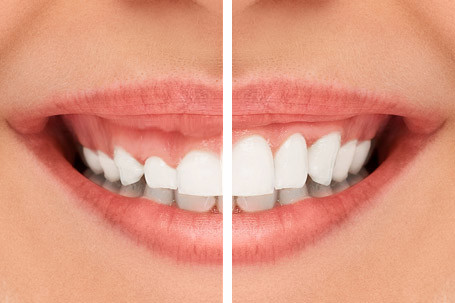

When it comes to teeth whitening, two main options are available to us: One is office-type whitening applied in a dentist’s clinic; the other is home-type methods applied in the comfort of your home. The most significant differences between these two basic teeth whitening types are: who performs the procedure and where it is done, the strength of the whitening agent used, the safety measures during the procedure, the time taken to achieve results, and the permanence of the whiteness achieved. Office-type whitening generally offers more controlled and faster results, while home-type applications have various advantages and disadvantages.
How Do Home-Type and Office-Type Teeth Whitening Work Fundamentally?
In fact, the purpose of both methods is the same. By using special gels that work on the tooth enamel, it breaks down the small colored particles (pigments) that give the teeth their color. The substance used for this is usually composed of peroxide-based chemicals.
So, where is the difference? The most important difference lies in the strength of the gel used, that is, the concentration of the whitening agent in it. Office-type whitening uses stronger gels under the supervision of a dentist. This allows the tooth color to be lightened more quickly and effectively. In home-type products, especially those sold in stores, this concentration is much lower. Therefore, obtaining the same result with home methods may take a long time or may even be impossible.
Why Does Office-Type Teeth Whitening Require Professional Supervision?
Before starting the whitening process, it is essential to have a dentist’s consultation. Because the reason for the discoloration of your teeth may vary for everyone. It could just be tea or coffee stains, or it might be related to the structure of the tooth. Your dentist will understand this first.
Furthermore, what’s more important is that there may be a crack or unseen decay in your mouth, as well as gum recession or enamel wear. If the whitening gel comes into contact with these problematic areas, it can lead to severe pain or worsen existing issues. Additionally, if you have fillings or crowns, you should know that they will not whiten. All these considerations highlight the importance of a professional eye for the safe execution of the procedure.
How is Safety Ensured in Home and Office Teeth Whitening Applications?
One of the biggest advantages of office whitening is safety. Because your dentist applies a special protective barrier to ensure that the powerful gel used does not damage your gums. Thanks to this barrier, the gel only affects the tooth surface, keeping your gums safe. The process is done completely under control.
In ready-to-use kits for home use, especially those from grocery store products, there is typically no such protection. Standard-sized trays or strips may not fit your gums perfectly. In this case, the gel can seep into your gums, causing irritation, redness, or even a burning sensation. This careful protection in professional applications is not present in uncontrolled home use, which significantly affects safety.
Why Are the Results of Home and Office Teeth Whitening Different?
The most apparent difference in results is speed and effectiveness. In office whitening, because powerful gels are used, there is typically a noticeable lightening in tooth color within a single session, a brief duration of 1-2 hours. Results are both rapid and quite satisfying.
In home methods, the situation is different. If a home whitening is done with specially prepared trays under the supervision of a dentist, the results can be good, but it requires regular use for weeks. In over-the-counter products purchased from stores, results are usually much more limited. Because the strength of the gels used is low, there is either very slight whitening or no noticeable change at all.
What Risks Does At-Home Teeth Whitening, Especially Market Products, Carry Compared to Office Whitening?
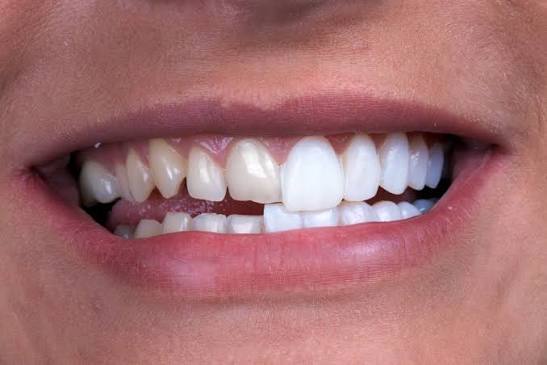
At-home whitening products purchased from markets carry certain risks. Firstly, because they are standardized, they may not fit your teeth perfectly. This can lead to uneven distribution of the gel and result in a “patchy” appearance, where some areas are white while others remain yellow.
The second significant risk is tooth sensitivity. Products used uncontrollably or for extended periods can lead to tooth sensitivity to hot and cold stimuli. Worse yet, certain ingredients in products or improper usage can damage tooth enamel. The enamel surface can be etched or weakened. In professional applications, however, the entire process is controlled, minimizing risks.
Is There a Difference in the Permanence of Results Between At-Home and Office Teeth Whitening?
Yes, there are significant differences in terms of the permanence of results. Whitening achieved through professional methods, such as office whitening or dentist-supervised at-home whitening, typically lasts longer. With good oral care and avoiding staining foods (like tea, coffee, cigarettes, and red wine), this duration can last between 1 to 3 years.
The whitening achieved with over-the-counter products from markets generally lasts much shorter. Often, it only lasts a few months, and to maintain the effect, products need to be used continuously. Remember, in both methods, the most important factor affecting permanence is your lifestyle and the attention you pay to your oral hygiene.
Why Are Professional Options Recommended Between At-Home and Office Teeth Whitening for Healthy and Effective Whitening?
You wouldn’t want to lose your oral health while trying to achieve whiter teeth, would you? That’s why professional methods are always a safer and more accurate choice. A dentist understands why your teeth have discolored, identifies potential risks in your mouth, and recommends the most suitable and safest method for you.
With office-type whitening, both your gums are protected and you achieve effective results in a short time. At-home whitening under a dentist’s supervision is also a safe alternative. However, products from the market carry risks with uncontrolled use, and results are often insufficient and short-lived. For a healthy and truly bright smile, your first step should definitely be to consult a dentist. This is the best for your safety and satisfaction.