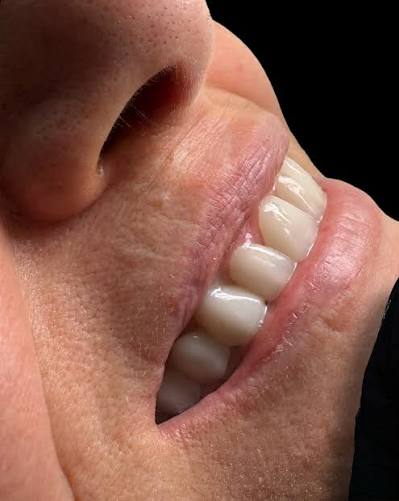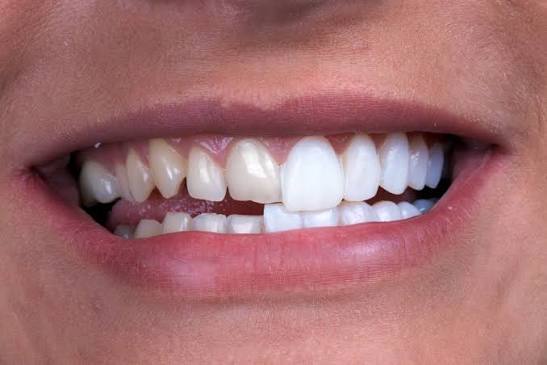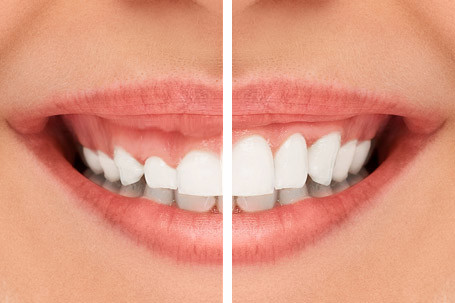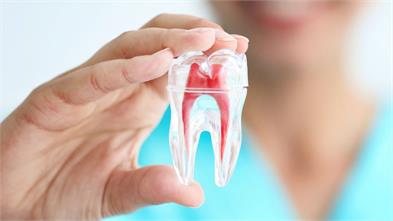

While Dental Aesthetics and Smile Design are often used interchangeably, there is a fundamental difference between them. Dental Aesthetics (Cosmetic Dentistry) is a broad term that encompasses all individual or combined dental procedures that improve the appearance of teeth or the smile. On the other hand, Smile Design involves a comprehensive planning and philosophy that ensures these procedures are implemented in harmony with the person’s facial structure, expectations, and oral health, creating an aesthetic and functional whole. In short, one defines the general area while the other refers to a specific, planned application tailored to the individual.
What is the Main Difference Between Dental Aesthetics and Smile Design?
To put it simply, Dental Aesthetics or its other name, Cosmetic Dentistry, is a broad field that includes all dental treatments that ensure your smile looks more beautiful. For example, just whitening your teeth or repairing a small crack in a single tooth is also part of dental aesthetics. There are many different procedures available in this field.
Smile Design is based on a different philosophy. This approach focuses not only on correcting individual teeth but also on planning and creating a beautiful smile that is in complete harmony with your face, lips, and even your overall expression. Smile design generally involves integrating multiple aesthetic dental treatments into a personalized plan for the individual. In other words, it constructs the architecture of your smile.
What Procedures Are Included in Dental Aesthetics and Smile Design?
There are many popular applications that come to mind when talking about dental aesthetics. These can be applied both individually and as part of smile design plans. The most common aesthetic procedures are:
-
\t
- Teeth whitening (Bleaching)
- Composite bonding (Corrections made with tooth-colored aesthetic fillings)
- Porcelain laminates or veneers (Thin layers made for the front of the teeth)
- Zirconium or full ceramic crowns (Caps)
- Tooth-colored fillings
- Dental implants (For missing teeth)
- Orthodontic treatments (Braces or clear aligners)
- Gum aesthetics (Also known as pink aesthetics, regulation of gum levels)
\t
What Does Smile Design Represent from the Perspective of Dental Aesthetics and Smile Design?
Smile design is like creating a unique work of art using the treatment methods offered by aesthetic dentistry. This approach does not only focus on the appearance of your teeth. It targets the most harmonious and natural smile by considering many factors such as the shape of your face, the structure of your lips, your jawline, your skin tone, and even your character.
This is a process and usually starts with a detailed analysis. Your photos, videos are taken, digital measurements are made. Your expectations and desires are listened to carefully. Then, based on all this data, a personalized smile plan is created for you. It is determined which treatments will be performed in what order. In other words, smile design is a planned journey towards a goal, rather than a single procedure.
What Is the Role of the Face in Smile Aesthetics and Smile Design Planning?
When designing a smile, it is not enough to consider the teeth alone. Because your smile is an inseparable part of your face, and it must be in harmony with it. The characteristics of your face play an important role in the planning process.
The general shape (oval, square, long, etc.) of your teeth guides us in determining their form. The thickness of your lips, how they appear when you smile (the smile line), affects the ideal size and position of your teeth. The harmony between the midline of your face and the midline of your teeth is essential for a symmetrical and balanced appearance. Even when choosing the color of your teeth, your skin tone is taken into account so that the result doesn’t look artificial but natural. In short, the aim is to create an aesthetic unity by harmonizing your teeth with your face.
What Role Do Digital Technologies (DGT) Play in Dental Aesthetics and Smile Design Process?
In recent years, Digital Smile Design (abbreviated as DGT) has created a revolution in this field. DGT refers to the process of designing your smile using special software and digital tools. With this technology, it becomes possible to visualize the potential outcome of your smile before starting treatment.
How does it work? First, digital measurements of your teeth and face are taken using intraoral cameras and scanners. High-resolution photographs are captured. All this data is uploaded to a special software. Within this software, the shape, size, and color of your teeth can be altered to create different smile alternatives. So, it’s like a digital fitting. This helps you better understand what you want and also assists us in presenting you with the most suitable design.
What Are the Advantages of DGT for Dental Aesthetics and Smile Design?
There are many benefits offered by Digital Smile Design. One of the most important is that you can see the treatment outcome in advance. This way, you know what to expect and can start treatment with more confidence.
It greatly facilitates communication. We can visually confirm that your requests overlap with our plans. This way, misunderstandings are preempted. Additionally, it allows us to achieve much more precise and predictable results by offering the possibility of detailed adjustments to the treatment plan. By involving you in the design process, it enables you to actively participate in the creation of your smile. This generally increases acceptance of the treatment and satisfaction afterwards.
What Technologies Are Used in Aesthetic Dentistry and Smile Design?
Various modern technologies are utilized in the Digital Smile Design process. At the forefront are high-resolution digital photographs and video recordings. These are necessary for a detailed analysis of your face and smile.
Intraoral scanners are comfortable devices that replace traditional measurement molds. They quickly create a three-dimensional (3D) digital model of your teeth. Special smile design software allows us to integrate all this data and create virtual designs.
CAD/CAM systems refer to computer-aided design and manufacturing. This means restorations designed in a digital environment, such as laminates and crowns, are produced precisely by devices (milling machines or 3D printers) controlled by computers. These technologies ensure that the process is faster, more accurate, and more predictable.
Which Treatments Are Combined to Achieve Aesthetic Dentistry and Smile Design Goals?
Smile design is a personalized plan, so the treatments used entirely depend on your needs and goals. In fact, many of the aesthetic dental procedures we previously mentioned (whitening, laminates, bonding, implants, crowns, orthodontics, gingival reshaping, etc.) can be included in the smile design plan.
The difference here is that these treatments are not applied randomly; they are planned in a specific order and combination to serve a particular purpose. For instance, clear aligner treatment (orthodontics) may be needed first to correct the positioning of your teeth, followed by adjustments to the gum levels, and finally, porcelain laminates can be applied. The aim is to achieve a harmonious, aesthetic, and functionally ideal smile at the end of all these steps.
Why is It Necessary for Different Specialists to Work Together for Dental Aesthetics and Smile Design?
Especially in comprehensive smile transformations, it may be necessary for specialists from different fields of dentistry to work together in order to achieve the best result. We call this a “multidisciplinary approach.” Because each dentist specializes in different areas, sometimes the expertise of a single dentist may not meet all the needs.
For example, if there are serious issues with the alignment of your teeth, an orthodontist will step in. If there are problems related to your gums (such as recession or excess visibility), a periodontist will assist. If implants are needed for missing teeth, a surgeon or an experienced dentist in this field will perform the procedure. It is the prosthodontist who prepares your laminates and crowns. The coordinated work of all these specialists ensures that each stage of treatment is carried out as accurately as possible and that the outcome is both aesthetic and long-lasting.
Why is It So Important to Visualize Dental Aesthetics and Smile Design Treatments in Advance?
Before starting treatment, it is very valuable to have an idea of what the outcome will be through digital simulations or temporary trials (mock-ups) done in your mouth. The main reason for this is to manage expectations correctly. The concept of “beautiful smile” can vary from person to person. Through the preview, we can see whether the smile you envision matches the outcome we have planned.
Additionally, seeing the results makes it easier for you to decide and increases your confidence in the treatment. Feeling involved in the process boosts your motivation. If you’re not satisfied with a potential result, changes can be made to the design before any permanent procedures take place. This transparency is a critical step to elevate your satisfaction after the treatment to the highest level.