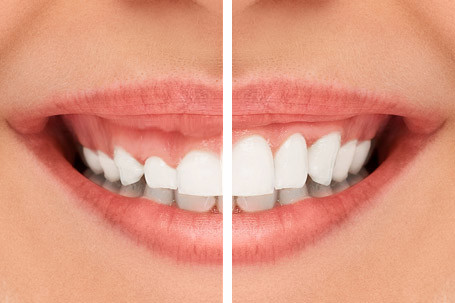

Gum health is not just an aesthetic factor; it is a critical aspect regarding the balance of oral microflora, its relation to systemic health, and overall quality of life. Any inflammation in the gums often does not remain a local issue; it is also related to various systemic disorders, from cardiovascular diseases to diabetes. Gum swelling, known as “gingival edema” in medical literature, results from the dilation of blood vessels in the gums and the accumulation of fluid in the tissues. It often progresses along with symptoms such as pain, sensitivity, and bleeding. If not intervened at an early stage, it can lay the groundwork for serious gum diseases like chronic periodontitis.
What are the Causes of Gum Swelling?
Insufficient Oral Hygiene:
When regular and effective brushing is not performed, the plaque that accumulates on the tooth surfaces gradually hardens into tartar (dental calculus). These accumulations create an ideal environment for bacterial growth. Bacterial toxins trigger an inflammatory response in the gum tissue.
Tartar and Plaque Accumulation:
Frequently neglected tooth gaps and areas close to the gums are the most suitable areas for plaque formation. When plaque is not cleaned, acidic waste accelerates tissue destruction. This forms the basis for swelling.
Hormonal Changes and Systemic Diseases:
Pregnancy, adolescence, menstrual cycles, and menopause are processes that cause fluctuations in hormone levels, making the gum tissue more sensitive. At the same time, diseases like diabetes, leukemia, and those affecting the immune system can also increase the severity of gingival inflammation.
Incorrect Brushing and Flossing:
Excessive hard brushing can irritate the gums. Improper use of dental floss can also lead to micro-tears and traumatic lesions. These types of lesions are usually localized and temporary, but repeated mistakes can trigger chronicity.
Natural Remedies for Gum Inflammation
Salt Water Rinse:
Salt, known for its antiseptic properties, stands out for its inflammation-relieving and bacterial load-reducing effects. A rinse made with natural sea salt mixed in warm water provides significant relief when applied twice a day.
Chamomile and Sage Applications:
Chamomile tea and sage leaves contain anti-inflammatory flavonoids. Teas prepared with these herbs can be cooled and used as rinses or applied directly to the affected area with cotton.
Turmeric and Baking Soda Mixture:
Turmeric is known as a powerful antioxidant due to its curcumin content. Baking soda regulates pH balance, limiting bacterial growth. When these two substances are made into a paste and applied to the affected area, the healing process can be accelerated.
Cold Compress:
In cases where localized inflammation is present, applying cold therapy to the area reduces swelling by constricting blood vessels. A cold pack should be applied for a short duration without direct contact with the skin.
How is gum swelling treated?
Dentist Intervention:
Professional cleaning procedures such as scaling (tartar cleaning) remove accumulations beneath the gum line, facilitating healing. In more advanced cases, procedures like root planing completely clean infected tissues.
Antibiotic and Antiseptic Mouthwashes:
Prescription mouthwashes containing agents like chlorhexidine gluconate reduce microbial load, promoting the reduction of swelling. In cases of bacterial infection, systemic antibiotic treatment may also be necessary.
Periodontal Treatment Options:
In advanced cases, procedures such as flap surgery, laser treatment, and even bone grafting may be considered. These interventions are used to restore lost supporting tissues.
What are the preventive methods for gum swelling?
Proper Brushing and Flossing Techniques:
It is recommended to brush from the gum line to the tooth at a 45° angle with a soft-bristled toothbrush. Dental floss should be wrapped in a ‘C’ shape and moved gently upward and downward.
Balanced Diet and Supplement Support:
Vitamin C, coenzyme Q10, and omega-3 fatty acids play a critical role in maintaining the health of gum tissue. Additionally, sufficient water intake limits bacterial growth by maintaining moisture balance in the mouth.
Regular Dentist Check-Ups:
Checks performed every six months are important for preventing the formation of tartar and for the early diagnosis of hidden infections. A proactive approach also minimizes treatment costs.
Gum swelling is a serious condition that can both reduce quality of life and herald larger periodontal issues. When combined with professional treatment methods, natural remedies that can be applied at home not only alleviate symptoms but also reduce the risk of recurrence. A comprehensive approach to oral health provides aesthetic and functional benefits in the long run.