What Are the Advantages of Implant Therapy?
Prosthetic and surgical procedures planned to compensate for tooth loss within the mouth are medical practices that directly affect individuals’ quality of life. The implantology discipline, in which titanium materials are placed to replace lost teeth due to various reasons, offers many positive aspects in the restoration of anatomical functions and aesthetic balance. Among these advantages, the ability to rehabilitate the gap of missing teeth as an independent unit without harming adjacent tissues is paramount.
Unlike traditional bridge or removable prosthetic approaches, this medical method has a different working principle biomechanically, as it directly transmits chewing pressure to the jawbone. As observed in the evaluations conducted at Avrupadent clinics, regaining chewing and speaking abilities while preserving the patients’ original tissues is consistent with preventive dentistry principles. In this guide, the medical benefits of artificial root applications, their effects on the jawbone, and long-term comfort of use will be discussed objectively.
What Are the Fundamental Advantages of This Treatment in Tooth Loss?
The gaps that arise after tooth loss lead to the disruption of the balance of closure (occlusion) within the mouth over time. In traditional bridge prosthetics, the enamel of the healthy teeth adjacent to the missing tooth is reduced. Implantology applications eliminate this need and allow the neighboring teeth to maintain their own form. The gap is treated as an independent unit from the other tissues.
From a functional perspective, the pressure transmitted to the jawbone supports the activity of the osteoblasts (bone cells). This situation aids in controlling the vertical and horizontal volume losses (resorption) that occur over time in the toothless area. Thus, the facial symmetry and the muscle supports around the lips are preserved in the long term.
What Are the Benefits of Protecting Adjacent Teeth?
The fundamental rule of a preventive approach in dentistry is not to interfere with healthy tissues. In the past, bridge systems applied for single or multiple tooth deficiencies required the thinning of adjacent teeth to provide support. The grinding of the enamel layer of healthy teeth can increase the risk of fracture or sensitivity in the long term.
In titanium root applications, teeth located within the boundaries of the gap are not included in the procedure. While the adjacent teeth maintain their original form with their own roots and enamel, the gap is closed with a standalone artificial root and crown. This situation contributes to preserving the natural number and quality of teeth in the mouth from a medical perspective.
What is the Role of This Approach in Preserving the Jawbone?
The jawbone maintains its vitality and density due to the mechanical pressures applied on it. After tooth extraction, when there is no chewing force on that area, the body considers it functionless and gradually resorbs the bone tissue. Only removable dentures that rest on the gums cannot stop this resorption; rather, they may support the process with surface pressure.
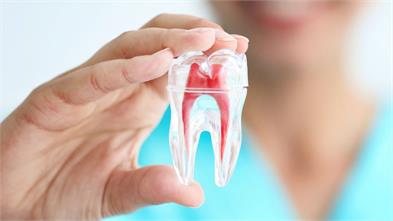
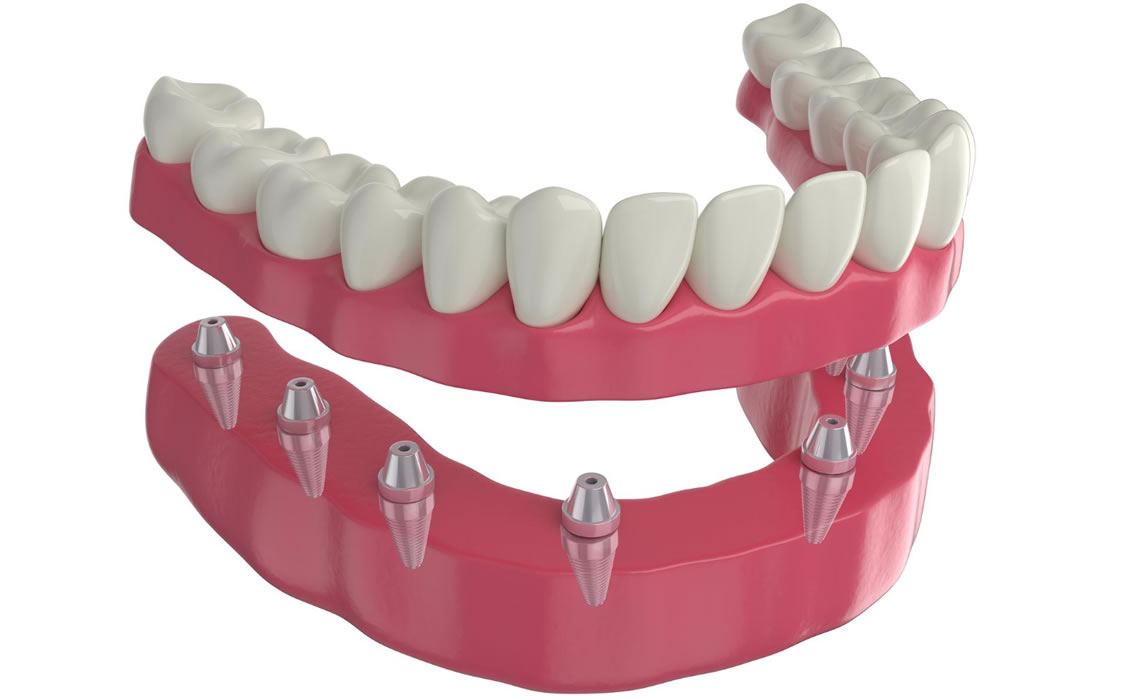
Titanium screws positioned inside the jawbone transmit chewing pressure to the deeper tissues, just like the natural tooth roots do. This mechanical transmission stimulates the activity of the bone-forming cells. Maintaining the height and width of the jawbone is one of the most important physiological advantages that prevents the collapse of the facial skeleton in later years.
How Does Increasing Chewing Capacity Affect the Digestive System?
Missing teeth can restrict individuals’ eating habits by forcing them to avoid tough or fibrous foods. Not adequately chewing the swallowed food can increase the digestive burden on the stomach and intestines, leading to metabolic issues. Fixed crowns placed on artificial roots restore normal chewing force.
Individuals can develop a balanced diet routine by comfortably chewing foods like meat, fresh vegetables, fruits, and nuts. Breaking down food into smaller pieces before reaching the stomach increases the efficiency of digestive enzymes and plays a role in maintaining overall body health.
| Comparative Criteria | Removable Prostheses | Implant-Supported Systems |
|---|---|---|
| Chewing Efficiency | It may remain limited in hard tissues due to its dependence on soft tissue support. | It ensures the consumption of all foods by providing chewing force close to that of a natural tooth. |
| Effect on Jawbone | Since it does not transmit load directly to the bone, resorption may continue. | By transmitting pressure to the bone, it slows down the resorption process. |
| Mouth Interior Stability | It may move during speaking or eating. | Since it is fixed to the jawbone, it does not move and remains stable. |
What Are the Benefits Provided from an Aesthetic and Phonetic Perspective?
Especially in cases of anterior tooth loss, aesthetic appearance and clarity of speech are of great importance. Tooth loss can disrupt the pronunciation of certain letters by forcing control of airflow. Aesthetic crowns prepared on artificial roots ensure the phonetic sounds emerge as naturally as possible by filling the gaps between the teeth.
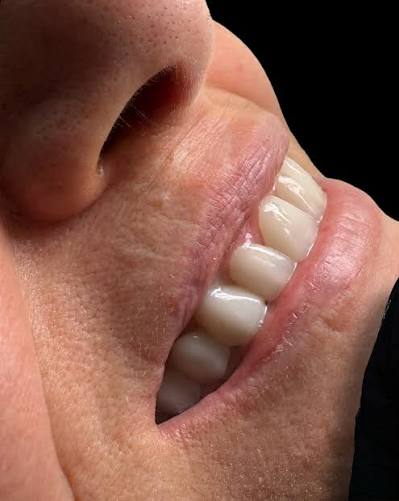
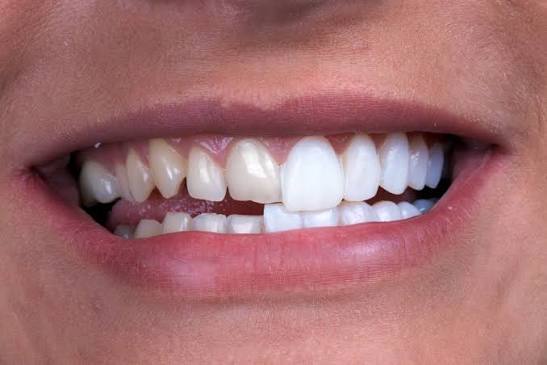
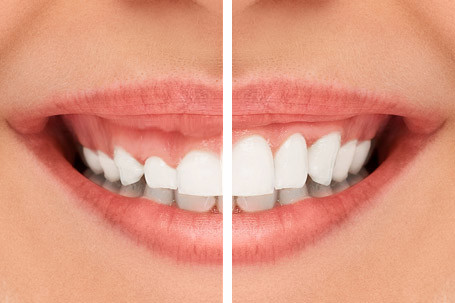
Moreover, the zirconium or special ceramic materials used exhibit compatibility with the natural tooth structure in terms of light permeability. These structures, supported by gum shaping procedures, create a natural smile profile that is not noticeable as artificial when viewed from the outside.
What Are the Long-Term Comfort and Psychological Effects?
It is common for individuals using movable prostheses to worry about their prosthetic moving while eating or talking in social environments. Fixed prosthetic solutions alleviate these concerns as they are anchored to the jawbone. The individual can continue their social activities as if they still have their original teeth.
Moreover, these systems supported by regular medical check-ups and careful home care can maintain their structural form for many years. Psychologically, feeling secure enhances the individual’s social relationships, professional life, and overall mental health.
What are the Frequently Asked Questions?
1. What is the most significant advantage of implant treatment?
The most significant advantage is that it can fill the gap of missing teeth with a permanent structure that integrates with the jawbone without damaging the adjacent healthy teeth.
2. Does this treatment help prevent jawbone resorption?
It stimulates the cells as it transmits chewing forces directly to the bone tissue, which slows down the bone resorption process that occurs in tooth extraction gaps.
3. Why is not cutting adjacent teeth an important gain?
Natural tooth structure is preserved since there is no intervention to the enamel layer of healthy teeth, preventing future risks of decay or sensitivity.
4. How are chewing forces compared to natural teeth?
Thanks to the integration of titanium roots with the bone, chewing pressure is transferred directly to the bone, providing high resistance to wear and comfort.
5. Does it have a positive effect on speech and phonetic sounds?
By closing the gaps created by missing teeth, it helps support the correct articulation of phonetic sounds and the clarity of speech.
6. Does it create a noticeable artificiality from an aesthetic perspective?
When using light-transmitting zirconium or porcelain materials, it provides aesthetic results that are visually indistinguishable from natural teeth due to its compatible structure with the gum tissue.
7. How does the comfort of use compare to removable dentures?
Since it remains fixed in the mouth, it does not move during eating or speaking, which increases daily living comfort.
8. Does it contribute to digestive system health?
By ensuring the complete chewing of food in the mouth, it alleviates the digestive burden on the stomach and intestines and supports nutrient absorption.
9. What kinds of advantages does it provide in social life and self-confidence?
By eliminating the fear of the prosthesis coming out of place, it allows individuals to comfortably smile and communicate in social environments.
10. Is it advantageous in terms of cost-effectiveness in the long run?
Due to providing a cost-free and trouble-free use for many years with proper care and regular medical check-ups, it is a beneficial solution in the long term.
11. Does it have a protective effect on jaw joint (TME) health?
By preventing the occlusal disorders caused by missing teeth and the uneven loads on the jaw joints, it supports joint health.
12. Does it prevent issues like food getting stuck between teeth?
Designed to appropriate anatomical dimensions for the void, it reduces problems with food getting stuck due to establishing correct contact points with neighboring teeth.
13. Is the cleaning routine similar to that of natural teeth?
In addition to standard brushing, it can be easily cleaned with interdental brushes and dental floss, similar to a home hygiene routine for natural teeth.
14. Does it provide a common advantage for individuals in different age groups?
It offers similar benefits in terms of chewing and aesthetic comfort for every adult individual with a completed skeletal growth and appropriate systemic health.
15. How are these advantages evaluated according to European standards?
In clinical processes, personalized treatment flow is followed through special planning based on the patient’s anatomical structure, ensuring that these advantages are felt at the highest level.