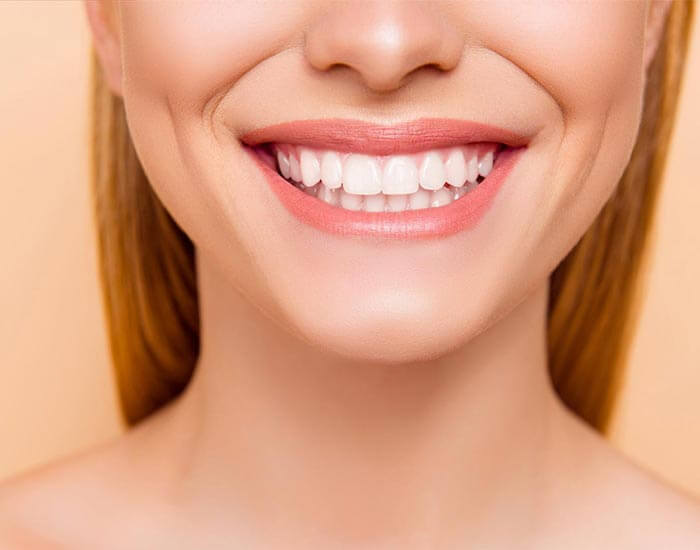
Who is aesthetic dentistry suitable for?
The aesthetic needs of the mouth and jaw region are a whole that closely concerns an individual’s speaking (phonation) functions, chewing capacity, which is the beginning of the digestive system, and tissue health, going beyond merely a visual perception. congenital (hereditary) anomalies in the anatomical structure of teeth, physiological developments related to aging, discolorations arising from external factors, or material losses resulting from trauma are among the primary reasons patients seek clinical help. The process of restoring such conditions in accordance with medical protocols is shaped according to each individual’s specific oral anatomy, bone structure, and the condition of the periodontal (gum) tissue.
For an individual to be included in aesthetic restorative procedures, it is primarily expected that there is no active pathology within the oral cavity (such as uncontrolled infection or advanced gum recession). The fundamental principle in dentistry is that aesthetic procedures can only be built on a healthy foundation (root, bone, and mucosa). Therefore, the eligibility criteria encompass not only the patient’s aesthetic expectations but also the adequacy of the biological infrastructure that can support those expectations. This guide will examine in detail which anatomical and physiological conditions render individuals medically suitable candidates for prosthetic, restorative, and periodontal aesthetic procedures, and how the related processes are analyzed with clinical data.
How Do Individuals with Tooth Discoloration or Stain Problems Benefit from Aesthetic Dentistry?
Individuals who experience structural yellowing of the tooth color, deep stains related to antibiotics used during childhood, or external discoloration resulting from consumption habits receive medical support through the whitening (bleaching) and fine porcelain applications of this discipline. Tooth enamel is naturally microporous; organic pigments leaking from these pores gradually settle into the dentin layer, darkening the internal color of the tooth over time. During the clinical examination, the dentist analyzes whether this discoloration is superficial at the enamel level or if it is a structural condition that has penetrated the dentin tissue.
If the staining is caused by organic foods (tea, coffee) or tobacco products, chemical whitening procedures using office-type peroxide gels are a suitable option for individuals. However, deep internal discolorations that appear as gray or horizontal bands, associated with the use of antibiotics such as tetracycline, may not reach the desired whiteness level with standard chemical agents. Patients in this situation are considered highly suitable candidates for porcelain laminates or composite bonding procedures that block color reflection and are applied only to the outer surface of the tooth. This allows for the optical reflection of the tooth to be reconstructed at the desired level without damaging the enamel.
What Restorative Solutions Are Planned for People with Diastema (Tooth Gaps)?
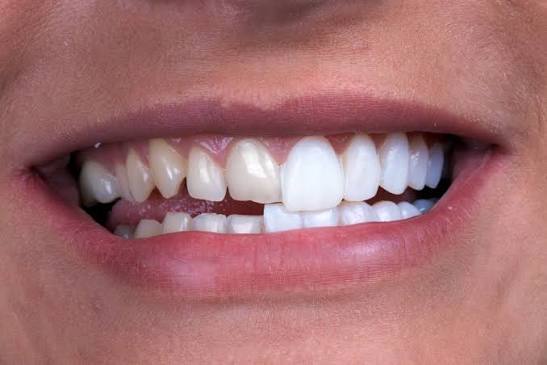
Patients with gaps (diastema) between their front teeth due to genetic structure, jaw width, or small tooth sizes (microdontia) are among the primary candidates for aesthetic restoration processes. These types of gaps not only create a difference in aesthetic perception but can also affect phonetics by causing air escape during speech and make it easier for food debris to accumulate in these areas, preparing the ground for gum irritations.
In diastema cases where the patient does not want to undergo orthodontic (braces) treatment or the situation does not require months of movement with braces, medical composite resins or porcelain veneers come into play. The physician performs a millimeter measurement of the gap and closes the spaces by adding volume to the tooth’s edge profiles in accordance with the jaw symmetry. The suitability for these procedures is determined by how evenly the gaps are distributed across the jaw arch.
| Diastema (Gap) Condition | Suitable Medical Solution | Clinical Approach Process |
|---|---|---|
| Small and Singular Gaps (Ex: Only Between the Two Front Teeth) | Composite Bonding Application | Filling the defect in a single session with medical resin material without any abrasion to the dental tissue. |
| Multiple and Wide Gaps | Porcelain Laminate (Veneer) | Integration of laboratory-produced ceramic leaves by performing millimetric abrasion on the front surface of the teeth. |
| Equivalence to Closure Malalignment | Orthodontically Supported Restoration | First, aligning the dental arches with clear plates or wires, followed by minimal aesthetic touches. |
Are Patients with Crooked Tooth Structure but Not Seeking Orthodontic Treatment Suitable for Aesthetic Approaches?
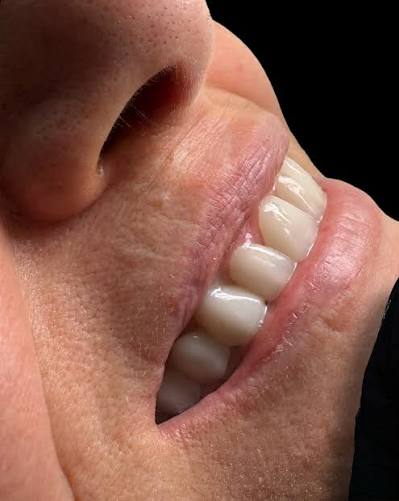
Patients with rotations or slight positional crookedness in their teeth who prefer not to use orthodontic appliances for months can be identified as suitable candidates for prosthetic restorations, evaluating the occlusal relationships of the teeth during medical examinations. Correcting crookedness through aesthetic means is based on the principle of creating a new surface form by performing some abrasion on the tooth enamel and dentin.
For the hospital to be deemed suitable for these procedures, the degree of malocclusion is a clinical criterion. In cases of severe malocclusion, significant tissue removal may be necessary to align the teeth; this could lead to exposure of the dental pulp (the live nerve layer of the tooth), conflicting with the principles of conservative dentistry. However, if the malocclusion is mild or moderate, the axes of the teeth can be corrected prosthetically using zirconium crowns or porcelain laminates, offering the patient a symmetric dental arrangement without months of waiting. The balanced reflection of the forces in an individual’s jaw closure on these new porcelain structures is central to the suitability analysis.
How are Aesthetic Procedures Managed for Individuals with Enamel Wear and Cracks in the Tooth Surface?
Individuals who experience enamel wear, cracks, or fissures on the cutting edges of their teeth due to nighttime teeth grinding (bruxism), acidic dietary habits, or mechanical trauma from hard objects are included in aesthetic prosthetic procedures to regain both the anatomical form and functional resistance of the teeth. Enamel wear leads to the exposure of the underlying yellowish dentin layer, causing the teeth to appear shorter and older.
During the suitability process for these individuals, the extent of material loss in the teeth is evaluated. If there are only small chippings on the cutting edges, the edges are repaired with composite materials. However, if the vertical dimension of the teeth has been significantly reduced due to bruxism (resulting in a sunken facial expression), zirconium or full ceramic crowns covering all tooth surfaces are used to reconstruct the original height of the patient’s bite. As a routine clinical practice to protect the aesthetic restorations applied in such cases, patients are provided with medical night guard splints at the end of the treatment.
What is a Determining Factor for Aesthetic Dentistry Applications in Relation to Age?
In clinical planning, chronological age is a determining criterion regarding whether bone growth and gum maturation continue, especially in young individuals; there are no upper age restrictions for adults who have completed skeletal development, contingent on their overall systemic health status.
In individuals of puberty age, the growth of the jawbones and the base of the skull continues actively. During this period, the limits of the gum tissue (zenith points) can still change position. If permanent porcelain restorations or gum shaping procedures are performed while growth is ongoing, the edge limits of the porcelain may become incompatible with the natural gum level a few years later at the jaw’s growth. Therefore, it is medically expected that for permanent restorations, except for orthodontics or emergency repairs, the patient should complete their growth spurt (generally between ages 18-21). In adults and older individuals, as long as there is no active inflammation in the gums, there is no age barrier to participating in Aesthetic Dentistry procedures; rather, these interventions are closely planned to compensate for age-related tissue losses.
How are Individuals with Gum Asymmetry (Gummy Smile) Included in Aesthetic Planning?
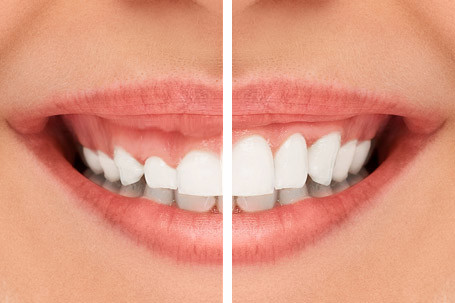
Patients who exhibit the condition commonly referred to in medical terminology as ‘Gummy Smile,’ characterized by the upper lip lifting excessively or the gum tissue covering the anatomical norms of the tooth crown surfaces during smiling, are suitable candidates for pink aesthetic applications. Aesthetics are directly related not only to the color and size of the teeth but also to the proportion of the surrounding pink tissue.
In patients with this profile, the dentist calculates where the gum levels should ideally end using digital programs with millimeter accuracy. If the gums are overly extended and the teeth appear short/square, laser technologies or electro-cautery devices are used under local anesthesia to reshape the gum boundaries according to proper medical standards (gingivectomy). Thus, without touching the natural root length within the bone, the crown length visible in the mouth is elongated. After ensuring tissue healing in these individuals, restoration is completed by transitioning to porcelain applications over the new and symmetrical gum framework obtained.
- Gum Overgrowth: Those experiencing gum swellings due to medication use or genetic factors are suitable for laser reshaping.
- Level Asymmetry: In individuals with differing gum alignments of two adjacent teeth, pink aesthetic balancing is planned.
- Smile Line Issue: In cases caused by excessive functioning of lip muscles, the visibility of the gums can be restricted with medical supportive injections (botulinum toxin).
How to Prepare People with Old and Discolored Fillings for Aesthetic Revision Procedures?
Individuals with large amalgam (metallic) fillings made in previous years or those with old composite fillings that have darkened at their edges due to surrounding seepage are included in aesthetic revision planning to change this heterogeneous appearance in the mouth. The metals in the structure of amalgam fillings can penetrate the dentin tissue over time, creating lasting gray/black reflections in the tooth.
In the suitability assessment applied for these patients, the volume occupied by the old filling in the tooth is examined. If the remaining healthy tooth walls are thin or insufficient when the filling is removed, placing a new filling in that tooth may not be mechanically viable. In such clinical scenarios, patients are referred to ceramic restorations, known as porcelain inlays/onlays, which are prepared in a laboratory environment and are specifically designed for that cavity, or to zirconium crowns that protect the tooth all around. The removal of amalgams and the placement of biocompatible, tooth-colored materials both support medical tissue integrity and eliminate dark reflections.
Why Are Patients Without Jaw Closure Problems But Experiencing Form Deformations Ideal Candidates?
In dentistry, patients who have a healthy functional occlusion (the correct closure relationship of the lower and upper jaws) without any pathology in the masticatory muscles or temporomandibular joint (TMJ), and who only experience genetic variations in the external form of their teeth are considered ideal (complication-free) candidates for aesthetic restorations. The healthiness of the occlusion means that there will not be unbalanced and destructive forces acting on the newly made porcelains.
For example, individuals with very small anatomical upper lateral incisors (peg lateral) or those whose canine teeth have naturally very sharp/pointed tips may request the correction of these form deformations. Since there is no problem with the closure, the dentist can add aesthetic volume over the existing tooth form with minimal preparation (or without any enamel reduction at all). In these cases, where occlusal forces are balanced, the mechanical lifespan of the applied porcelain laminates or composite bondings and the stability of the integration with the tissue are clinically advance to much more predictable levels.
What Precautions Should Be Taken to Accept Individuals with Systemic Diseases in Aesthetic Dentistry Processes?
Comprehensive aesthetic procedures are medical interventions that include not only the enamel surface, but also the gum tissue (pink aesthetics), root structure, and local tissue circulation. Individuals with diabetes, autoimmune disorders, or cardiovascular diseases can be included in these processes with controlled planning, guided by medical consultations from relevant healthcare professionals.
For patients who will undergo bleeding operations such as gum shaping (gingivoplasty) or gum grafting and are using blood thinners (anticoagulants), it is necessary to adjust medication dosages under medical supervision before the procedure. In diabetic patients, since tissue healing may proceed slowly, it is a medical principle to start prosthetic procedures during a stable period when blood sugar levels (HbA1c) are regulated. For individuals in the pregnancy period, unless there are emergency repairs, extensive aesthetic planning requiring radiological imaging should be postponed until after childbirth as part of a preventive healthcare approach.
How is the Eligibility Assessment for Aesthetic Treatments Conducted According to Avrupadent Clinical Criteria?
In Avrupadent clinical protocols, the process for every patient with an aesthetic request is conducted through a standardized medical evaluation route involving a screening of the biological health indices of the general oral flora and three-dimensional radiological-digital analyses. The anticipated visual design is predicted to behave on the existing anatomical foundation.
In this assessment phase, the first step is periodontal (gum and surrounding tissue) health. The depths of the gum pocket are measured with probes; if there is active calculus or tissue inflammation, aesthetic restorations are postponed until the area is stabilized. When medical care is provided, a digital copy of the teeth is obtained using optical intraoral scanners and combined with facial photographs in software (CAD). This virtual planning allows for testing whether the patient’s expectations align with physiological mechanical constraints. If necessary, temporary materials referred to as “Mock-up” are used to prototype the design over the patient’s own teeth, ensuring that the individual is anatomically compatible in a clinical environment during this process.
Frequently Asked Questions (FAQ)
1. Who can get porcelain laminates?
Adults with discoloration in their teeth, gaps between their front teeth (diastema), mild misalignment, or enamel cracks, who have healthy gums and do not have jaw closure problems are suitable for laminate procedures.
2. Can individuals with gum recession benefit from aesthetic procedures?
Yes, but first the medical cause of the gum recession (infection or trauma) should be identified and this area must be restored through procedures such as periodontal grafting, before proceeding to the crown or laminate planning.
3. Are these procedures suitable for individuals under 18?
During adolescence, the development of the jawbone and gum levels continue to change, so permanent aesthetic porcelain crowns and shaping are medically postponed until skeletal maturity is reached, except for emergency repairs.
4. Are aesthetic procedures planned during pregnancy?
Hormonal levels that change during pregnancy make the gums sensitive and prone to bleeding; therefore, aesthetic procedures of this kind should be postponed until after pregnancy due to potential radiological needs such as X-rays.
5. Can everyone with misaligned teeth get porcelain veneers?
In cases of mild to moderate misalignment, teeth can be straightened with porcelain applications; however, in cases of severe misalignment, orthodontic procedures (braces/trays) are recommended first as a lot of enamel tissue will need to be removed.
6. Are these procedures suitable for patients with bruxism (teeth grinding)?
Aesthetic restorations can be planned for patients who grind their teeth at night, but it is essential to support them with medical night splints used during sleep to balance the pressure on the chewing muscles and prevent the porcelain from breaking.
7. Can aesthetic covering be done on a root canal treated tooth?
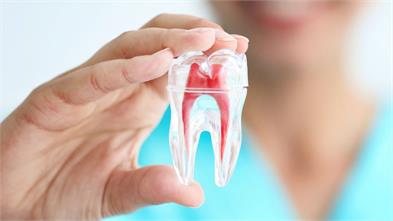
Yes, root canal treated teeth lose their natural moisture over time, becoming brittle and changing color. Placing a zirconium or all-ceramic crown on these teeth not only enhances their aesthetic appearance but also protects the tooth mechanically.
8. Do systemic diseases (like diabetes) hinder these procedures?
For diabetic patients with a controlled blood sugar level (HbA1c) within reference ranges under the supervision of medical professionals, these medical procedures can be safely applied by adhering to sterilization and tissue protection principles.
9. Can an aesthetic procedure be performed on just one tooth?
Clinically, it is possible to intervene with ceramics designed to match exactly the color, translucency, and surface form of adjacent natural teeth to a single tooth that is fractured, discolored, or deformed.
10. Is there a suitable aesthetic material for those with metal allergies?
Individuals allergic to classical metal alloys are the best candidates for materials made of zirconium or full ceramic frameworks, which show a high degree of biological compatibility (biocompatibility) and do not contain metal.
11. Do those with significant tooth loss benefit from aesthetic dentistry?
In areas with tooth loss, a support structure is primarily established by placing titanium pieces (artificial roots) in the jawbone; aesthetic coatings are then placed according to digital aesthetic design to ensure continuity.
12. Can those with braces simultaneously undergo aesthetic procedures?
During the period of active orthodontic movement, permanent crowns or laminates are not anatomically planned because the teeth are still shifting. After the brace treatment is completed and the teeth are stabilized in their new alignment, aesthetic restorations can be performed.
13. Is this procedure planned for those complaining of bad breath (halitosis)?
The source of the bad breath is first identified. Aesthetic crown revisions planned to replace old, leaking fillings or mismatched bridges that cause bad odors will help medically eliminate the odor issue.
14. What is the process for those with broken or cracked teeth?
In cases of cracks or small fractures in the tooth due to trauma or impact from a hard object, the function can be restored in a single session by adding composite resin through bonding, without involving the tooth further.
15. Can individuals in the elderly age group be included in aesthetic procedures?
As long as the general oral health and tissue condition are suitable, aesthetic restorations can be performed on individuals in the elderly age group without any age limitation to compensate for the wear of tooth enamel, height reductions, and color yellowing that occur over time.